
Hamburger categories
A hamburger, or burger, is a popular food typically associated with American cuisine, but enjoyed globally in various forms. A hamburger is GeneRally a sandwich that consists of cooked ground BeEF patties between two buns or a sliced bread roll. The sandwich is often accompanied by toppings, including but not limited to pickles, onions, tomatoes, lettuce or mushrooms. Condiments such as ketchup, mustard, and mayonnaise are also added to the sandwich as needed, and often proprietary concoctions of several dressings and condiments are a focal point of commercial hamburgers.
The popularity of the hamburger often results in heated debates as to where the "best" burger can be purchased or eaten. This is a difficult comparison because burgers vary enough between venues as to be in separate categories. This is the purpose of identifying hamburger categories.
Categories
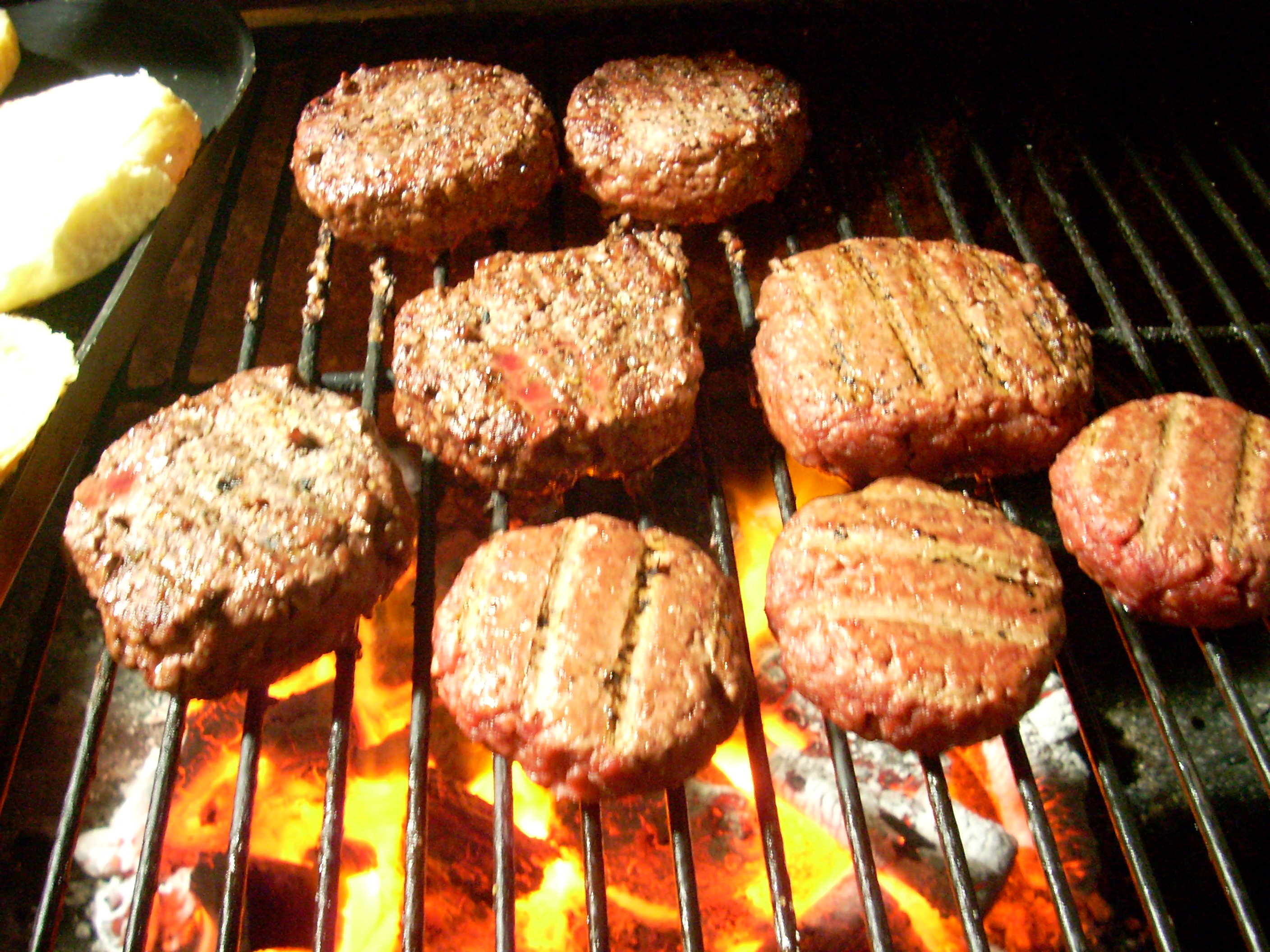
Homemade
This category encompasses all hamburgers prepared non-commercially. This includes barbecues and home cooked meals and, generally speaking, burgers prepared within a household. This is a broad category.
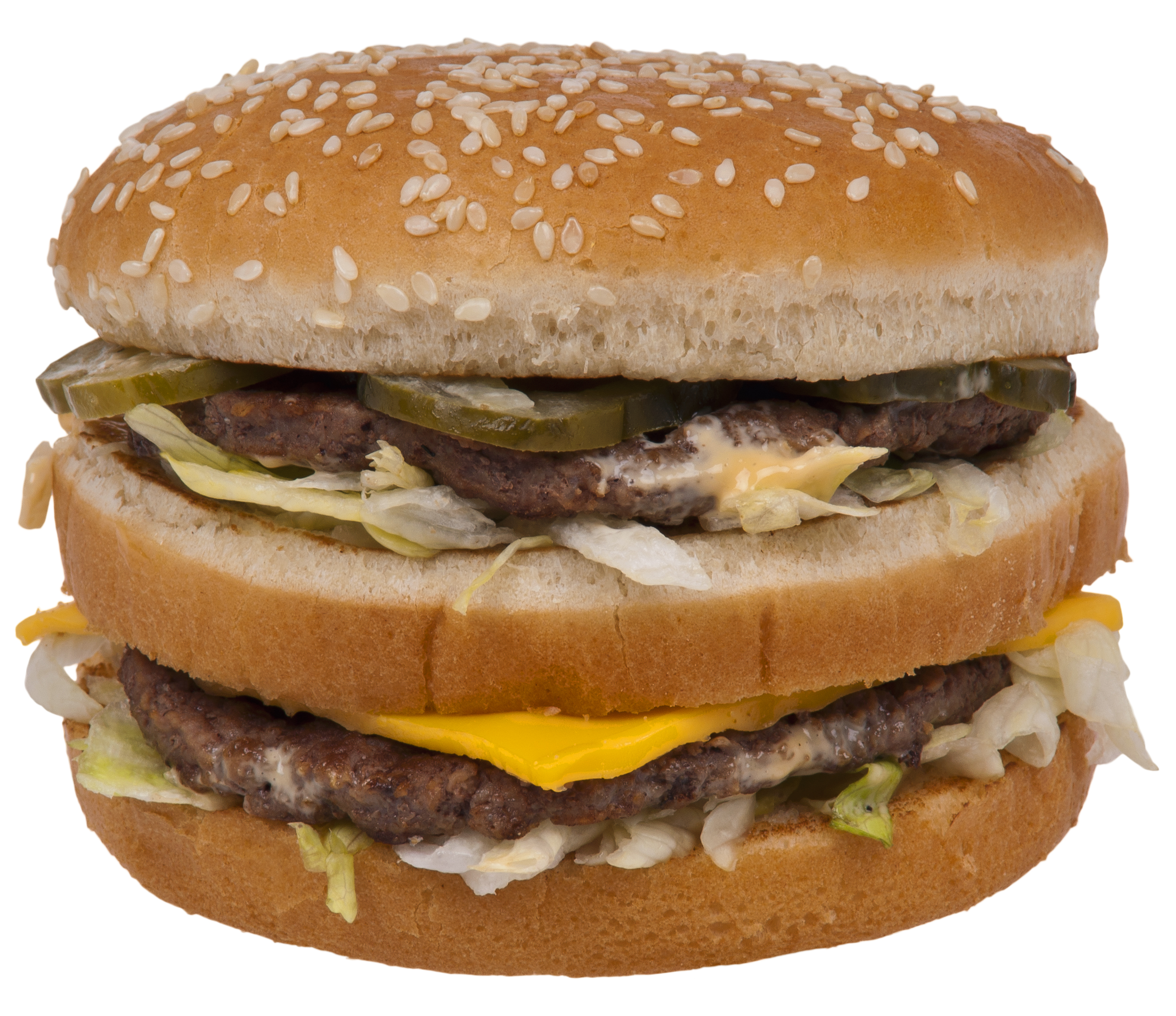
Fast food
This category contains all the major fast food chains that produce hamburgers extremely quickly. This includes McDonald's, Wendy's and Burger King.
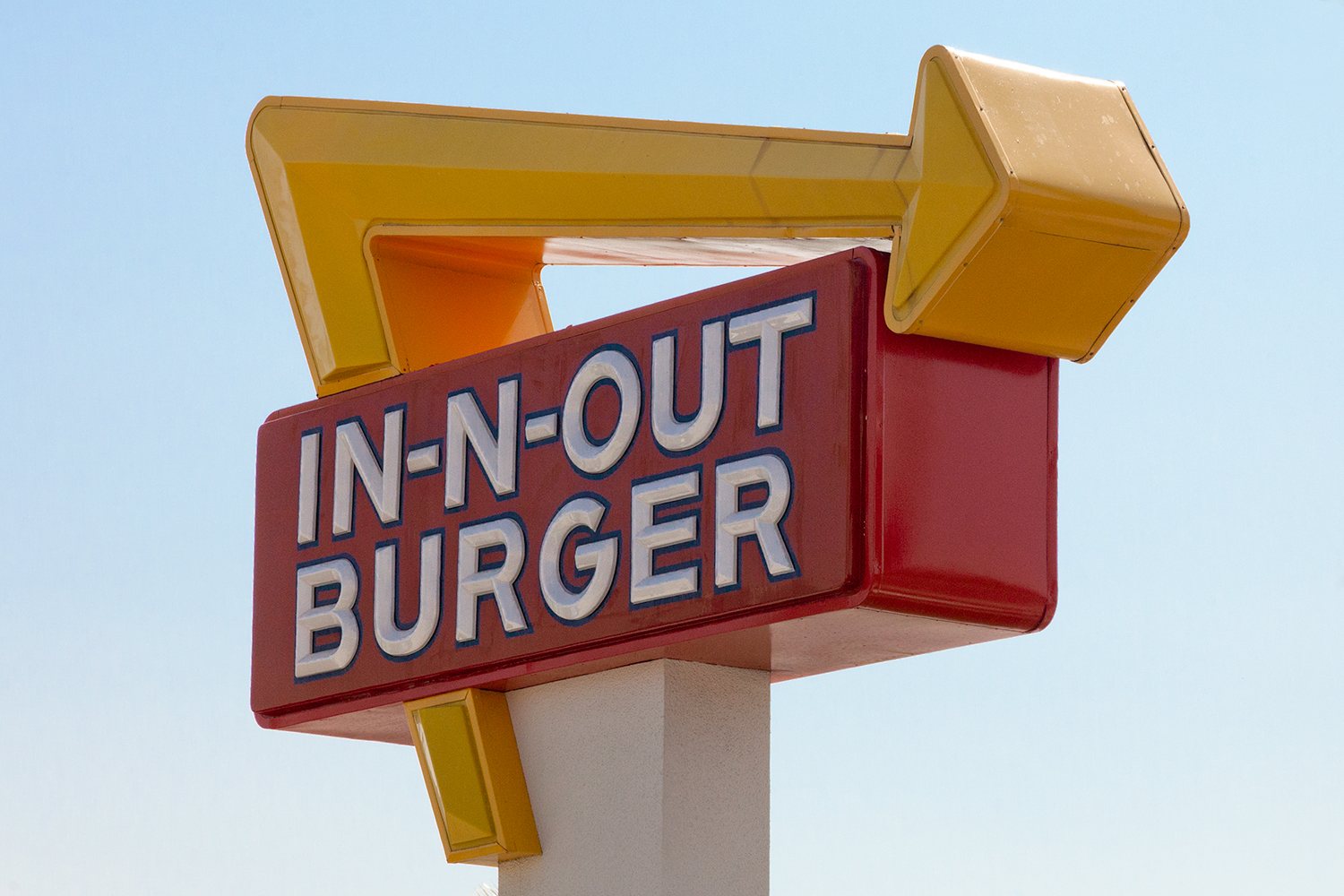
Five Guys
This category is named after the popular burger chain "Five Guys Burgers and Fries". The category is similar to fast food in that it includes chains that produce on the spot burgers. The distinction is that the ingredients are of higher quality, the menu options are more diverse, and the price is typically higher. Comparing them to simple fast food options would be impossible. This category includes Five Guys Burgers and Fries, Shake Shack, and In-N-Out Burger.
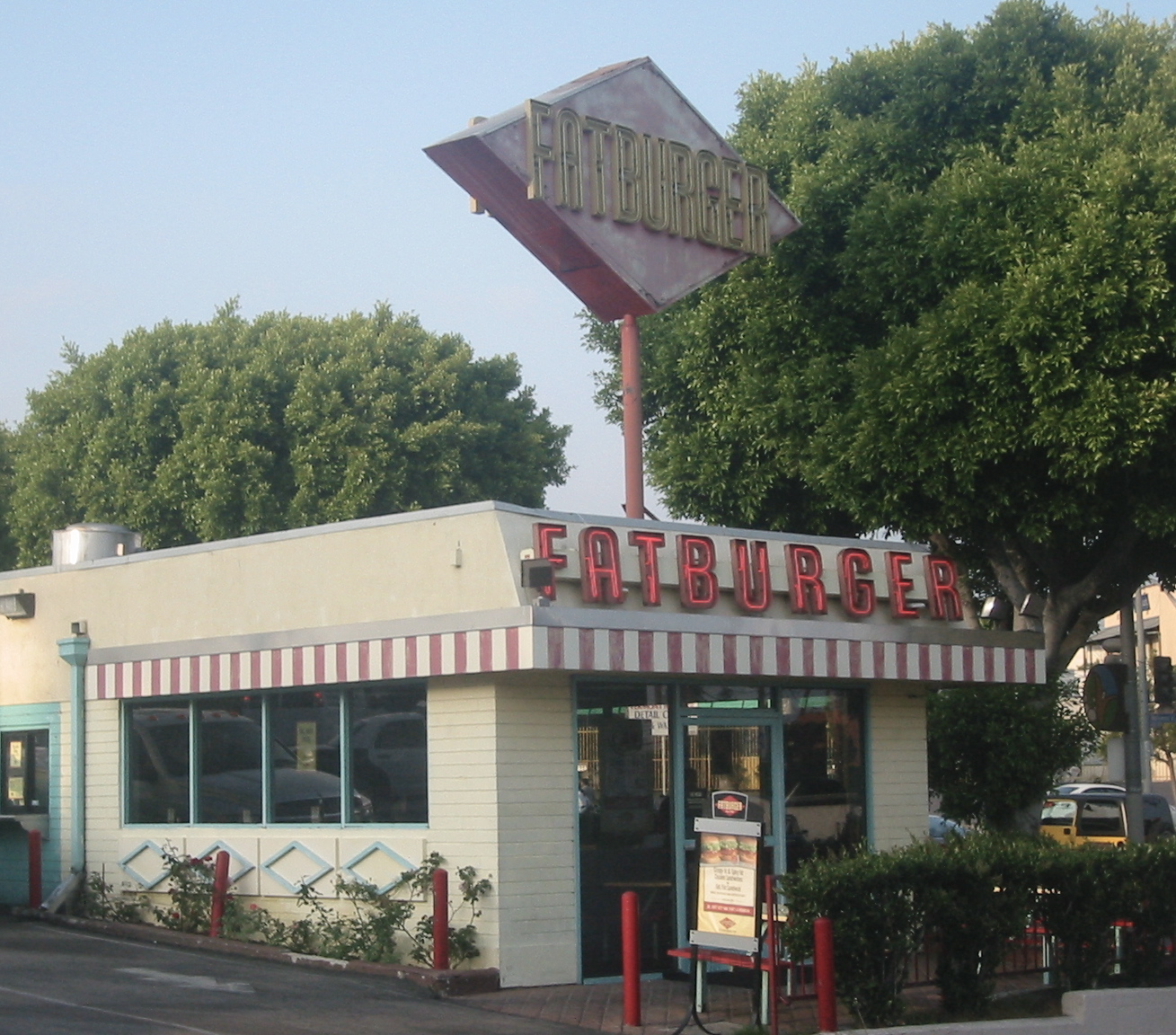
Restaurant
This category is for burgers that one orders from a menu while sitting at a table. This generally means that a chef or cook prepares the burger with special consideration, often taking into account things like the diner's preference for the cooking temperature (doneness).
Cafeteria
This category covers all burgers ordered or taken from a cafeteria style establishment. Typically these products are mass produced to serve a high volume. This includes hospital food courts, school cafeterias, and hotel or buffet style meals.

Metrics
Bun to Meat to Fixin's Ratio
The 'BMF' ratio is an important aspect of all hamburgers and is roughly the fraction of the total burger that is the bun, the meat patties, or the toppings (fixings). It can often be the breaking point for the subjective rankings of hamburgers in the eyes of the consumer. The various categories offer varying BMF ratios. The fast food category is typically weighted more heavily toward the bun; the five guys category is weighted towards the fixings, and the restaurant category is weighted towards the meat.
Degree of doneness
This metric is how throughly cooked the burger patty is. The typical scale is rare, being the least cooked, to well done, being the most cooked. Between The Two are medium rare, medium, and medium well. This is one of the major distinctions between the categories. The fast food category and the cafeteria category, for example, have little flexibility in the degree of doneness. The restaurant and homemade categories, on the other hand, offer a wide range.
Price Point
The price of a burger is another critical factor in determining categorical distinction. Like many of the other metrics, the gap between prices in each category can be drastic. Typically the fast food burger category is the least expensive, and the restaurant burger is the most expensive. Homemade burgers can vary depending on the quality and quantity of the ingredients incorporated, making it slightly more difficult to rank it amongst the other categories with respect to price.