
Infrastructure of the Rio de Janeiro bid for the 2016 Summer Olympics
Rio de Janeiro is one of the four cities competing to be the site of the 2016 Summer Olympics. The city and the government of Brazil have submitted presentations to the IOC to support this bid. Much of what follows is based on the bidding documents and represents the position of the Brazilian government.
Security and disaster-related risks for the event will be mitigated by the implementation of a comprehensive, yet unobtrusive and welcoming, security operation. Rio de Janeiro's experience in successfully securing events such as the 2004 Summer Olympics torch relay and the Carnival will ensure delivery of a successful security operation. Full health care services are provided free of charge to all Brazilian citizens and visitors, forming the basis of the health care provision for the Games. Supplementing the existing health system will be a number of specific services, including designated hospitals, a comprehensive polyclinic within the Olympic and Paralympic Villages, on-site medical response teams at all Olympic venues and a network of dedicated temporary medical stations supported by roving first aid teams. Brazil is committed to the WADA and UNESCO convention goals and is signatory to the World Anti-Doping Code. The government has guaranteed funding for significant extension to the existing WADA-accredited laboratory in Rio de Janeiro in the lead-up to the Games to accommodate the anticipated testing program.
Concept
The Olympic Games, are the largest sports event in the world and the most complex in terms of infrastructure, logistics and operations, involving approximately 300 individual competitions, four to eight million spectators, over 30 competition venues and numerous training venues. In addition, there are between 150,000 and 200,000 accredited persons, including the forcework, travelling to and from competition and non-competition venues. With regard to transport, there is an additional traffic flow of between 1.5 million and 2.0 million journeys per day. A high capacity road and public transport system is required for the city to be able to cope with the specific demands of the Olympic Games, as traffic loads and public transport needs place additional pressure on everyday metropolitan demands. This assessment takes into account transport infrastructure and the city's airports, as well as the International Broadcast Centre (IBC) and Main Press Centre (MPC). The considerable time and investment required to develop major infrastructure, as well as their integration into a city's Long term development plans, have also been considered. The assessment takes into consideration the location (planned or existing) of the IBC and MPC in relation to transport, media accommodation, the Olympic Village and competition venues; post-Games use and legacy; feasibility; and financing plans.
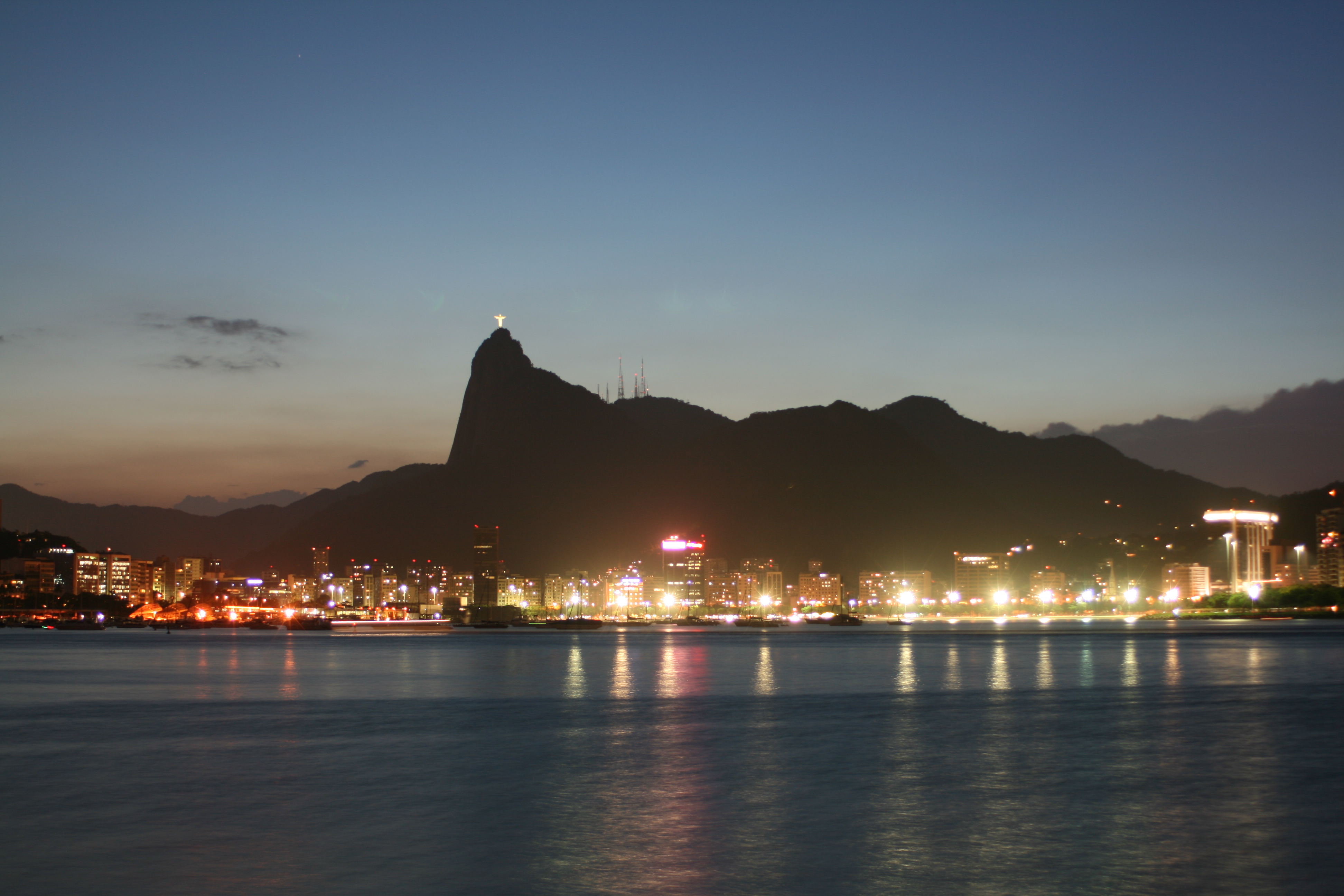
The topographical situation of Rio de Janeiro is a major challenge for transport systems. To overcome these challenges, Rio's concept is based on four zones with fairly strong transport systems. To better link three of the four zones, Rio proposes the construction of 100 km of Bus Rapid Transit (BRT) corridors. The fourth link, Copacabana-Downtown-Maracanã-Deodoro, would be served by improved metro and suburban rail. Based on proven Brazilian transport innovation and developments, the proposed extensive BRT system would provide an efficient answer to Olympic Games transport requirements. However, the provision of an adequate number of high capacity buses would have to be guaranteed. With ever-increasing air traffic, the existing Antonio Carlos Jobim International Airport serving Rio de Janeiro would currently not be able to cope with the additional traffic engendered by the Olympic Games. However, proposed improvements to runways and passenger terminals will improve capacity. Existing and proposed transport links with the city of Rio de Janeiro were considered to be inadequate and in need of improvement. The location of the IBC/MPC is considered to be good and overall the proposals meet with the standards required. Transport routes to some venues may prove problematic. Out of a total transport investment of 2.6 billion dollar, budgeted for general transport developments.
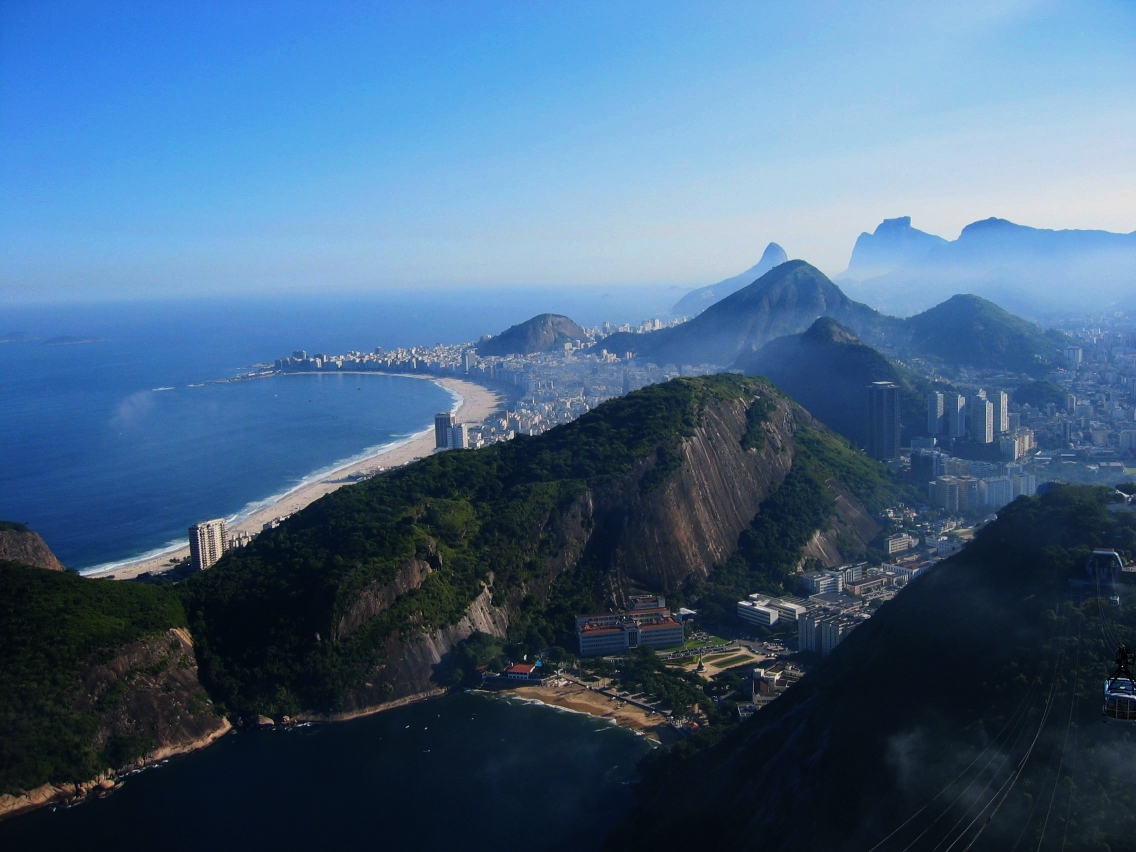
Rio de Janeiro's 2016 candidature is committed to delivering world-class Games infrastructure and has developed an integrated transport strategy, thoroughly analyzed, fully endorsed and guaranteed by all three levels of government. Funding for all works is guaranteed with a significant appropriation by the Federal government under its Plan for Growth Acceleration (PAC). The city is served by the Antonio Carlos Jobim International Airport and the Santos Dumont Domestic Airport. A series of projects have already been planned by the Federal government, as part of the PAC, to increase the airport's capacity from the current 15 million passengers per year to 25 million. Taking into account the impressive growth of the Brazilian economy, the transport infrastructure plan serves the expected demand growth, integrates with Rio's urban planning initiatives, adheres to the unique terrain of the city and respects the environment. All planned investments are feasible, will be completed at least one year before the Games, enjoy the commitment of all levels of government, including guaranteed funding, and result in an integrated mass transit solution that forms the new core of Rio de Janeiro's infrastructure. Carefully designed parking areas at venues and other critical Games-related locations will accommodate the needs of the spectators. A comprehensive network of Olympic Lanes will facilitate inter-zone as well as intra-zone journeys and travel to other major destinations such as airports and hotels.
Accommodation
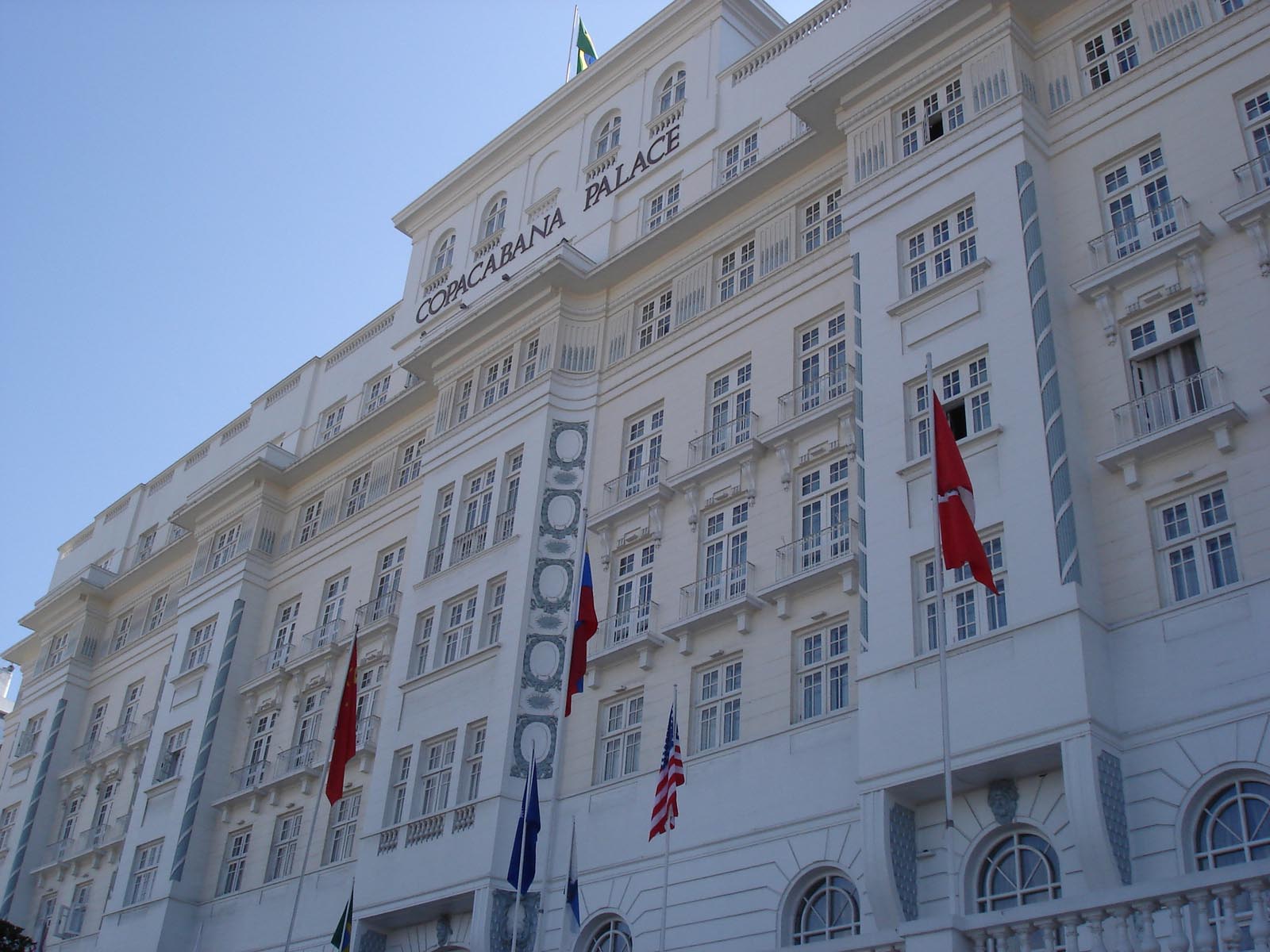
The accommodation assessment is based on Olympic Games requirements contained in the International Olympic Committee (IOC) Technical Manual on Accommodation which was provided to Rio de Janeiro. The benchmark for the Olympic Summer Games is 40,000 rooms predominantly in 3-5 stars hotels or other types of accommodations of an equivalent level. In evaluating the accommodation criterion, two sub-criteria and weightings are taken into account: number of rooms and accommodation concept. For hotel rooms and media villages or other types of accommodation which do not exist today but would be required to host the 2016 Summer Olympics, a feasibility factor was introduced representing the Working Group's belief that plans would be fully implemented. The remaining rooms, including all lower categories of hotel rooms, are expected to cover the needs of the Rio de Janeiro Organizing Committee for the Olympic Games (ROCOG) and spectators. The accommodation concept took into consideration the type of rooms (hotels, villages, cruise ships, etc.), the number of rooms within a radius of 10 km of the Games centre, the accommodation concept of operations and the 3-5 star average convention rates provided by Rio de Janeiro. The city had graded as follows: the IOC's benchmark was measured against the number of existing and planned rooms multiplied by a feasibility factor for planned accommodation, if the number of qualified rooms is 40,000, the city's grade is 6.
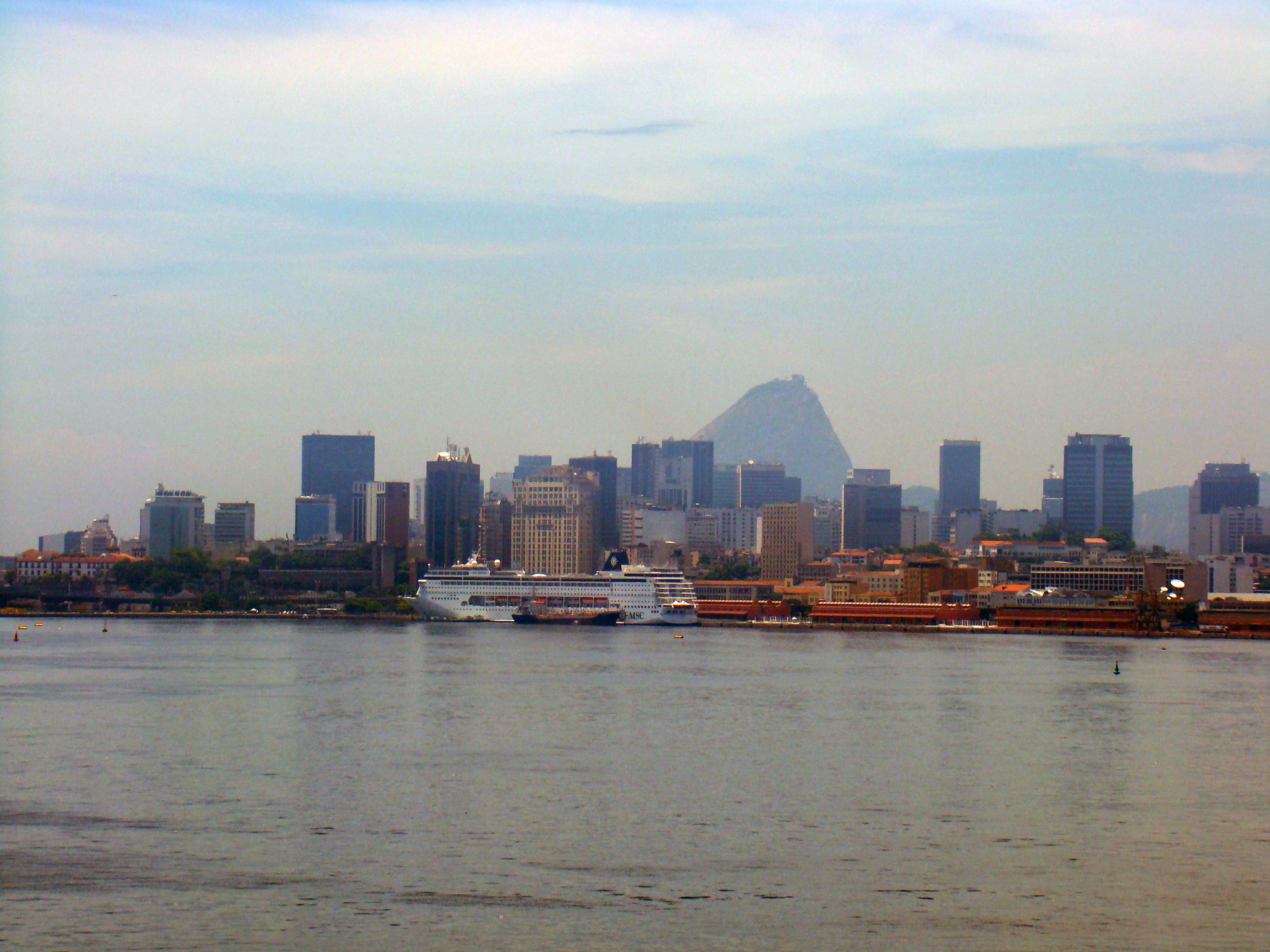
Taking into consideration existing and planned hotel rooms, there is a shortage in the number 3, 4 and 5 star rooms. To overcome this shortage, Rio de Janeiro proposes to use cruise ships and condominium apartments. Media would be accommodated in a combination of media villages and hotels. Rio de Janeiro's accommodation point of reference is the Olympic Park located in the Barra zone, home of the International Broadcast Centre (IBC), Main Press Centre (MPC) and many competition venues, and in close proximity to the Olympic Village and Media Villages. Collectively, the two Media Villages of 3 or 4 star hotel equivalent, would provide 9,196 mostly individual rooms that would be converted into residential housing post-Games. The use of cruise ships, which generally causes logistic and cost issues, would have to be addressed. The hotel evaluations are based on criteria established in the rating matrix provided by the Federal Ministry of Tourism as documented in its guarantee letter. Barra is the proposed location of the IOC and IPC Hotels, offering a beachfront experience blended with a suitable work environment. The Copacabana zone has a broad range of established hotels and apartments—an ideal base for those constituents wishing to be near competition venues in this zone or the beaches and entertainment districts of Copacabana, Ipanema and Leblon. Utilization of the existing network of seasonal rental apartments, underpinned by a centralized management plan.
Rio de Janeiro's accommodation concept is a client-focused customized solution involving a flexible combination of room locations and types. Existing accommodation stocks will be supplemented with new construction only where the legacy benefits are significant and warranted. The total secured inventory exceeds 48,000 and is supplemented by accommodation initiatives catering to groups outside the International Olympic Committee (IOC) requirements, including athlete families, additional workforce and international and domestic visitors. More than 13,000 rooms in Rio de Janeiro and the cities hosting football (Belo Horizonte, Brasília, Salvador and São Paulo) in a wide range of hotels, ranging from super deluxe to basic. Of the four villages the centerpiece is the Barra Media Village providing superior three star accommodation for 18,000 guests, primarily media, less than ten minutes walking distance from the IBC/MPC facility and the venues for 14 sports. Accommodation will be provided in 8,500 cabins on six modern cruise ships, berthed in the historic and regenerated Port in the city's downtown. Some 17,000 rooms in apart-hotels, operated by four major managing agencies, have been secured in the Copacabana and Barra zones. Current hotel capacity for two to five star hotels in Rio de Janeiro is approximately 20,000 rooms. Accommodation for the 14,000-plus security personnel to be drawn from other regions will be provided in military and police barracks and social housing developments to be constructed in the Maracanã and Barra zones.
Transportation
The transport infrastructure includes only those elements which relate directly to the Olympic Games constituent, spectator and workforce transport. Excluded are major elements of transport infrastructure not directly related to Games but relevant in absorbing base loads and providing Games contingency. The major mass transport corridors connecting the four Olympic zones (Barra, Copacabana, Maracanã and Deodoro) are the Northen, Southern and Western corridors. The Northern corridor connects the majority of Rio's population in the north of the city to the Deodoro and Maracanã zones through existing high capacity rail and metro systems, with further connections to the Copacabana zone. These existing systems will be connected to Barra via a new high capacity Bus Rapid Transit (BRT) system and traffic lanes (the T5 corridor) to service anticipated spectator demand. The Southern corridor connects the Barra and Copacabana zones and will be serviced by BRT (Barra-Lagoa BRT). An upgrade and expansion of this corridor is planned, including an additional two lanes. The corridor will also integrate with the metro system that services the city. The Western corridor linking the Deodoro and Barra zones will be achieved through development of a segregated BRT and motorway corridor (Line C). Within Barra, bus transport on the spine road and connecting roads will be enhanced by major transport interchanges at the Olympic Park and Alvorada, connecting the BRT systems and local services in the Barra region.
See also
- {{ citation | title = Official website | url = http://www.rio2016.com/en/Default.aspx | publisher = Rio de Janeiro Organizing Committee for the Olympic Games (ROCOG). }}
- {{ citation | title = Official website | url = http://www.cob.org.br/home/home.asp | publisher = Brazilian Olympic Committee (BOC). }}
- {{ citation | title = Official website | url = http://www.olympic.org/uk/index_uk.asp | publisher = International Olympic Committee (IOC). }}
- {{ citation | title = Official website | url = http://www.fifa.com/ | publisher = International Federation of Association Football (FIFA). }}
- {{ citation | title = Official website | url = http://www.gamesbids.com/eng/ | publisher = GamesBids (GB). }}
- {{ citation | title = Official website | url = http://www.bbc.co.uk/ | publisher = British Broadcasting Corporation (BBC). }}
- {{ citation | title = Official website | url = http://www.reuters.com/ | publisher = Reuters Group Limited (R). }}