
Finance of the Rio de Janeiro bid for the 2016 Summer Olympics
Rio de Janeiro had required to present its intention to provide government funding, together with private sector commercial revenues, and if would provide the financial support required to organise the 2016 Summer Olympics and Paralympics. The Rio de Janeiro Organizing Committee for the Olympic Games (ROCOG) budget would be financed from the public and private sectors. The three levels of government in Brazil—Federal, State and Municipal—have guaranteed the provision of a range of services and support to the bid at no cost including security, medical services, customs, transport, immigration, and other governmental services and support, in accordance with their jurisdictional responsibilities. Rio de Janeiro have developed a powerful financial model that will benefit from the already approved funding of 250 billion dollars from the Program for Growth Accelaration (PAC). Revenue generation activities include sponsorship sales, the ticketing program, licensing and merchandising. These revenues will be supplemented by any IOC secured commercial and broadcast contribution. In terms of expenditures, Government-related services will be provided to the ROCOG free of charge. The three levels of government have undertaken to adopt the necessary legal measures to deliver the most beneficial tax arrangements for the Games, using a combination of exemptions, concessions and zero ratings as appropriate.
Budget
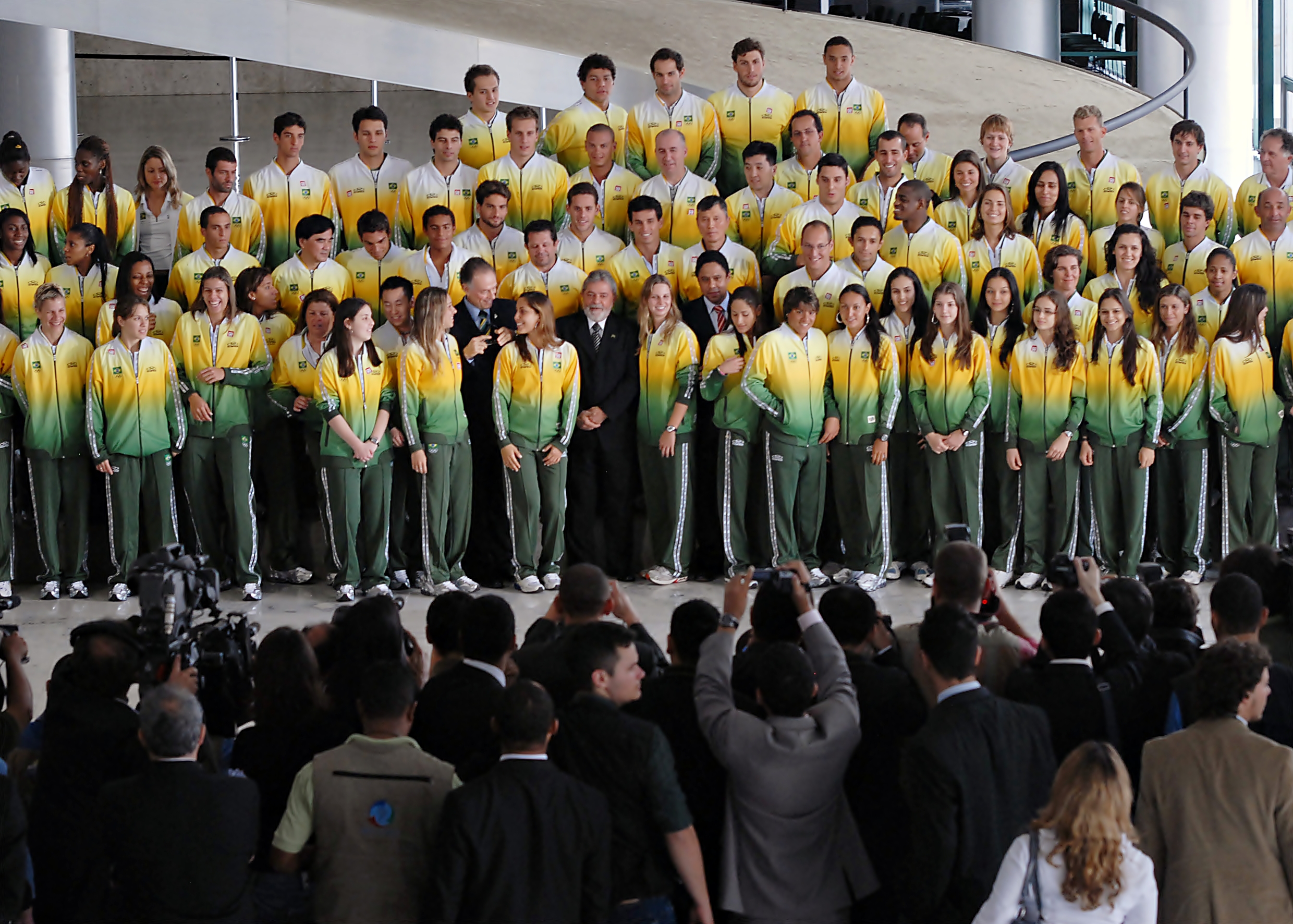
Rio de Janeiro is formulating non-ROCOG and ROCOG budgets in accordance with International Olympic Committe (IOC) guidelines for the 2016 Summer Olympics and Paralympics. All capital expenditure on infrastructure by the government or the private sector, and all associated costs, are reflected in the non-ROCOG budget. These include already committed and ongoing ivestments of 3.9 billion dollars on projects such as airport and subway expansions and construction of the metropolitan road arc. The ROCOG budget does not assume any capital contributions to the construction of permanent or legacy venues, other than for Games overlay, including the construction of temporary venues. The balance of ROCOG expenditures will be funded by the public sector, involving a combination of Federal, State and Municipal commitments. The ROCOG budget and operating expenses is projected at 2.81 billion dollars, with its Olympic-related budget, including capital investments in transportation, sports venues and incremental costs being 11.6 billion dollars. The budgets for the Applicant and Candidature phases of Rio de Janeiro is projected at 42 million dollars. The President of Brazil, Luiz Inácio Lula da Silva, submitted guarantees to cover any potential shortfall in the ROCOG budget, supported by the governments of the State and the Municipality of Rio de Janeiro.
Marketing
Rio de Janeiro's marketing program will be driven by a value creation and fair value strategy underpinned by an intensive and collaborative approach to building marketing partnerships. Rio de Janeiro will deliver a single marketing program to enhance the value of the Olympic and Paralympic brands and safe guard and protect the exclusivity of sponsors in the martketplace. The ROCOG is committed to the full implementation of the Joint Marketing Program Agreement (JMPA), and to adopt any other measures deemed by the IOC and the IPC to enhance the longer term development of the Olympic and Paralympic marketing, working with the international committees to engage and grow the Olympic and Paralympic brand and to establish a new level of integration across all marketing activities, covering media, sports and other platforms. Working with the full support of the Federal, State and Municipal governments, the Brazilian Olympic Committee (BOC) and the Brazilian Paralympic Committee (BPC), and their member federations, innovative opportunites and solutions have been devised across the entire marketing program. The ROCOG guarantees unconditional participation in every of the IOC international sponsorship and licensing programs. Payments related to television rights or marketing rights are subject to taxation. The payment of royalties by the ROCOG to the IOC will be exempt from withholding taxes and service importation taxes.
See also
- {{ citation | title = Official website | url = http://www.rio2016.com/en/Default.aspx | publisher = Rio de Janeiro Organizing Committee for the Olympic Games (ROCOG). }}
- {{ citation | title = Official website | url = http://www.cob.org.br/home/home.asp | publisher = Brazilian Olympic Committee (BOC). }}
- {{ citation | title = Official website | url = http://www.olympic.org/uk/index_uk.asp | publisher = International Olympic Committee (IOC). }}
- {{ citation | title = Official website | url = http://www.fifa.com/ | publisher = International Federation of Association Football (FIFA). }}
- {{ citation | title = Official website | url = http://www.gamesbids.com/eng/ | publisher = GamesBids (GB). }}
- {{ citation | title = Official website | url = http://www.bbc.co.uk/ | publisher = British Broadcasting Corporation (BBC). }}
- {{ citation | title = Official website | url = http://www.reuters.com/ | publisher = Reuters Group Limited (R). }}