
Celebration of 1700 years of Edict of Milan in Niš
Niš in celebration of the 1,700 years of the Edict of Milan was designed as a central place of the centuries-long anniversary celebration of Christianity, by the Foundation " Art Carnuntum " in 2003. Constantine the Great, who wrote the Edict of Milan turned "the world history in a new direction, seeking to certain laws favoring Christianity," linking the three cities from different parts of Europe and Asia, Austrian Carnuntum, Serbian Niš (in which he was born), and Turkish Izmit. Starting from this fact the Foundation "Art Carnuntum" among several nominees, elected Serbia and Niš (Nais) hometown of Constantine the Great, as a central place a large global history, and awarded him as a central place in this celebration.
Before Constantine and Edict of Milan
The first recorded official persecution of Christians on behalf of the Roman Empire was in 64 AD, when, as reported by the Roman historian Tacitus, Emperor Nero blamed Christians for the Great Fire of Rome. According to Church tradition, it was during the reign of Nero that Peter and Paul were martyred in Rome. However, modern historians debate whether the Roman government distinguished between Christians and Jews prior to Nerva's modification of the Fiscus Judaicus in 96, from which point practicing Jews paid the tax and Christians did not.
Battle of Milvian Bridge and Constantine's conversion
Emperor Constantine was exposed to Christianity by his mother, Helena, but he was over 42 when he finally declared himself a Christian.Writing to Christians, Constantine made clear that he believed his successes were owed to the protection of that High God alone.Eusebius of Caesarea and other Christian sources record that Constantine experienced a dramatic event in 312 at the Battle of Milvian Bridge, after which Constantine claimed the emperorship in the West. According to these sources, Constantine looked up to the sun before the battle and saw a cross of light above it, and with it the Greek words "Ἐν Τούτῳ Νίκα" ("by this, win!", often rendered in the Latin "in hoc signo vinces"). Constantine commanded his troops to adorn their shields with a Christian symbol (the Chi-Rho), and thereafter they were victorious. Following the battle, the new emperor ignored the altars to the gods prepared on the Capitoline and did not carry out the customary sacrifices to celebrate a general's victorious entry into Rome, instead heading directly to the imperial palace.Most influential people in the empire, however, especially high military officials, had not converted to Christianity and still participated in the traditional religions of Rome; Constantine's rule exhibited at least a willingness to appease these factions. The Roman coins minted up to eight years after the battle still bore the images of Roman gods.The monuments he first commissioned, such as the Arch of Constantine, contained no reference to Christianity.
Edict of Milan
In 313 Constantine and Licinius announced "that it was proper that the Christians and all others should have liberty to follow that mode of religion which to each of them appeared best", thereby granting tolerance to all religions, including Christianity. The Edict of Milan went a step further than the earlier Edict of Toleration by Galerius in 311, returning confiscated Church property. This edict made the empire officially neutral with regard to religious worship; it neither made the traditional religions illegal nor made Christianity the state religion, as occurred later with the Edict of Thessalonica. The Edict of Milan did, however, raise the stock of Christianity within the empire and it reaffirmed the importance of religious worship to the welfare of the state. 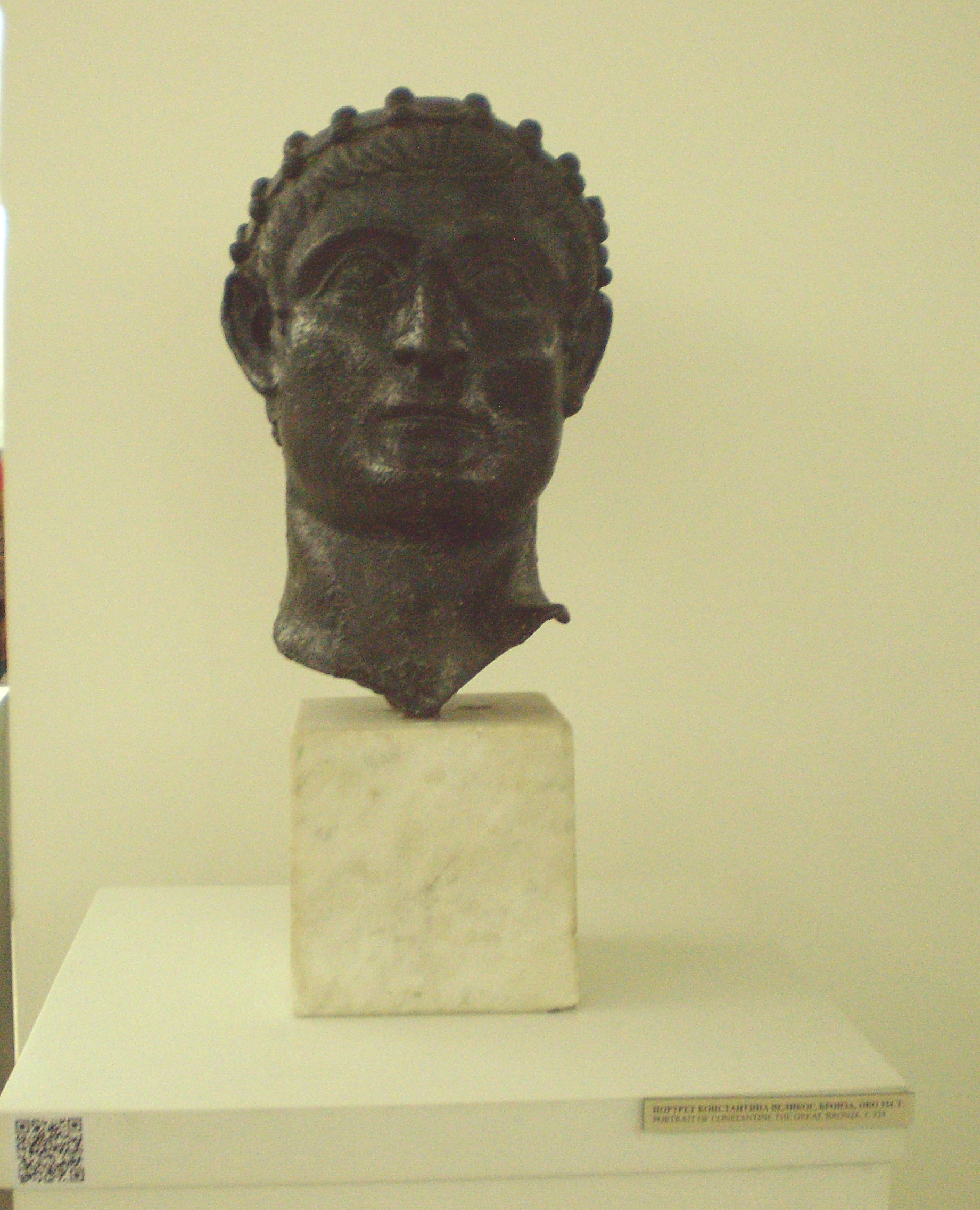
The celebration program "Edict of Milan 313 - 2013, Serbia"
"Edict of Milan 313 - 2013, Serbia" is a national program marking the celebration of the jubilee - 17 centuries of the Edict of Milan. The Government of the Republic of Serbia and the Organizing Committee co-chaired by Serbian President Tomislav Nikolić and his Holiness Serbian Patriarch Irenaeus, "made the decision to 2013th be a year of Christian joy, which shall be marked in Serbia, a series of spiritual and secular events and manifestations." 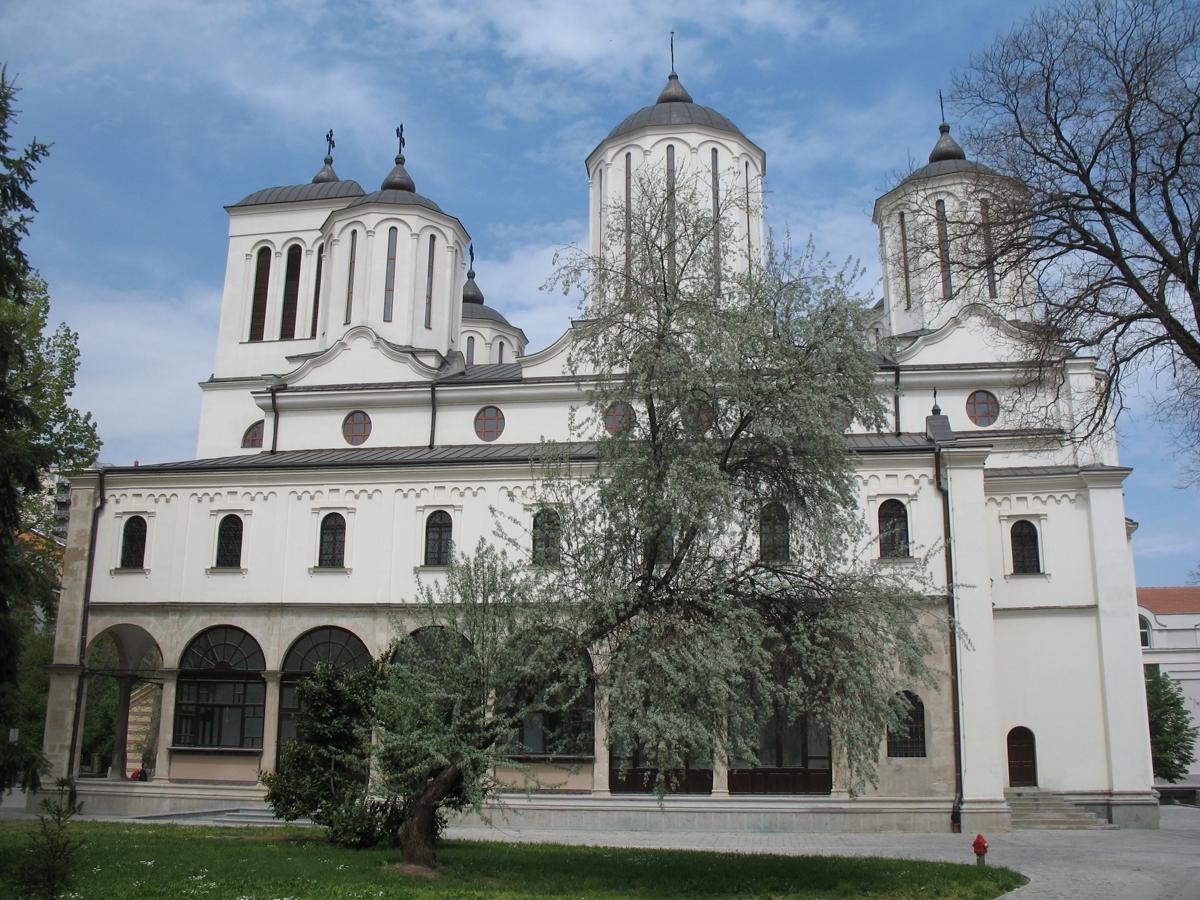
Other events and manifestations
- Seventeen newly built water fountains, as a symbol of remembrance of the past 17 centuries from the Edict of Milan. Fountains will be located in the territory of the entire city. In addition to city government and the church in their construction have joined the artists, architects, famous persons, many companies and even students.
- "The Emperor's edict", the official painting of celebration seventeen centuries of the Edict of Milan, which on this occasion was painted yarns painter Ilija Fonlamov Francisković, modeled on the official painting of celebration "1600 years of the Edict of Milan in 1913" Stevan Nikšić Lala. In the year of celebration will be exposed in Cultural Center of Niš.