
Tomara clan
Tomar / Tanwar / Tuar Dynasty |
Vansh |
Lineage: |
Branches: |
Rulers of |
Gotra |
Tomara (also called Tomar, Tanwar and Tuar) is a Hindu clan, the members of which ruled parts of North India at different times. The Tomars claim descent from the Puruvanshi lineage of Indraprashtha of Mahabharata times. People belonging to the Tomar clan are found among the Rajputs and the Gurjars of northern India.
History
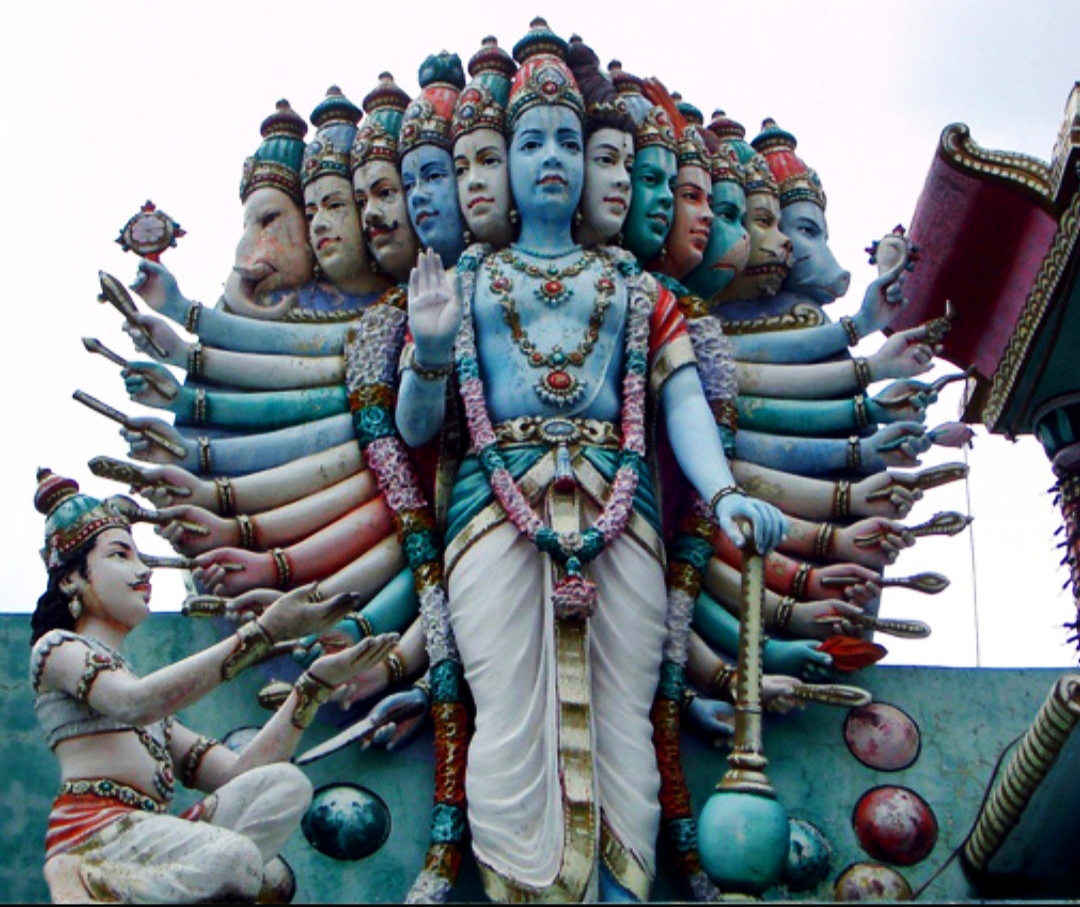
Middle Ages - 1st Millennium AD
Historian Augustus Hoernle was of the opinion that the Tomaras were one of the ruling clans of Gurjars in the Gurjara-Pratihara era of North India- 4th - 8th century AD, Ancient Kuru Kingdom continuing its existence in the ages when India was ruled by Gupta Kings. It remained one of the 18 Great States under Gupta Kings.
Indraprastha - Delhi
The modern city of Delhi is believed to be on the site of Indraprastha. Delhi was established in 736 CE by the Tomara king Anangpal Tomar-I who re-established the Pandava ancestral capital.
Samrat Anangpal Tomar
The Tomara dynasty of Delhi lasted til Anangpal Tomar-II. Part of his legacy was the construction of Lal Kot, a fortified wall around Delhi, likely in reaction to the raids of Mahmud of Ghazni. This is one of the oldest defence structures in Delhi. Anangpal Tomar II appointed his grandson (daughter's son, and son of King of Ajmer), Prithviraj Chauhan, as the heir apparent. Some historians believe that Prithvaraj was merely a caretaker king as long as his grandfather was alive. Prithviraj was never crowned in Delhi, hence adding weight to the view that the Chauhan ruler usurped the throne from his maternal grandfather. Anangpal Tomar II had 23 brothers and they each had territory of their own.
According to records kept by bards (or Jagas), King Anangpal Tomar made Prithviraj Chauhan only as caretaker when he went on a religious pilgrimage, as his own sons were very small at that time. When King Anangpal Tomar returned, Prithviraj refused to hand over the kingdom to his maternal grandfather. Whatever the circumstances, the Chauhan dynasty was able to firmly establish control by the mid-12th century.
Shakhas or sub-clans
Janghára Rajputs
Known as a large and turbulent branch of the Tomara Rajput clan, the Janghara Rajputs were readily recruited by the British Indian Army.
The turbulent nature of the tribe is further enhanced by the origin of the name Janghara being derived from the words, Jang (war) and Ahára (hunger) meaning "the men who hunger for war".
After the fall of Delhi to the Chauhans, the Janghara sept parted from the main Tomar branch in disgust. They entered Rohilkhand under the leadership of the prince Dhápu Dhám whose warlike nature was proverbial. A couplet sung by women of the clan states
"Neeche Darti upar Ram, beech mein lade Dhapu Dham"
meaning "Below is Earth, above is Lord Rám. Between the two, fights Dhápu Dhám"
The Janghara Rajputs of Bareilly claim to have ejected the Gwálas in 1388CE. in 1405CE they expelled the Ahirs from their Kingdoms. The Katehriya Rajputs were also defeated and exiled from Rohilkhand by the Janghara Rais .
Janjua Rajputs
The Janjua Rajput clan claim descendancy from the Pandava dynasty through the Pandav Prince Arjun. Prince Arjun, known as the Achilles of India, was famous for his valour. He was eulogised in the Mahabharata epic as the perfect Kshatriya warrior. He conquered many powerful kingdoms in the Mahabharata epic and was the main lead in the battle field of Kurukshetra. Arjun's great grandson, Maharaja Janamejaya, is an apical ancestor of the Janjuas. Janamejaya was later the ruling Emperor of the Kingdom of Hastinapur, the capital of which was Indraprasta (modern day Delhi). Regarding the Janjuas descent from the Pandavas dynasty, the Bali and Bhimwal generals of Raja Dhrupet Dev of Mathura, recorded that the Janjua Raja Dhrupet Dev was the descendant of Emperor Janamejaya of the Pandava dynasty of Prince Arjun. Sir Lepel H Griffin K.C.S.I. had also recorded in the early 1900s that the Janjua were Pandavas in origin.
Other Tomar Sub Branches
Birwar, Badwar, Borahan,Chanket,suryan, Barnwal, Katiyar, Kallia, Borahan, Bajpanna, Jinwar, Jerah, Jasraiya, Indoria, Jarrota and Tirota Kshatriya. Indoria Kshatriya has branches - Raikwar, Jaiswar/Jaswar. The Tomars of Torawati-Patan in Rajasthan have 3 subdivisions - Asoji(Asal Singhji), Udoji(Uday Singhji) and Kelorji (Kewalramji).
References
it:Tomara uk:Томар (клан)