
Skyward Experimental Rocketry
Skyward Experimental Rocketry is a student association in the Polytechnic University of Milan, created in order to design and build sounding rockets.
Officially formed in April 2012, the association consists of AbOUT 80 students from almost all the faculties of the University and other national and international universities. Skyward is, in Italy, the only student association to develop, produce and launch experimental rockets.
The main objective of Skyward is to provide skills to students within the Polytechnic through a business-like approach to the project. The association also aims to overcome the European altitude record for a rocket launched by students, reached by DARE of the Delft University in the Netherlands, set at 12.5 km.
History
The association, initially named ASMA Experimental Rocketry, was founded in 2010 by some students of Polytechnic of Milan passionate with space exploration and astronomy.
In April 2012 ASMA turned into a non-profit organization and changed its name into Skyward Experimental Rocketry. Giovanni Pandolfi and Michele Messina led the team during the first phase of the Rocksanne program whose main aim was to realize the very first rocket entirely engineered and built by Italian students.
The maiden launch of Rocksanne I-X occurred in November 28, 2013 in Roccaraso in Abruzzo in adverse climate condition. The rocket reached an altitude of 969m. The launch attempt was considered only a partial success due to a major malfunction of the parachute deployment system. 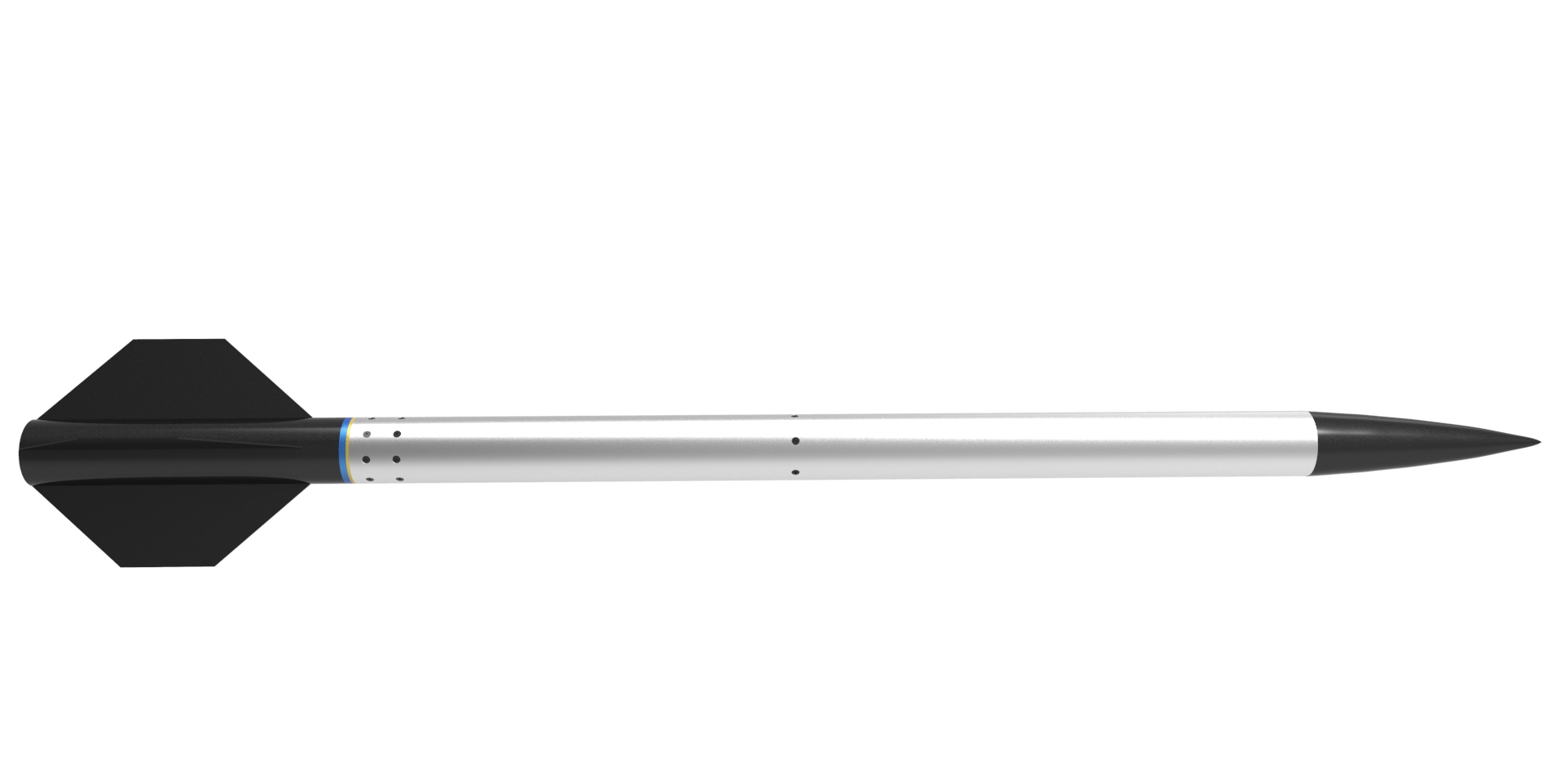 In February 2014 Ruben Di Battista and Luca Di Pancrazio were designated as the new, respectively, Skyward's president and vice president. The old chair is still at work in the association.
From 6 to 8 June 2014 two successful launch attempt took place in Roccaraso. The two rockets differed only for the construction material of the Fincan which was realised using carbon fiber inb the most recent version 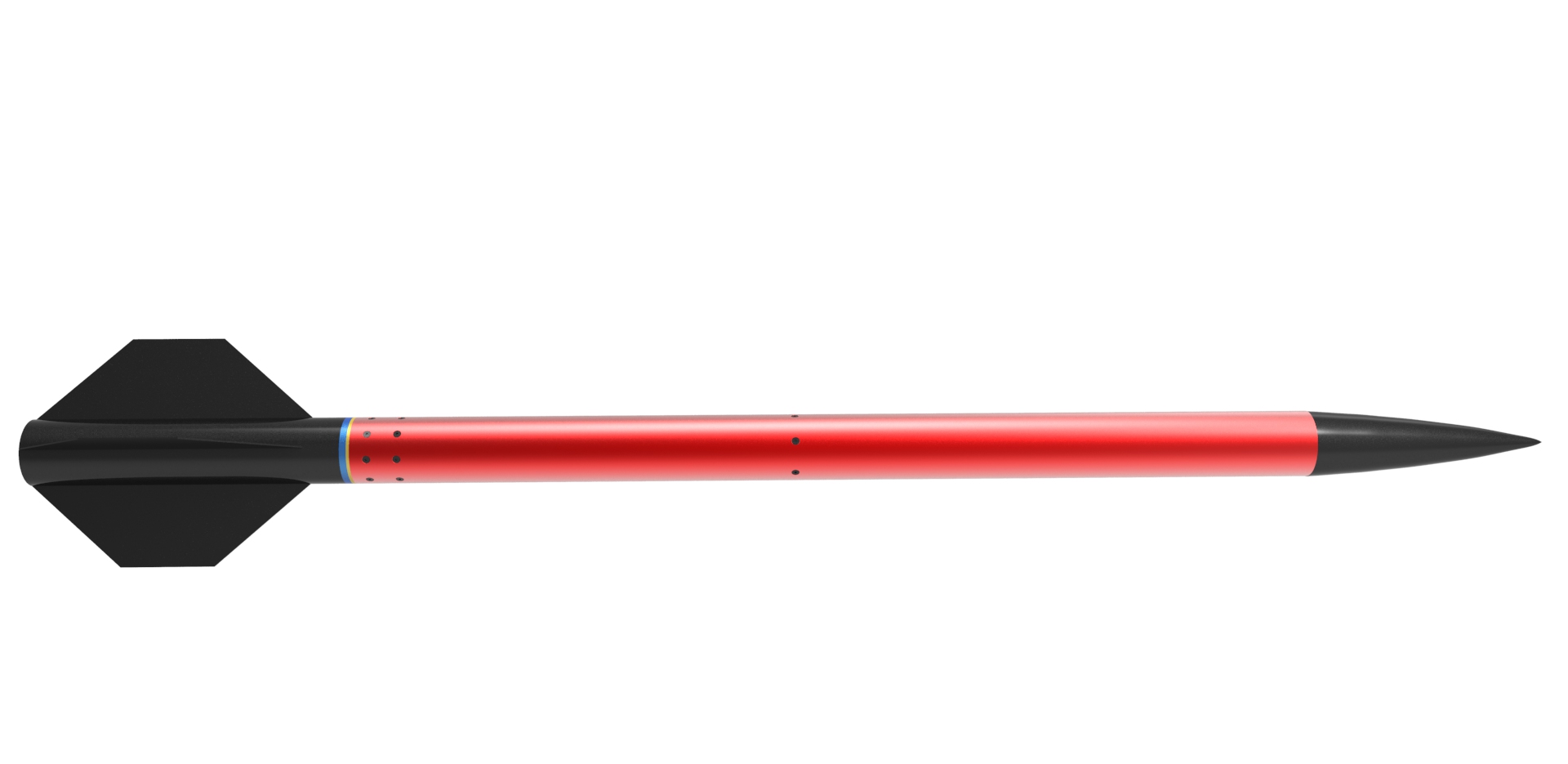 The updated version of the rocket, codenamed Carbon Tail, reached the height of 1100m at a speed of 533 km/h experiencing a maximum acceleration of 6,8g. Nowadays Skyward Experimental is a fast-growing association wich actually counts more than 80 members focusing to take the Rocksanne program to a whole new level of complexity with the realization of Rocksanne II-X.
The Rocksanne Program
The Rocksanne Program was established with the goal to beat the European record for altitude in 3 phases: I-X, II-X and EX, to develop gradually and properly the technical and organizational measures.
The Rocksanne I-X
Rocksanne I-X is the first project of the association and it's a single-stage sounding rocket.
Nose Cone
spinner is fiberglass. It is the tool that cuts through the air on the way up. The airfoil is to Von Kármán.
Recovery System
After reaching the maximum altitude the nose cone is ejected through a cold gas system. The nose cone carries the drogue, a small Parachute that slows down the missile in the first part of the fall. Reaching a height chosen the main parachute (main) is released and pulled out by the drogue. Once outside, the main parachute slows the rocket to a soft touch-down.
Electronics
The set of tools needed to collect data and coordinate the moment of the parachute release is placed inside a compartment located in the center of the missile. The system communicates with the control center via an antenna designed and built within the association.
Fuselage
The fuselage is the structure of the missile, it contains the electronic compartments, parachutes and it is sized so as to withstand the loads during the mission.
Skirt
It is the element of connection between the fuselage and the fincan, is the backbone of Rocksanne.
Engine
Consists of a solid propellant formed by potassium nitrate and sugar.
Fincan
The glass fiber element placed at the base of the rocket. It supports the four fins which stabilize the missile during the ascent.
Rocksanne II-X and E-X
The next two sounding rockets will be two-stage supersonic missiles with minimum apogee set at 10 km for the II-X and 20 km for the EX. They will allow up to 5 kg payload on board for atmospheric researches by local universities.
Trivia
The name Rocksanne is a edit of Roxanne, famous single of the The Police.
Notes
Article from La Repubblica on 16.01.14