
Russian civil war in the Baltic States
The Russian civil war in Baltic States, also known as the Baltic civil war, refers to the conflicts in the Baltic region during the Russian Civil War and part of the interwar period.
Participants
German / pro-German forces |
Nationalist / pro-independence forces |
Allied intervention forces |
Internal conflicts / factions |
Bolshevik / Soviet forces |
|---|---|---|---|---|
|
|
|
|
 Baltische Landeswehr
 Freikorps (Iron Division)
 North Ingria
 Pērkonkrusts
 Republic of Central Lithuania
 Russian SFSR
 Latvian Socialist Soviet Republic
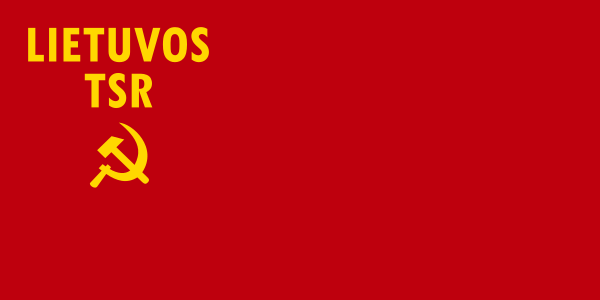 Lithuanian Soviet Socialist Republic
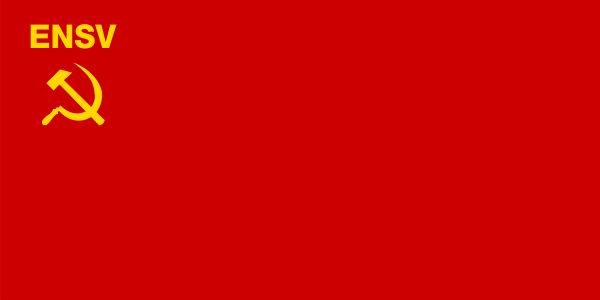 Commune of the Working People of Estonia
The arrival of the Germans in the Baltic Region
During the First World War, German forces entered the lands of the Baltic region. At that time, the Baltic region consisted of Russian governorates which were effectively occupied by the German Empire. 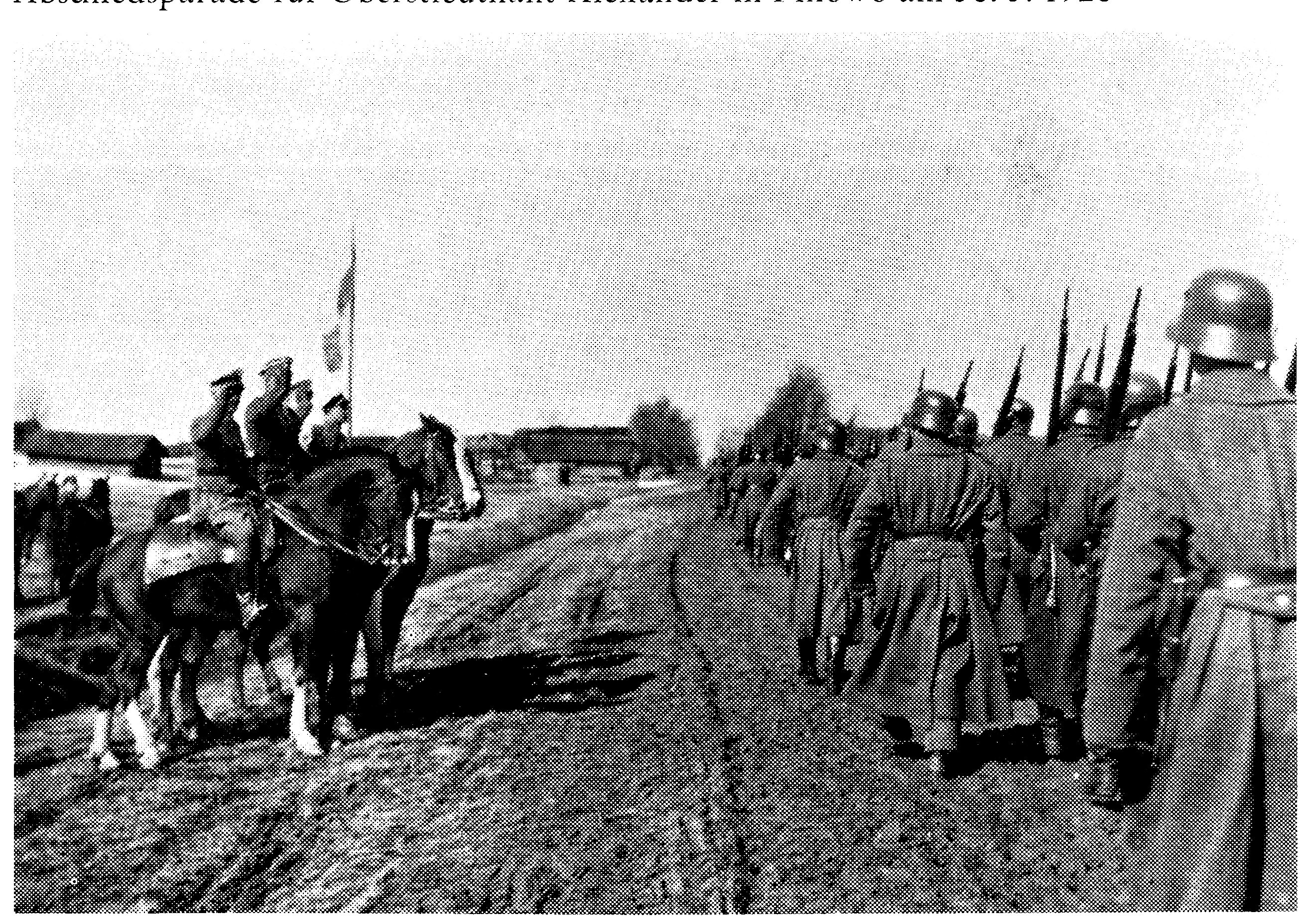 Since the time of the Teutonic Order, Germans had been coming to the Baltic region. The local Baltic peoples were not happy about the Germans, because the Baltic Germans served as administrators, officials and wealthy landowners, while the native Latvians, Lithuanians and Estonians were peasants or not very wealthy military guards.
During the First World War, the Germans came to the Baltic region and successfully took it from the Russian Empire, but this did not last long.
Red Threat
As a result of the revolutions in Russia, the Russian Civil War began across the entire territory of the Russian Empire, including in the Baltic region. The Bolsheviks advanced like a huge brick wall. They successfully won battles, but later failed. 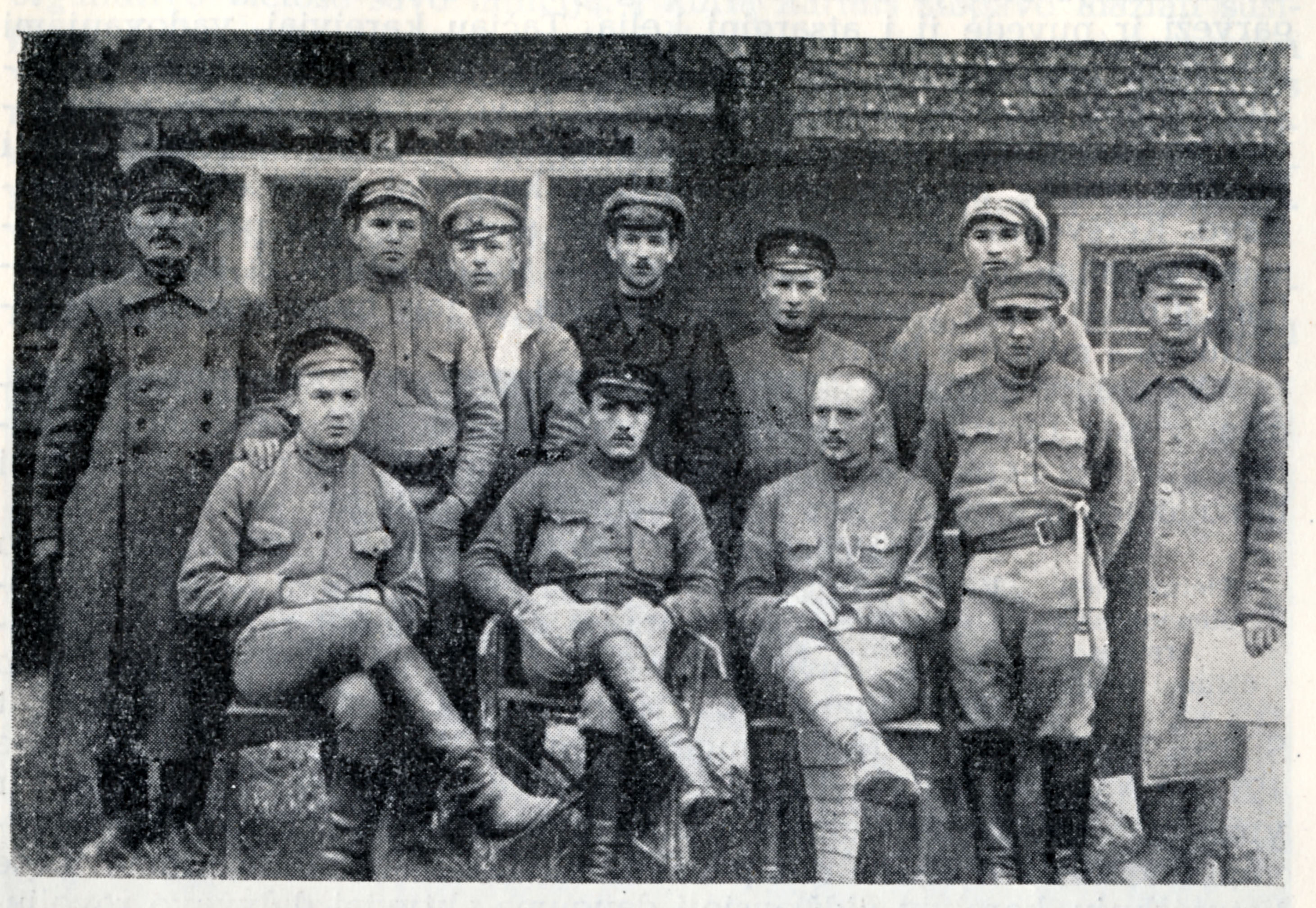 The emerging Baltic countries started a war for independence against the Communists: first the Estonians, then the Latvians and Lithuanians. The Baltic states successfully repelled the Bolshevik attack, returned their old lands and signed a peace treaty.
Pro-German Russian Army of Pavel Bermondt-Avalov
During the German offensive campaign in the Baltic states, the West Russian Volunteer Army (, ZDA) was created. It was under the command of Pavel Bermondt-Avalov. This corps consisted of Russian collaborators (former White Russian soldiers who refused to cooperate with the Allies) and Baltic Germans who wanted to maintain German influence in the region 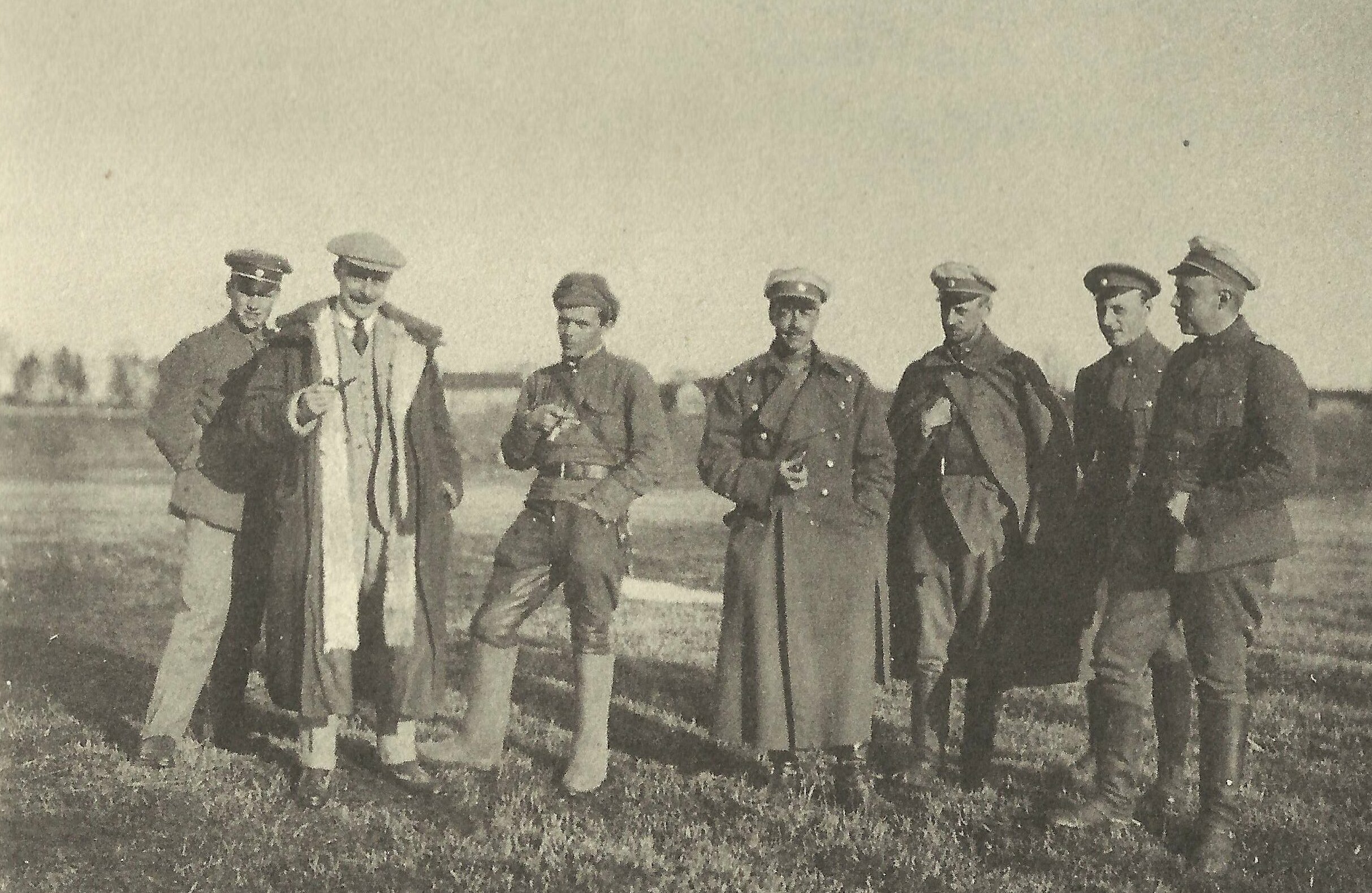 The WRVA, also known as the Bermontians (), carried out raids on Latvia and Lithuania. Their attacks were highly problematic for the newly formed Baltic states, as the WRVA looted villages, requisitioned supplies, and tried to prevent the establishment of independent national governments.
Despite their initial advances, the WRVA did not win a single major battle. They were decisively defeated near Riga by joint Latvian and Estonian forces, supported by British naval artillery. After their defeat, the remnants of the army fled into German territory and were disbanded.
Other conflicts
At that time, the Polish–Lithuanian War took place over Vilnius, during which the Republic of Central Lithuania was created. The Poles took Vilnius from the Lithuanians. 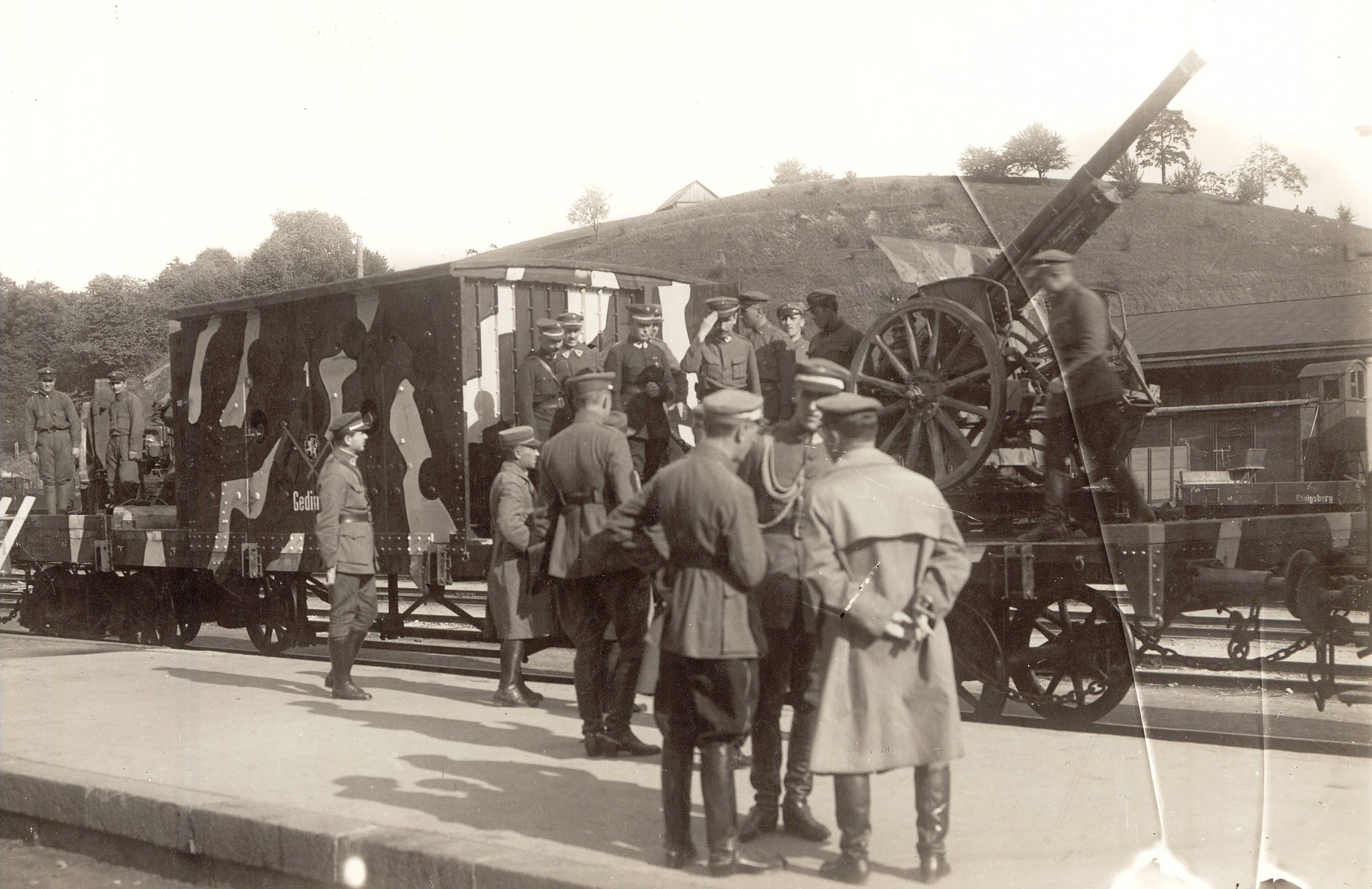 Interesting fact: Why did the Latvians not help the Lithuanians in this conflict? Because the Latvians liked the Poles. The Poles helped the Latvians defeat the Communists in Daugavpils, where there were about 20,000 Polish soldiers.
Walk conflict
The Walk conflict, also known as the Valka conflict, was a dispute between Estonia and Latvia over the town of Valka. The town was divided, with the larger part taken by the Estonians.
British and French intervention
Warships of the intervention forces were stationed in the Baltic Sea, most of which were British. The British helped stop the Bolsheviks and the Germans, but they also had another goal: a piece of land. As it turned out, Britain, Denmark and France did not receive full territory in the Baltic region or its sea. 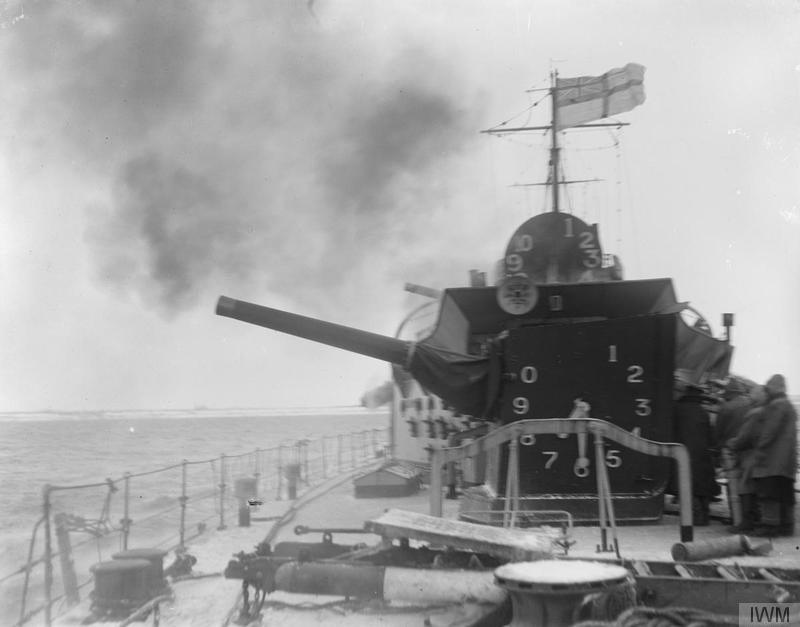 Klaipėda (Memel) was briefly occupied by the French, but the Lithuanians forcefully retook Klaipėda from the interventionists. During this action, two French soldiers and one German policeman were killed. Klaipėda then became part of Lithuania again.
See also
- Estonian War of Independence
- Latvian War of Independence
- Lithuanian Wars of Independence
- Russian Civil War
- Baltic region
- Freikorps in the Baltic
- West Russian Volunteer Army
- Baltische Landeswehr
- North Ingria
- Republic of Central Lithuania
- Walk crisis
- Pērkonkrusts
- Vaps movement
- Commune of the Working People of Estonia
- Latvian Socialist Soviet Republic
- Lithuanian Soviet Socialist Republic (1918–1919)
External links
- Estonian War of Independence on Estonica
- Latvian War of Independence history portal
- Britannica: Estonian War of Independence
- Britannica: Latvian War of Independence
- Britannica: Lithuanian War of Independence