
Men in the Philippines

Men in the Philippines is a term referring to the male members of Filipino society, or men who belong or come from the Philippines, a country in South East Asia or the Far East. This is synonymous to the phrases Filipino men , Philippine men, Filipino males, Philippine males, men from the Philippines, men of the Philippines, and men of Philippine society.
Psyche and value system
There are three particular cultural norms imbibed and expected to be in the psyche of Filipino men: the ability to make love to a woman (which is equated to his virility and the number of offspring he has), the absence of marital restrictions in his activities as a person, and the capacity to become a "good provider", father, and breadwinner for his spouse and kids. As a son, a Filipino man has to show loyalty and provide unselfish caring to his parents, and assist his younger brothers and sisters. He is a member of a society that respects elders and women. Traditionally, Philippine society places value on a man’s ability to show his masculinity by expressing “strength, boldness, and aggression”, in the sense that he has more freedom in acting out his maleness, a male figure who is responsible, independent, and with conviction. However, although the traditional norm is to have no marital restrictions, the Filipino man generally respects that the household belongs to his wife and thus typically provides opinions regarding household issues only if consulted by his spouse. He is expected to be the father figure and the personification of physical strength because he is considered as the haligi ng tahanan or the "post of the house" or "pillar of the dwelling", figuratively meaning "father of the home", the partner of the Filipino woman who takes the role of being the mother of his children and the ilaw ng tahanan or the "light of the home".
In relation to the ego of Filipino males, Dr. Lapis describes a Filipino man to be stereotypically "cool, cautious, inoffensive, pleasant", relaxed (almost easygoing), and slow to or incapable of anger. However, if his self-esteem, a narcissistic quality known locally as amor-propio (a term with Spanish origins), is provoked he is susceptible to anger. However, there are some Filipino men who exhibit "pride and arrogance", in the sense that they could not accept "losing face", particularly in public, thus participates in physical fights or alcohol drinking in groups.
With regards to social communication, Filipino men has the tendency to be quiet, speak in very few words, try to be unobjectionable, shows less movement, and he is not open to immediately asserting his identity and opinions while in a conversation, particularly if among "strangers and unfamiliar situations".
Based on a 1999 study conducted by UNICEF and Ateneo de Manila entitled How We Raise Our Daughters and Sons: Child-Rearing and Gender Socialization in the Philippines, Filipino men are indeed expected to show Filipino values such as the following: to become the "primary source of financial support" of their individual families, to be able to defend themselves during physical fights, to be able to endure physical pain, to be able not to cry or show their emotions, and should know how to suffer emotional pain in silence.
Indeed, Philippine society has assigned more freedom, power, and privileges to Filipino men than women with regards to participating in social affairs and activities.
Physique, fashion, hygiene, and grooming
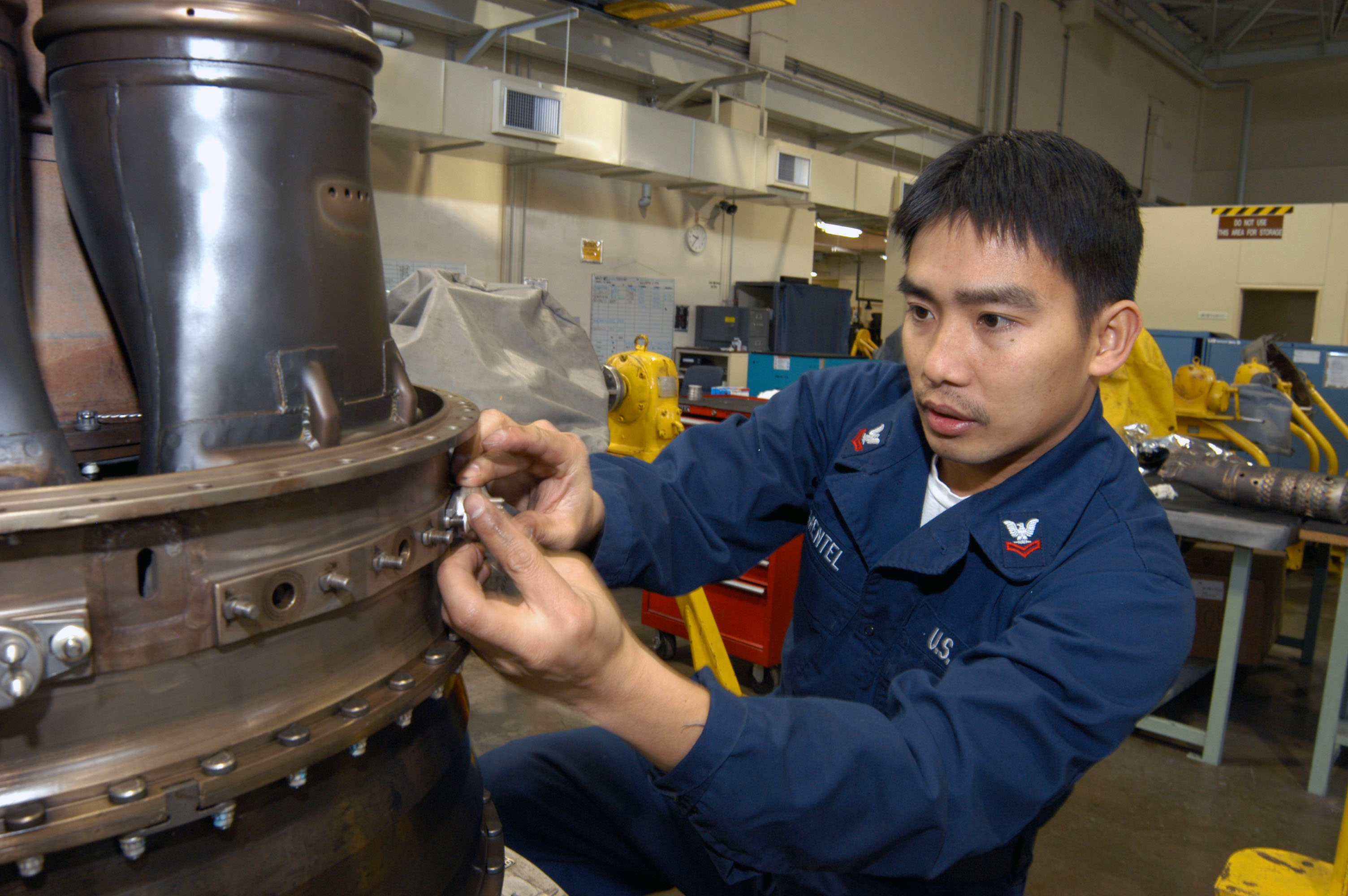
The modern-day Filipino male is considered to be very particular with their appearance in public. He gives attention to his hair and clothing because of their "more holistic" outlook on handsomeness, and they are more attuned to good and proper hygienic practices.
In general, Filipinos are well-known and recognized for their cleanliness, particularly their proper habits in maintaining conducive physical appearance, personal hygiene, and good grooming. They are accustomed to taking baths or having showers everyday. With regards to clothing, they prefer wearing fabrics that are made of lighter materials, which are "freshly laundered and well-ironed". Specifically, Filipino men use aftershave lotions or the like, and colognes. Filipino males also sport trimmed nails and properly cut ear and nasal hairs. According to the Technical Education and Skills Development Authority (TESDA) of the Philippines, apart from being cool-headed or being not temperamental, and for being non-participants in brawls or fights, these positive practices on cleanliness by Filipino men became an advantage for Filipino seamen when it comes to applying for seafaring jobs, because shipping companies "appreciate nice-smelling employees".
However, Filipino men also have a characteristic refinement in their movements, which has a tendency to be described by foreigners not familiar to Filipino culture as "not being masculine enough" and having "soft and graceful movements".
Manhood, manliness, and masculinity
In connection with love and interpersonal relationships, Filipino men are generally romantic. Courting a woman involves "writing poems and love letters". Filipino men are also very particular with the status of the virginity of women. They prefer to be married with a woman who has not engaged in premarital [...].
However, there is a portion in Philippine society that presents a form of a “double standard” with regards to promiscuity. A number of Filipino men chose to become promiscuous in order to prove his self-image, manliness, and masculinity, a characteristic unacceptable to a Filipino woman. This is also described as true in relation to the amount supervision received by teenage Filipino men from their parents. Teenage men receive less or no supervision compared to teenage women.
Traditionally, manhood, manliness and masculinity are also expressed in the "rites of passage" that involve circumcision and the experience of making love to a woman. Without having experienced these "rites" or events in life, some Filipino men, who lack sophistication or who are insecure in their upbringing, feel that they are not truly or completely man enough, because they have not been familiarized to “manly things” or manly behavior. Because of this insecurity, lack of education, and/or if the parents of a woman is strongly against a woman’s admirer or boyfriend but the woman really likes his suitor or boyfriend), a few number of Filipino males in some rural and urban communities, resort to practicing "gapang", which literally means "crawling" or "sleep-crawling", but specifically denotes "crawling beside a girl at night when most of the older household members are asleep or are not at home”, in order to make love to the lady. This [...] behavior normally takes place if the man and woman has a previous understanding, agreement, and knowledge that such form of "visit" and lovemaking will occur, and if the woman consented. After the event, the only solution to rectifying a daughter's honor, dignity, and the loss of her virginity is by marrying her lover. However, such a practice may become labeled as a form of [...], particularly if the offender forced an unwilling girlfriend or a courted woman who rejected him.
Few other married Filipino men who are not satisfied with their marriage becomes disloyal to their wife, practicing what is known in Filipino society as the querida system (literally: "female friend" system), which specifically means maintaining a secret mistress or having a secret family with another mistress. Another reason for acquiring a mistress is the characteristic of a few number of Filipino males is to express their sense of machismo.
Role models
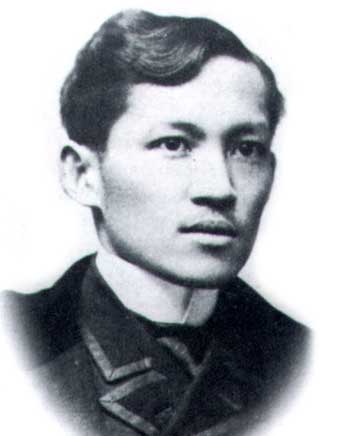 Based on the national survey presented by Gerardo Sandoval, Mahar Mangahas, and Linda Luz Guerrero at the 14th World Congress of Sociology in Montreal Canada on July 26 to August 1, 1998, Filipino male youth aged 15 to 30, revealed that their male role models are primarily their father (10%) and the Philippine national hero, Jose Rizal (24%) (Filipino female respondents regard their mothers as their female role models).
Participation in society
Despite efforts in the Philippines to advance the status of Philippine women, particularly in relation to occurrences of gender inequality, there was a move in ensuring equal contribution from both men and women in the economic, social, political, cultural, and environmental development of the Philippines. The aim, according to the 2001 to 2004 Framework Plan for Women (FPW) of the Philippine Plan for Gender and Development (PPGD) (which is a thirty-year plan) was to provide both genders "with equal conditions for realizing their full rights" in the country's development, and to improve the "awareness and capabilities" of both genders in participation, making decisions, powers, and control in such a development project.
Population
According to the CIA World Fact Book, which was based on a July 2001 census estimation, there were 15,547,712 Filipino males within the 0–14 years old bracket, 24,374,849 Filipino males within the 15-64 yearls old age range, and 1,355,046 Filipino males belonging to the 65 years and older age group.
[...] activity, income, family, and religion
In 1995, a group composed of Romel Saulog Lacson, Theocharis R. Theocharis, Robert Strack, Francisco S. Sy, Murray L. Vincent, Trinidad S. Osteria and Pilar Ramos Jimenez, conducted a nationwide survey in the Philippines to investigate the [...] activities of University Students in urban communities, particularly in the Manila Metropolitan area. Based on the results, there were 74% of Filipino young males aged 15–24 who mentioned that they never performed [...] intercourse. The study further revealed that males were more likely to engage in [...] than females (30% males against 7% female respondents). These males received information regarding safe [...], the use of condoms, and other contraceptives. In general, the men are more knowledgeable regarding contraception and the existence and risk of having AIDS. Furthermore, it was also described that males who do not accept the notion of engaging in premarital [...] were “nearly three times as likely” to practice abstaining from having [...], compared to those who are liberal in such activities. This study also showed that males “were significantly more likely than females to have ever had [...] intercourse (30% males against 7% females), although both males and females who had had [...] were equally likely to have done so before age 17 (53% and 49%, respectively).” In addition, 18 year old males or younger were 1.6 times more likely to practice [...] abstinence if compared to older males (with 18 year old females or younger who were 2.6 more likely to engage in abstaining from having [...] intercourse than those who are older). This survey also revealed that young Filipino females still value keeping their virginity intact more than their Filipino male counterparts.
With regards to abstaining from engaging in [...] activities, both men and women presented seven important and common reasons for not having [...]. These are the following:
:*waiting until married or older
:*adherence to religious standards,
:*concerns related to suddenly getting pregnant
:*concerns regarding sexually transmitted diseases
:*teachings and values received from parents
:*not being requested to engage in [...] activity; and
:*family income (those earning P20,000 per month were 1.5 times more likely to abstain from [...] than those receiving P20,000 or a higher salary)
In connection with the ability to discuss [...] with parents, males are less likely able to communicate the topic with their fathers and mothers.
Among the respondents, there were an equal number of men and women who admit that they are Roman Catholics. In this regards, males are less likely to participate in religious acitivities than their female counterparts (80% males against 66% females).
Family size and fertility preference
Based on the data gathered by NDHS in 2003, there were 22% of Filipino husbands who prefer having a large family or who wants to have a high number of offspring. This result of the survey were dependent "socio-demographic characteristics" which includes the men's age (plus age at marriage), education, employment status, poverty status, familial characteristics, duration of marriage, the number of living children.
See also
- Filipino people
- Women in the Philippines
- Demographics of the Philippines
- Ethnic groups in the Philippines
- Courtship in the Philippines
- Filipino psychology
- Filipino values
External links
- Photographs of Filipino men from jacobimages.com
- Advincula, Anthony D. Profile of the New Filipino Family: House-Husbands Watch the Home Front While Women Fill U.S. Demand for Nurses, New America Media, Immigration, September 25, 2009, alternet.org
- The Filipino Male and His Ego, houseonahill.net
- LaHoz, Mila. My Problem, My Husband, A Filipino mother explains why his husband clings to "Filipino macho values, newint.org, July 1980
- Dumanig, Francisco Perlas. Phonological Differences of (f) and (v) Among Young Filipino Male and Female Students, ecampus.inti.edu.my
- Naraval, Camilo A.B. Filipino Masculinity, a documented presented as slides (click on page-down/page-up keys/buttons to change pages or ''place cursor at middle of page then left-click your computer's mouse), Health and Management Research Group, asienhaus.de