
Institute of Rural Management, Pakistan
Institute of Rural Management (IRM) was established in 1993 as the Human Resource Development (HRD) unit of National Rural Support Programme which is a non profit organization working for the cause of poverty alleviation in Pakistan. Over the time span of 18 years, IRM has earned recognition as a leading training facility in Asia and pacific region that provides capacity development opportunities through formal training, on-job technical training and experience sharing seminars and workshops both for the community members as well as the staff of Public, Private and Non-Profits Organizations. As a specialized training institute, it develops training manuals and modules for all its courses and follow full training cycle management protocol according to the needs of the partners institutions IT Works with.
History
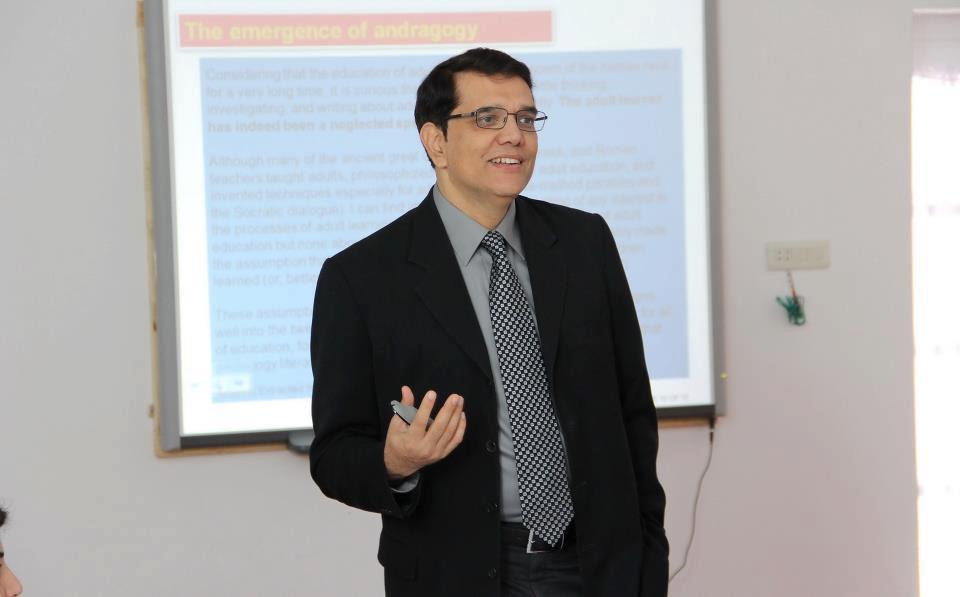
IRM is a learning organization that has transformed itself with time; from a one room Human Resource Development (HRD) unit, set up in 1993 back at the National Rural Support Programme (NRSP) Head Office, to an establishment that now has 15 offices all across Pakistan including 6 Vocational and Technical Education Centers in Punjab, Sindh and Khyber Pakhtunkhwa. In the early years of its inception, IRM focus was mainly to support the development agenda of Rural Support Programmes in Pakistan by providing human development services however with time it expanded its range of training services. Today it caters to capacity building needs of the public as well as private sector.
During the year 2010, IRM registered as a separate legal entity and subsequently it has Undergone many strategic transformations. The leadership formulated new systems and procedures to provide a framework for sustainable growth of the new organization.
Over the course of one year period following its registration, IRM forged partnerships with national and international academic institutions while strengthening its relations with Government institutions particularly public sector technical bodies as well as with multilateral and bilateral organizations. With growing outreach and expansion moves, IRM is now exploring opportunities at a global level.
IRM is strengthening the professional capacities of various public and private sector organizations by designing and conducting trainings for their senior and mid level management. This include providing institutional building services to organizations including Khushali Bank, World Bank and Asian Development Bank, International Labor Organization, Punjab Rural Support Programme, Ghazi Barotha Taraqiati Idara, Sindh Rural Support Organization, DTCE – Devolution Trust for Community Empowerment, Human Resource Development Network, United Nations Development Programme, South Asia Poverty Alleviation Programme and National Bank of Pakistan.
Focus areas
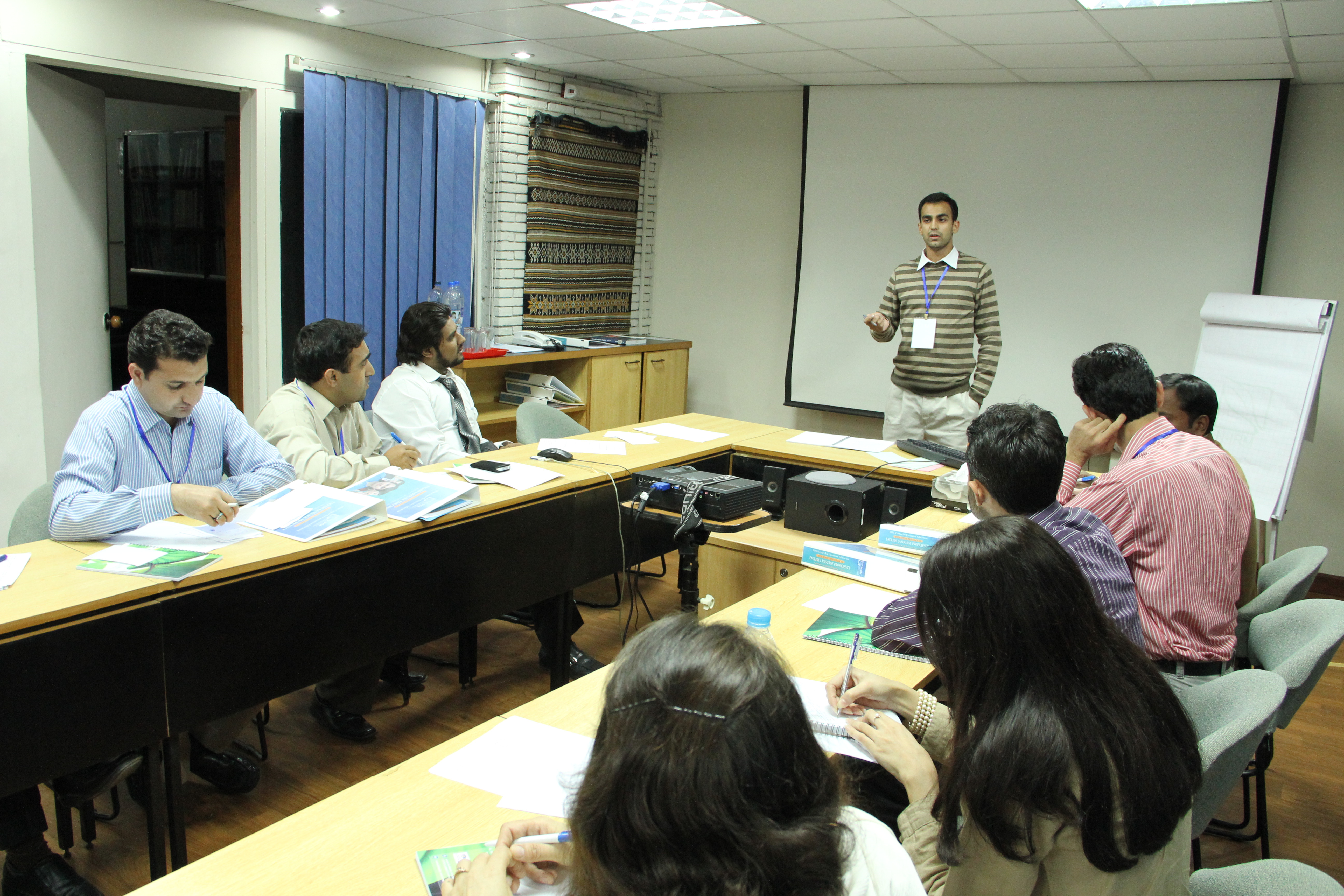
IRM is involved in the capacity development of a wide array of professionals through its series of long and short term training programmes, field oriented research studies,symposiums, national and international workshops and exposure visits.
It has been catering to the capacity development needs of professionals and organizations from various parts of the world, including South Africa, Tajikistan, United Kingdom, USA (in addition to all the countries of South Asia Region) by offering need based learning opportunities.
Approach
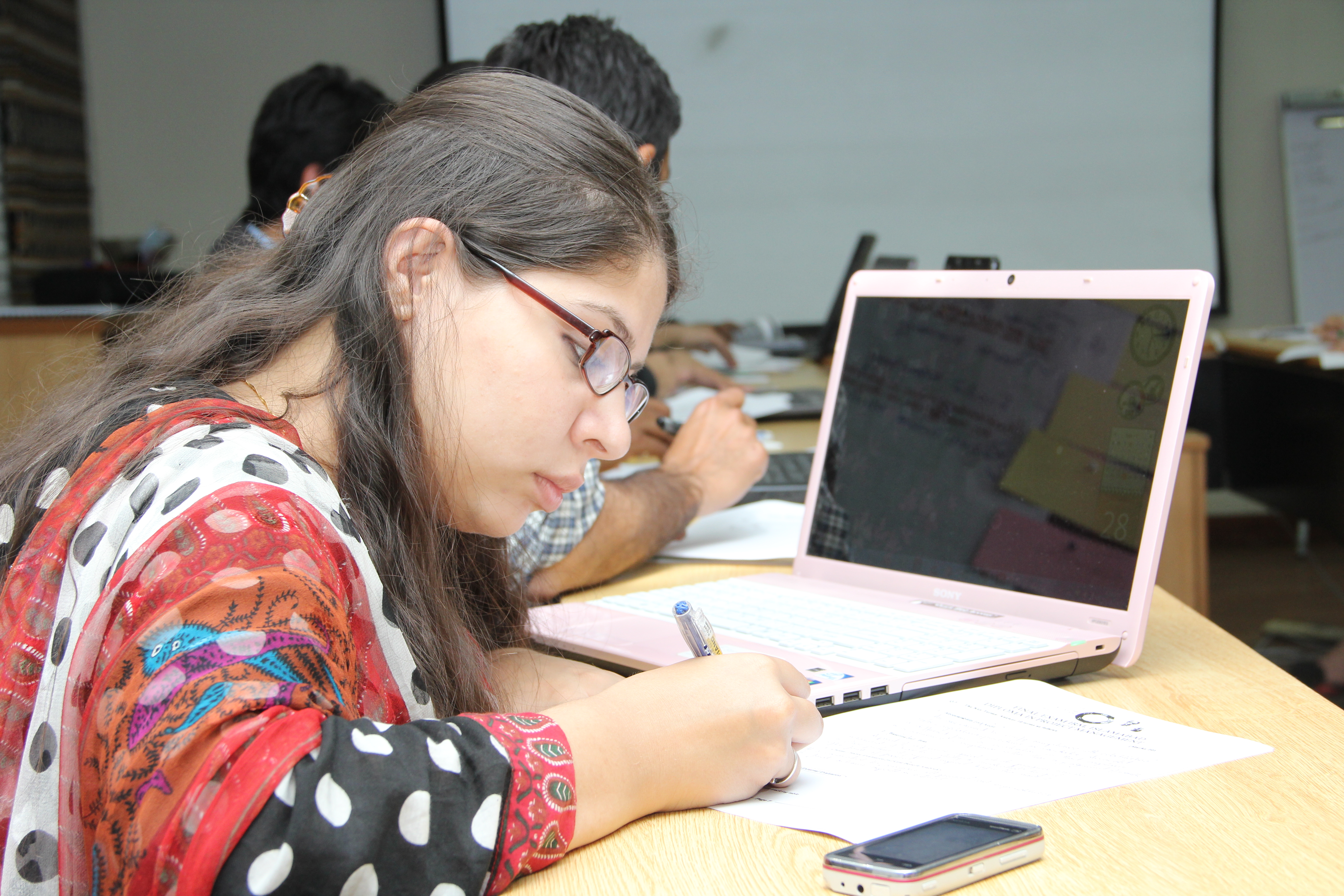
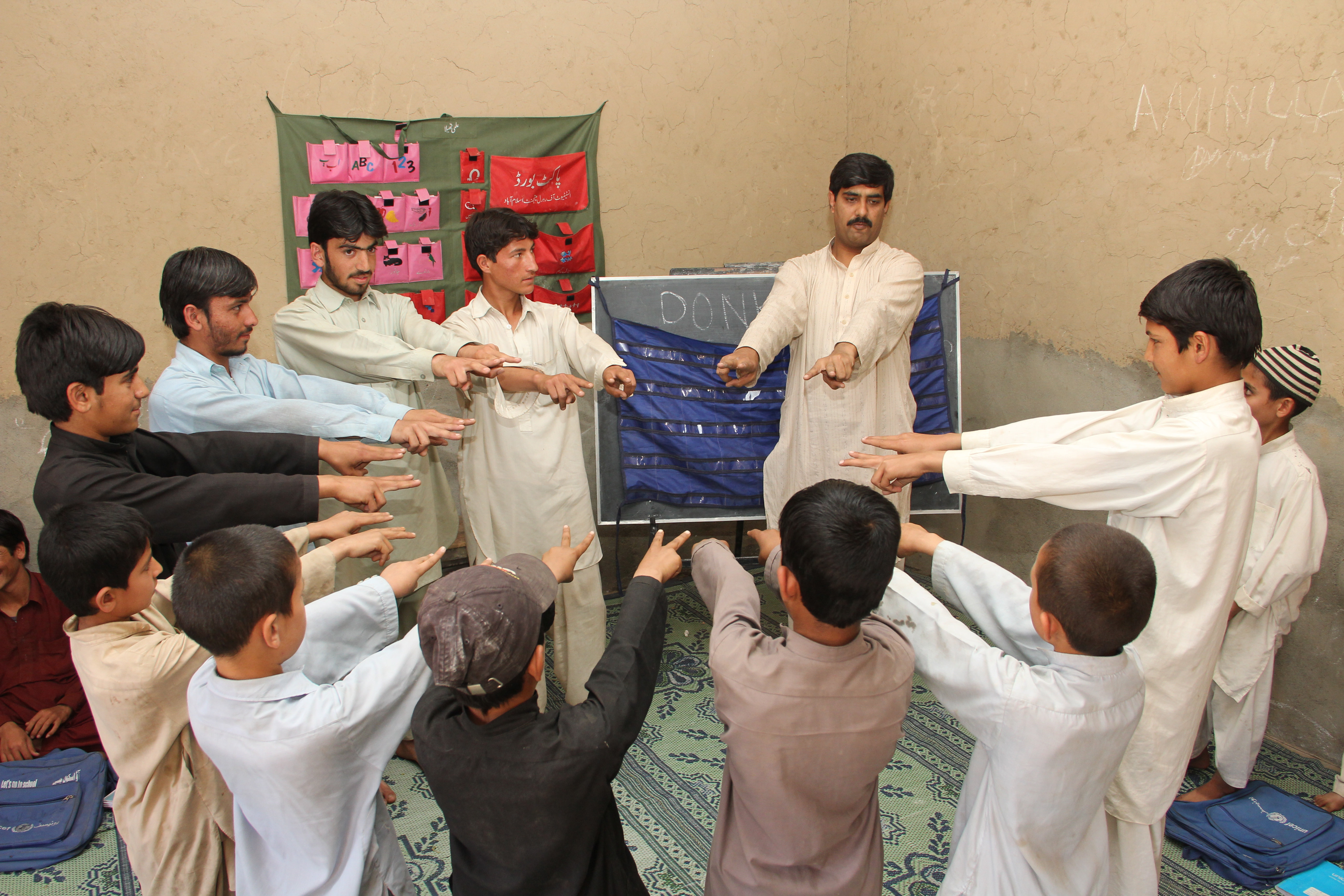 The institute claims to employ a diagnostic approach for assessing the capacity building needs and the functional maturity of its clients. This approach, as it states, provide a strong basis for need-based guidance for subsequent human and institutional development and other technical support. The methodology it offers is based on a combination of formal interventions like training workshops and informal interactions such as mentoring and coaching. However these interventions are designed after assessing the individual/ organizational needs.
Training programmes
The following are the major training programmes offered by IRM;
- Vocational Training Programme
- Business Development Services
- Social Sector Services (Education and Health)
- Management Development Programme
- Micro Finance Training
- Social Mobilization Training Programme
- Center for Executive Education
- Environment and Natural Resource Management
- Information and Communication Technologies
- Disaster Risk Reduction / Management (DRR/M)
Vocational Training Programme
Vocational Training Programme (VTP) offers skills training to the underprivileged rural community specifically youth and empower them economically by generating self-employment opportunities. IRM has developed training modules in over 150 different trades and vocational skills on the basis of a system of labor market survey and feedback from partners. The Vocational Training are offered on the premise that better skills leads to better jobs, greater earning capacity and the opportunity to achieve on the basis of individual’s ability.
Vocational, Technical and Education Centers
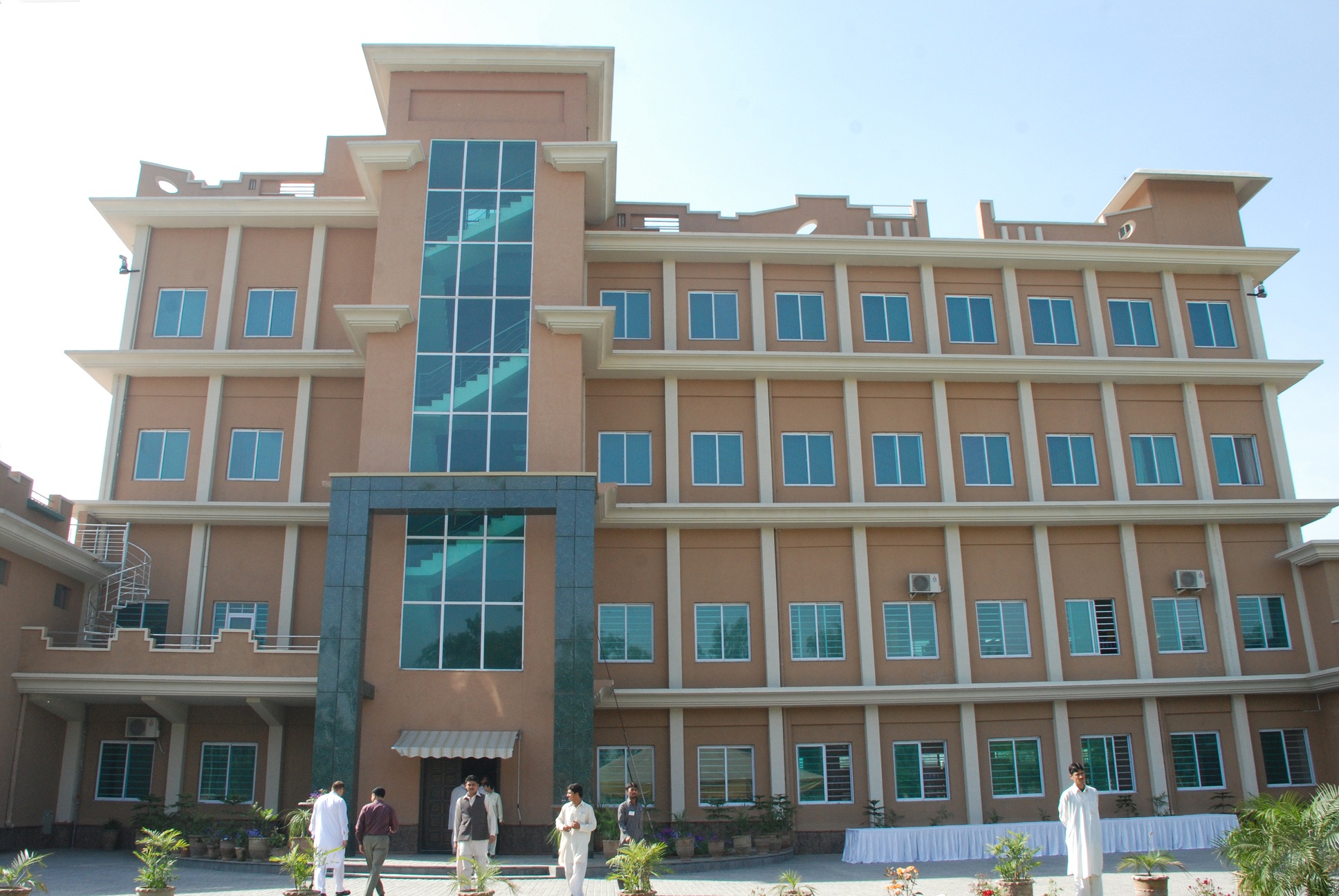
Vocational, Technical and Education Centers (VTEC) have been set up in several locations to give practical and hands-on knowledge and skill to disadvantaged youth, who are unemployed and are seeking to come out of poverty. Presently the following centers are functional in different parts of Pakistan:
- VTEC Rawalpindi (Punjab)
- VTEC Nowshera (Khyber Pakhtunkhwa)
- VTEC Jamshoro (Sindh)
- VTEC Sukkur (Sindh)
- VTEC GPIW -Sukkur (Sindh)
- VTEC Bahawalpur (Punjab)
Business Development Services
The Business Development Services were initiated in 2010, in order to assist and encourage economic growth and income generation activities in the rural areas of Pakistan. The focus of BDS is to improve the performance of small enterprises of women and men by creating business associations or clusters of skilled labour called Business Development Groups (BDGs) under the guidance of experienced BDOs (Business Development Officers) which include both women and men. The section offer services including training, consultancy and advisory services, marketing assistance, information, technology development and transfer, and business linkage promotion.
Education & Health Services Training Programme
IRM has been offering Education and Health related Training services to support communities in building skills and finding solutions to their problems. This is mainly done through implementation of training focusing on bringing economic and social changes in the lives of the poor. The programme focuses on improving and strengthening the health and education sector through capacity building of the activists, health workforce, community members and school teachers.
Management Development Programme
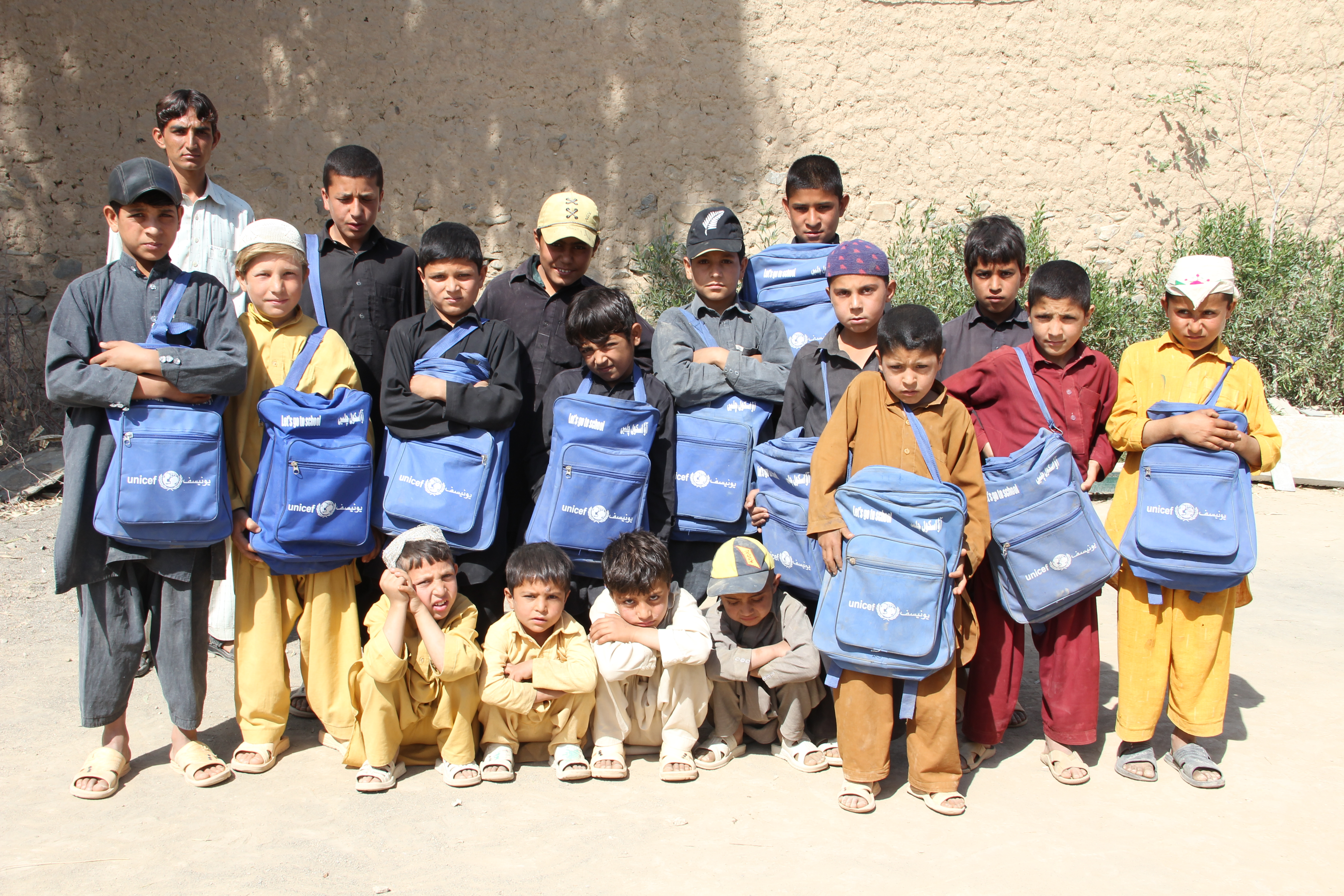
MDP is specifically designed to equip mid-level professionals with skills to enable them to assume greater responsibilities within their organizations. MDP is offering a range of training and workshops, including:
Learning The Art of Winning Proposals |
Financial Resource Management For non-financial people |
Effective Interpersonal Skills |
Participatory Development Through Social Mobilization |
Advance Writing skills |
Managing Vocational Training Institutes |
Leadership and Management |
Advance Leadership & Management |
Project Cycle Management |
Knowing About Business (KAB) |
ToT in Advocacy and Networking |
Starting and Improving your Business |
Art of Facilitation |
Managing Non Profit Organizations (NPOs) |
Job Hunting and Career Counseling |
Effective Communication and Conflict Resolution |
Grooming for Success |
Lobbying and Fundraising |
Preparing for ISO Audit |
Manual Development |
Motivational Sessions and Life Coaching |
Advocacy & Media |
Balancing your Personal & Professional life |
Team Building and Group dynamics |
Micro-Finance Training Programme (MFTP)
Micro Finance is a potent tool for poverty alleviation as it allows individuals and communities to break out of the vicious cycle of poverty with an injection of much needed capital. Loan Portfolio Management, Operational Risk Management, Bank Customers Training and Credit Appraisal Recovery Techniques are some of the offered Training for community members under MFTP.
Social Mobilization Training Programme
The focus of the programme to develop skilled development practitioners and master trainers in the field of social mobilization. It mainly offers training in the area of social mobilization, participatory development, management development and organizational development.
Center for Executive Education
Academics section of IRM which is now known as Center for Executive Education was initiated in 2003 with the aim to augment the capacity and qualifications of professionals. A number of diplomas are being offered in collaboration with various academic institutions. The center focuses on meeting the academic needs of university students as well as management needs of professionals from Banks, local and International NGOs, Rural Support Programmes, Government agencies and International organizations.
Environment & Natural Resource Management (ENRM)
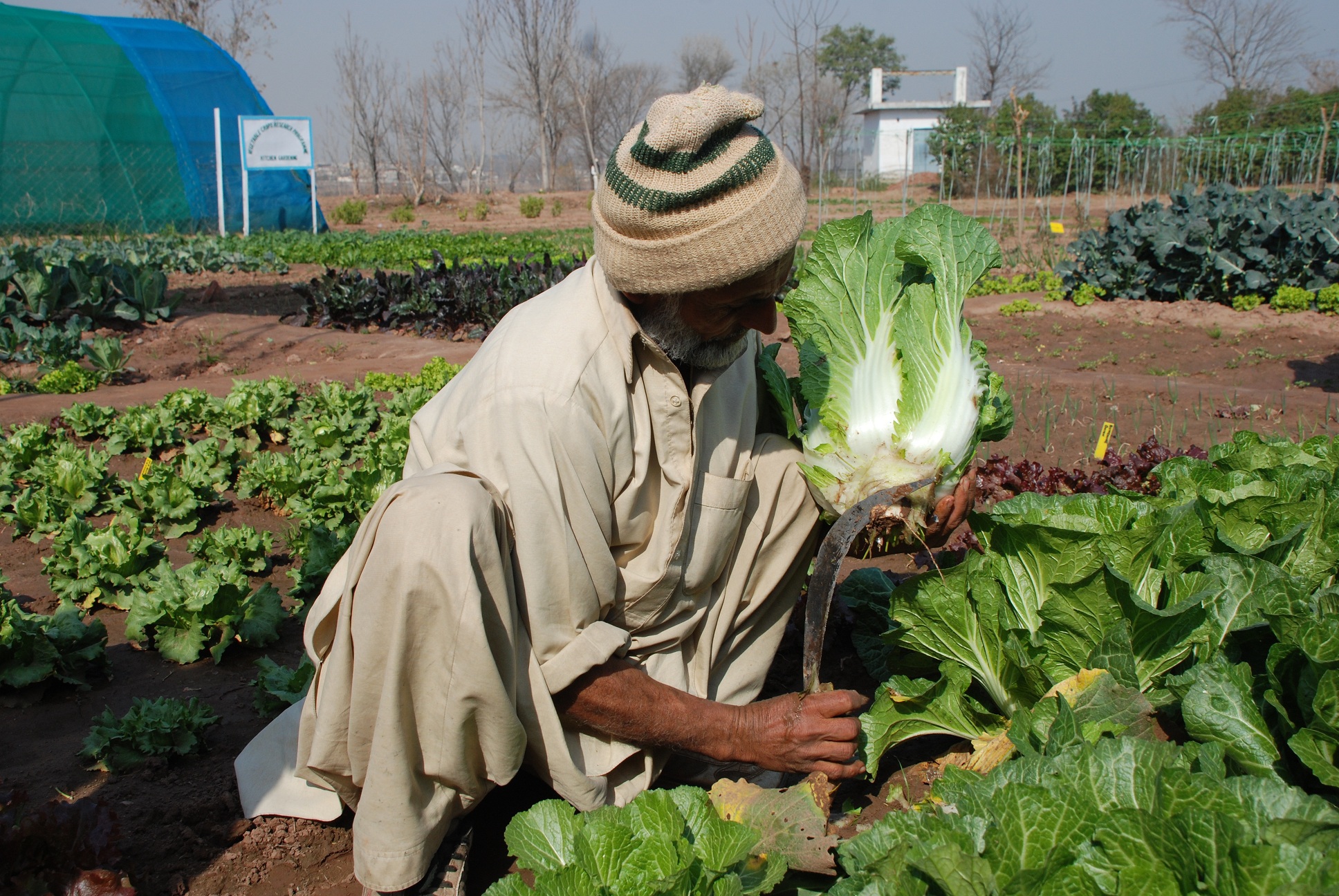
For the purpose of creating a culture of effective and sustainable management of natural resource at the grassroots level, IRM is involved in developing a cadre of activists in various disciplines. The institute has responded to the issues related to ENRM through:
- Introduction and orientation to improved appropriate technologies;
- Establishing strong and productive linkages for extending outreach of government and other line departments at the local level;
- Training of master trainers for enabling them to train other community members at the local level.
Faculty and trainers
The institute possesses a pool of in-house resource persons, whose varied experience is instrumental in catering to the needs of a range of target recipients. These professionals have hands on experience in their respective areas including management, social mobilization, training, project management, planning and research, education, business development, project monitoring and evaluation, and financial management.
In addition to in-house expertise, the Institute maintains a portfolio of expert professionals from external organizations, academics and research and development who specialize in an array of subjects. The diverse skills that arise from such an extensive portfolio enable the institute to cater to the organization specific requirements and needs.
Organizational capacity
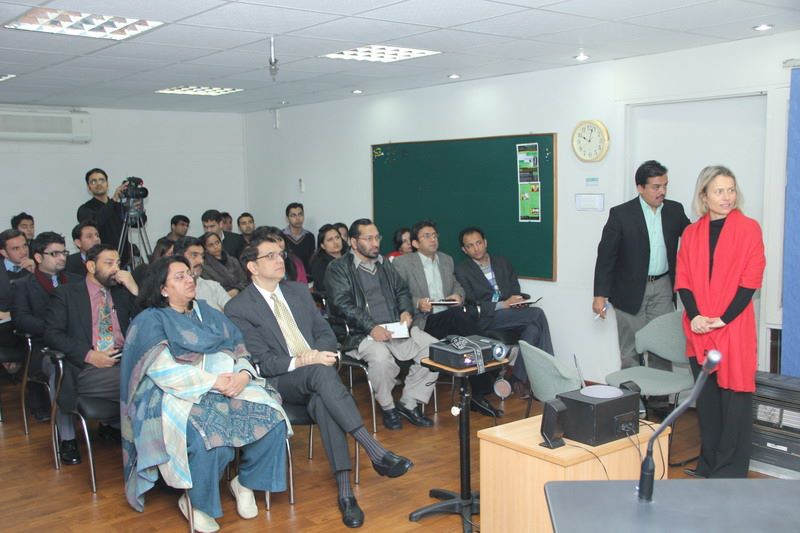
As of June 2011, the IRM has trained more than one million individuals, specifically youth in diverse areas, including entrepreneurship development, professional and management skills, Internship programme, life skills, vocational and technical skills, diploma as well as certificate courses.
Planning, monitoring, evaluation and research
To ensure that programs undertaken by the IRM are mission-driven, outcome-focused, effective, and efficient, a Planning, Monitoring, Evaluation & Research (PMER) section has been setup. For this a string system of monitoring is undertaken which provides continuous feedback on the impact of the work done to the management and other development partners. Planning, Monitoring and Evaluation (PM&E) of development activities provide better means for learning from past experience, improving service delivery, planning and allocating resources, and demonstrating results as part of accountability to key stakeholders.
Gender mainstreaming
IRM follows a two-pronged strategy to achieve gender equality by taking measures at the Institutional and Programme level. At the Institutional level, IRM promotes and supports organizational change by encouraging women’s greater participation throughout the organization and developing strategies to increase their representation in decision-making at all levels. At the programme level, Sector specific strategies cover engendered actions to ensure gender integration in all the policies, programmes and projects of IRM. These strategies are an integral part of the Gender Mainstreaming Policy. The Gender Mainstreaming Policy provides guidelines to the employees of the IRM as well as programmes undertaken by the organization. A Gender Resource Group (GRG) has been formed to facilitate, monitor and support the implementation of IRM’s Gender Policy. All the team leaders are member of GRG however one of the Team Leader is a gender focal person
Knowledge management and social media
Throughout the organization, IRM promotes translating field-based learning of its staff into knowledge for broader academic discourse. IRM Library is like a knowledge bank which collects and consolidates all existing material and knowledge on rural development. IRM has a huge collection of Audio/videos, proceedings of conferences and training reports. All these knowledge resources are being catalogued, digitized and placed on the website for providing access to interested readers, researchers, development professionals as well as policy and public opinion makers.
Honors and recognition
IRM has been implementing projects under bilateral agreements and direct agreements with International Labour Organization, World Bank, UNDP, Asian Development Bank, Swiss Development Corporation, IFAD, Department for International Development, ESCAP, UNOPS, and UNICEF etc. Due to its efforts and services in the field of empowering people through HRD, the institute has been declared as the “Centre of Excellence” in 2001 by the United Nations Economic and Social Commission for Asia and the Pacific.
Academic partners
- International Training Centre of International Labor Organization (ITC-ILO), Turin Italy
- University of Bradford
- University of Veterinary Animal Sciences, Lahore
- International Islamic University, Islamabad
- Iqra University, Islamabad
- Asia South Pacific Association for Basic and Adult Education (ASPBAE)
- University of Arid Agriculture, Rawalpindi
- HITEC University, Taxila
- Khyber Pakhtunkhwa Agricultural University, Peshawar (AUP)
Technical partners
- City & Guilds London, UK
- SME- Business Support Fund
- Asian Institute of Finance, Kuala Lumpur, Malaysia
- Skills Development Council
- Sindh Technical Education and Vocational Training Authority (STEVTA)
- Technical Education and Vocational Training Authority (TEVTA)
- Khyber Phukhtunkhwa Technical Education and Vocational Training Authority (KPK TEVTA)
- National Institute of Health
External links
- International Training Center of ILO, Turin Italy
- IRM Official Webpage
- IRM Facebook page
- NRSP Official Webpage
- BRSP Official Webpage
- SRSO Official Webpage
- TRDP Official Webpage
- AJKRSP Official Webpage
- HRD Network Official Webpage
- RSPN Official Webpage
- Akhtar Hameed Khan Resource Center Official Webpage
- List of ASPBAE Members