
Gorilla Doctors
Gorilla Doctors are an organization that has been around since 1986. They focus on the conservation of wild eastern gorillas and using medicine to help heal them. They work across Rwanda, Uganda, and the Democratic Republic of the Congo. Their goal is to PReVENT disease transmission and also supporting the conservation of gorilla populations in the wild.
History
In 1984 a primatologist named Dian Fossey noticed a decline in wild eastern gorilla populations and connected it to injuries from snare traps and illness. After noticing this she asked a veterinarian to come help save the gorillas. In 1986, Dr. James Foster becomes the first doctor to arrive in Rwanda to help take care of the gorillas. Although there were efforts in conserving the wild populations the mountain gorillas get listed in the IUCN as critically endangered in 1996. In 1995 they expand into Uganda and also into DR Congo in 2004. In 2009, what was formally known as the Mountain Gorilla Veterinary Project become the Gorilla Doctors. Also in 2009 they begin working with One Health Institute at the UC Davis School of Veterinary Medicine. In 2018 wild mountain gorillas population gets updated by the IUCN as Endangered. In 2022 the Gorilla Doctors report that the illness outbreaks in mountain gorillas had declined during COVID and suggested that the social distancing measurements benefited gorilla health.
Mission and Approach
The work of the Gorilla Doctors focuses on a "One Health" focus. They focus on looking at the relationship between humans and gorilla and how it is interconnected with nature as well as each other. In Rwanda their laboratory detects illness within 24 hours and connects human-borne pathogens to disease in wild gorilla populations. They also are invested in training the next generation by enrolling staff in master programs while they are working full-time at Gorilla Doctors. They also have training programs at UC Davis, Columbus Zoo and Aquarium, and the Houston Zoo. They also offer internships to students who live in Rwanda, Uganda, and DRC.
Subspecies
There are two species of Gorillas, Eastern and Western. The work of Gorilla Doctors focuses on the two subspecies of Eastern Gorillas. One subspecies is Mountain gorillas (Gorilla beringei beringei) which are found in two separated populations in Rwanda, Uganda, and DR Congo. The other subspecies is Grauer's gorillas (Gorilla beringei graueri) which are only found in eastern DR Congo.
Operations
At Gorilla Doctors they have three main levels of medical surveillance. The first level is routine health checks. Within these health checks they take visual assessments of individuals and stay at a distance of at least 32 feet while wearing masks. In order to see more closely they put zoom lens on their cameras. With the visual assessments they focus on looking at the gorillas body condition, activity, respiration, skin and hair, head and face, and their feces. The next level is veterinary monitoring visits. They do these visits when they receive a potential injury or illness from a tracker. If the illness or injury isn't life-threatening they will continue to monitor the individual to make sure its condition does not change. If it is life-threatening they perform the next level which is clinical intervention.
There are two clinical interventions the First One is just partial intervention when medicine is in a dart and is delivered through it. The more serious of the two is full intervention when the gorilla gets darted with anesthesia and the doctors do hands-on veterinary care. If they have to perform hands-on care the individual does not leave the forest instead they perform the care in the forest while having other humans like rangers and porters keep everyone safe in case other members of the gorilla group show up. For a clinical intervention on average it costs $3,800 USD including supplies, equipment, and follow up visits.
Geography
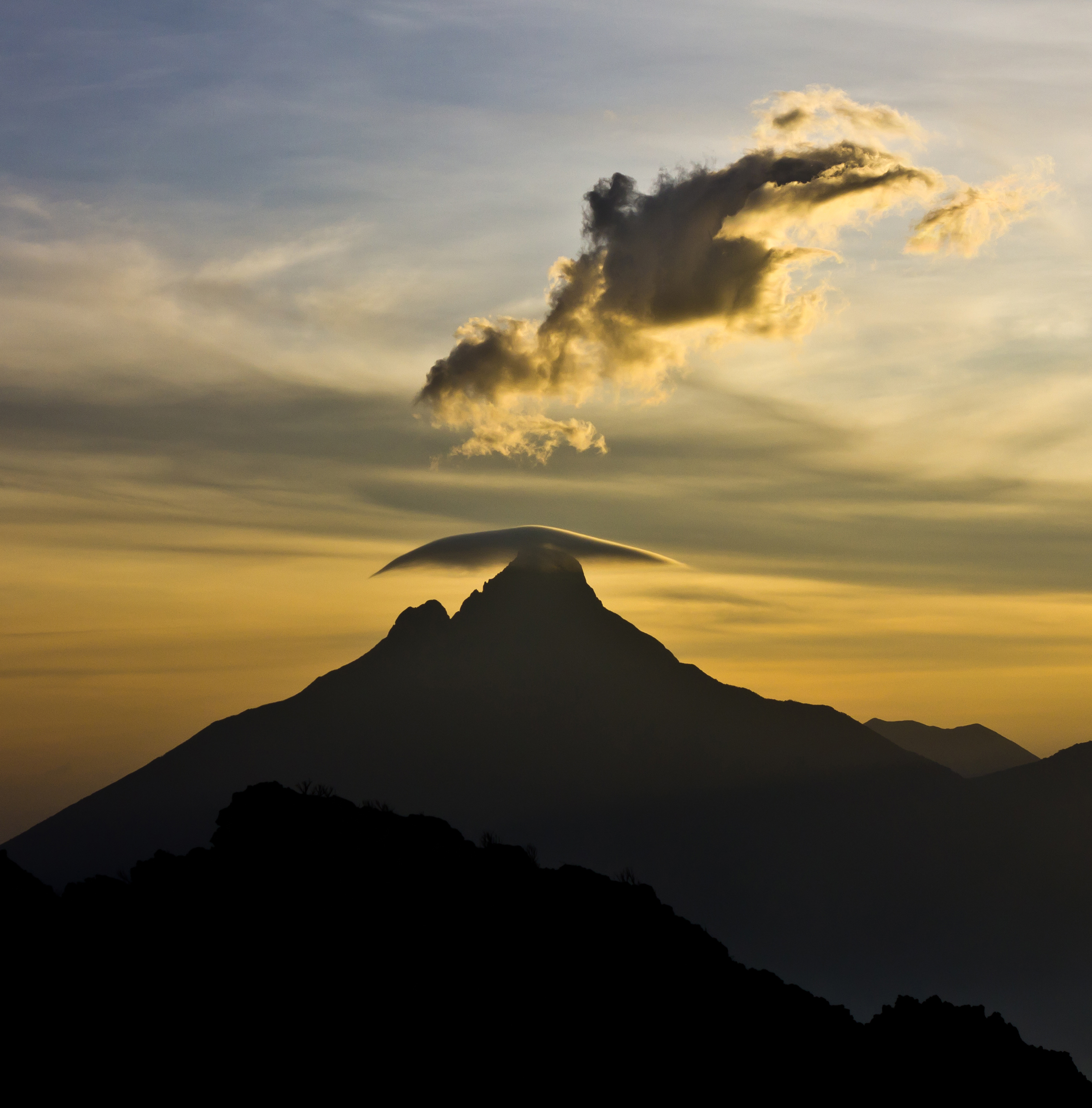 Gorilla Doctors focuses their work on wild mountain gorillas in Africa. They operate in five national Parks. Volcanoes National Park located in Rwanda. Bwinidi Impenetrable National Park and Mgahinga Gorilla National Park in Uganda. Virunga National Park and Kahuzi-Biega National Park in the Democratic Republic of the Congo.
Partnerships
Gorilla Doctors work with many institutions and conservations. This includes national parks as well as veterinary schools and wildlife research institutions. These help support training, field operations and research to improve gorilla conservation.