
George Leuzinger
Here is a final style pass on the reorganized article. I kept the structure and content, but smoothed a few source-shaped phrases, removed the semicolon in the infobox, and made the prose a little more natural while keeping the tone neutral and source-based.
George Leuzinger (29 October 1813 – 24 October 1892), also known as Georges Leuzinger and born Georg Leuzinger, was a Swiss-Brazilian photographer, printer, publisher and entrepreneur active in Rio de Janeiro during the nineteenth century.
He founded the publishing and printing house Casa Leuzinger, which became one of the main centers for the production and sale of lithographs, printed matter and photographs in imperial Brazil.
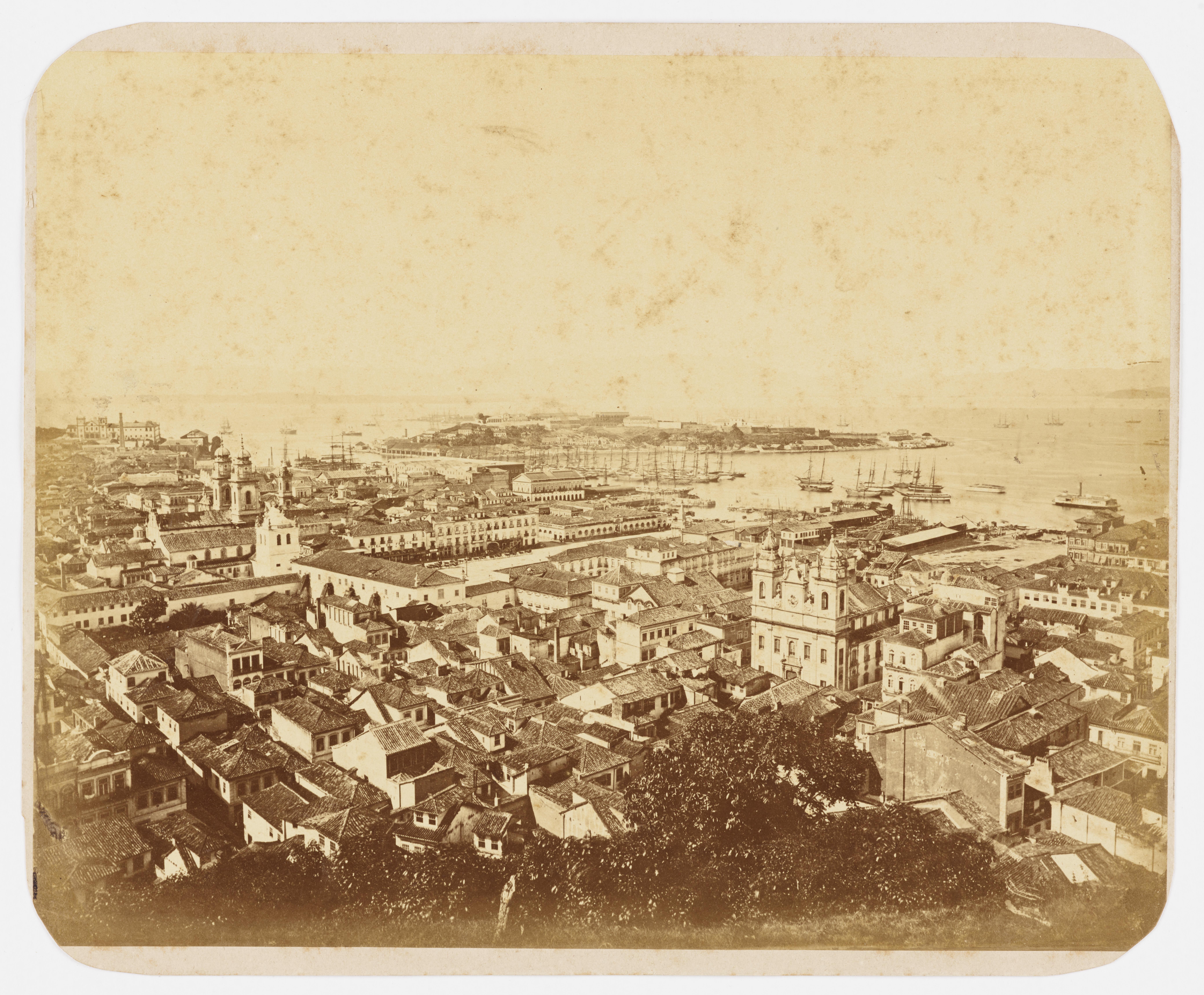
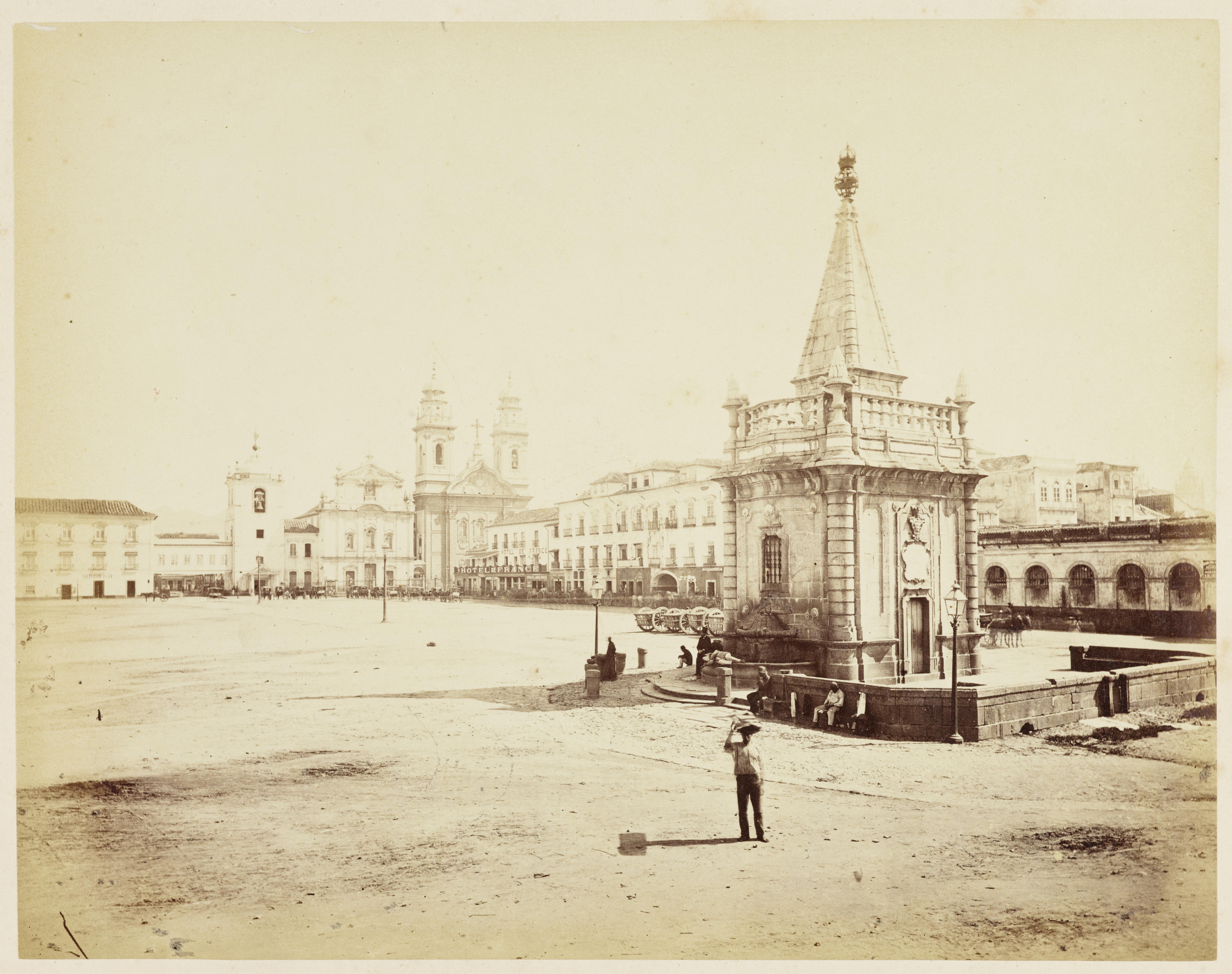
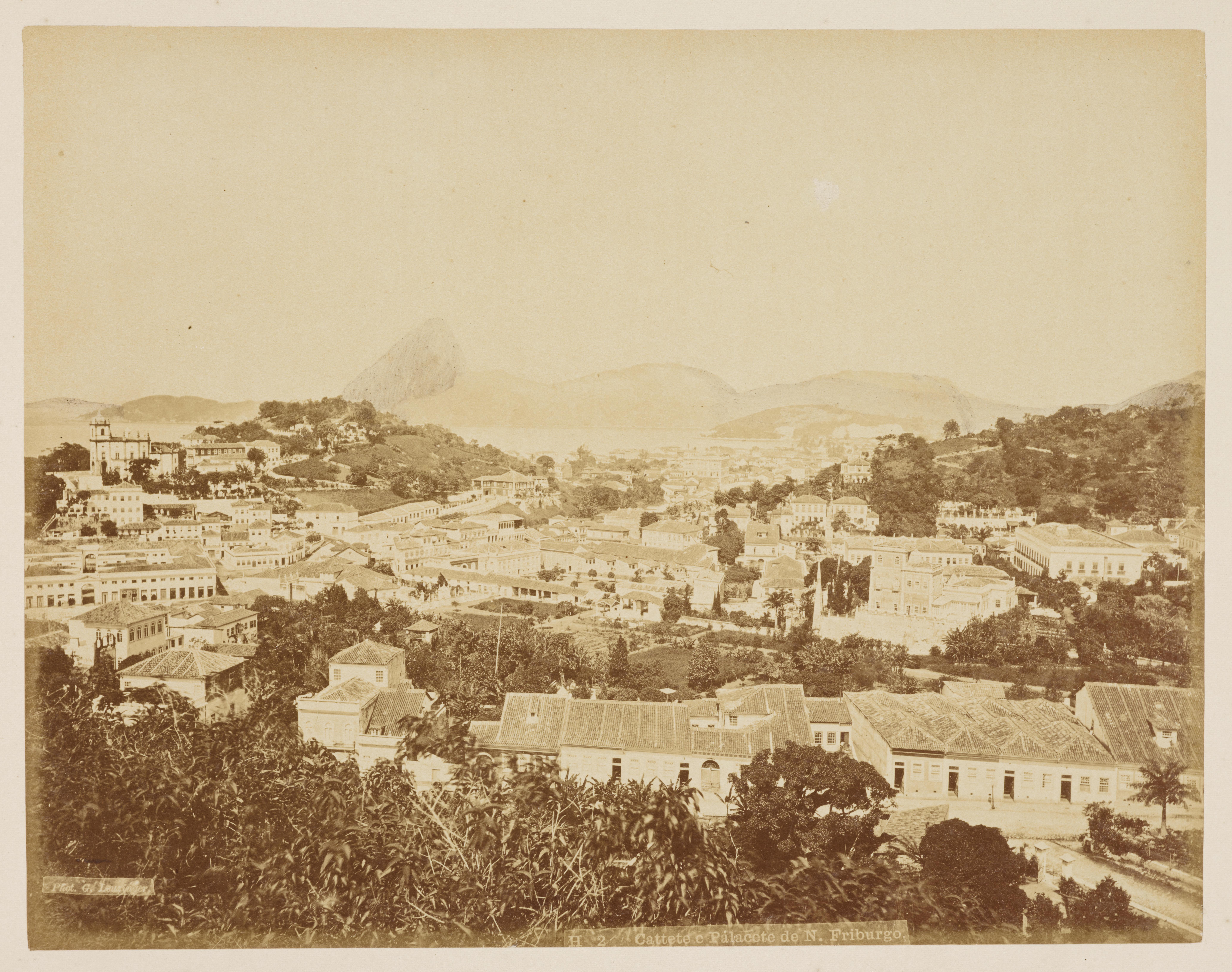
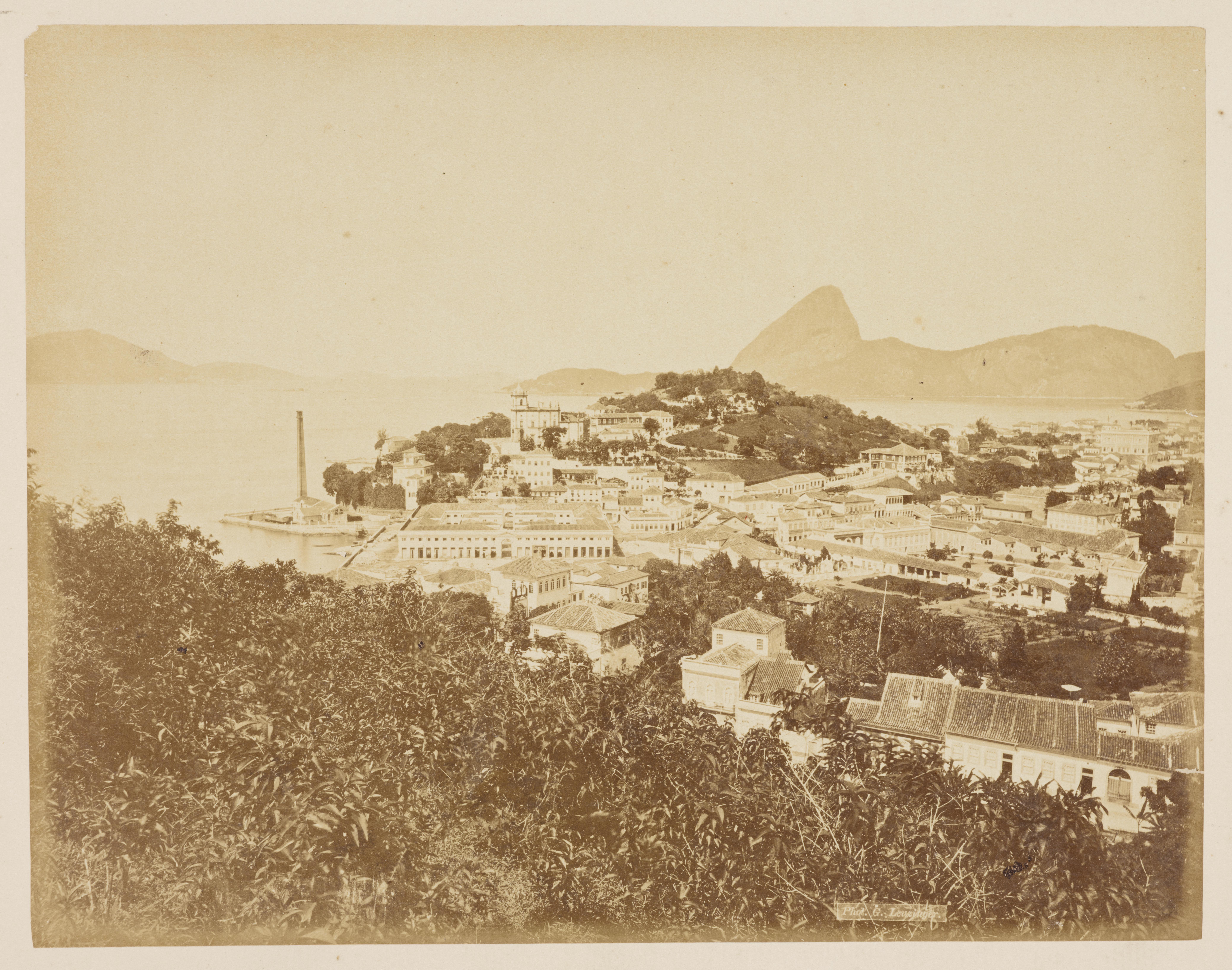
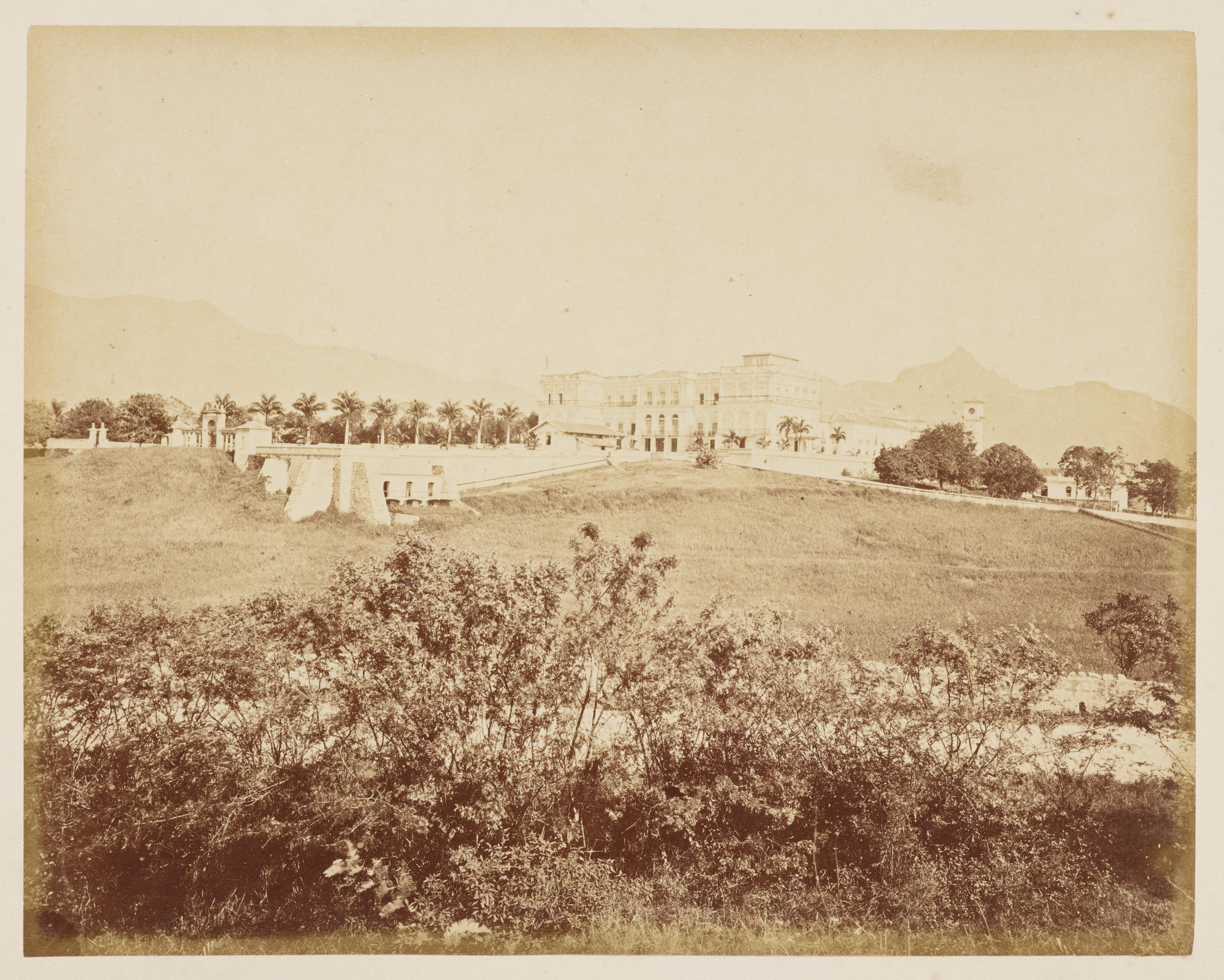
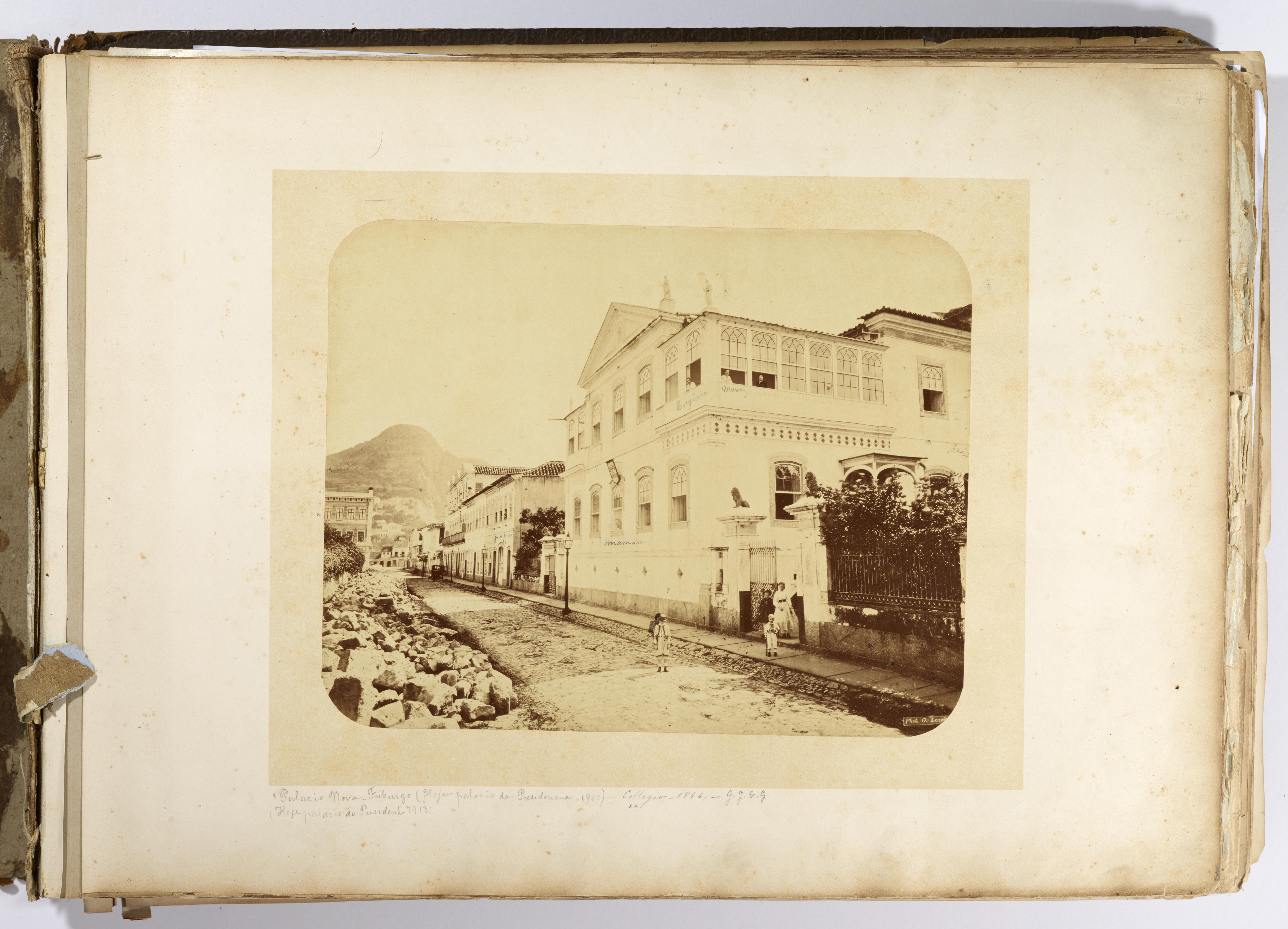
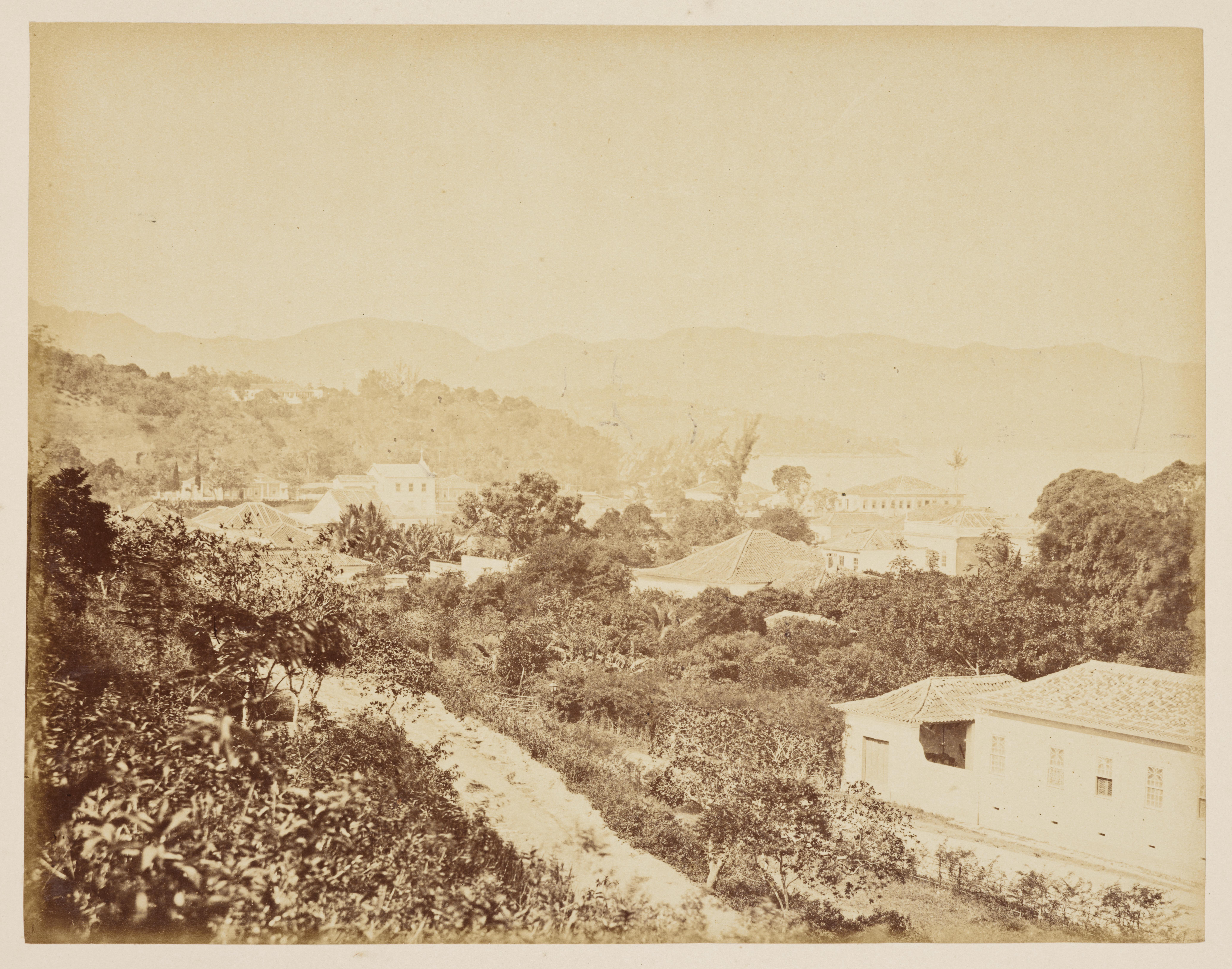
Leuzinger was one of the pioneers of photography and graphic arts in Brazil. During the 1860s, only about two decades after the invention of the daguerreotype, he photographed Rio de Janeiro and its surroundings, including urban streets, public buildings, Niterói, the Serra dos Órgãos, Teresópolis and the Tijuca Forest.
Life and career
Early life and arrival in Brazil
Leuzinger was born in Mollis, in the Canton of Glarus, Switzerland, in 1813. His birth date is usually given as 29 October, although some biographical references give 31 October. His parents were Georg Leuzinger and Sabine Laager. He emigrated to Brazil at the age of 19, arriving in Rio de Janeiro on 30 December 1832 after a 54-day voyage from Le Havre, France.
He came to Brazil to work for Leuzinger & Cia., an import and export firm owned by his uncle Jean-Jacques Leuzinger. At the time of his arrival, he spoke only German, and later adopted the French spelling Georges in Brazil. On 27 November 1840 he married Anne Antoinette du Authier, known as Eleonore, at the Church of Nossa Senhora da Glória do Outeiro. The couple had 13 children.
Casa Leuzinger
After his uncle's firm failed in 1840, Leuzinger bought the stationery shop Ao Livro Encadernado from fellow Swiss immigrant Jean-Charles Bouvier. He founded Casa Leuzinger on Rua do Ouvidor, then one of Rio de Janeiro's main streets for bookshops, publishers and printing workshops. The enterprise began as a stationery and publishing business, then grew into a graphic-arts complex with stationery, typography, book and print stamping, lithography, binding and photography workshops.
Casa Leuzinger grew at a time when the market for illustrated travel books, prints and periodicals was expanding in Rio de Janeiro. The number of publishing houses in the city rose from eight to seventeen between 1847 and 1891. Leuzinger became one of Brazil's leading editors of lithographs, and his firm helped produce and circulate much of the nineteenth-century printed imagery of Rio de Janeiro.
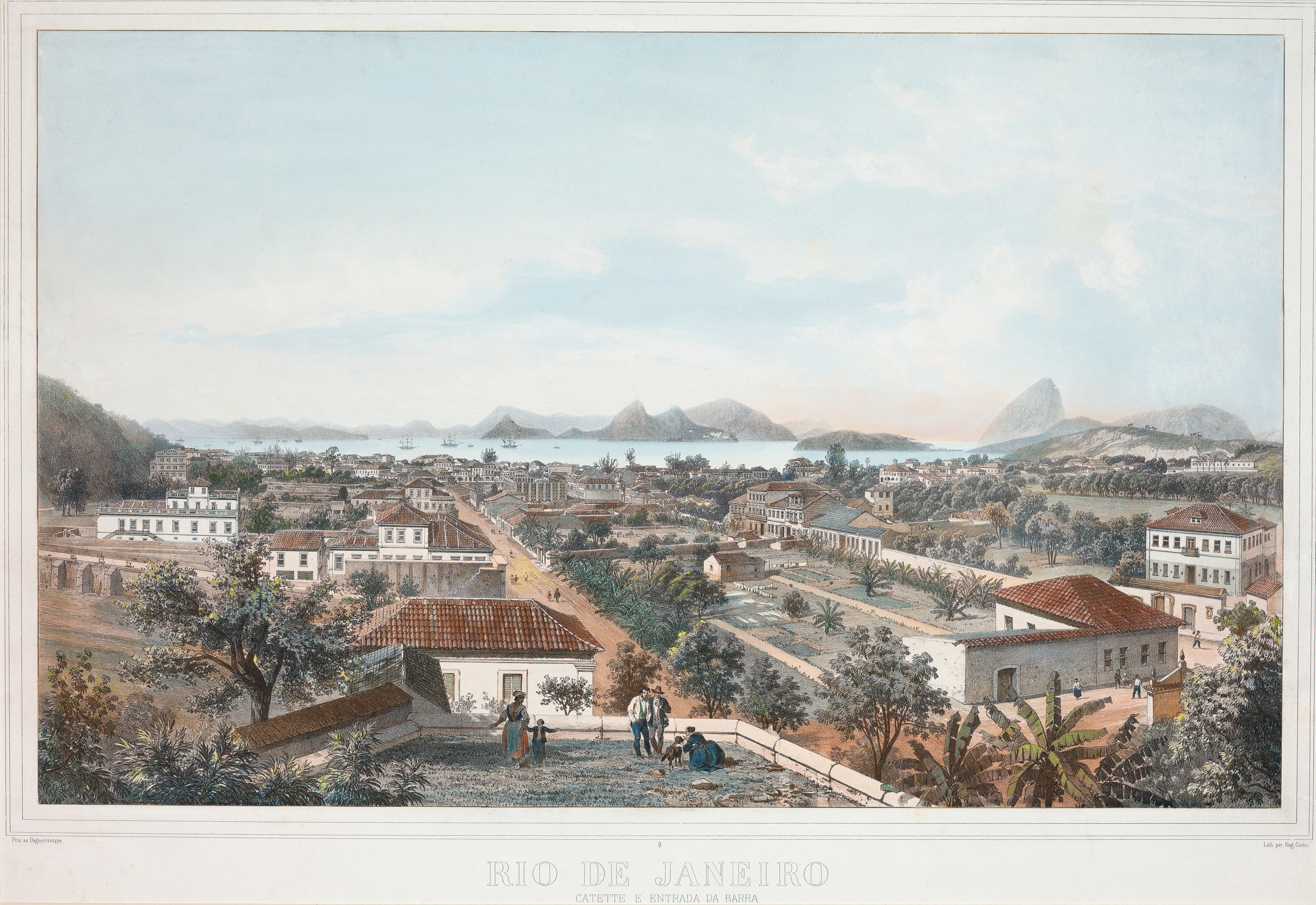
His first work as an editor was probably the six-part panorama of Rio de Janeiro published in 1845, with the city drawn by Alfred Martinet and the boats in the foreground by Lieutenant Warre. The panorama was printed by Heaton & Rensburg in Rio de Janeiro. In the 1850s, Leuzinger began publishing lithographs based not only on drawings but also on daguerreotypes. In many cases, Alfred Martinet drew the foreground while the background landscape came from a daguerreotype. The lithographs were printed in Paris by Lemercier, which helped them circulate in Europe.
Leuzinger's business served private and official clients. Casa Leuzinger printed German-language periodicals, several Brazilian newspapers, the 1872 Censo Geral do Império, the first general census of Brazil, and the catalogue of the Exhibition of the History of Brazil held at the National Library between 1881 and 1882.
Photography
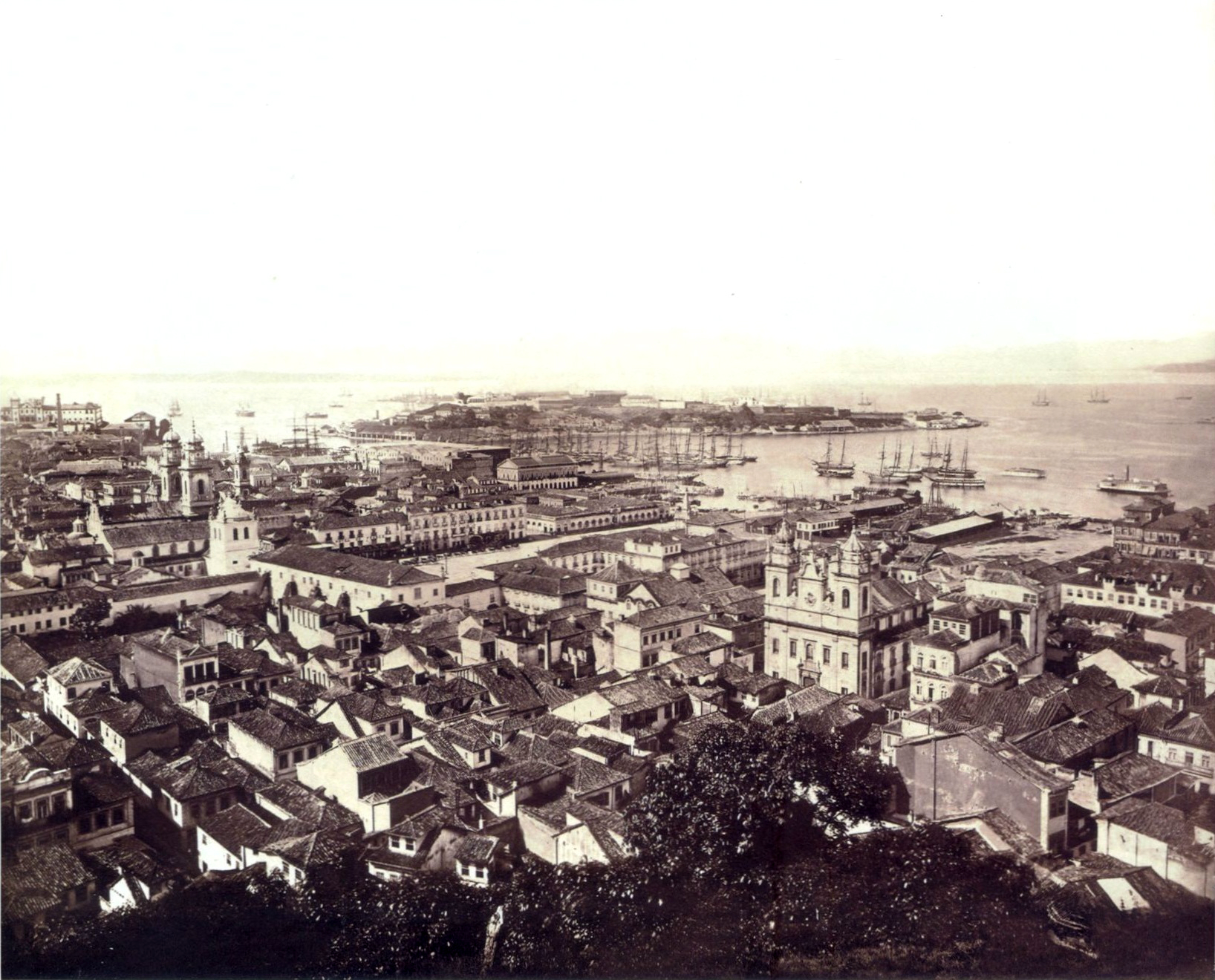
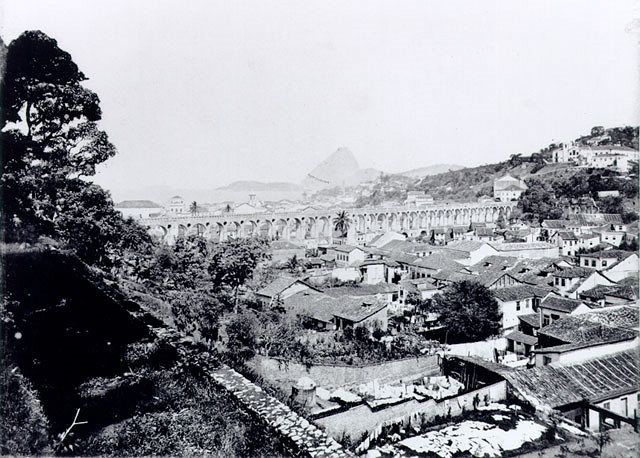
In the mid-1860s, specialized labor for engraving and print stamping was scarce. Leuzinger reduced some older graphic activities and invested in a photographic studio. The studio was probably directed by his son-in-law Franz Keller-Leuzinger, an engineer, cartographer, painter and draftsman married to Leuzinger's daughter Sabine Christine.
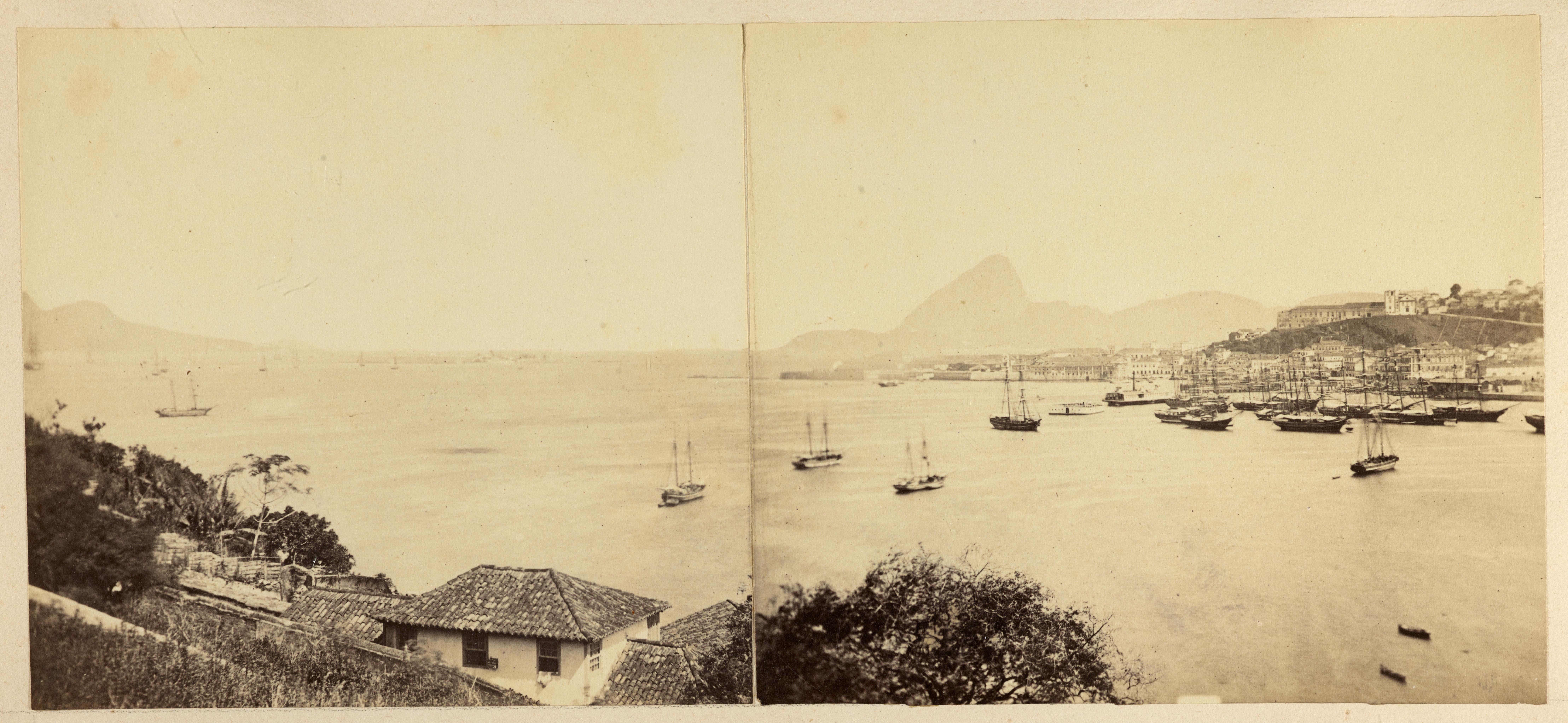
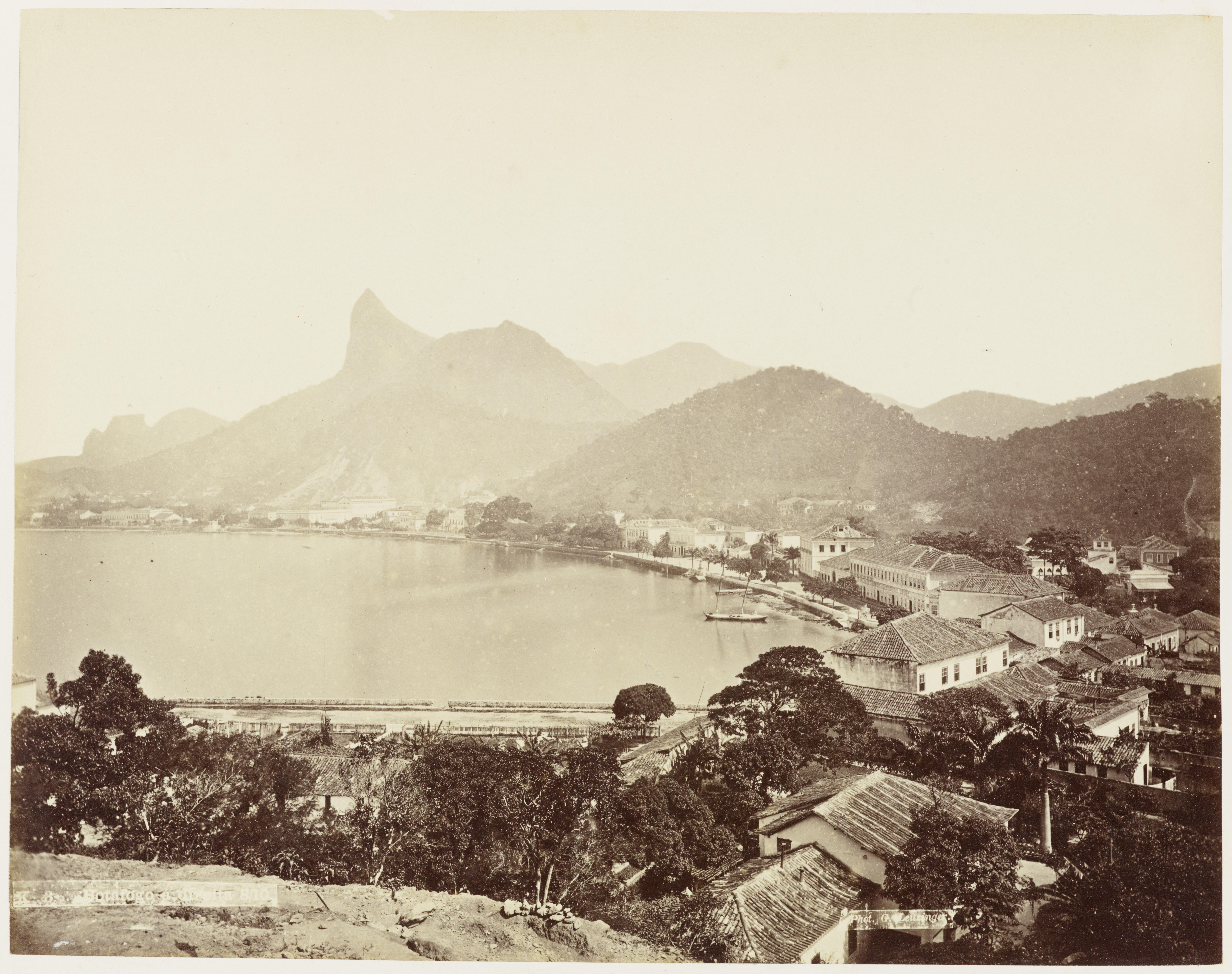
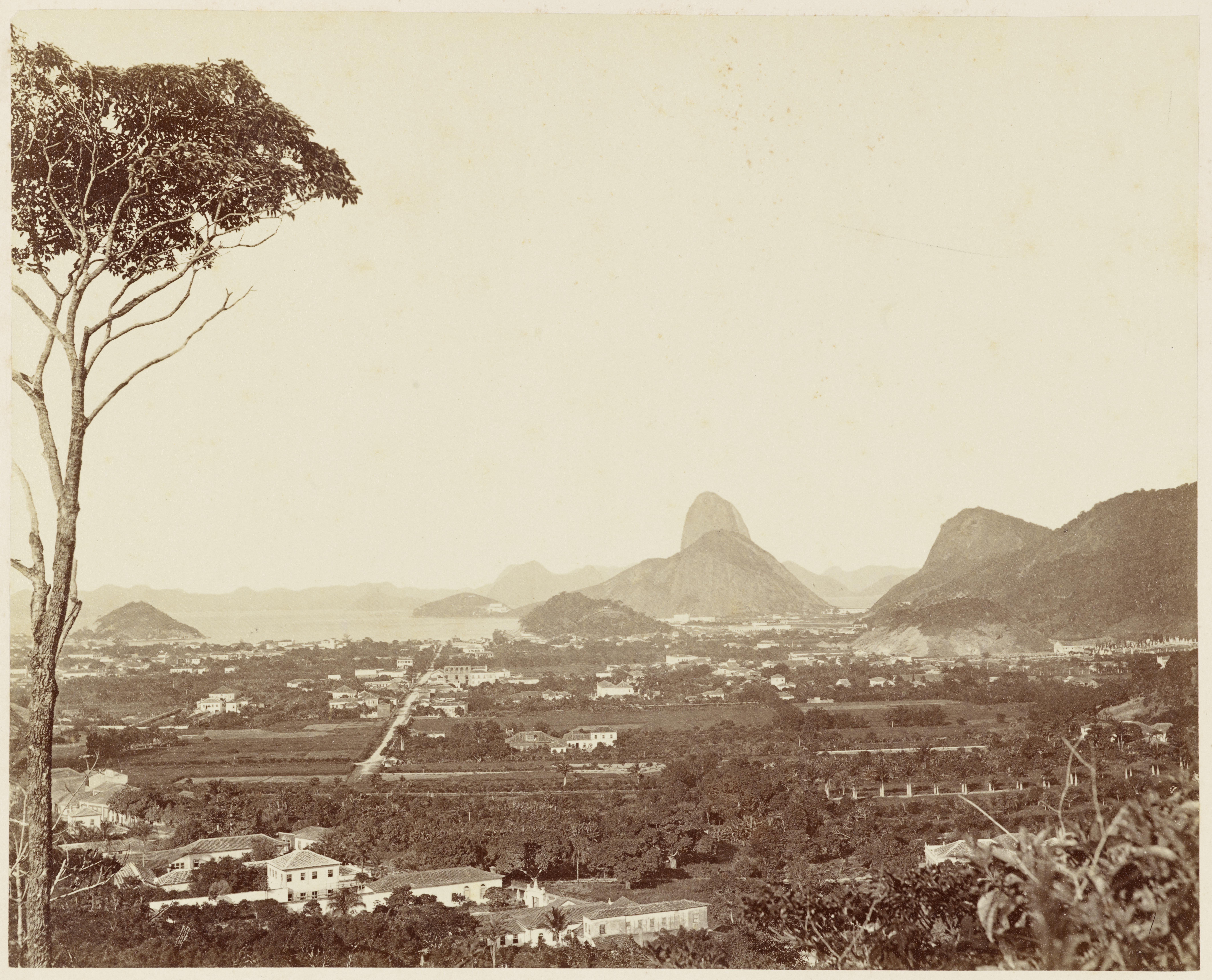
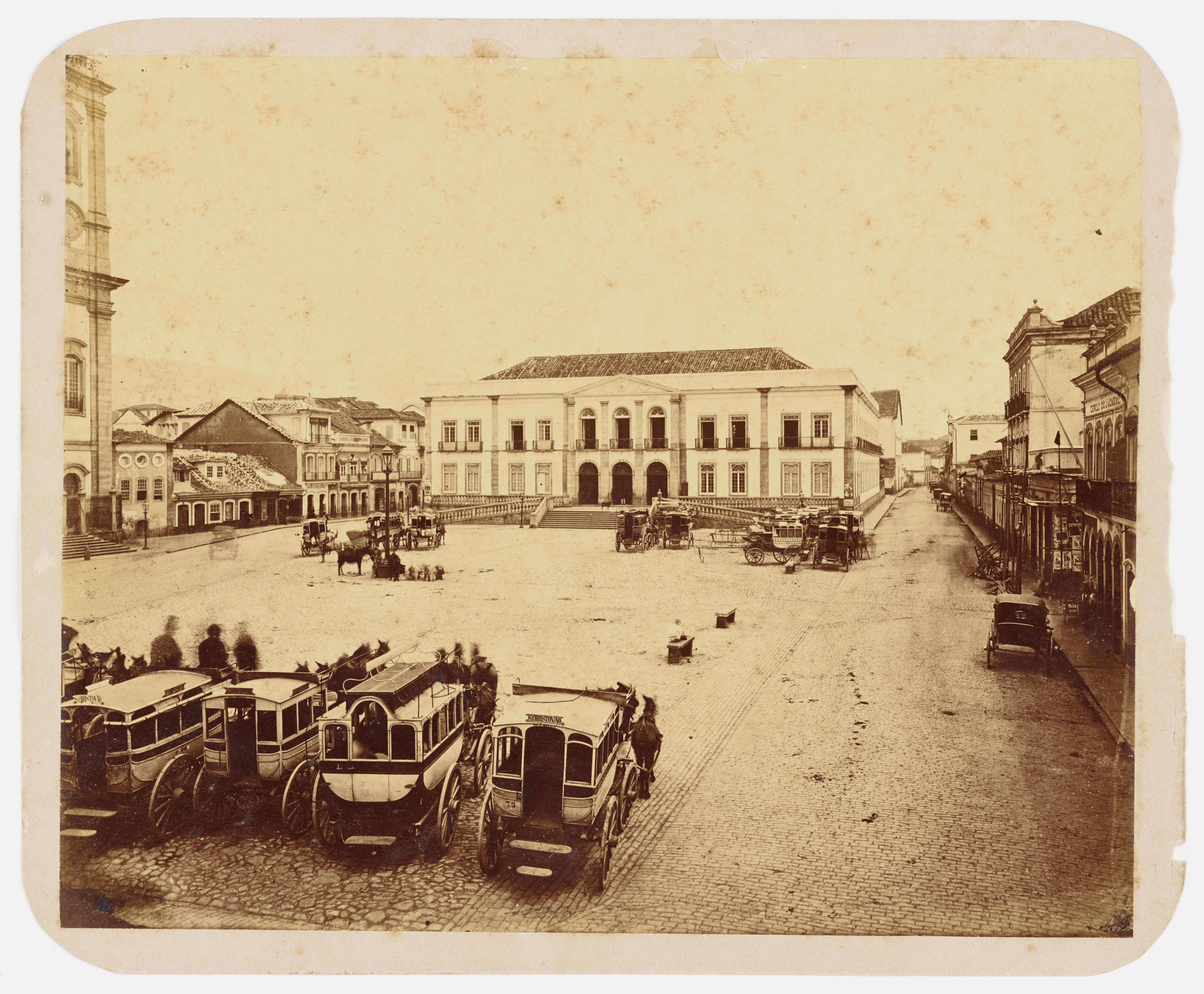
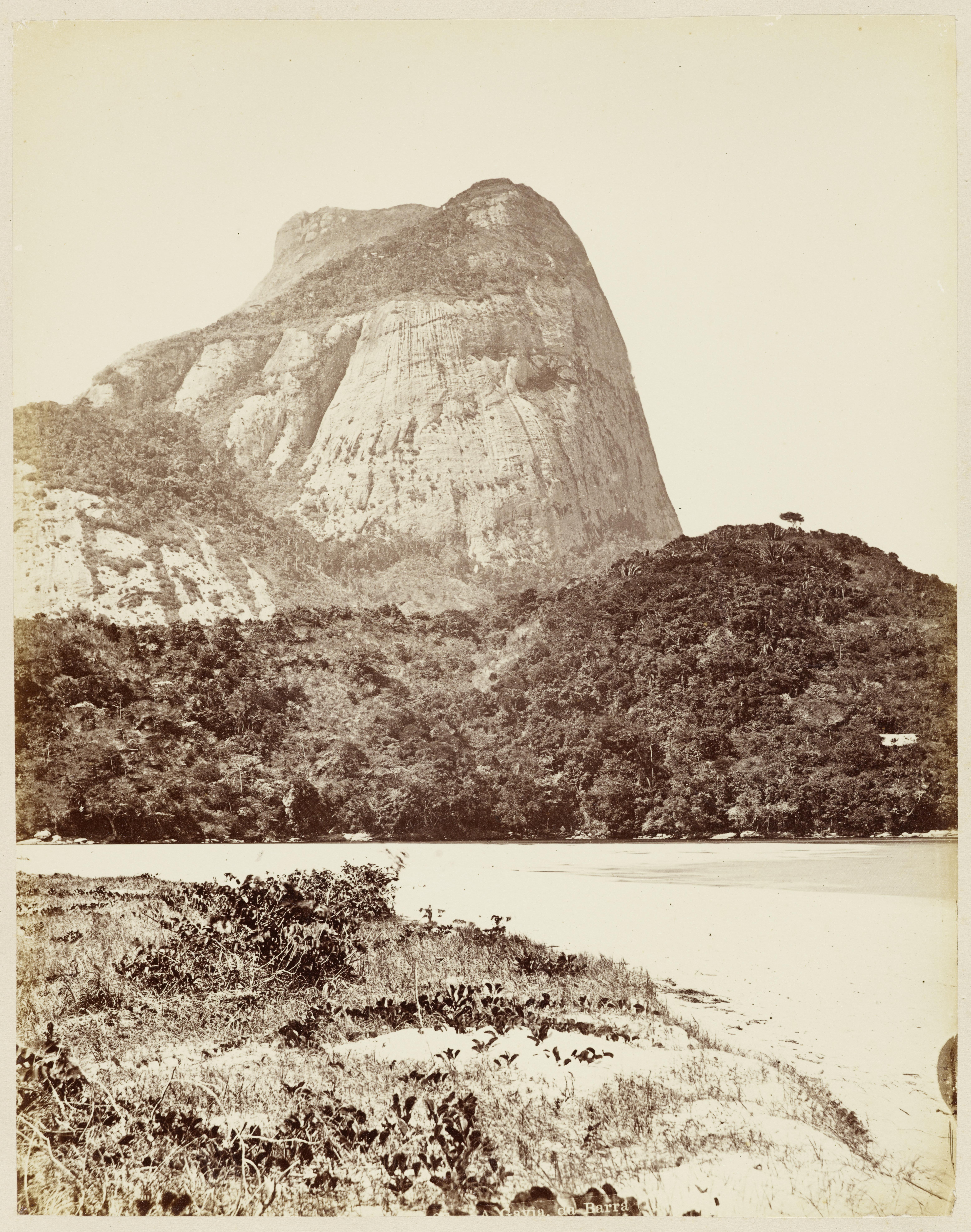
The studio produced and sold documentary photographs of Rio de Janeiro and its surroundings. Leuzinger's photographs included urban views, panoramas, public buildings, streets, churches, harbor scenes, mountains, forests, Niterói, the Serra dos Órgãos and Teresópolis.
His work joined commercial publishing with a sustained visual record of Rio de Janeiro. In the 1860s, his production placed him, alongside Augusto Stahl, Revert Henry Klumb and later Marc Ferrez, among the leading figures in the early history of photography in Brazil.
Leuzinger was also an early photography merchant in Brazil, in the sense of a distributor rather than a modern gallery dealer. Casa Leuzinger sold its own photographs and works by photographers such as Marc Ferrez and Christoph Albert Frisch. Marc Ferrez returned to Rio de Janeiro in 1859 and apprenticed to the lithographer George Leuzinger before learning photography from another employee, Franz Keller.
Amazon expedition and Albert Frisch
Casa Leuzinger was also connected to the photographic documentation of the Amazon. In 1867, Franz Keller-Leuzinger and Joseph Keller were commissioned by the Brazilian government to conduct preparatory studies for the construction of the Madeira-Mamoré Railroad. Leuzinger sent the German photographer Christoph Albert Frisch with them. Two years later, Casa Leuzinger published the catalogue Resultat d'une expédition photographique sur le Solimões ou Alto Amazonas et Rio Negro, with photographs made by Frisch during the expedition.
Later life and death
Leuzinger returned to Switzerland only once, on a visit in 1873. Late in life, he donated 114 images, including prints and drawings, to the iconography section of the National Library of Brazil, intending to preserve part of his work as a print editor.
He died in Rio de Janeiro on 24 October 1892. Casa Leuzinger continued after his death, although an 1897 fire destroyed much of the firm's archive and history.
Exhibitions and recognition

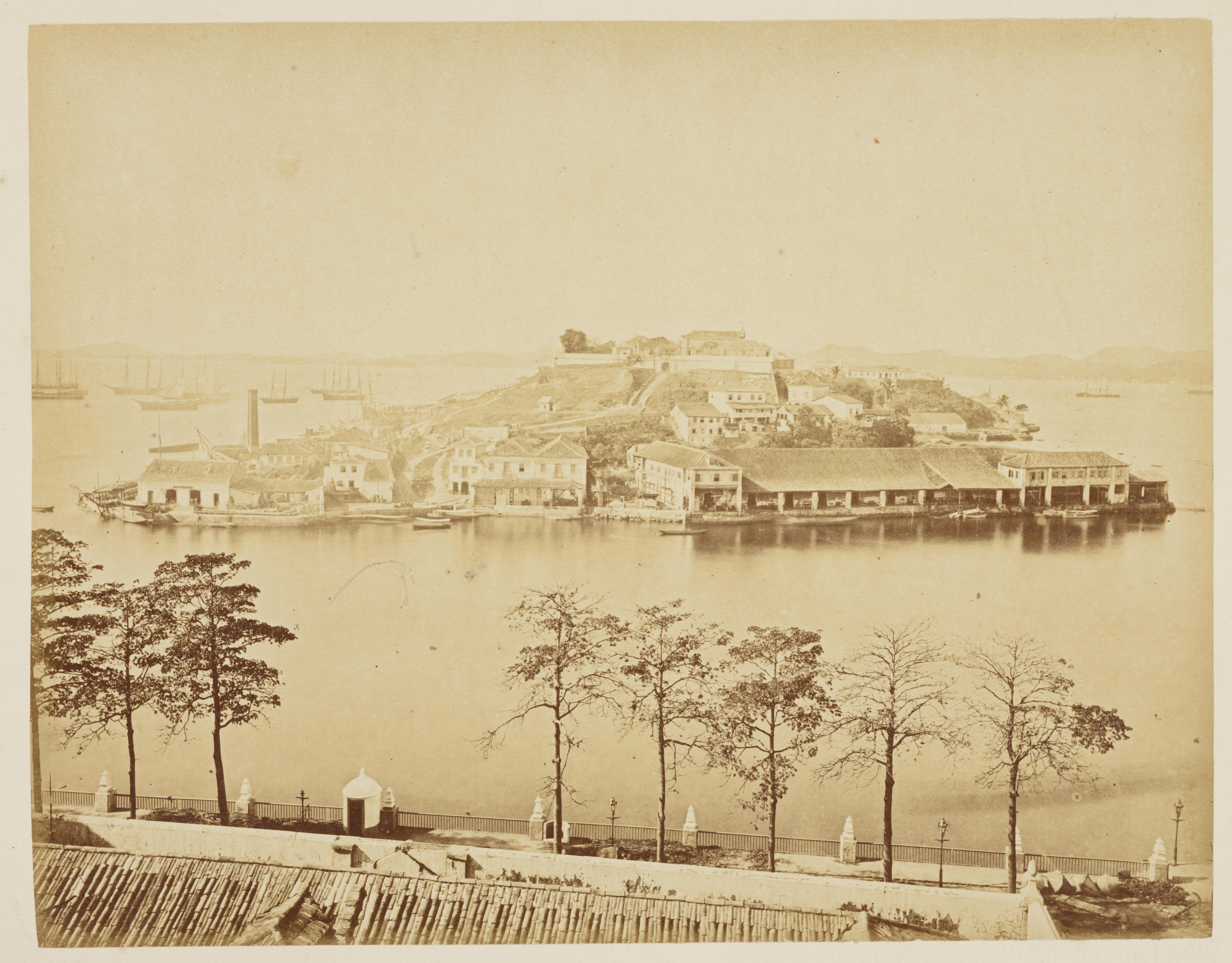
Leuzinger's photographs were included in nineteenth-century national and universal exhibitions. In 1867, his studio received an honorable mention at the Paris Exposition Universelle for a panorama taken from the Ilha das Cobras. This was the first international award received by Brazil in photography.
At the 1866 National Exhibition and the 1867 Universal Exposition, Leuzinger's views of Rio de Janeiro presented the city through its urban setting and natural scenery, at a time when the Brazilian Empire was using exhibitions to shape how the country was seen abroad.
Leuzinger's photographs continued to appear in exhibitions and studies of nineteenth-century Brazilian photography after his death. In 1988, the Maxwell Museum of Anthropology at the University of New Mexico hosted a traveling exhibition, Nineteenth Century Brazilian Photography, organized with the Museum of Modern Art of Rio de Janeiro and supplemented by works from the university library and private collections. The exhibition included a Leuzinger landscape view alongside works by other nineteenth-century Brazilian and Brazil-based photographers.
Collections
Leuzinger's photographs, prints, albums and related family papers are held in public collections in Brazil, Europe, North America and Oceania. The largest group is at the Instituto Moreira Salles, which holds more than 500 works by Leuzinger and Albert Frisch. Since 2000, the institute has also held an archive of 290 family documents, images and letters collected by Leuzinger's son Paul between 1850 and 1903.
His work is also represented in major museum and library collections. The British Museum holds nineteenth-century prints and photographs connected to Casa Leuzinger and the visual culture of imperial Brazil. The Metropolitan Museum of Art holds carte-de-visite photographs published by Leuzinger, including studio portraits of Brazilian street vendors and Indigenous sitters from the 1860s and 1870s. The J. Paul Getty Museum holds photographs by Leuzinger, including Église de S. Francisco de Paula, Rio de Janeiro, an albumen silver print dated 1865–1875.
The Library of Congress holds photographs by Leuzinger from the Thereza Christina Maria collection, including views of the Tijuca Forest and Barra da Tijuca. The collection was assembled by Emperor Pedro II of Brazil and donated by him to the National Library of Brazil. Collection records for Leuzinger are also maintained by the George Eastman Museum and the Franklin D. Roosevelt Presidential Library and Museum.
Leuzinger's photographs also circulated through travel albums and later institutional copies. The Museum of New Zealand Te Papa Tongarewa holds a carte-de-visite albumen print produced by Leuzinger in Rio de Janeiro between 1870 and 1900. Royal Museums Greenwich holds a South American portrait that has a copy relationship with a carte-de-visite sold through Leuzinger's shop in Rio de Janeiro.
Leuzinger albums have also circulated through the book and photography market. Sotheby's catalogued an album of photographs of Brazil by Georges Leuzinger in a 2021 travel, atlases, maps and natural history sale. Artheon Museum, a digital art platform, lists two Brazilian street-vendor studio portraits associated with Georges Leuzinger and Christiano Junior, corresponding to works also documented in museum collections.
Legacy
Leuzinger's work remains important for the visual history of nineteenth-century Brazil. His photographs of Rio de Janeiro, its mountains, forests, buildings and harbor scenes are used as historical documents of the imperial capital, while his publishing house helped circulate Brazilian images in Brazil and Europe. O Rio de Janeiro do fotógrafo Leuzinger, 1860–1870, by Maria Lucia David de Sanson, Mário Aizen and Pedro Karp Vasquez, presents his 1860s views of Rio de Janeiro with historical, economic and social context.
Selected works and publications
- Panorama da baía do Rio de Janeiro, 1845
- Rio de Janeiro et ses environs, c. 1868
- Resultat d'une expédition photographique sur le Solimões ou Alto Amazonas et Rio Negro, 1869
- Caminho de Ferro de D. Isabel, 1875
- Catálogo da Exposição de História do Brasil, 1881–1882
Gallery
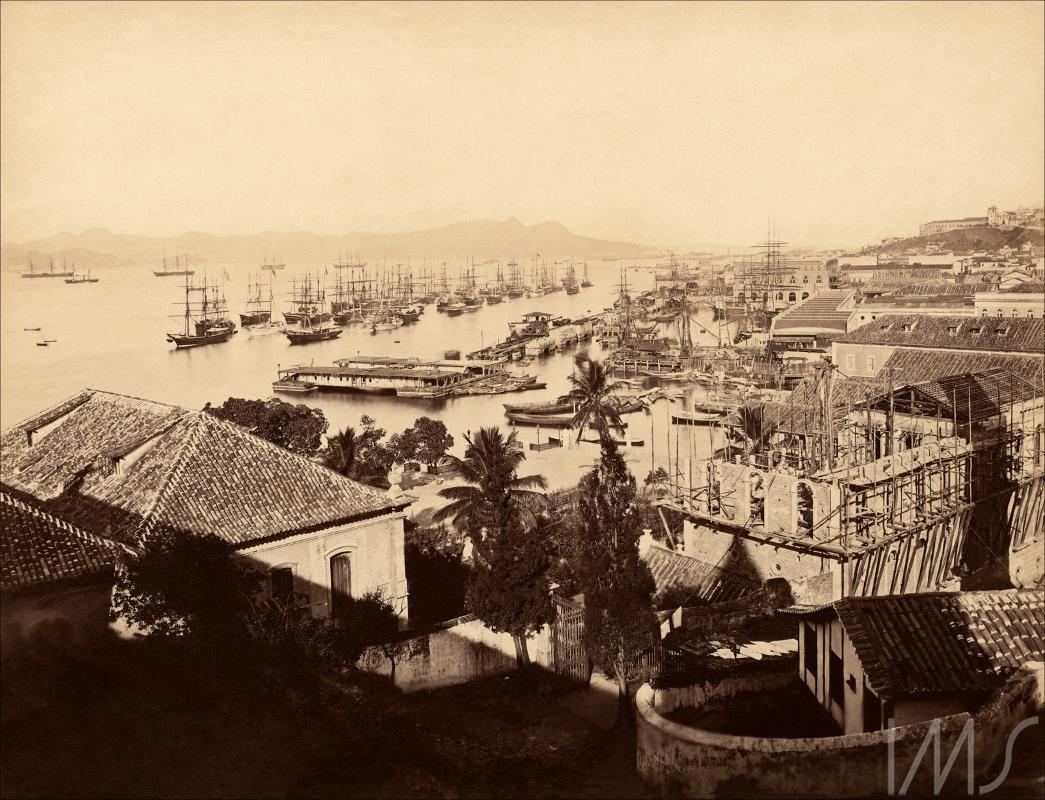
.jpg "Fazenda_do_Quititi_(007A5P3FG05-020).jpg")
Further reading
External links
- Georges Leuzinger at Instituto Moreira Salles
- Georges Leuzinger editor at Brasiliana Iconográfica
- O editor e fotógrafo suíço Georges Leuzinger (1813–1892) at Brasiliana Fotográfica
- George Leuzinger at Enciclopédia Itaú Cultural
- George Leuzinger at the British Museum
- Leuzinger-produced carte-de-visite at the Museum of New Zealand Te Papa Tongarewa
- South American portrait related to a Leuzinger-sold carte-de-visite at Royal Museums Greenwich
- Taba de índios, Amazonas at New York University Libraries