
Suduhumpola Raja Maha Viharaya
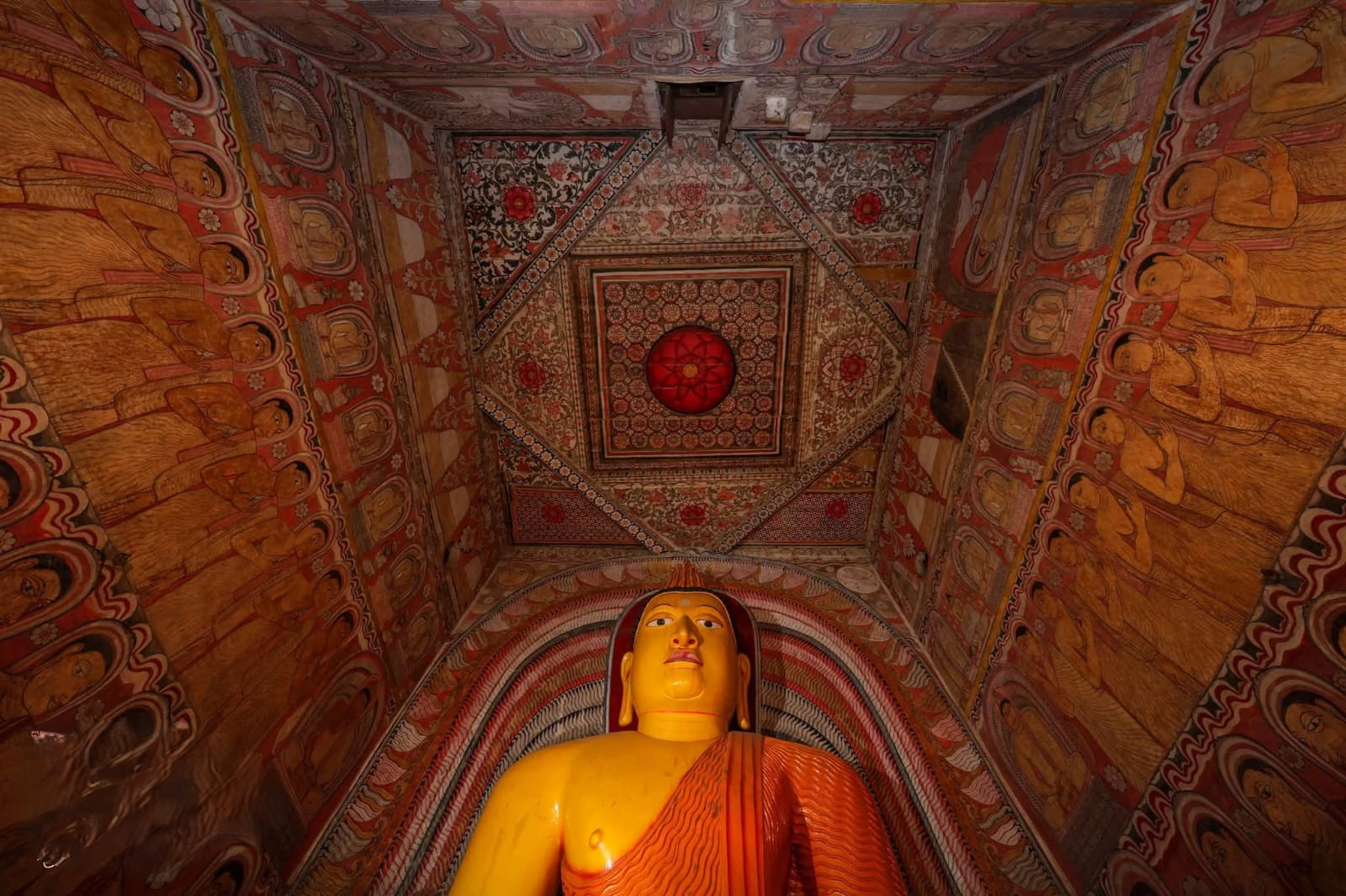
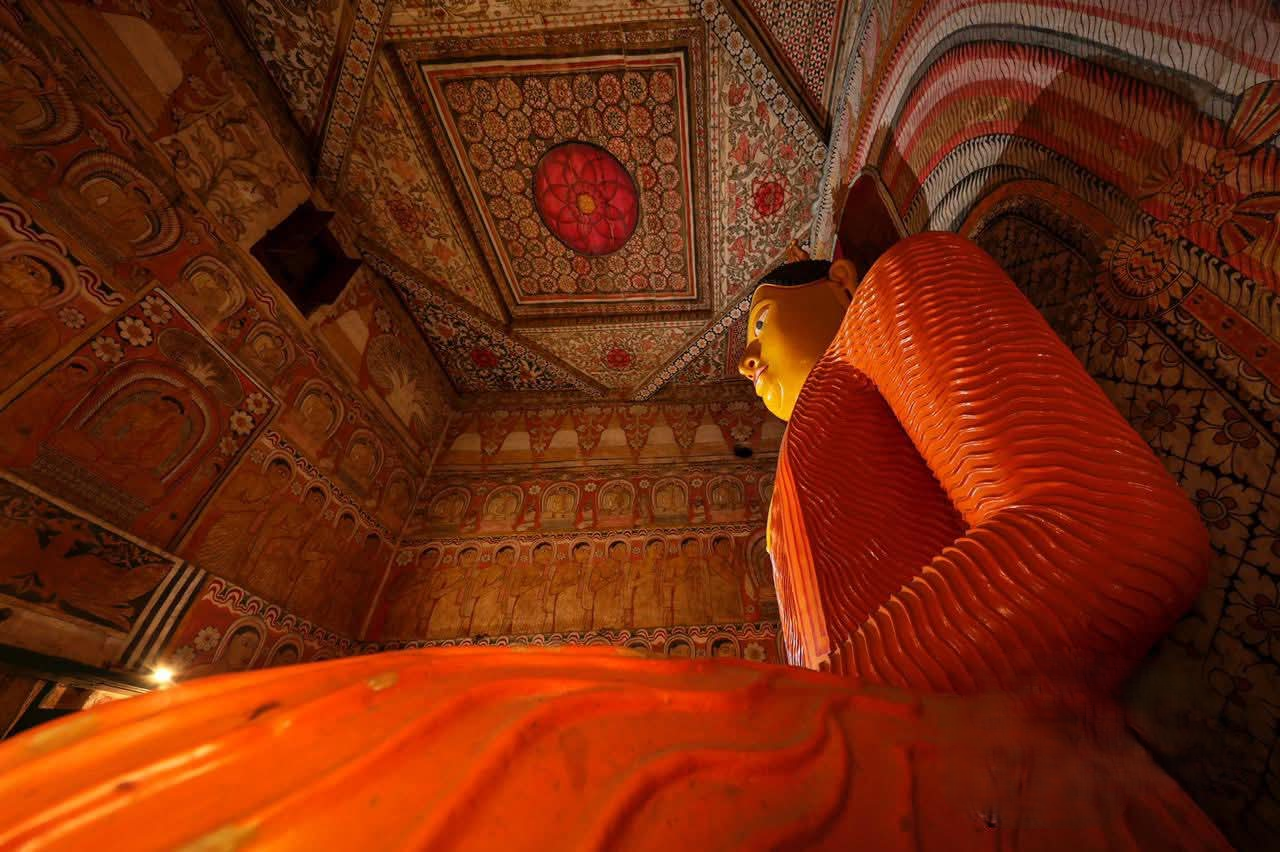
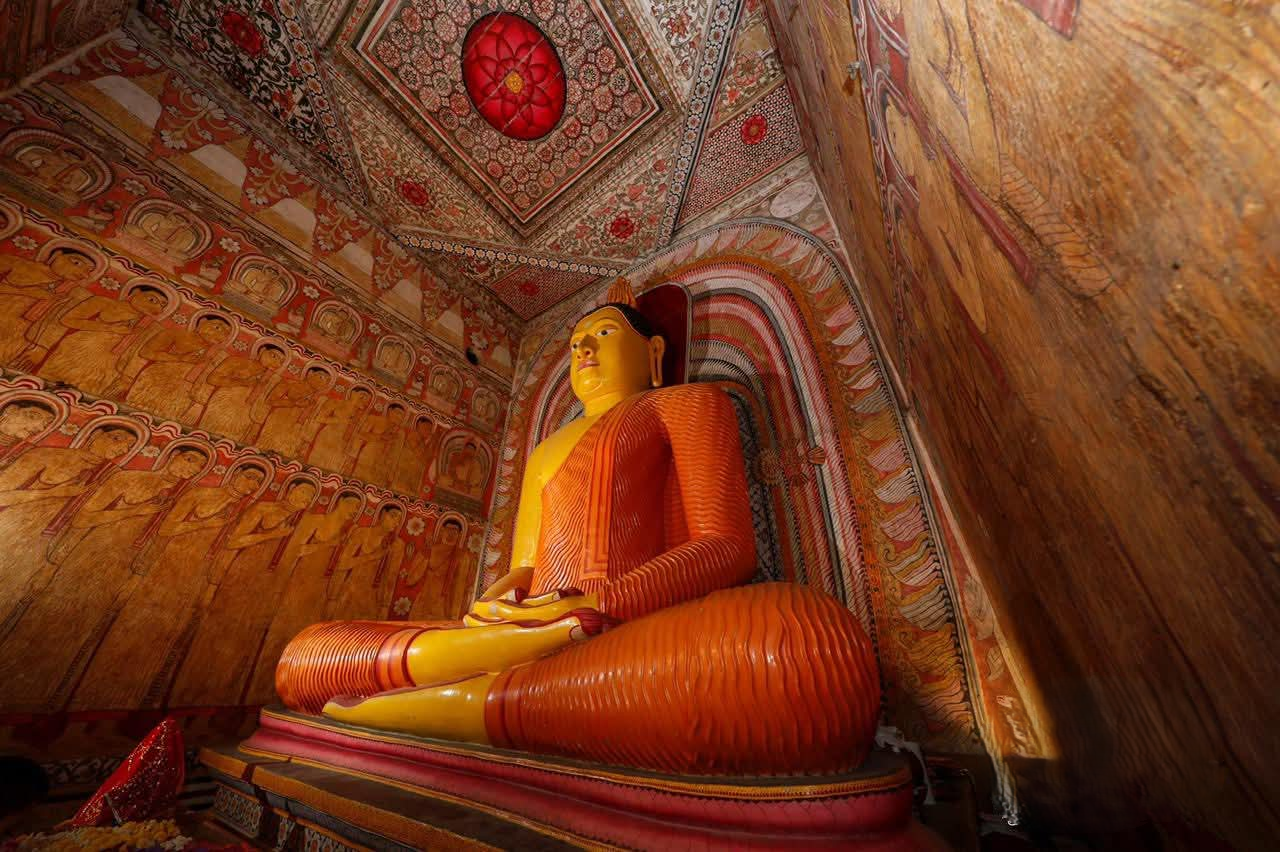
Suduhumpola Raja Maha Vihara (also known as Sri Narendrarama Viharaya; Sinhala: සුදුහුම්පොල රජමහා විහාරය) is an 18th-century Buddhist monastery in the village of Suduhumpola, within Sri Lanka's Kandy District. Tucked into the lower slopes of the Hanthana Mountain Range, the site dates back to the Kandyan era and is protected as an official national landmark.
Origin of the Name
Local legend traces the name Suduhumpola back to a royal visit during the Kandyan period. When the king arrived to inspect the grounds, villagers laid out a continuous white cloth (pavada) along the path for him to walk on, giving the area its literal translation: "where the white cloth was laid."
History
The temple was founded under King Kirti Sri Rajasinghe (r. 1747–1782), with local chief Mungwatte Rajakaruna Wijewardhana Navaratne Wasala Mudiyanse Ralahami overseeing the construction. Work finished between 1769 and 1771, at which point the king handed the property over to Ven. Kaduwela Nagasena Thera.
Because Kandy was the royal capital, the king designated Suduhumpola as one of four specific transit monasteries (alongside Nittawela, Dalukgola, and Gangaramaya) built to lodge monks traveling from across the island for major festivals and higher ordination (Upasampada) rituals. To fund these operations and feed the travelers, the crown granted the temple 65 amuna (around 52 acres) of farmland; even today, the temple trust retains ownership over two-thirds of the surrounding village land.
Anti-Colonial Resistance
The monastery played a notable role in the island's resistance to British rule through its resident monk, Ven. Wariyapola Sri Sumangala Thera, who was the Anunayaka of the Asgiri Maha Vihara.
During the signing of the Kandy Convention in 1815, Sri Sumangala Thero openly defied the incoming colonial forces by tearing down the newly raised British Union Jack and hoisting the Sinhalese Lion flag before the treaty details were finalized. When British occupation took hold, he took the Sacred Tooth Relic from its shrine in Kandy and escaped into the Dambulla forest to keep it safe from colonial capture. He was later arrested and tried for treason by British authorities.
Architecture and Art
The layout pairs classic Kandyan architecture with decorative flourishes attributed to South Indian craftsmen who worked in the region.
- The Pansala: The monks' residence is a low, single-story square built around an open courtyard (meda midula), mirroring the design of traditional Kandyan manor houses. It contains 12 individual rooms for visiting monks, while the central assembly space features four heavy, hand-carved jackwood pillars similar to those found at Embekke.
- Image House (Budu-ge): Visitors enter the main shrine beneath a detailed makara torana (dragon arch). Inside, a large original Buddha statue sits in the meditation posture (Dhyana mudra) on a raised stone throne.
- Murals: The interior walls hold vibrant 18th-century Kandyan frescoes divided into distinct bands. The lower sections show lines of monks in prayer, while the upper bands illustrate the Solosmastana (the 16 holy Buddhist sites of Sri Lanka). This includes a rare three-layered painting of the Mahiyangana stupa and a stylized map of Sri Pada showing a steep staircase leading up to a footprint under a canopy.
- Stupa and Rock Carvings: A traditional bell-shaped stupa sits on a terrace above the main buildings; its pinnacle was set in place during the 20th century by Sri Lanka's first Prime Minister, D. S. Senanayake. Elsewhere on the grounds, a historic carving of the Buddha's footprint can be seen on a high rock face.