
Steristoppers
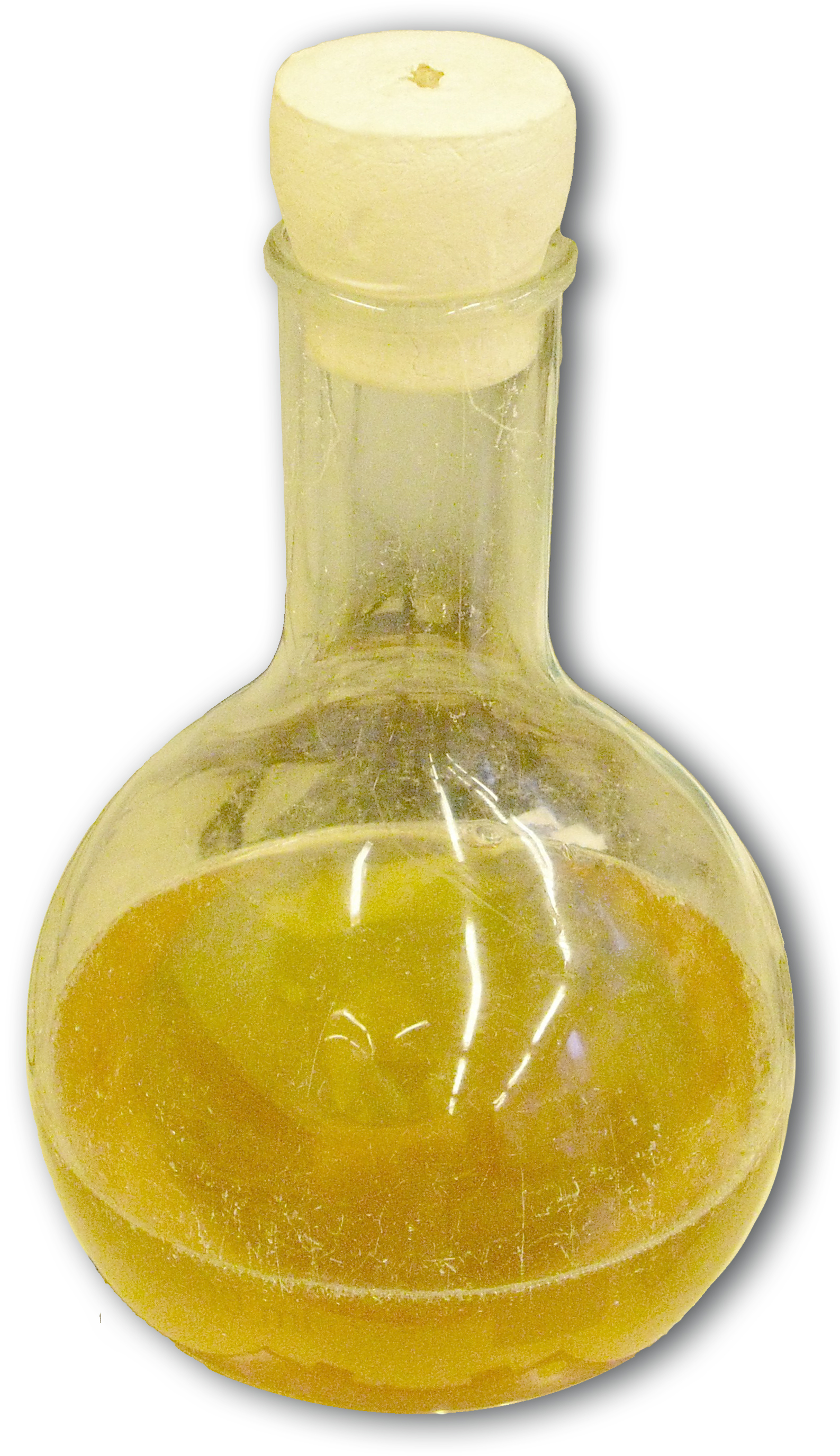 Steristoppers and Steristoppers Passform are cellulose closures for microbiological work and research. They are used in bacteriological institutes, hygiene institutes, food- and crime laboratories as well as educational establishments, universities, industrial colleges and polytechnic institutes.
History
Steristoppers were developed by Heinz Herenz in the early 1960s. The patent and trademark application was filed on March 13, 1965.
Properties
Steristoppers are suitable for sterile closing of bacteria cultures inside test tubes, Erlenmeyer- and culture flasks. They are autoclavable up to 200 °C, bacteria filtering, sterilizable, air permeable and designed for onetime use (disposable). Their application replaces the complicated and labour-intensive twisting of cotton wool which was the standard before Steristoppers had been developed.
Production
Steristoppers are manufactured in Germany from a unique cellulose which is produced only for this purpose. The cellulose is wound at high speed around a mandrel using a product-neutral glue which was especially developed for this manufacturing process. The individual shapes and sizes are defined by correspondent stencils.
Product variants
Steristoppers are produced fitting for all common inner diameters from 4 mm up to 70 mm, and in 73 different executions, all in either standard hardness, soft or extra hard. Furthermore special Steristoppers for outer diameters of 6, 12 and 14 mm for laboratory tubes are produced as well as Steristoppers for sample taking during gynaecological preventive examination Cancer-Antigen 125. Steristoppers can also be developed according to customer's specifications.