
SEA-EU-NET

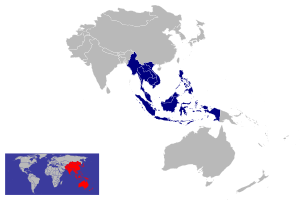
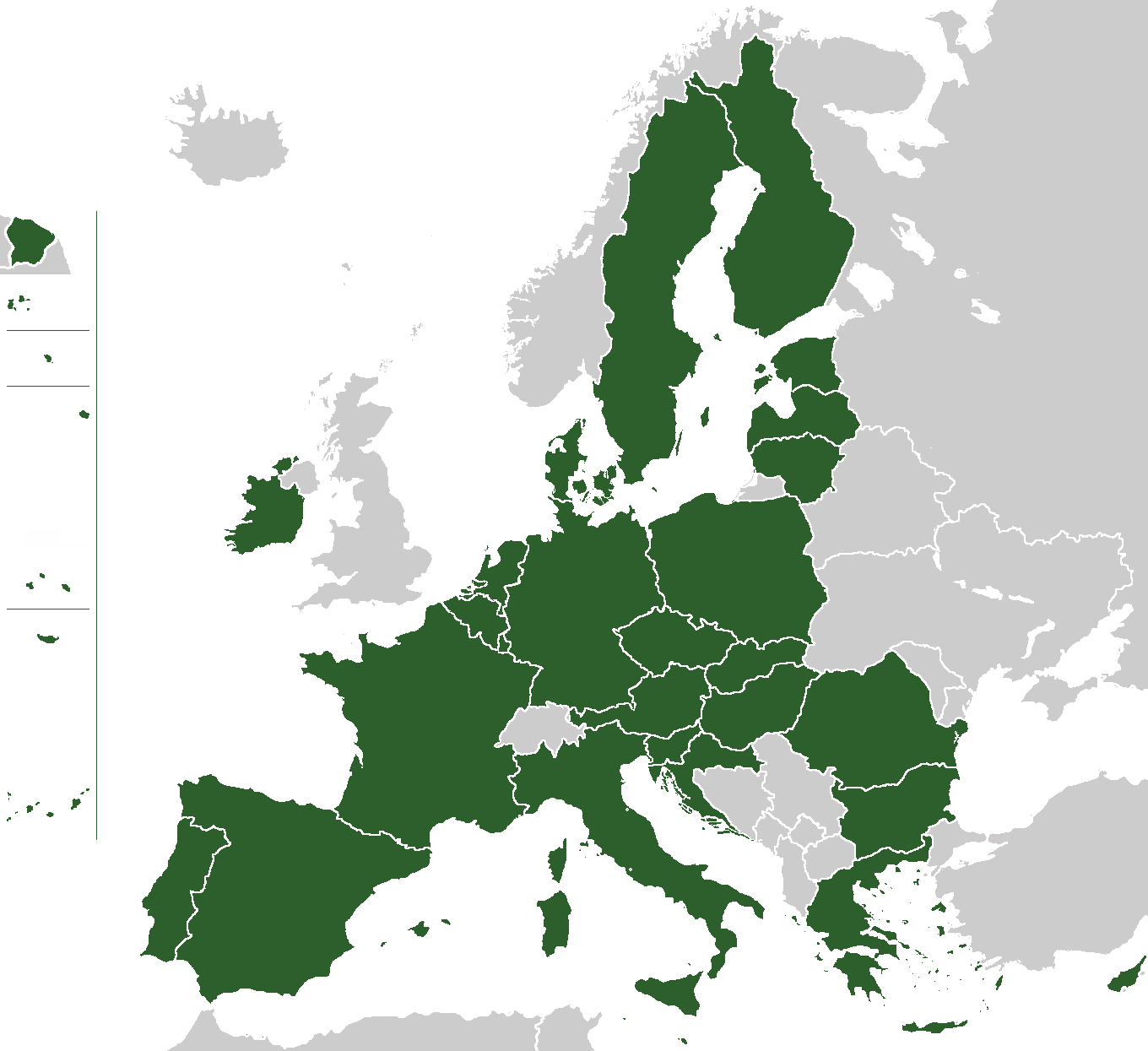
SEA-EU-NET is a joint South East Asian - European project supported under the European Commission's Seventh Framework Programme for Research and Technological Development (FP7). The project aims to expand biregional scientific collaboration in the field of science and technology and involves 17 key institutions from the two regions. SEA-EU-NET was launched on 1 January 2008 and funding will run through to the end of 2011, although it is intended that the outcomes will be sustained beyond this point.
INCO-NET
SEA-EU-NET is an "INCO-NET" project, one of the first six to be established within the European Commission’s Capacities programme within the Seventh Framework Programme for Research and Technological Development (FP7). An INCO-NET is an international co-operation network, which supports bi-regional science and technology co-operation including priority setting and support of a policy dialogue.
Other INCO-NETs
International Science and Technology Co-operation
Science and Technology represents a key element of sustainable economic growth and competitiveness to both the EU and ASEAN and is further a key element in tackling global challenges, such as climate change. The EU recognises this and has a strategic priority to intensify dialogue and co-operation in science and technology. International partnerships in science and technology enable research institutes and scientists to have access to state-of-the-art research and allow governments to learn from best practices in research and development. New communication technologies have facilitated international science and technology co-operation and there has been a significant increase in the number of publications based on cross-border, joint research over the last 10 years.
SEA-EU-NET Objectives
SEA-EU-NET's stated aim is to increase the quality, quantity, profile and impact of bi-regional Science and Technology co-operation between the ten member countries of the Association of South East Asian Nations and the member and associated member States of the European Union.. Excellent S&T is key to achieving sustainable development, prosperity and continued economic growth. It is essential for a strong knowledge-based economy, and underpins the policies necessary for good governance, and contributes to cohesive social visions and models. S&T excellence requires global connectivity and an ongoing dialogue. Measures include the implementation of joint fora facilitating and strengthening the bi-regional and bi-lateral dialogue, activities to provide information on the EU 7th Framework Programme to researchers in SEA, analysis of S&T structures and reporting to EU-presidencies in order to incorporate recent political developments and to generally highlight EU-ASEAN initiatives within the political decision making process. Further, the project aims to provide scientific evidence to the bi-regional policy dialogue platforms.
To increase the efficiency, to avoid redundancies, and to ensure the sustainability of successful activities of the past and to learn lessons, the SEA-EU-NET considers relevant previous and ongoing bi-regional and bi-lateral activities both inside and outside the EU Framework Programme for the ASEAN Region. Moreover it targets to function as a hub for the integration of upcoming FP7 projects and activities related to ASEAN, thus helping to incorporate them into the larger framework of the bi-regional dialogue.
Consortium
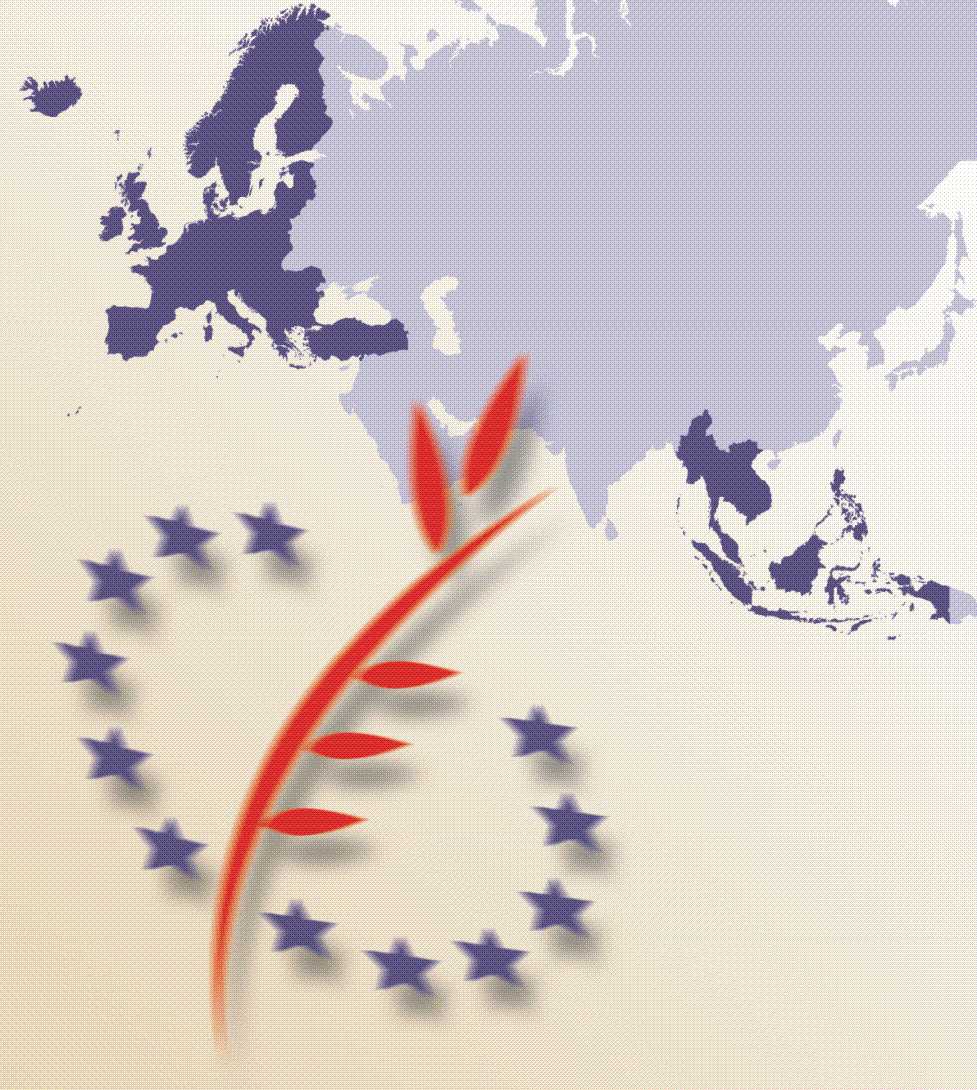
The SEA-EU-NET consortium includes a diverse range of science and technology policy expertise from academia, the private sector and government. The consortium currently comprises 17 partners (10 from the EU, 2 from associated member states and 5 from South East Asia). The project may expand to include further partners from South East Asia. ).
No. |
Participant |
Participant Organisation Name |
Country |
1 Co-ord |
PT-DLR |
The International Bureau of the German Federal Ministry of Education and Research |
Germany |
2 |
KNAW |
Royal Netherlands Academy of Arts and Sciences |
The Netherlands |
3 |
BHC |
The British High Commission Singapore |
United Kingdom / Singapore |
4 |
COLBUD |
Collegium Budapest, Institute for Advanced Study |
Hungary |
5 |
TUBITAK |
The Scientific and Technological Research Council of Turkey |
Turkey |
6 |
NSTDA |
National Science and Technology Development Agency |
Thailand |
7 |
ZSI |
Zentrum für Soziale Innovation |
Austria |
8 |
RISTEK |
Ministry of State for Research and Technology |
Indonesia |
9 |
NACESTI |
National Centre for Scientific and Technological Information |
Vietnam |
10 |
GIGA |
Institute of Asian Studies GIGA German Institute of Global and Area Studies |
Germany |
11 |
CIRAD |
Centre de coopération internationale en recherche agronomique pour le développement |
France |
12 |
RS |
The Royal Society |
United Kingdom |
13 |
CNRS |
Centre National de Recherche Scientifique |
France |
14 |
TUBITAK-UME |
The Scientific and Technological Research Council of Turkey UME |
Turkey |
15 |
PAN |
Polska Akademia Nauk |
Poland |
16 |
NML-SIRIM |
Standards and Industrial Research Institute of Malaysia (SIRIM) – SIRIM Berhad |
Malaysia |
17 |
MOSTI |
Ministry of Science, Technology and Innovation |
Malaysia |
Enhancing biregional collaboration
A network of national information points (NIPs) or FP7 contact points has been set up in South East Asia. These individuals are a source of information to scientists, both from academia or industry, who wish to participate in a European project. NIPs have been established in Cambodia, Indonesia, Laos, Malaysia, Myanmar, Philippines, Thailand and Vietnam.
Thematic workshops will be organised within SEA-EU-NET for the project duration. These will be focused on areas of mutual interest and strength to both the EU and South East Asia. The workshop topics will be aligned with the ten specific thematic priorities identified as EU priorities within the Cooperation budget programme of the Seventh Framework Programme.
Reports have been published on the International Science and Technology Co-operation Policies of South East Asian Countries and the State of the Art on Science and Technology Indicators in South East Asia: Delineating Statistical Capability for Dynamic Co-operation.
Stakeholder Conference
An annual stakeholder conference will be held alternately between the 2 regions:
- 2008 – Paris, France
- 2009 – Jakarta, Indonesia
- 2010 – Budapest, Hungary
- 2011 – Hanoi, Vietnam
See also
- ASEAN
- ASEAN Outstanding Scientist and Technologist Award
- CAAST-Net
- CORDIS
- European Research Area
- Framework Programmes for Research and Technological Development
- SEACOOP-fp7
- wbc-inco.net
External links
- SEA-EU-NET website
- SEA-EU-NET on Cordis
- British High Commission Singapore
- Zentrum für Soziale Innovation Austria
- International Bureau of the German Federal Ministry of Education and Research, Germany (Project Co-ordinators)
- National Science and Technology Development Agency, Thailand
- The Royal Society
- Institute of Asian Studies GIGA German Institute of Global and Area Studies, Germany
- Centre National de Recherche Scientifique, France
- The Royal Netherlands Academy of Arts and Sciences, the Netherlands
- Polska Akademia Nauk, Poland
- Collegium Budapest, Institute for Advanced Study, Hungary
- The Scientific & Technological Research Council of Turkey, Turkey
- Ministry of State for Research and Technology, Indonesia
- National Centre for Scientific and Technological Information, Vietnam
- Centre de coopération internationale en recherche agronomique pour le développement, France
- National Metrology Laboratory SIRIM Berhad, Malaysia
- Ministry of Science, Technology and Innovation, Malaysia
- The Scientific & Technological Research Council of Turkey- UME, Turkey