
Relief Portrait Plaques of Lawgivers
Relief Portrait Plaques of Lawgivers are a series of 23 marble portrait plaques installed high on the walls of the United States House of Representatives Chamber. Completed in 1950 during a postwar renovation of the chamber, the reliefs depict historical figures associated with the development of legal systems and jurisprudence. The series forms part of the chamber’s decorative program emphasizing the historical foundations of American law.
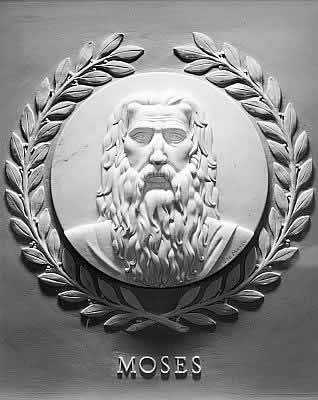
The plaques portray individuals drawn from a range of legal traditions, including ancient Near Eastern law, Roman jurisprudence, medieval canon law, Islamic legal tradition, European civil law, and early American constitutional thought. Moses occupies the central position and is depicted facing forward, while the remaining figures appear in profile oriented toward the center, symbolically acknowledging the perceived influence of earlier legal traditions on later developments.
The selection emphasizes figures known for codifying, interpreting, or institutionalizing legal systems, including jurists such as Papinian and Gaius, religious legal scholars such as Maimonides, rulers associated with legal reform such as Suleiman the Magnificent, and political figures linked to American constitutional development such as Thomas Jefferson and George Mason.
Art historians and legal scholars have interpreted the series as reflecting a mid-20th-century American perspective on the historical development of law. The reliefs are frequently compared with other architectural representations of legal history in Washington, D.C., particularly the Supreme Court frieze of lawgivers, though the House program places greater emphasis on legal codifiers and jurists rather than political philosophers.
List of lawgivers
# (chronologically) |
Figure |
Lifespan/time active |
Country |
Image |
Legal Tradition |
Reason for Inclusion |
|---|---|---|---|---|---|---|
1 |
Moses |
c. 13th century BCE (biblical) |
Ancient Israel (purportedly born in the New Kingdom of Egypt) |
|
Biblical / Judaic |
Central figure, represents ancient divine law and the Ten Commandments |
2 |
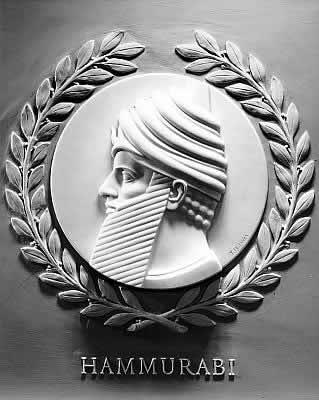
Hammurabi |
c. 1810–1750 BCE |
Babylonia |
|
Babylonian |
Authored one of the earliest surviving legal codes |
3 |
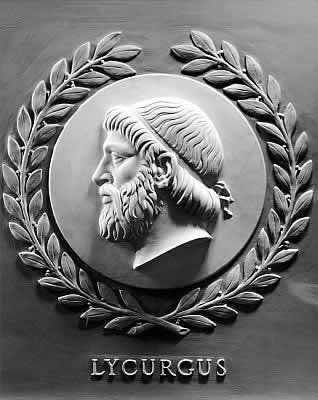
Lycurgus |
legendary, 8th century BCE |
Sparta (Ancient Greece) |
|
Greek / Spartan |
Legendary lawgiver; foundation of Spartan legal system |
4 |
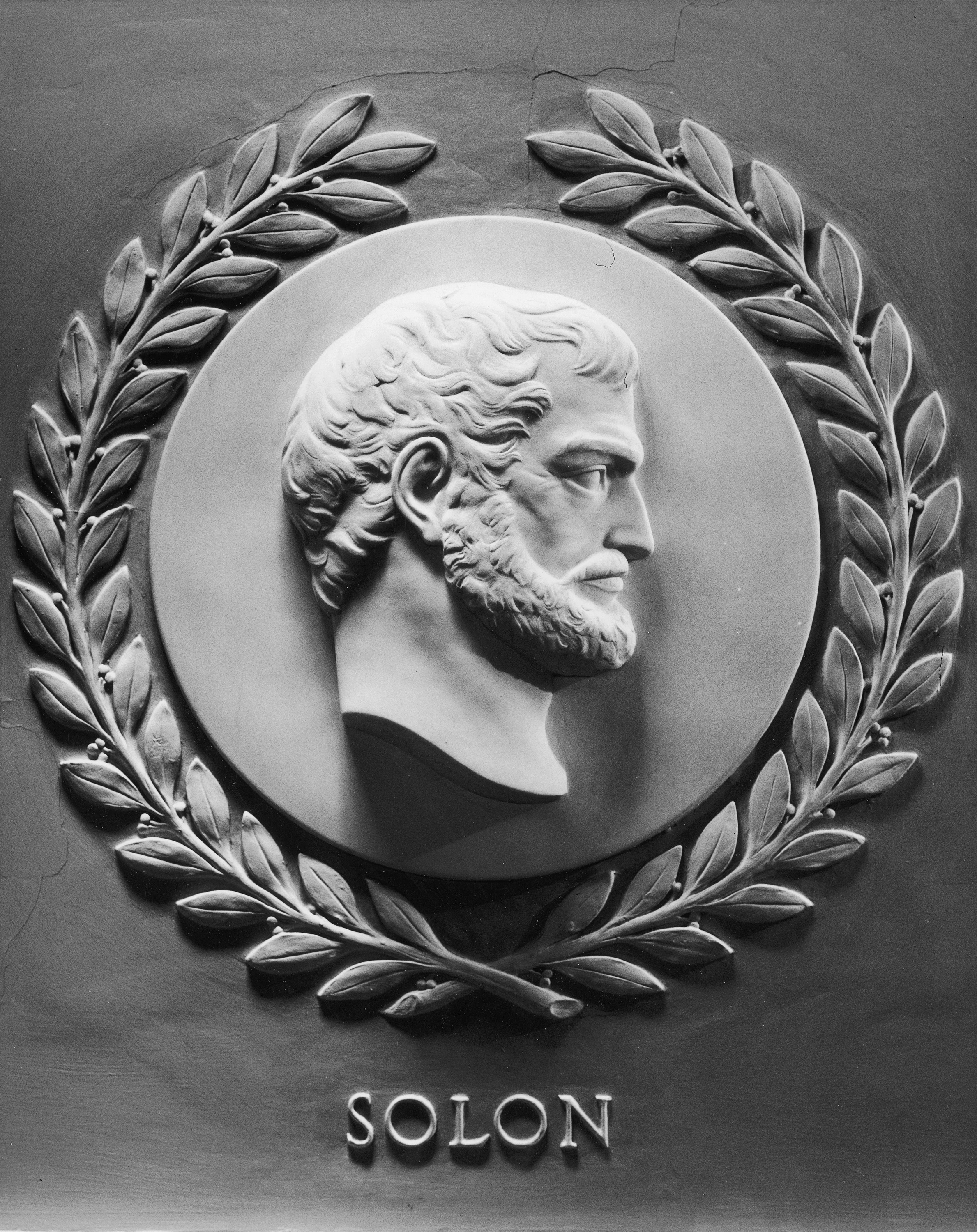
Solon |
c. 638–558 BCE |
Athens (Ancient Greece) |
|
Greek / Athenian |
Early constitutional reforms and codification of laws; Solonian constitution |
5 |
Gaius |
c. 130–180 CE |
Roman Empire |
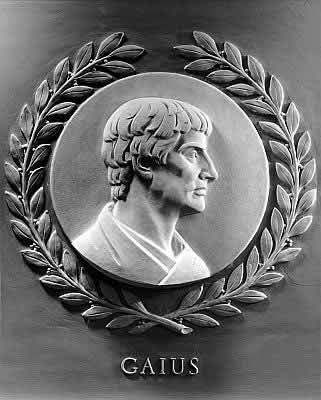
|
Roman |
Roman jurist; authored Institutes, foundational legal text |
6 |
Papinian |
c. 142–212 CE |
Roman Empire |
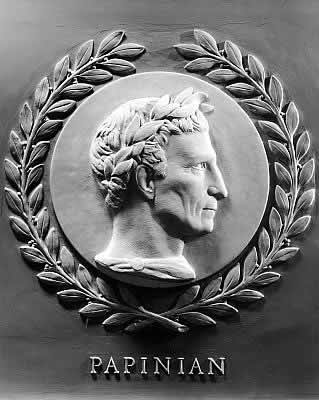
|
Roman |
Renowned jurist; authority in Roman law |
7 |
Justinian I |
482–565 |
Byzantine Empire |
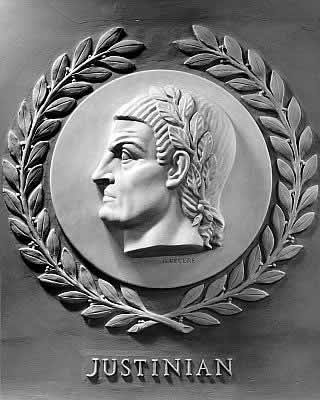
|
Byzantine |
Codified Roman law in the Corpus Juris Civilis |
8 |
Tribonian |
c. 500–542 |
Byzantine Empire |
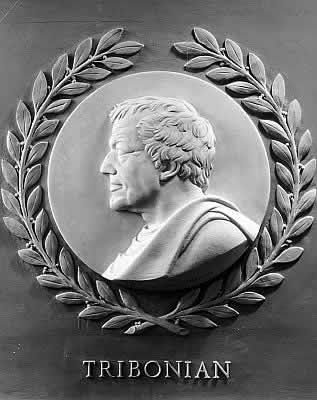
|
Byzantine |
Chief compiler of Justinian’s legal code, the Codex Justinianus |
9 |
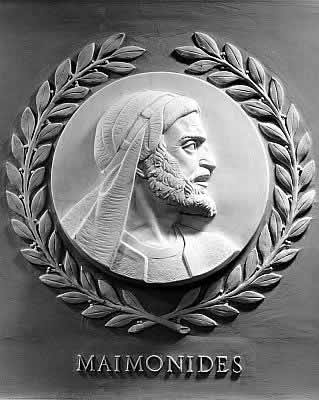
Maimonides |
1135–1204 |
Almoravid dynasty |
|
Jewish / Medieval |
Systematized Jewish law in the Mishneh Torah |
10 |
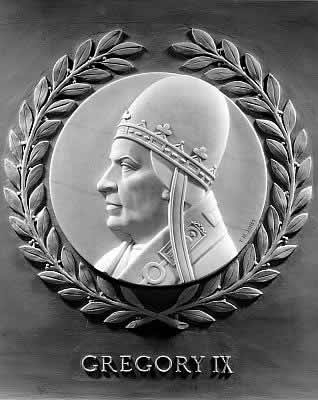
Pope Gregory IX |
1145–1241 |
Papal States |
|
Catholic Canon |
Codified canon law in his Decretals |
11 |
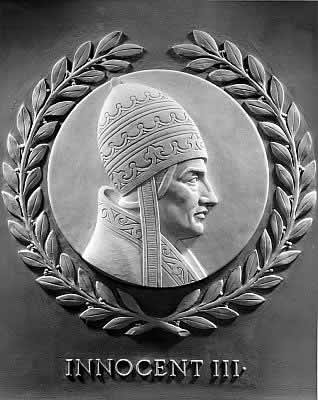
Pope Innocent III |
1160–1216 |
Papal States |
|
Catholic Canon |
Influential in medieval church law and canon jurisprudence |
12 |
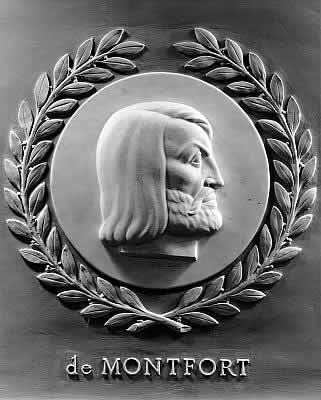
Simon de Montfort |
1208–1265 |
Kingdom of England (born in France) |
|
English / Medieval |
Early parliamentary and legal reforms; Simon de Montfort's Parliament |
13 |
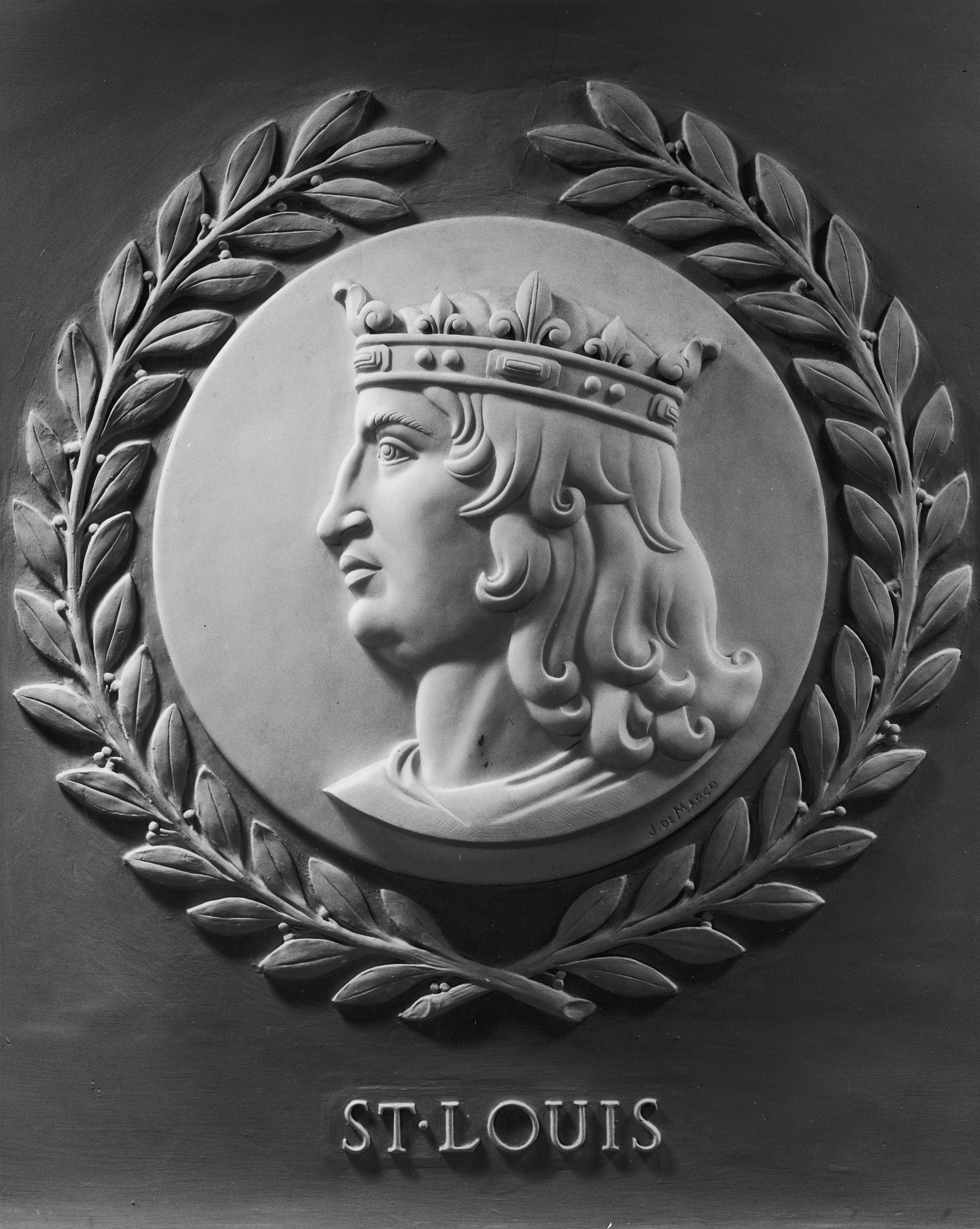
Louis IX of France |
1214–1270 |
Kingdom of France |
|
French / Medieval |
Judicial reforms and promotion of justice in France |
14 |
Alfonso X of Castile |
1221–1284 |
Kingdom of Castile |
.jpg "Flickr_-_USCapitol_-_Alfonso_X,_the_\"Wise\"_(1221-1284).jpg")
|
Spanish / Medieval |
Codification of Castilian law |
15 |
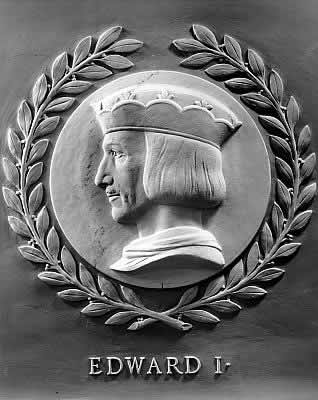
Edward I |
1239–1307 |
Kingdom of England |
|
English / Medieval |
Reforms of English common law; Statute of Westminster 1275 and Statute of Westminster 1285 |
16 |
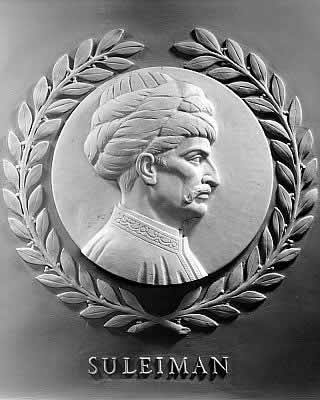
Suleiman the Magnificent |
1494–1566 |
Ottoman Empire |
|
Ottoman / Islamic |
Known as “Kanuni” (Lawgiver); reformed Ottoman legal code |
17 |
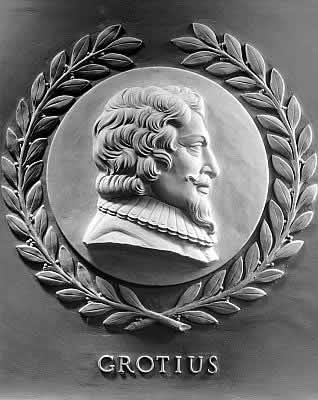
Hugo Grotius |
1583–1645 |
Spanish Netherlands |
|
Dutch / International |
Founder of modern international law; Mare Liberum, De jure belli ac pacis |
18 |
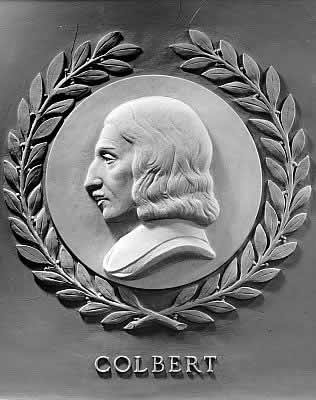
Jean-Baptiste Colbert |
1619–1683 |
Kingdom of France |
|
French / Early Modern |
Administrative reforms and legal codification |
19 |
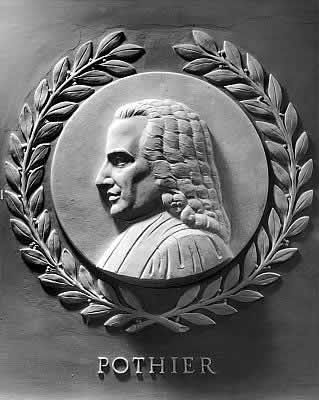
Robert Joseph Pothier |
1699–1772 |
Kingdom of France |
|
French / Civil law |
Influential in shaping French civil law, later used in Napoleonic Code |
20 |
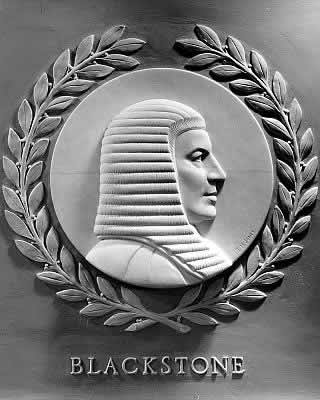
Sir William Blackstone |
1723–1780 |
Kingdom of Great Britain |
|
English / Common law |
Wrote Commentaries on the Laws of England, influential in America |
21 |
George Mason |
1725–1792 |
Thirteen Colonies/United States |

|
American |
Drafted the Virginia Declaration of Rights; influenced the United States Bill of Rights |
22 |
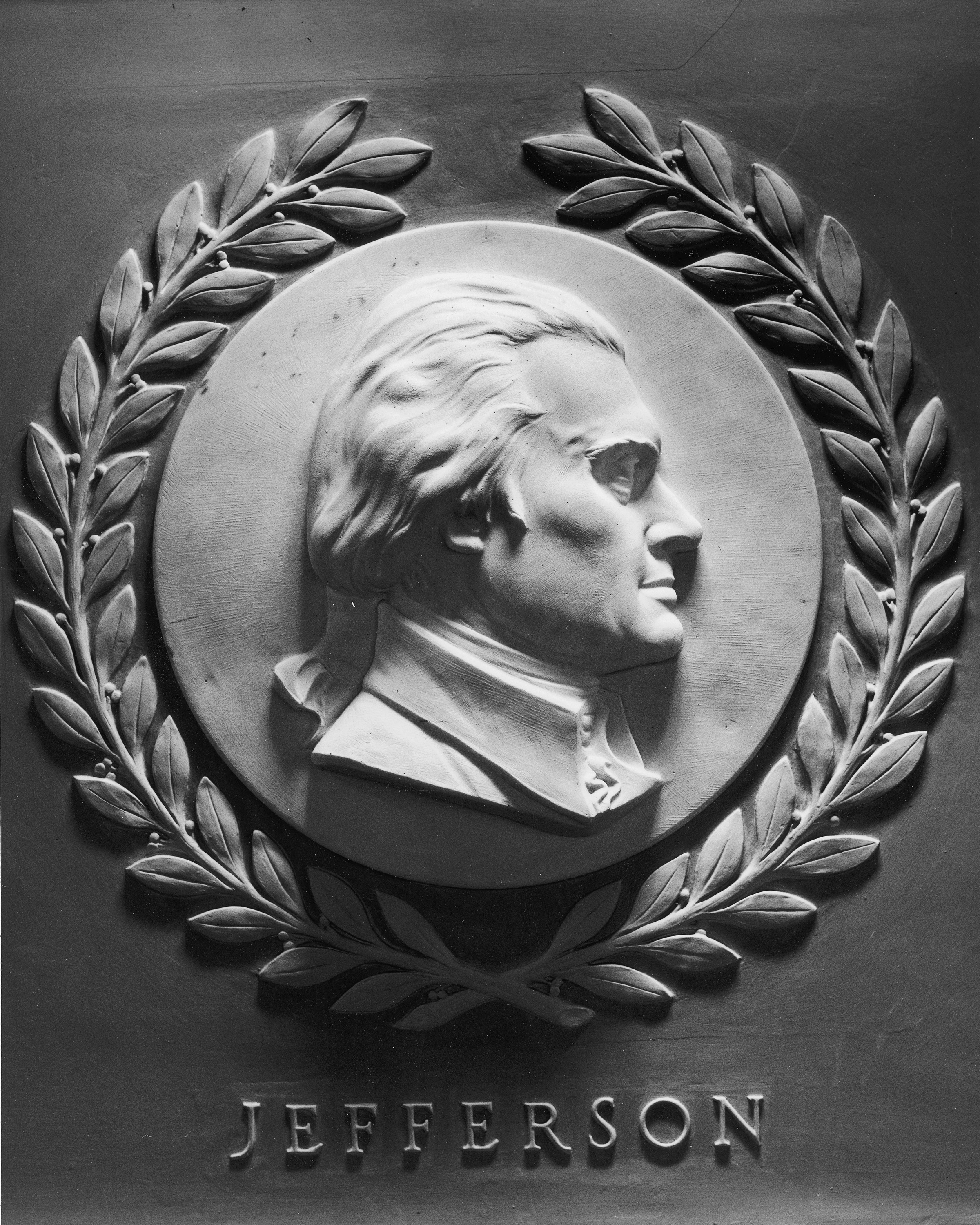
Thomas Jefferson |
1743–1826 |
Thirteen Colonies/United States |
|
American |
Author of the United States Declaration of Independence and Virginia Statute for Religious Freedom; early American legal influence |
23 |
Napoleon Bonaparte |
1769–1821 |
French First Republic/First French Empire (born during the Kingdom) |
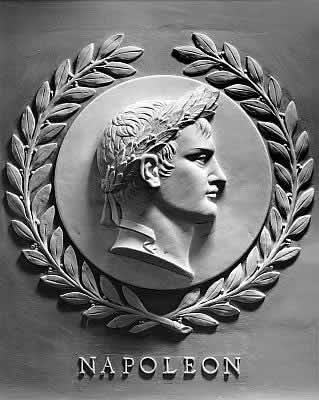
|
French / Civil law |
Overseer of the Napoleonic Code; major influence on civil law tradition |
Selection and interpretation
The 23 figures depicted in the House bas-relief series were chosen in the late 1940s by a committee of Members of Congress in consultation with the Architect of the Capitol and advisors from the University of Pennsylvania and the Historical Society of Washington, D.C.. The marble reliefs were installed in 1950. The selection reflects a deliberate focus on individuals who codified, interpreted, or institutionalized legal systems, rather than on political philosophers or theorists.
Central to the series is Moses, who is depicted full-face at the center of the arrangement. All other figures appear in profile facing toward Moses, symbolically acknowledging the influence of earlier lawgivers on subsequent legal traditions. This positioning emphasizes a narrative of legal continuity, tracing a progression from ancient codes and religious law through medieval canon and civil law, culminating in early American constitutional development.
The series includes figures from a broad range of legal traditions, including Babylonian, Roman, Byzantine, Jewish, Islamic, French, English, and American law. Scholars have noted that the selection reflects mid-20th-century American perspectives on legal history, emphasizing codification, jurisprudence, and institutional authority. Figures such as John Locke and Montesquieu, while influential in political theory, are not included, consistent with the program’s emphasis on practical lawgivers rather than abstract theorists.
The House bas-reliefs are frequently compared with the Supreme Court frieze of lawgivers, which also depicts historical figures influential in law and governance.Unlike the Supreme Court series, the House program places greater emphasis on codifiers and jurists, highlighting the development of legal structures rather than the broader philosophical foundations of government. Scholars also observe that, while the series incorporates legal traditions from multiple cultures, it reflects a Euro-Mediterranean and Judeo-Christian focus, with limited representation of South Asian, African, Indigenous American, or East Asian legal thinkers. Overall, the reliefs are interpreted as a symbolic genealogy of law, intended to inspire legislators and visitors with the historical roots of legal authority, and to situate American law within a broader global and historical context.