Pueblo Ingles
The term Pueblo Ingles refers to a type of English language immersion program operational in Spain since 2001. Each course sees a group of Spanish people living alongside people from English-speaking countries, communicating solely in English, for a period of one week. As such the courses adopt a more hands-on, immersion approach, in place of traditional classroom methods. The term ‘pueblo’ refers to one of the rural venues where the courses take place, tending to be located in remote areas, away from significant Spanish populations, thus encouraging the Spanish participants to disconnect from their normal lives and adapt to a purely English-speaking environment. 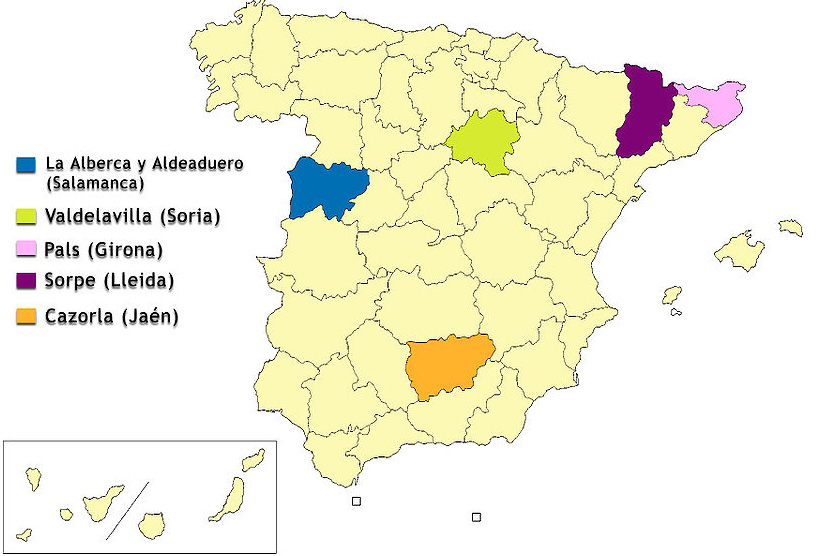
The Villages
VALDELAVILLA (Soria)
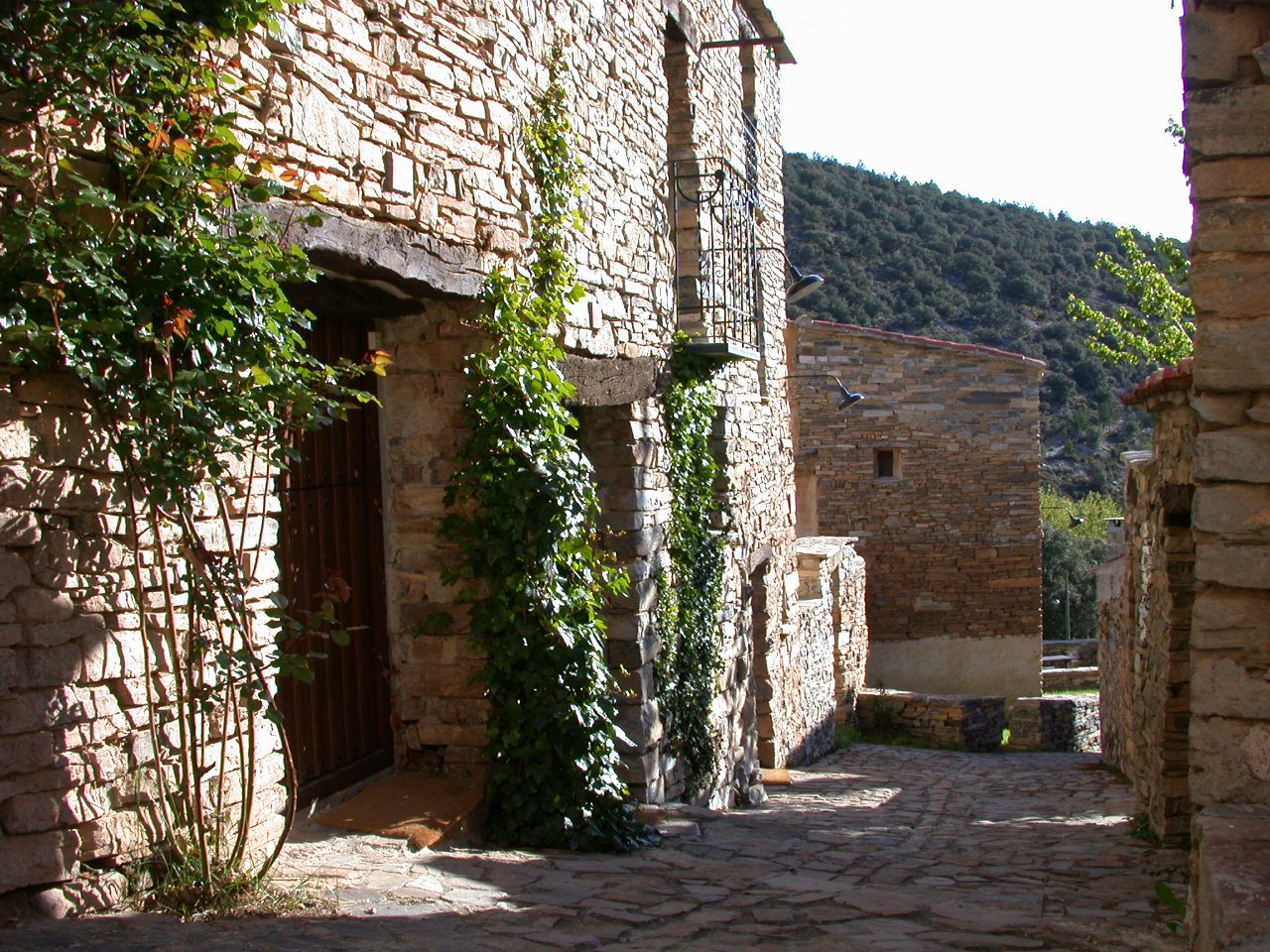 The language immersion program called Pueblo Ingles was born in Valdelavilla, a small village in the North of the Spanish province of Soria. Valdelavilla, which had been abandoned during the 1960’s, was reconstructed in 1998 for rural tourism and maintains its original architectural style. The Rural Touristic Complex of Valdelavilla, close to the village of San Pedro Manrique, is made up of 12 houses, with 41 rooms and a capacity of 73 people. This site hosts Pueblo Ingles programs annually between the months of April and October.
LA ALBERCA (Salamanca)
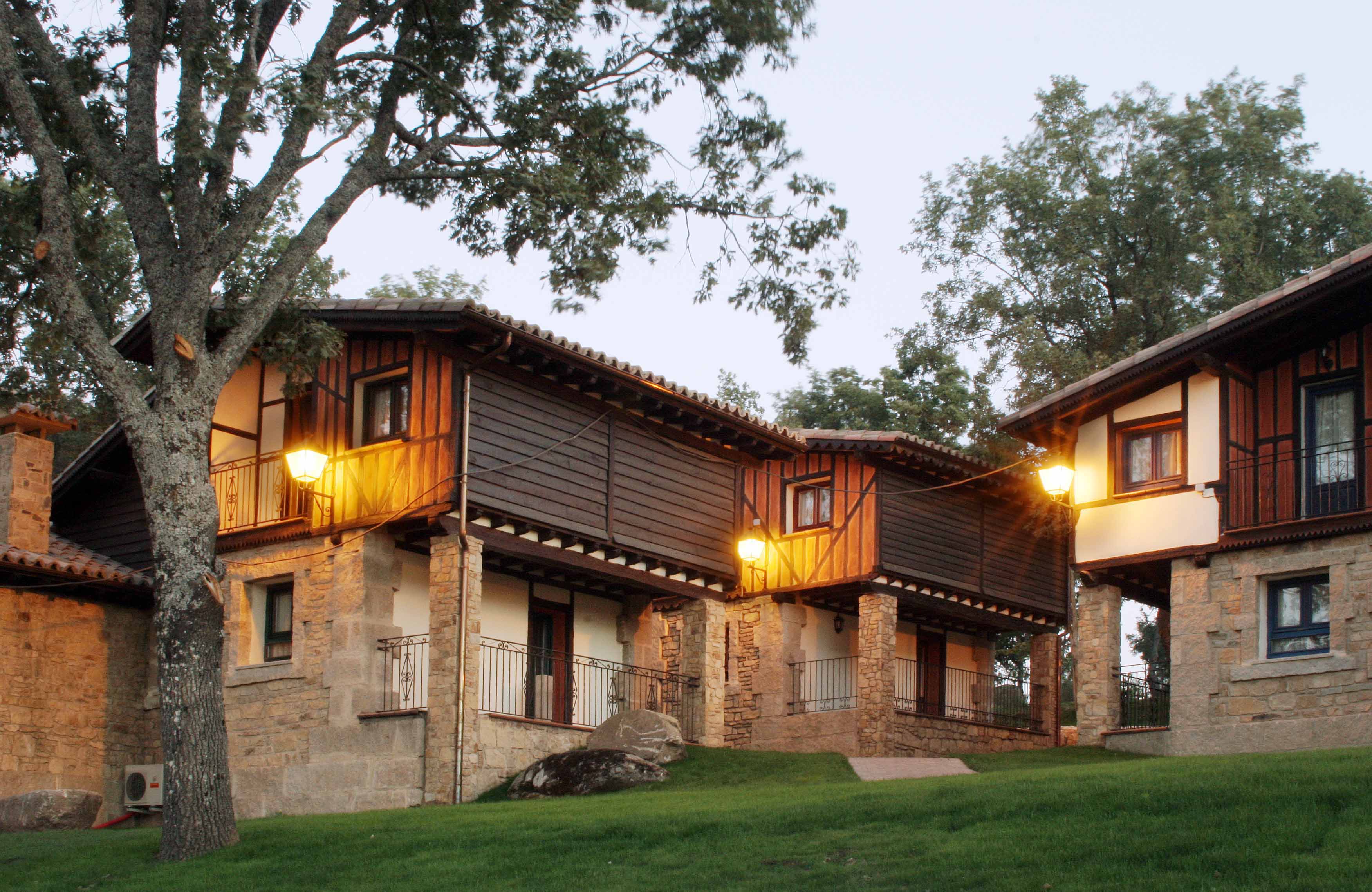 Three years after the creation of the Pueblo Ingles program in Valdelavilla, a second site was opened to host the courses in La Alberca, Salamanca province. These courses take place in the grounds of the Abadia de los Templarios Hotel, a resort which demonstrates architecture typical of the local area. Similar samples can be seen within a few kilometres, in the village of La Alberca, which is listed by Spain’s Minister of Culture for its exceptional traditional architecture built from stone, mortarboard and wood. In this Salamancan setting, close to the Sierra de Francia, linguistic immersion courses take place throughout the year, both for adult and for teenagers between the ages 13 and 18 years.
UMBRÍA (Italia)
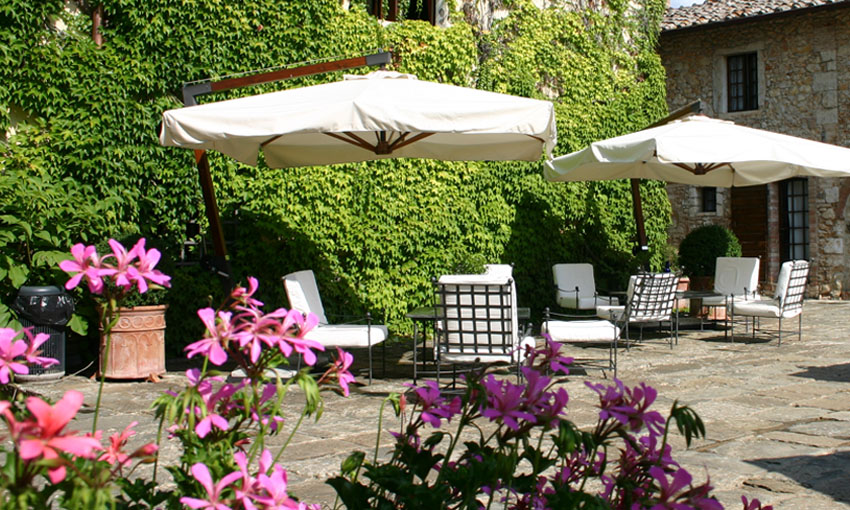 In 2005 the first Pueblo Ingles program outside of Spain took place in the Umbria region of Italy, based in the small area of Cittâ de Castello, a medieval village which was restored using the traditional materials and architectural design of the area. The site hosts English immersion courses between the months of May and October.
CAZORLA (Jaén)
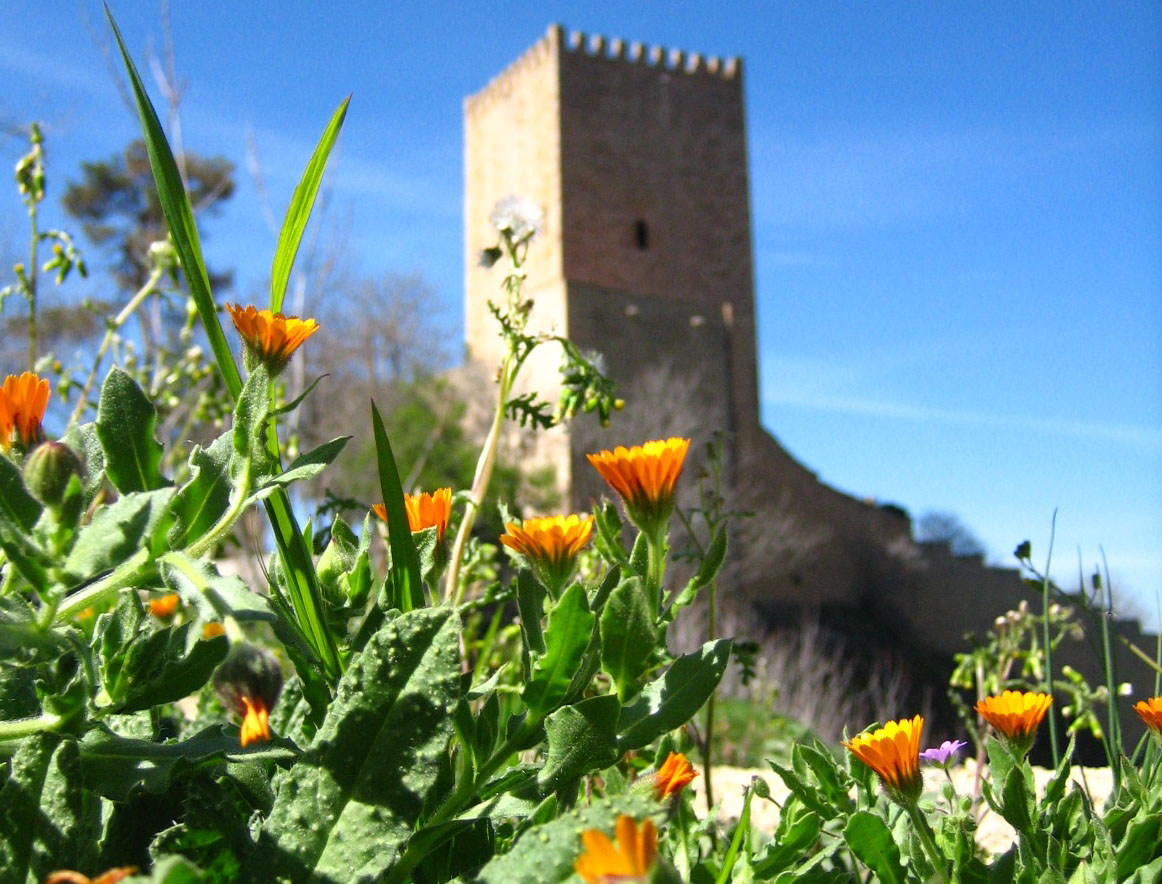 In the last four years Pueblo Ingles has started programs in three new venues: in the Sierra de Cazorla (Jaén), in Pals (Gerona), and in Aldeaduero (Salamanca).
The immersion courses in Jaen take place in the ‘Hotel Villa Turística de Cazorla’, situated in the heart of the ‘Natural Park of Cazorla’, declared Biosphere Reserve in 1983, and Natural Park in 1986. Covering over 214,000 hectares, it is the largest Natural Park in Spain. The Pueblo Ingles programmes are operated there between May and November.
PALS (Girona)
Since 2007 a site in Pals (Gerona) has hosted a series of English immersion programmes that, unlike the rest of the Pueblo Ingles programmes, include English teachers in addition to native English speakers. The courses operate out of the Masía de Mas Salvi, a seventeenth century building, located within a kilometre of the village of Pals.
ALDEADUERO (Salamanca)
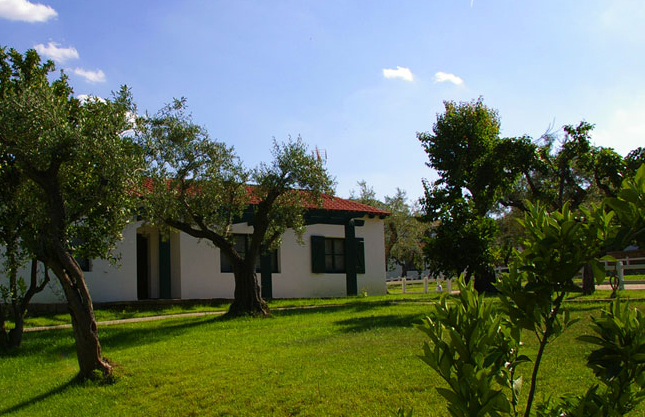 Aldeaduero is a 1,000 year old village, situated in the Salto de Saucelle, by the Duero river, a natural border between the province of Salamanca and Portugal. While its history goes back to the Lusitanians and the Arabs, by the 20th century, the zone housed an important hydroelectric centre that utilised the energy of the River Duero. Around the dam a small community was formed by a group of workers and they inhabited the area for 40 years. In 2008 the site was first used for ‘Pueblo Ingles’, for children and teenagers in the summer, and for adults during the rest of the year.
Latest Sites
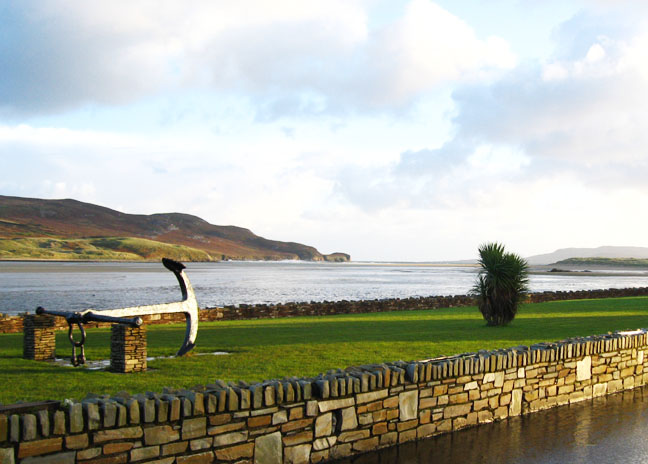
In 2008 a pilot program took place in Dunfanaghy (Ireland) which combined learning English with playing golf. Summer 2009 sees the opening of a new venue for the TeenTown program in Sorpe (Aran Valley), right in the heart of the Catalan Pyrenees.