
Public Defender (Brazil)
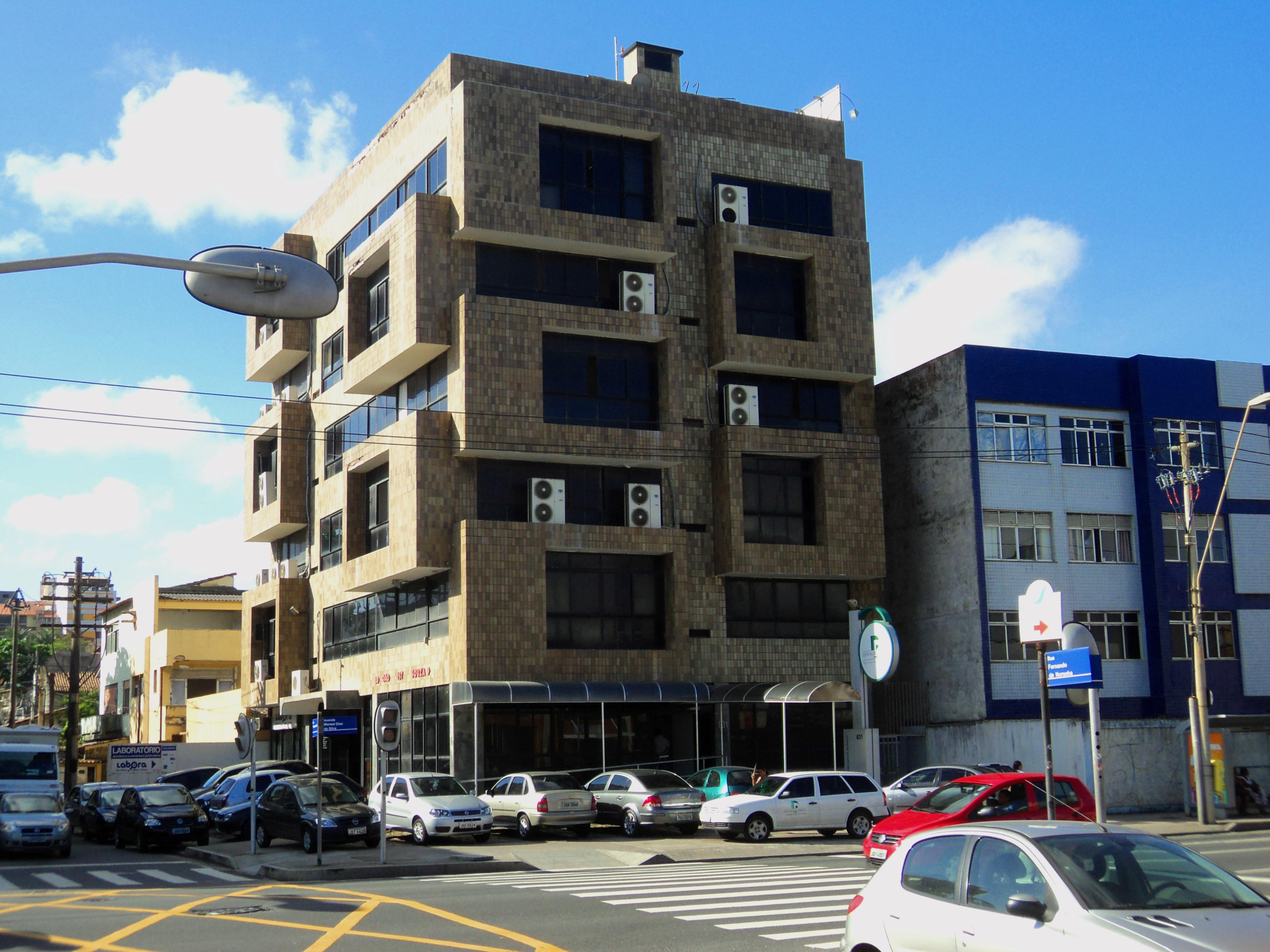 The Public Defender in Brazil had its origin in the State of Rio de Janeiro, where on May 5, 1897, a decree established the free legal assistance in the Federal District (then the city of Rio de Janeiro).
With its constitutional mission of ensuring the constitutional principles of access to justice and equality between the persons, and the right to enforcing rights and fundamental freedoms (the right to have rights), Brazil stands out nationally and internationally as one of the most important public institutions, primarily committed to democracy, equality and building a more just and caring society.
The Public Defender is the state agency that meets the state to provide full and free legal assistance to people who do not have the funds to pay the costs of these services, according to the Federal Constitution of Brazil. This is because the full and free legal assistance to poors is right and a fundamental guarantee of citizenship, inserted in the art. 5 of the Constitution of the Republic, LXXIV item, and the Constitution requires the Union to the States of Brazil and the Brazilian Federal District unremovable the duty of providing it, and directly by the Government through the Public Defenders Office, stating that the Public Defender is installed across the country, similar to the supplemental law in paragraph one of art.134 (LC 80/94). A gratuity of justice covers legal fees, expert testimony and court costs or extra-judicial.
Demographics
According to the 2009 Brazilian Public Defender Census:
Gender
- In the Public Defender of Union 65.4% was male and 34.6% was female.
- In the Public Defender of the States, 50.1% was male and 49.6% was female.
[...] orientation
- In the Public Defender of Union 94.6% was Heterosexual, 2.1% was Homosexual, and 0.4% was Bisexual.
- In the Public Defender of the States, 95.6% was Heterosexual, 0.9% was Homosexual, and 0.4% was Bisexual.
Race
- In the Public Defender of Union 67.5% was White, 14.6% was Pardo, 10.8% was Asian, 3.8% was Black, and 0.4% was Amerindian.
- In the Public Defender of the States, 77.3% was White, 18% was Pardo, 2.2% was Black, 1.1% was Asian, and 0.2% was Amerindian.
Religion
- In the Public Defender of Union 59.6% was Catholic, 17.9% was Non-religion, 8.3% was Spiritist, and 5.8% was Protestant.
- In the Public Defender of the States, 65.1% was Catholic, 12.3% was Non-religion, 10.2% was Spiritist, and 7.5% was Protestant.
Career
The Public Defenders are people trained in law of Brazil and joining the public defender with at least two years of experience, by passing a rigorous contest of tests and titles. In defending the interests of their Public Defenders have assisted performance in the first and second degrees of jurisdiction, with title and specific responsibilities in the matter being discussed.
The Defender is independent in its object, litigating on behalf of the interests of those assisted in all instances, regardless of who occupies the opposite pole of the procedural relationship, whether natural or juridical person, the government or private management, in all its segments.
Areas
The areas of performance of Public Defender in Brazil are:
- Civil law (Direito Civil);
- Consumer law (Direito do Consumidor);
- Family law (Direito de Família);
- Elderly law (Direito do Idoso);
- Child adolescent law (Direito da Criança e do Adolescente);
- Trusteeship (Curadoria);
- Penal law (Direito Penal);
- Human rights (LGBT rights) (Direitos Humanos e Direitos LGBT);
- Domestic violence against woman (Violência doméstica contra a mulher).
See also
- Law of Brazil
- Public defender
- Anti-discrimination laws in Brazil
- Human rights in Brazil
- LGBT rights in Brazil
- Public Ministry (Brazil)
- Due process of law
References
pt:Defensoria Pública