
Power, People and the past a state journey's through Culture, History and Politics in Adamawa State
Adamawa is one of Nigeria’s prominent states, Formed in 1991 from the breakup of the former Gongola State, Adamawa has been a politically significant and heterogeneous state (many ethnic groups, a mix of traditional emirates and modern political institutions). Politics in Adamawa combines local patronage networks, party competition at the state and national levels, the influence of prominent political “heavyweights,” and recurring security and development challenges that have shaped electoral outcomes and governance.
Historical background
The 19th-century kingdom of Adamawa represents one of the best case studies of a multi-ethnic polity in pre-colonial Africa, where centuries of interaction between different groups produced a veritable ethnic mosaic.
Situated in the northeastern part of the country. Known for its cultural diversity, rich history, and geographical importance, The region has long served as a crossroads of trade, migration, and cultural exchange. Its capital city, Yola, lies on the banks of the Benue River and stands as a symbol of the state’s enduring historical legacy. The history of Adamawa is deeply tied to the Fulani Jihad of the early 19th century. In 1809, Modibbo Adama bin Ardo Hassana, a disciple of Usman dan Fodio, led a series of Islamic campaigns in the region. His leadership laid the foundation of the Adamawa Emirate, which became an important emirate under the Sokoto Caliphate. The emirate extended beyond present-day Nigeria, covering parts of Cameroon, Chad, and the Central African Republic.
Colonial intervention in the late 19th and early 20th centuries altered the emirate’s structure. With the European “Scramble for Africa,” Adamawa was partitioned between the British and the Germans. The British retained the western portion (now part of Nigeria), while the Germans took the eastern side (today within Cameroon). This division shaped the region’s cultural and political trajectory. Adamawa State was created in 1991 from the former Gongola State. Geographically, it is characterized by fertile land and valleys,
Cultural perspective
Culture has been aptly descried as "The totality of the way of life evolved by a people in their attempts to meet the challenge of living in their environment' According, culture is what gives order and meaning to the linguistic, social, political, economic, aesthetic, religious and philosophical modes and organization o a people, nation and ethic group. Nigeria is a multi-ethnic or multi-natural entity. The distinct political cultures influenced the emergency o cities and urban center's in Nigeria. City are usually associated with kingdoms. Its take a lot o political ingenuity and sophistication with kingdoms.
Fulani communalities spread across the entire west Africa severance region. In Nigeria the fulani are generally scattered over the area classified in this chapter as the Northerner, and the central zones. There are however large concentration in Sokoto, Bauchi and Gombe and Adamawa . The original homeland o the Fulani is the Senegal River valley are where they were derived from is miscegenation between the local inhabitant and Berber immigrants the one agricultural and Negroid. The other pastoral and Caucasoid.
Some of the ethnic groups are listed below.
ETHNIC GROUP |
LOCATION |
|---|---|
Bachana |
Adamawa |
Batta |
Adamawa |
Bura |
Adamawa |
Chamba |
Adamawa |
Fali |
Adamawa |
Fulani |
Adamawa |
Gengle |
Adamawa |
Gure |
Adamawa |
Gwandara |
Adamawa |
Holma |
Adamawa |
Hona |
Adamawa |
Kilba |
Adamawa |
Libo |
Adamawa |
Political Perspective
Political and social changes remain permanent features o f our contemporary world. Throughout human history, power relations, political structures, processes and norms have had to change either in response to internal dynamics or external ones or combination of both. In other instances , major economic changes have had far reaching political and social consequences in terms of changes or the transformation.
Some of political figures in Adamawa state.
Atiku Abubakar
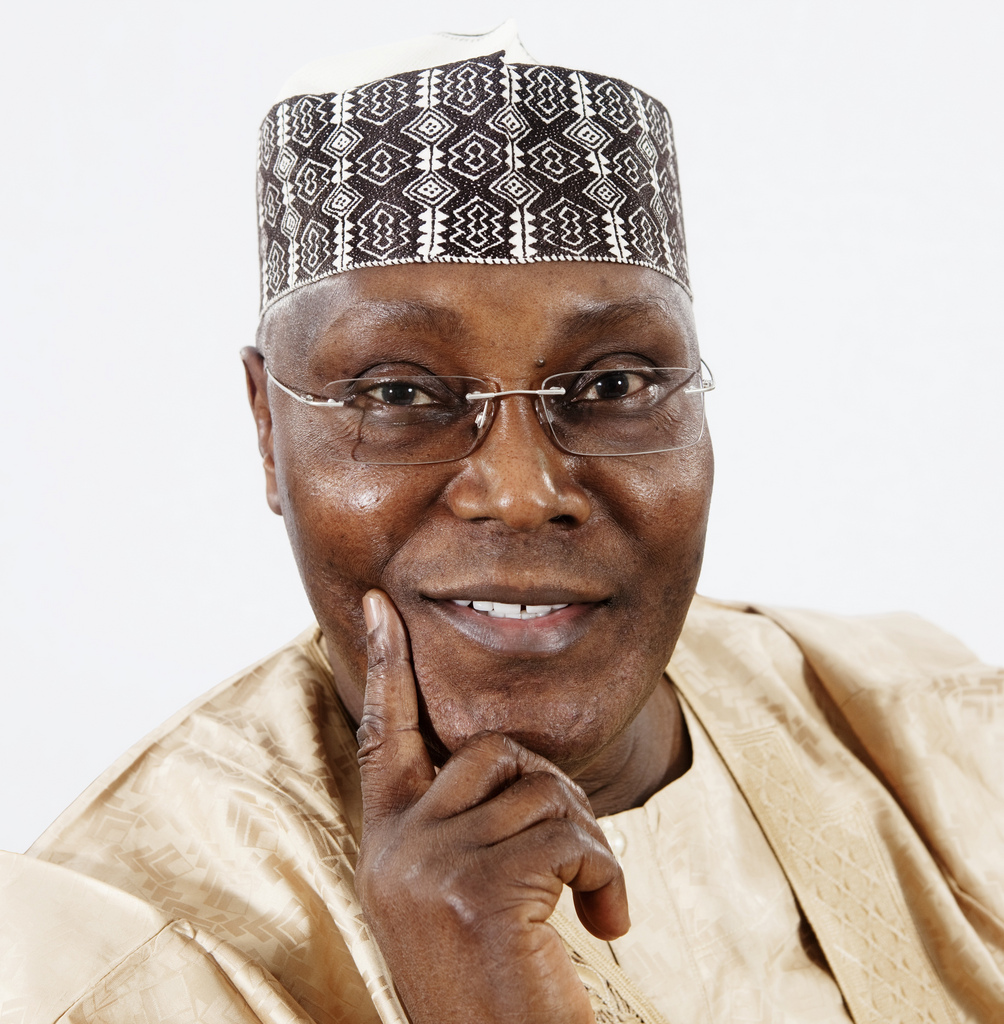 Atiku Abubakar — a long-standing national politician and businessman from Jada (in present Adamawa State). Atiku served as Vice-President of Nigeria (1999–2007) and has been a recurring presidential candidate. He is one of Adamawa’s most influential political personalities and has a broad national network that periodically affects state politics.
Boni Haruna
Boni Haruna— elected governor of Adamawa (1999–2007, PDP). Haruna’s two terms were important in shaping the early democratic politics of the newly created state.
Muritala Nyako
Murtala Nyako — retired naval officer and politician; governor of Adamawa from 2007 until his impeachment in 2014 (and briefly earlier in acting capacities). Nyako’s tenure was influential but controversial; he was the subject of impeachment and subsequent legal and political contests that exposed intra-state rivalries and federal-state interactions.
Mallam Nuhu Ribadu
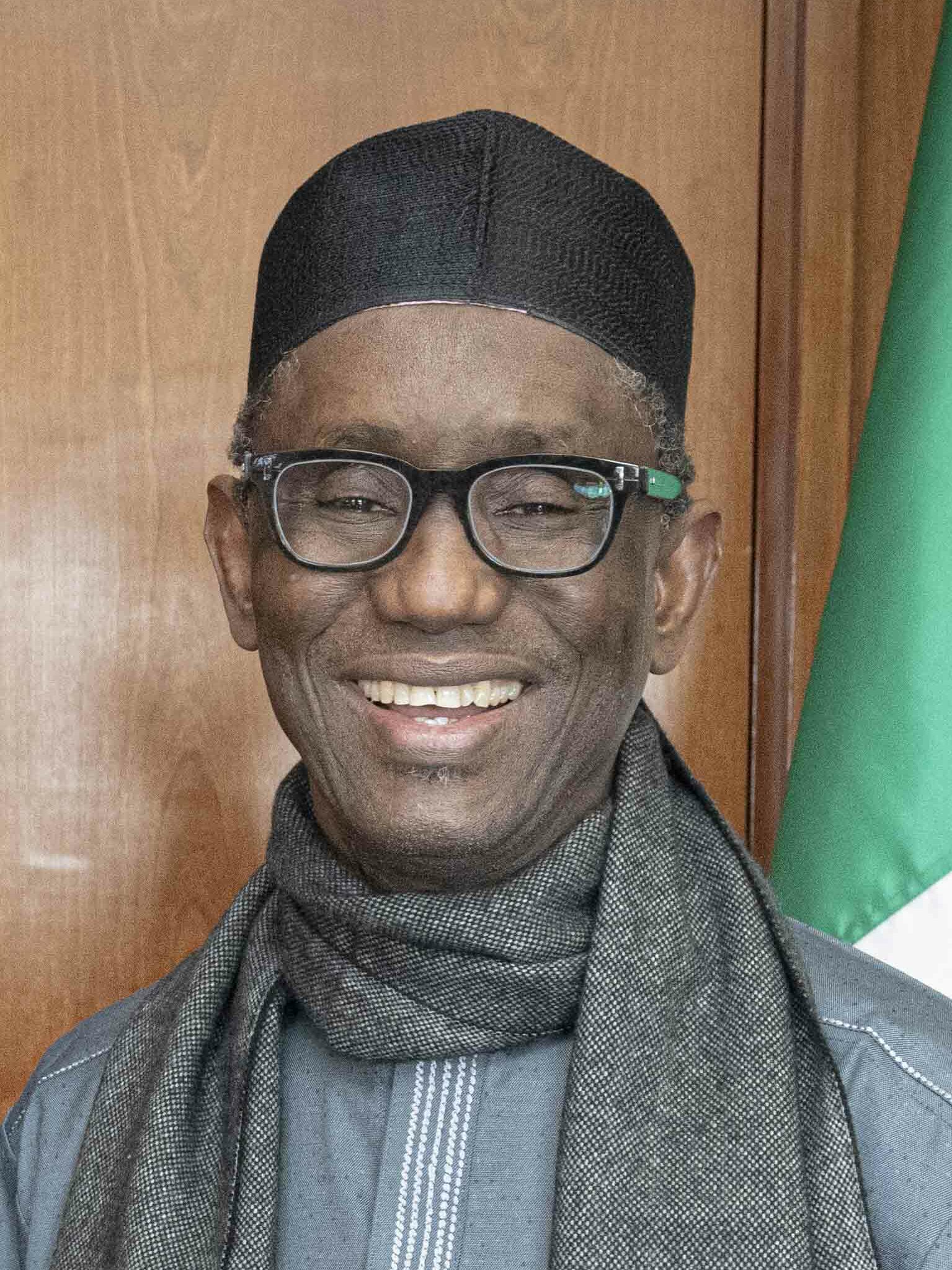 Mallam Nuhu Ribadu is a Nigeria lawyer, politician, and retired police officer, the pioneer executive chairman of the Economic and Financial Crimes Commission (EFCC) and presently national security adviser.
Ahmadu Umaru Fintiri
Ahmadu Umaru Fintiri long-time state legislator and Speaker of the Adamawa House of Assembly who has served as governor (acting in 2014 and elected in 2019 and re-elected in 2023). Fintiri’s ascendancy reflects the strength of legislative political networks and the PDP’s revival in the state in recent cycles.
Salihu Mustapha Esq
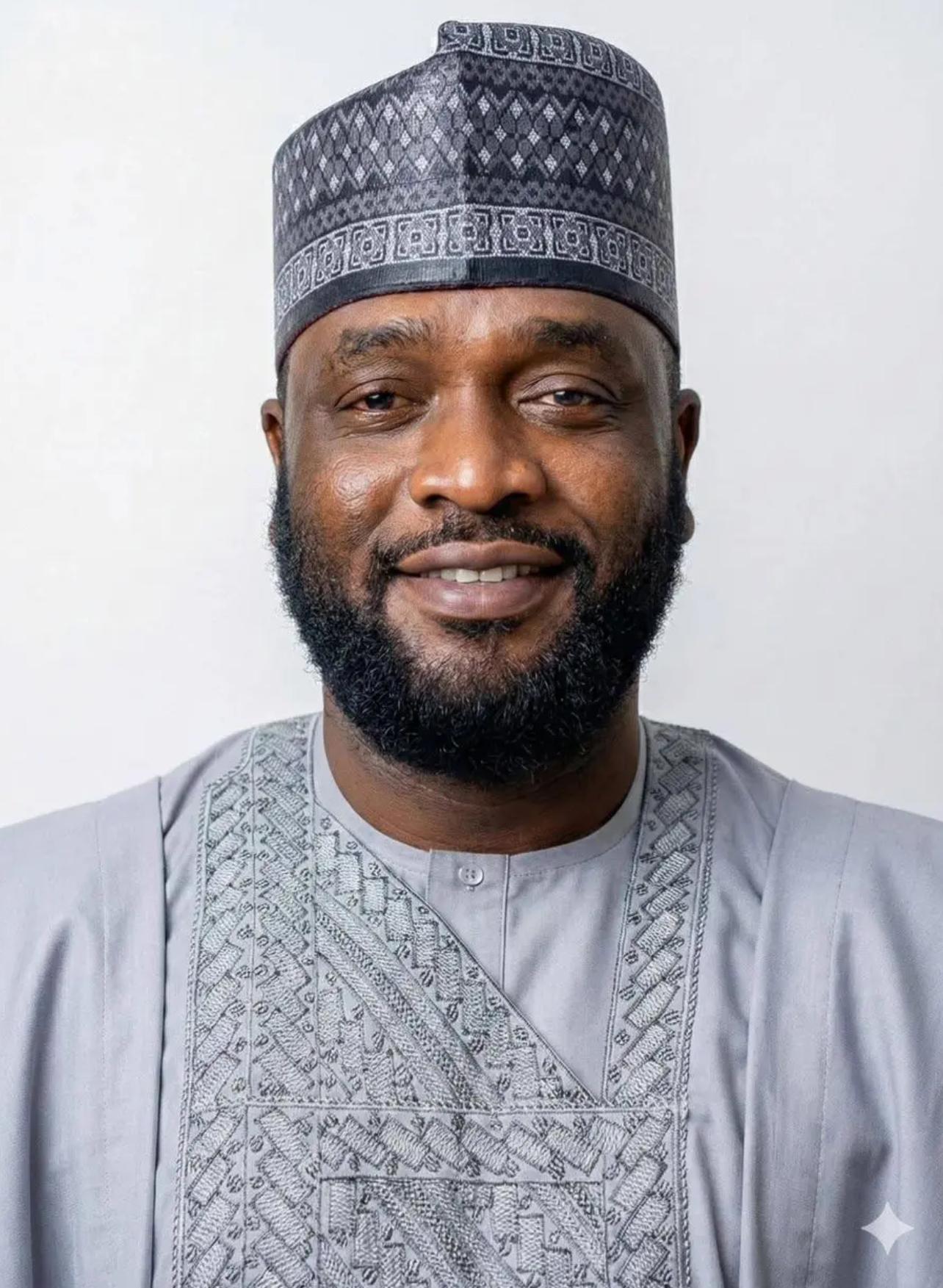 Salihu Mustapha Mustapha Salihu Ph.D,Msc,BSc,PFD,FCE.FiCEN,MCIBN (born 17 December 1976) is a Nigerian politician, Academia, Politician, Soldier. National vice chairman ( North-east) APC till date. He was a Candidate Member House of Representatives, Congress for Progressive Change(CPC),Yola North,Yola South, Girei Federal Constituency 2011.
Obtained a Bachelor’s degree in Sociology 2005 at Bayero University Kano, Kano . He later earned a Master in Conflict, Peace and Strategies Studies from Nile University, Abuja 2007. Study Law at Baze University,Abuja, Nigerian Law School Abuja, 2025. PhD, Conflict, Peace and Strategic Studies Specializing in Internal Security & [...] at Nile University, Abuja 2023.
Mallam Tasiu Mohammed
Mallam Tasiu Mohammed Born into the famous, large and egalitarian Muhammad Baba Amin Baballo family of Jimeta, Yola. Graduated with a Bachelor of Technology (Honours), Geography from the prestigious Federal University of Technology, Yola – Nigeria ( Modibbo Adamawa University) in 2008. 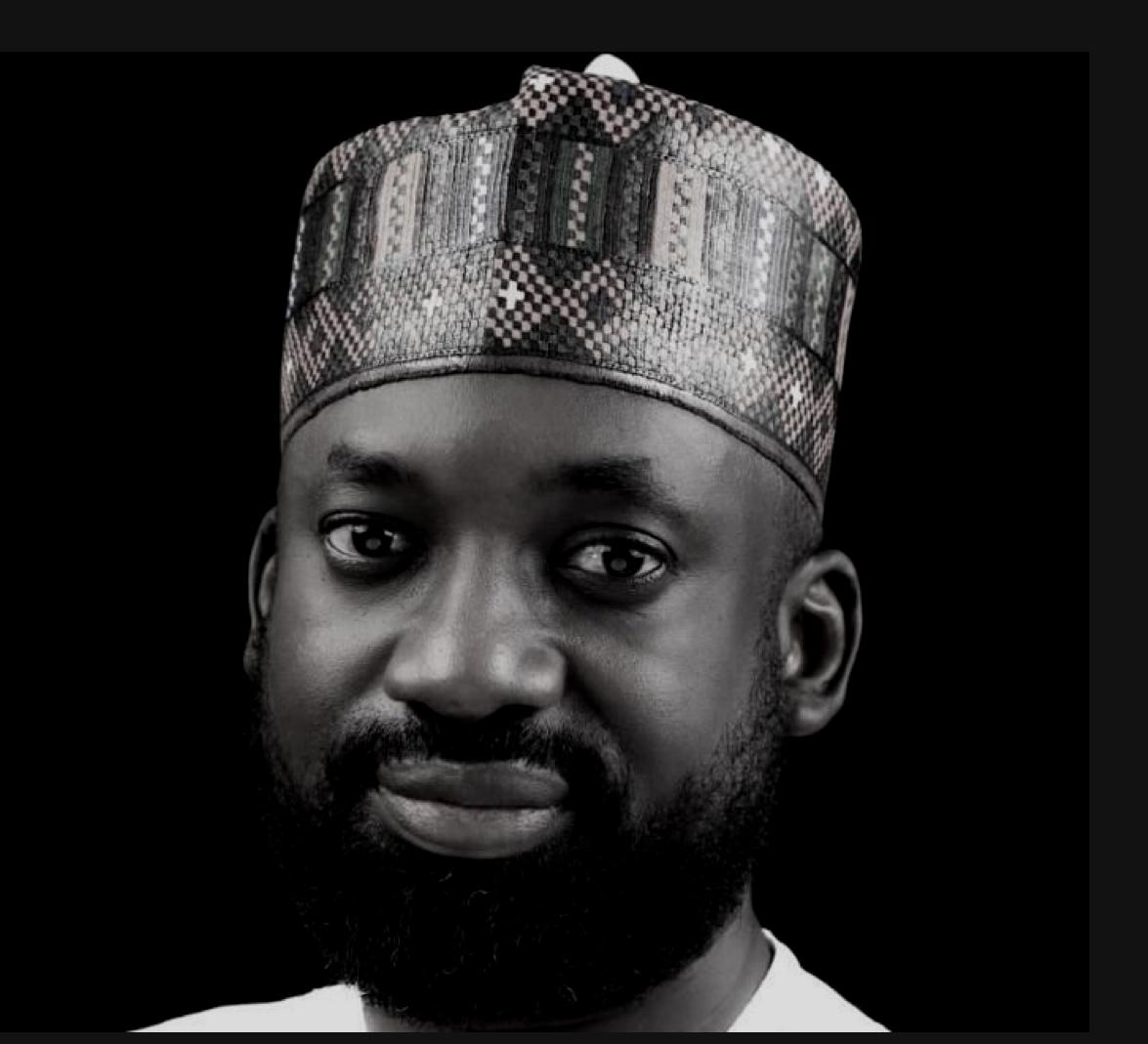 Following graduation from the Federal University of Technology, Yola, and later completion of the mandatory NYSC scheme for graduates of Nigerian origin under the age of 30, in 2009, which saw him serve as a graduate assistant, Human Resources Manager at Voices Synergy Nigeria Limited, publishers of ‘Murya’ and ‘Business Monthly’ magazines (2009 ); Consultant, Professional Services to USAID (FHI), FMC Yola (2008-2009); and Special Adviser (SA) to the Governor of Adamawa State, Admiral Murtala Nyako between 2007 and 2011.