
Phạm Ngũ Lão – Bùi Viện
Phạm Ngũ Lão was a ward () of District 1 in Ho Chi Minh City, Vietnam. It was extinct after July 2025, when the ward was merged into ward of Bến Thành.
Yet, the most bustling area here remains as a quarter for affordable hospitality service, coffee shops, drinking, clubbing, and dining with those main notable streets running through are Phạm Ngũ Lão Street, Bùi Viện Street and Đề Thám Street, so it is often referred to as the Phạm Ngũ Lão – Đề Thám – Bùi Viện or simply Phạm Ngũ Lão – Bùi Viện area.
History
As an administrative division
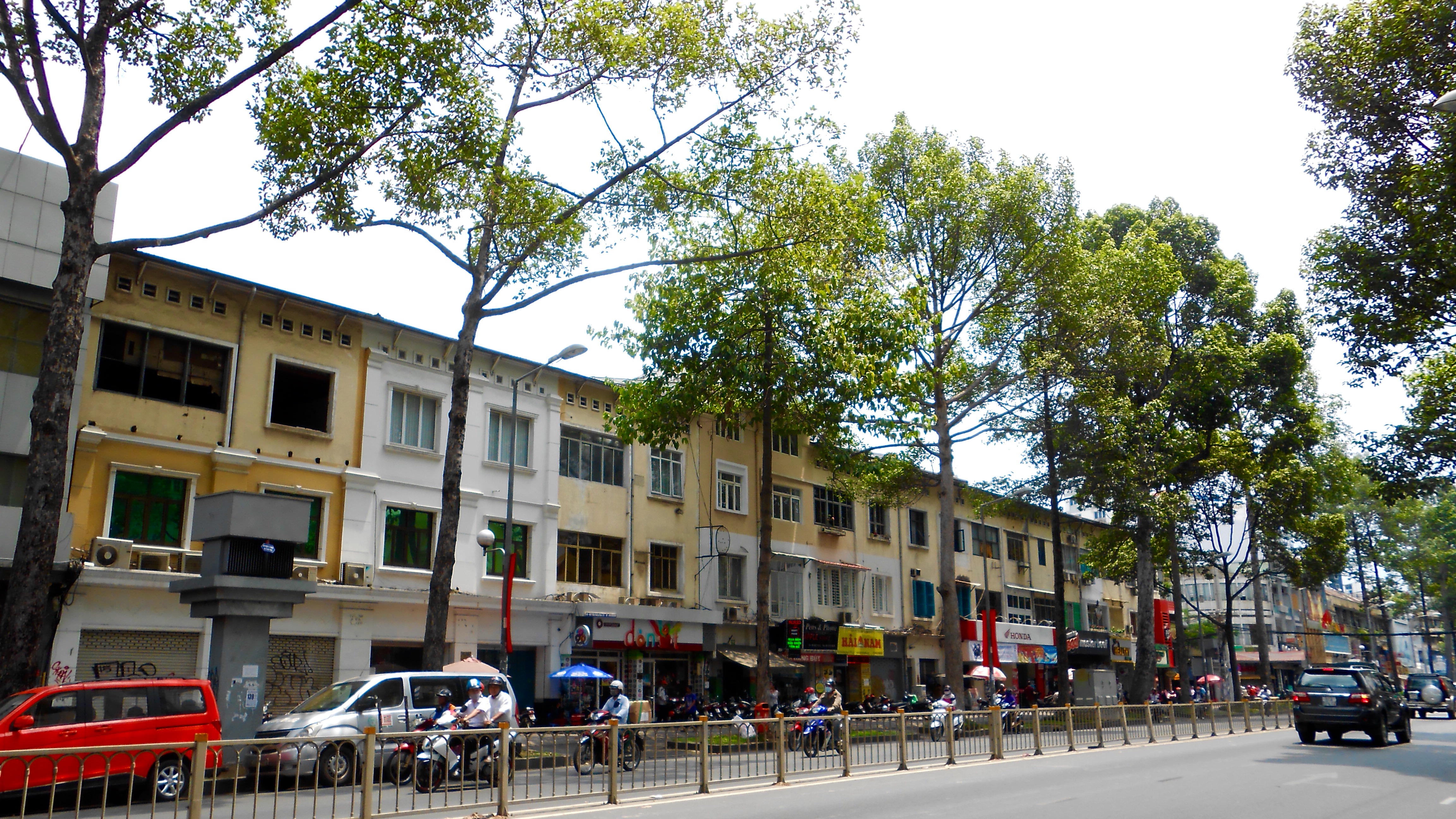 Before 1962, in the South Vietnam period, the area of Phạm Ngũ Lão ward nowadays was a major part of Cầu Ông Lãnh ward, the 2nd District (Quận Nhì), City of Saigon.
Since 1962, a part of Cầu Ông Lãnh ward was separated to establish the Bùi Viện ward.
After 1975, District 2 was merged into District 1 and Bùi Viện ward was dissolved into wards of 16 and 17 of District 1, Ho Chi Minh City. Ward 16 was later merged into Ward 13 (which was the Huyện Sĩ ward before 1975).
In 1989, Phạm Ngũ Lão ward was established after the annexation of wards of 13 and 17.
Since July 2025, following the administrative reform in Vietnam 2025, Phạm Ngũ Lão ward was dissolved and merged into ward of Bến Thành.
The form of the quarter
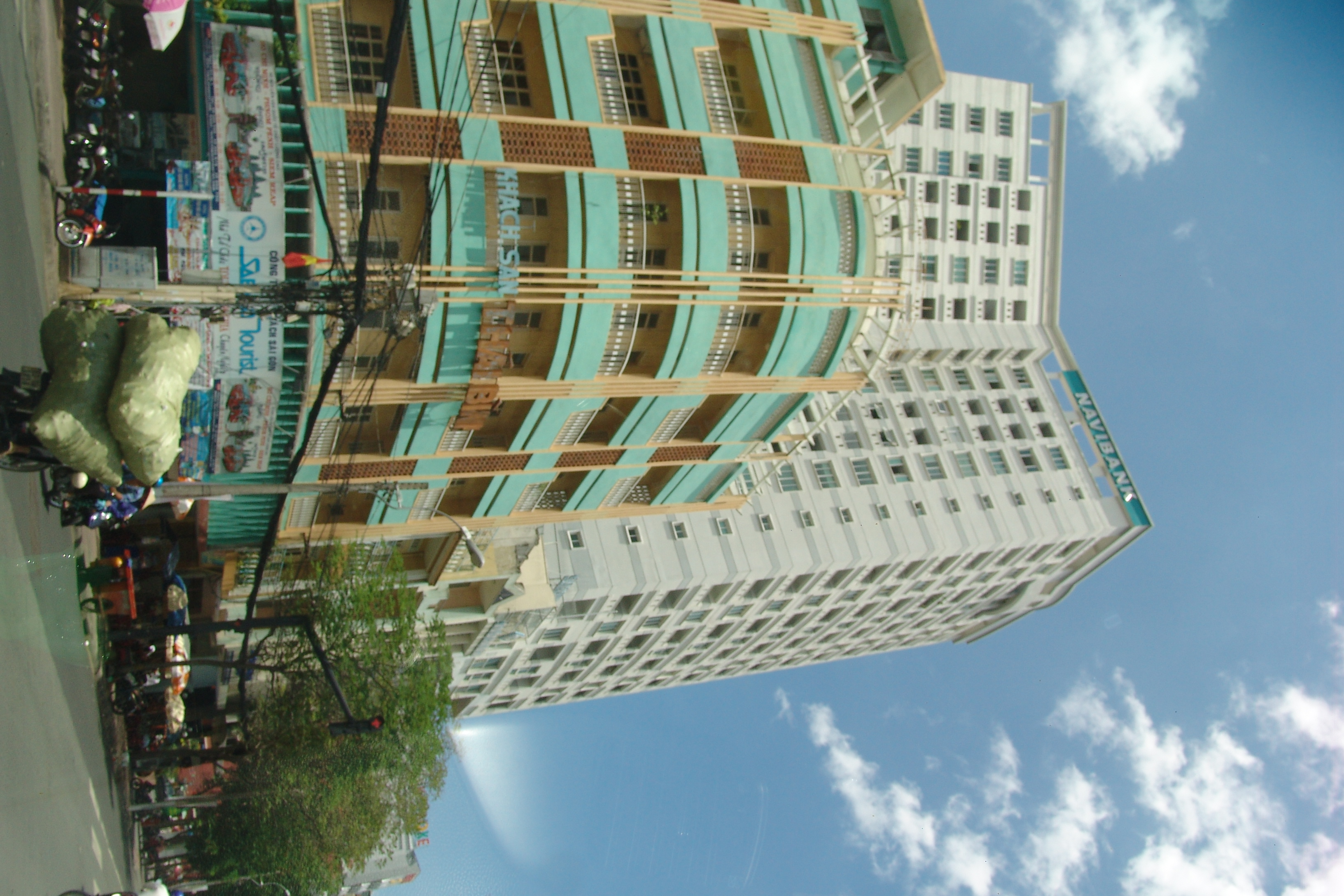 Phạm Ngũ Lão Street was formed when the French built the second Saigon railway station (the third and current Saigon station in District 3 previously called as Hòa Hưng station). Initially the street was temporarily called rue Latérale Sud de la Gare (South side street of the station), until 1917 when the station was put into operation, the street was named rue Colonel Grimaud. In 1955, the street was renamed to Phạm Ngũ Lão street, this name is never changed and still kept until now, the former Saigon railway station has relocate and became September 23rd Park in 1978.
Bùi Viện Street was the trail of Tân Hòa village before 1949. In 1950, the State of Vietnam named it as Bảo Hộ Thoại Street. Until 1955, the government of South Vietnam renamed it into Bùi Viện Street, named after the Vietnamese reformer and diplomat of the late 19th century Bùi Viện, and it has been kept until now.
From the South Vietnam period, the area of Phạm Ngũ Lão, Đề Thám and Bùi Viện street was nicknamed as 'International Crossroads' (Ngã tư quốc tế), as it was home to many print shops and newsrooms, also there was some popular theaters around this area with many coffee shops that celebrities or even locals usually come so celebrities can be easy to be spotted here, everyone gossips to each other and journalists can easily collect news here.
In 2017, Ho Chi Minh City was implementing the construction of Bùi Viện Street into a walking street. The entire route is being renovated and upgraded with sidewalks, roadways, lighting systems, and drainage. Bùi Viện Walking Street officially opened on 20 August 2017 and is the second pedestrian street in Ho Chi Minh City, after Nguyễn Huệ Boulevard, vehicles are prohibited on Saturday and Sunday in the time of 7 P.M til 2 A.M of the next day same with Nguyễn Huệ Boulevard.
Overview
Location
Phạm Ngũ Lão – Bùi Viện area is located in the southwest of Bến Thành ward. The main streets run through the area are Phạm Ngũ Lão, Bùi Viện, Đề Thám, Đỗ Quang Đẩu, Nguyễn Thái Học, Trần Hưng Đạo, Nguyễn Cư Trinh and Cống Quỳnh with many alleys from those streets.
In addition, there are several outer roads that tourists often come over while visiting the quarter like Lê Lai, Nguyễn Trãi, Tôn Thất Tùng, Nguyễn Văn Tráng, etc.
File:Cho Thai Binh, Pham ngu lao, q1 hcmvn - panoramio.jpg|Thái Bình Market, west end of the quarter File:Chung cu nguyen trai,nguyen quang dau, q1. hcm - panoramio.jpg|212 Lê Lai Apartment at intersection of Lê Lai, Nguyễn Trãi and Tôn Thất Tùng, viewed from Phạm Ngũ Lão Street File:Nha Tho huyen Sy-Phạm Ngũ Lão, Quận 1, TPHCM, Việt Nam - panoramio.jpg|Huyện Sỹ Church next to Phạm Ngũ Lão quarter File:Duong Bui Thi Xuan, Phuong Pham Ngu Lao, q1, hcmvn - panoramio.jpg|Co.opmart Cống Quỳnh, the first Co.opmart supermarket in Vietnam
Transports
There are several ways to access Phạm Ngũ Lão – Bùi Viện via public transport:
- HCMC Metro Line 1, 2, 4 and 12 (the last line only the prior station), Bến Thành station, Thái Bình Market station (proposed)
- Public bus routes 3, 4, 18, 53, 69, 109 at September 23rd Park bus station
Notable public places
The area is known as "Backpacker Street" or "Backpacker Quarter" (Khu phố Tây Ba lô), as this quarter is foreigners top-most favors for having plenty of travel agencies open here and accommodation services here are compared to be more affordable than the other quarters in the city center.
Moreover, the area is proper for pedestrian as the traffic here is usually clear, less traffic jam in this area. Some of pedestrian areas inside and nearby are: September 23 Park, Phạm Ngũ Lão Street, Bùi Viện Street, Đề Thám Street, Trần Hưng Đạo Boulevard. Those streets are also known for theirs vibrant nightlife with multiple food shops, restaurants, pubs and clubs. It is also home of some theaters, including Trần Hữu Trang Cải lương Theatre (also known for its former name Hưng Đạo Theatre as it is on Trần Hưng Đạo Boulevard), 1500-seat Lotus Outdoor Theatre (, in the September 23rd Park, currently not in use)
File:Trạm Thông tin và Hỗ trợ khách du lịch.jpg|alt=Trạm_Thông_tin_và_Hỗ_trợ_khách_du_lịch|September 23 Park with Ho Chi Minh City Visitor Information and Support Center located here, in front of street corner of Phạm Ngũ Lão - Đề Thám File:Bui Vien Walking Street 1.jpg|alt=Bui_Vien_Walking_Street_1|Bùi Viện Walking Street Welcome Gate at Trần Hưng Đạo Street corner File:Rap Hat cai luong, tran hung dao, phuong Nguyễn Cư Trinh, Quận 1, TPHCM, Việt Nam - panoramio.jpg|Trần Hữu Trang Cải lương Theatre File:Duong tran Hung dao, phuong Cau Ông Lãnh, Quận 1, TPHCM, Việt Nam - panoramio.jpg|Công Nhân Theater File:Pham Ngu Lao street in Saigon.jpg|Lotus Outdoor Theatre