
Min Zin
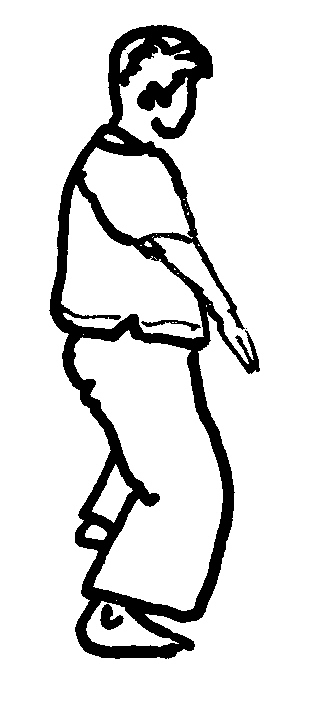
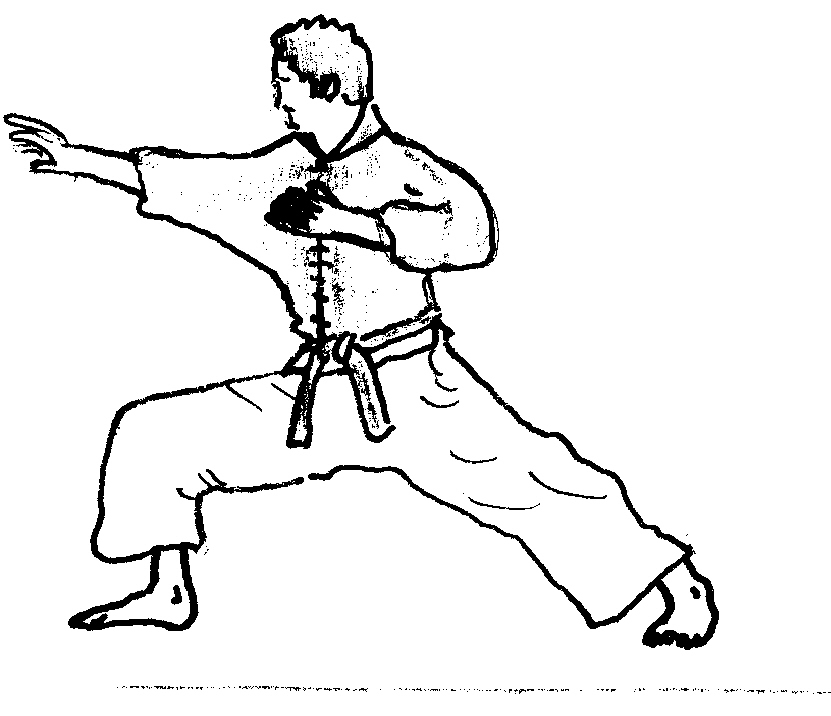
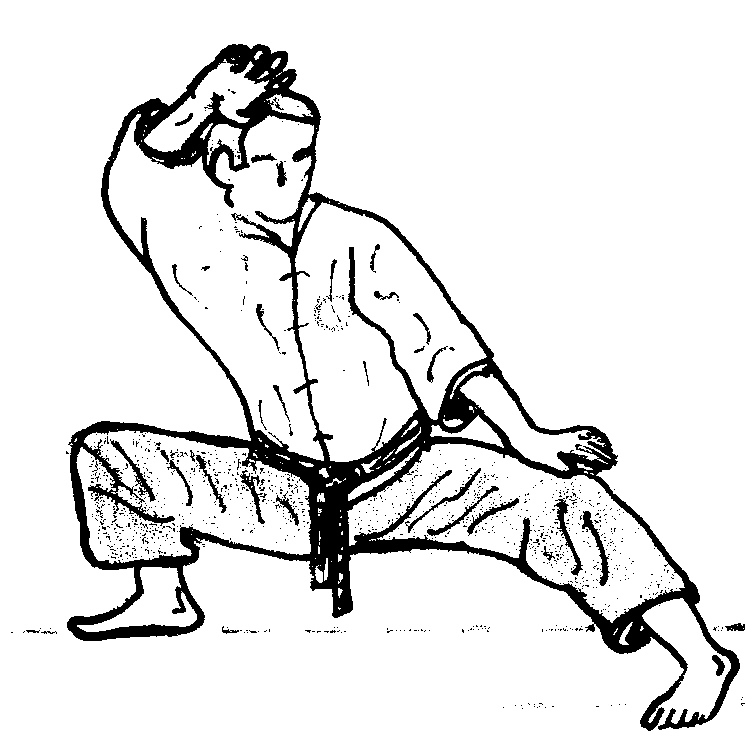 Min zin is a system of internal exercise similar to Chinese Chi Gong. There are several systems of generating internal energy. These system are still taught by Indian yogis, Tibetan lamas and Chinese monks. It is hightly probable that Min Zin was influenced by the systems of ancient India, Tibet and China. From 500 BC to 300 AD, northern Burma was a major crossroads between China, Tibet and India. For many centuries, thousands of monks from China traveled through Burma on their pilgrimage to the holy sites in India. Many of them settled in te monasteries on the northeastern borders between Burma and China. There monks taught different styles and systems of Chi Gong to local monks and other people.
There are different levels and types of Min Zin. There are also different purposes for Min Zin. The most important objectives are:
- 1- To control one's disruptive and destructive emotions,
- 2- To control one's physical well being and health,
- 3- To control one's emotional balance and spiritual tranquility.
It is a system of self-discipline to defend against various forms of threats:
- Physical threats
- Mental threats (negatives impules, drives, emotions...)
- Spiritual threats.
See also
- Burmese martial arts or Thaing (burmese)
- Bando, Pongyi thaing, Banshay
- Lethwei (Bando kickboxing)
- Naban
- Bando yoga
References
- Bando, philosophy, principles et practice, M.Gyi, IST EDition, 2000 : ABA online store
- Traditional Burmese Boxing, Zoran Rebac, Ed. Paladin Press, 2003
- Comprehensive Asian Fighting Arts, D.F.Draeger, R.W.Smith, Kodansha, 1969
de:Thaing fr:min-zin