
Maximiliano Ibáñez
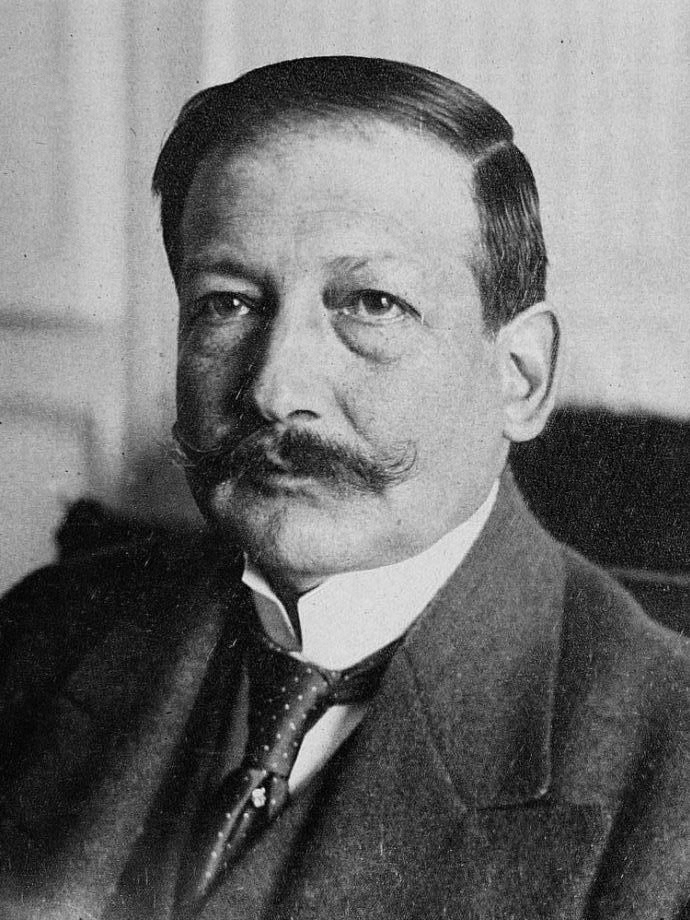
Maximiliano Ibáñez Ibáñez (2 April 1868 – 27 December 1933) was a Chilean lawyer, farmer, journalist, and Liberal Party politician.
He served several terms as a member of the Chamber of Deputies of Chile between 1894 and 1918 and briefly held office as Minister of Finance in 1904. He later pursued a diplomatic career, serving as Chilean minister to France from 1918 to 1921.
Early life
Ibáñez was born in Linares on 2 April 1868, the son of Ramón Ibáñez and María Antonieta Ibáñez Rondizzoni. He married Teresa Barceló Lira.
He completed his secondary education at the Liceo de Talca and the Instituto Nacional before studying law at the University of the State, now the University of Chile. He qualified as a lawyer in April 1889.
Ibáñez subsequently travelled to Europe to continue his education with the support of the Chilean government. He studied at the École des Sciences Politiques in Paris and completed his doctoral studies in 1892. In May of that year, he was appointed professor of commercial law at the University of the State. He also became a member of the university's Faculty of Law and Political Science.
During the 1891 Chilean Civil War, Ibáñez served as secretary to the delegation representing the government established at Iquique in Paris. In this capacity, he helped prepare the delegation's report on its activities in Europe.
Political career
A member of the Liberal Party, Ibáñez entered the National Congress in 1894 as a deputy for Linares. He represented Linares, Parral and Loncomilla during the 1894–1897, 1897–1900, 1900–1903 and 1903–1906 legislative terms. He subsequently represented Santiago, serving during several legislative periods through 1918.
During his parliamentary career, Ibáñez took part in the political debate surrounding the 1898 Billinghurst–Latorre proposal concerning the status of Tacna and Arica. He was also involved in debates over Chilean monetary policy and supported a return to metallic currency while opposing the continued use of paper money.
In 1904, he served for several months as Minister of Finance. During his tenure, he dealt with disputes concerning nitrate properties and supported legislation establishing a six-month deadline for filing claims against the state relating to the demarcation of nitrate lands.
In 1913, Ibáñez was among the organizers of the Liberal Party convention that established the party's support for the political alliance then being formed. He was also involved in efforts to maintain the publication of the Liberal newspaper La Mañana in Santiago.
From 1926 onwards, Ibáñez largely withdrew from public affairs and devoted himself to agricultural activities on his estate in Linares. He died in Santiago on 27 December 1933, aged 65.
External links
- BCN Profile