
List of guests and residents of the Astor House Hotel (Shanghai)
Notable people who have stayed at the Astor House Hotel in Shanghai, China as guests or residents over the years include:
Notable guests
1860-1873
- Pioneering Swiss photographer Pierre Rossier stayed at the Astor House from June 1860 for several weeks;
- British military engineer Lt. Thomas Lyster (born 5 July 1840; died 17 August 1865), of the Royal Engineers, aide to Charles George Gordon (then commander of the Ever Victorious Army), stayed at the Astor House Hotel from 24 August 1862;
- Representatives of the Embassy of Japan stayed at the Astor House in February 1864 while negotiating with other foreign powers in Shanghai regarding the practical implications of extra-territoriality;
- American Charles Carleton Coffin, a journalist for The Boston Journal, and his wife, stayed at the Astor House Hotel in early 1868;
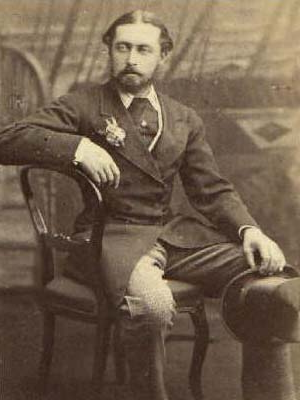
- Prince Alfred, Duke of Saxe-Coburg and Gotha, the Duke of Edinburgh, and second son of Queen Victoria of Great Britain, chose to stay at the Astor House Hotel when he visited Shanghai in 1869;
1873-1894
- Scotsman John Francis Campbell (1821–1885), authority on Celtic folklore, publisher of Popular Tales of the West Highlands, and inventor of the Campbell-Stokes sunshine recorder, was a guest at the Astor House in January 1875;
- American attorney Benjamin Robbins Curtis, Jr. (1855–1891) (the son and namesake of Benjamin Robbins Curtis, the former Associate Justice of the Supreme Court of the United States (1851–1857), and a lead defence attorney at the 1868 Impeachment of Andrew Johnson) stayed at the Astor House for three nights from 12 September 1875;
- Cornish antiquarian William Copeland Borlase (1848 – 31 March 1899), later a Liberal Member of Parliament for East Cornwall in 1880, and from 1886 Parliamentary Secretary to the Local Government Board, but resigned later that year due a scandal involving a Portuguese mistress, and bankruptcy, stayed at the Astor House from 30 May 1878;
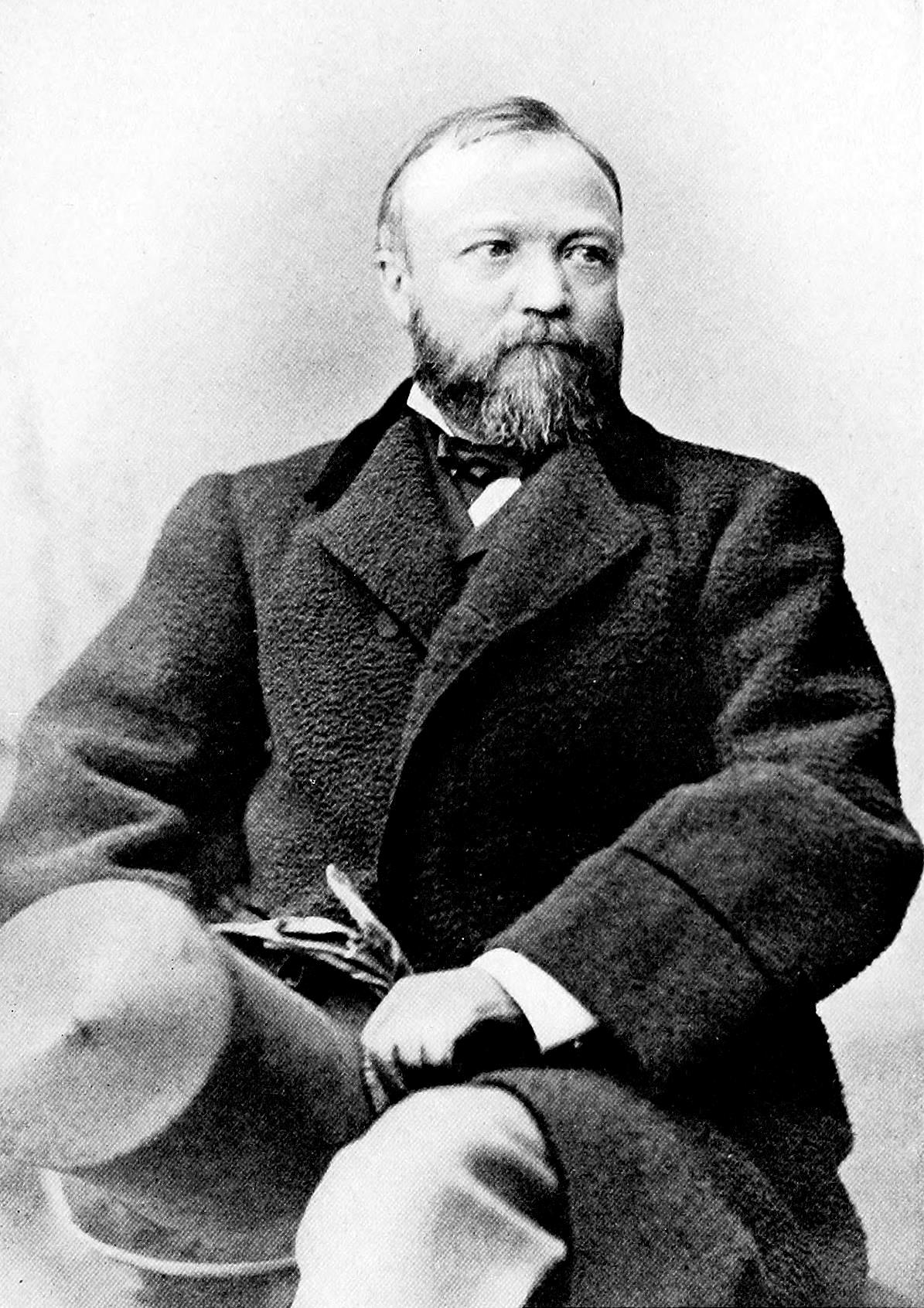
- Scottish American industrialist Andrew Carnegie stayed at the Astor House Hotel for almost a week from 5 December 1878;
- American adventurer Thomas Wallace Knox (born in Pembroke, New Hampshire, 26 June, 1835; died 1896), "one of the preeminent travel writers in the second half of the Nineteenth Century" and the author of 46 books, who had been court martialed by Ulysses S. Grant during the American Civil War, stayed at the Astor House in 1879;
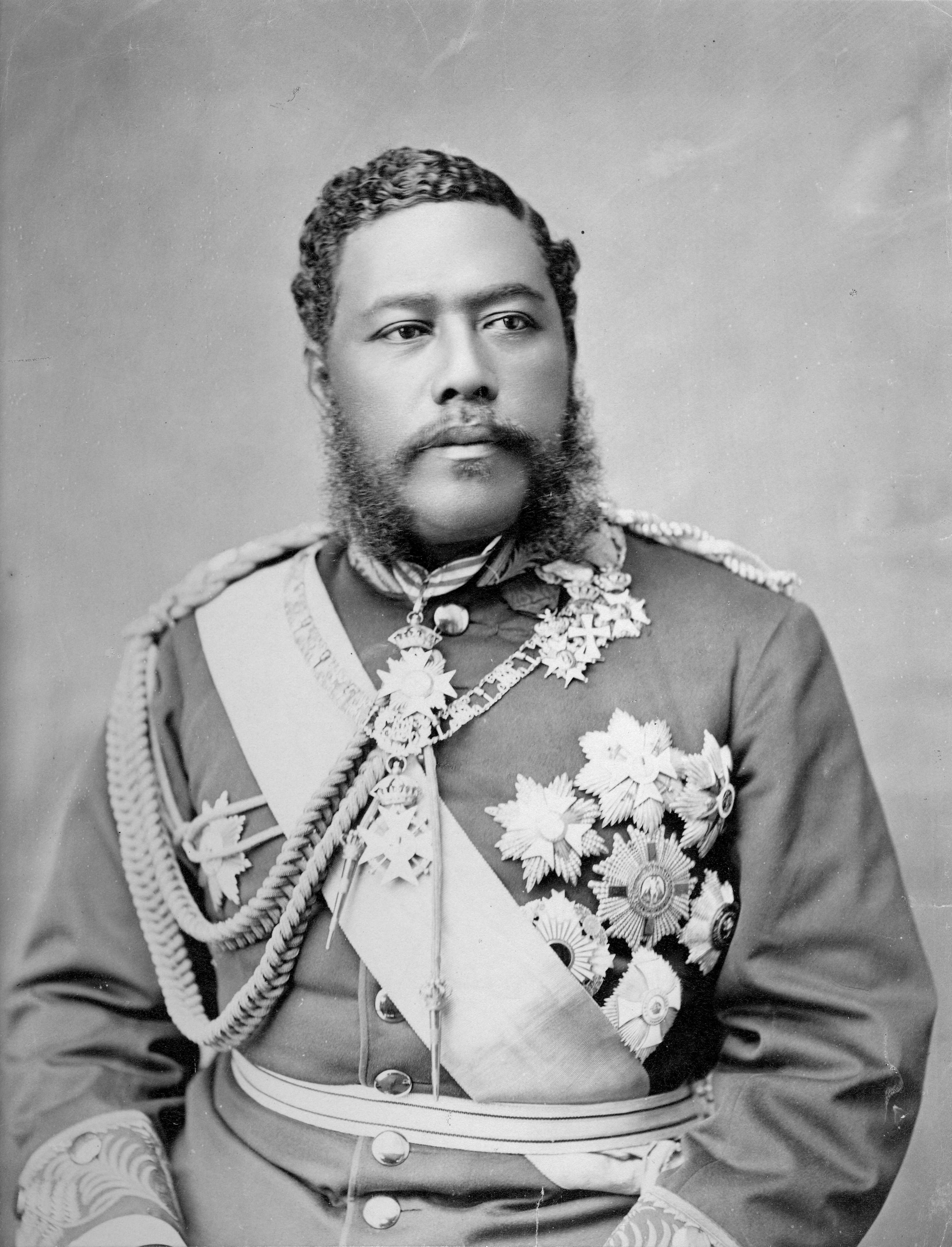
- King David Kalākaua I of Hawaii, the last reigning king of the Kingdom of Hawaiʻi, the first monarch to travel around the world, stayed at the Astor House Hotel in April 1881, where he occupied a suite of rooms on the first floor;
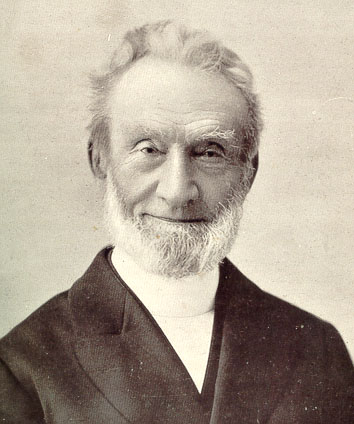
- Prussian born Christian evangelist George Müller, philanthropist and founder of orphanages in Bristol, stayed at the Astor House during his two weeks in Shanghai from 4 October 1886, in which he preached 17 times;
- Simon Adler Stern (born 8 December 1838 in Philadelphia; died May 2, 1904), American Jewish author, and editor of Penn Monthly and Industrial Review, was a guest in the Hotel in 1887;
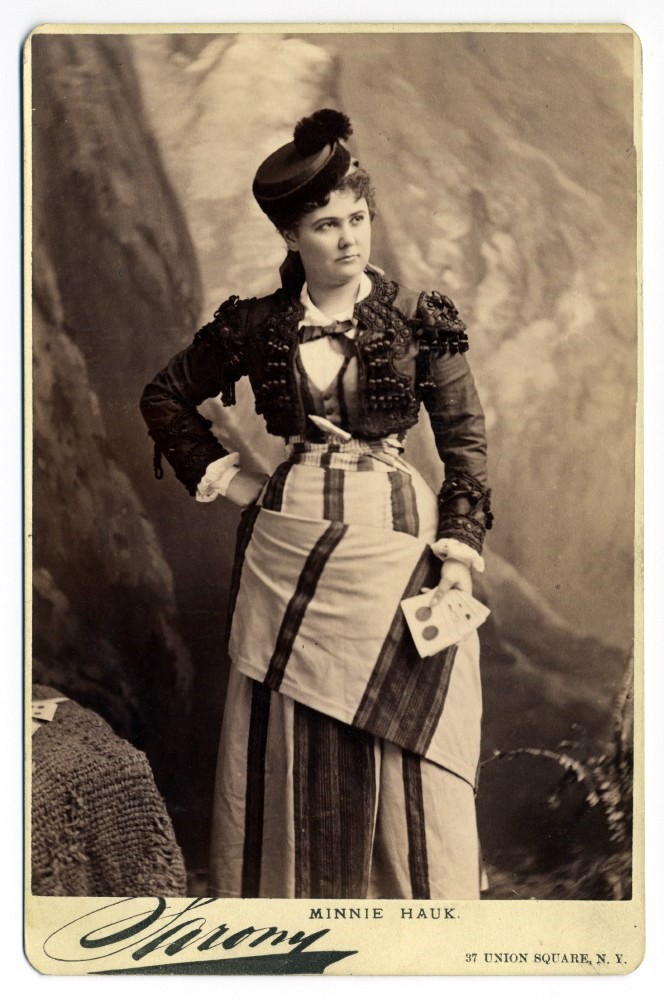
- In May 1894, American mezzo-soprano opera singer Minnie Hauk (1851–1929), who was rumoured to be the illegitimate daughter of American financier Leonard Jerome, and was the first American to sing the title role in Carmen, and her husband, Austrian journalist Baron Ernst von Hesse-Waltegg, were guests during Hauk's performances in Shanghai;
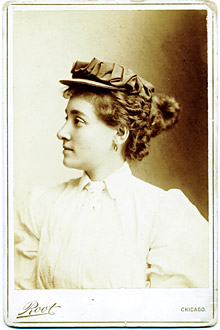
- American theatre manager Miss Grace Hawthorne (born ca.1847 in Maine; died 23 May 1922, London, England), "a tall, handsome American actress", who had starred as Zoe in The Octoroon in the 1880s, and former lessee of the Princess's Theatre, London and the Olympic Theatre, London, who "must have had abundant means of her own or else was backed by others who had, for she met failure after failure with a grim determination to go on at all costs", stayed in the Astor House during her round the world trip in 1895, because of its name;
- John James Aubertin (1818–1900), British railway engineer and translator of Portuguese poet Luís de Camões' magnum opus Os Lusíadas and also seventy of his sonnets,, stayed on five separate occasions between Palm Sunday and November 1890;
- Annie “Londonderry” Cohen Kopchovsky, the first woman to bicycle around the world, stayed at the Astor Hotel on her pioneering journey in 1895;
- English travel writer Isabella Lucy Bird (15 October 1831 to 7 October 1904), the most famous and influential of the Victorian "lady travelers,", and the first woman admitted into the Royal Geographical Society in 1892, stayed at the Astor House in 1896;
- British travel writer and explorer Mary Hall (born 1857 in Southwark; died 1919 in Hampstead), one of the first women to be admitted as a fellow of the Royal Geographical Society in 1913, later "the first woman to have crossed Africa from south to north", stayed at the Astor House in 1897, and again in April 1914;
- American Congregational clergyman John Henry Barrows (born 11 July 1847 near Medina, Michigan; died 3 June 1902 of pneumonia and pericarditis), president of the Parliament of the World's Religions held in Chicago in September 1893 in connection with the World Columbian Exposition, and later president of Oberlin College, stayed at the Astor House in April 1897;
1894-1900
- British travel writer John Foster Fraser, arrived at the Astor House Hotel on 23 December 1897 during his bicycle trip around the world;
- American mariner Lt. Bradley Allen Fiske (13 June 1854 - 6 April 1942), later a Rear Admiral and Aide for Operations for the United States Navy (a post that later became that of Chief of Naval Operations), stayed at the Astor House Hotel in December 1898, while on furlough after the Battle of Manila Bay;
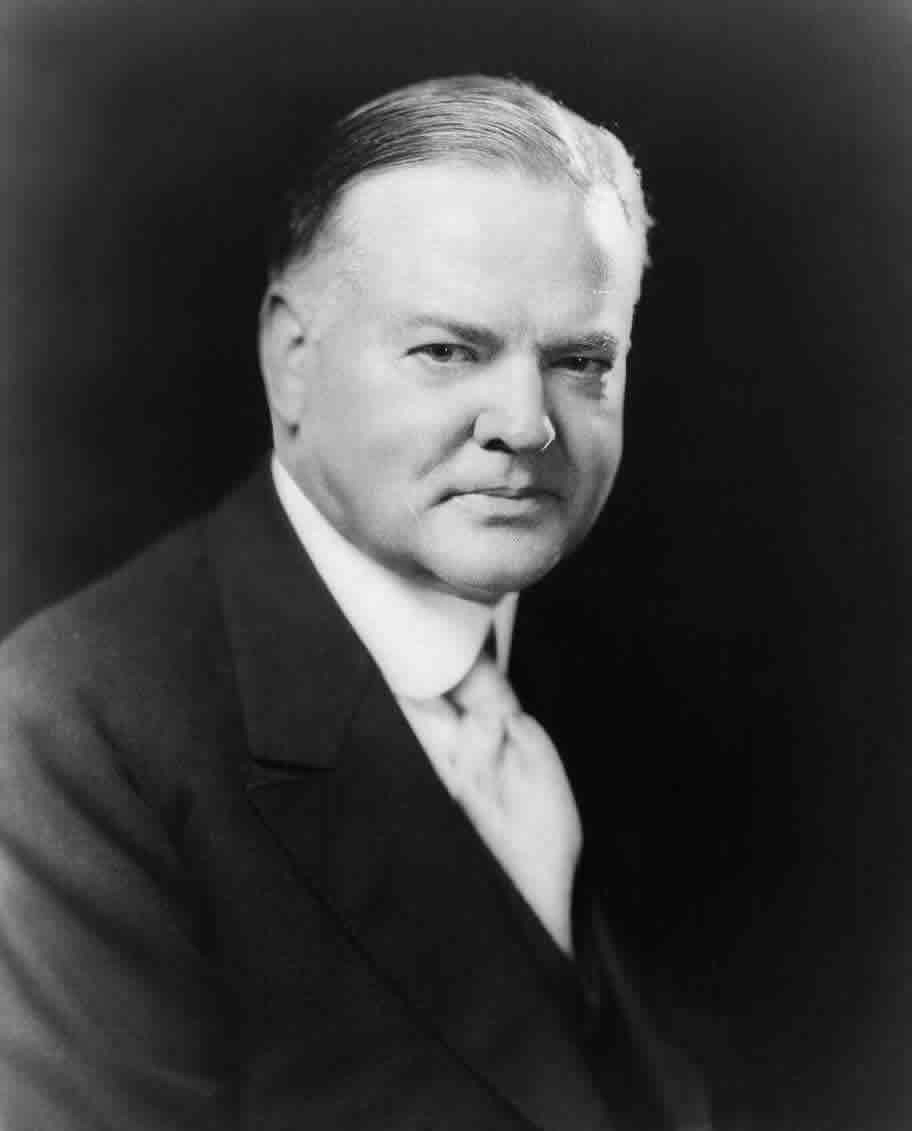
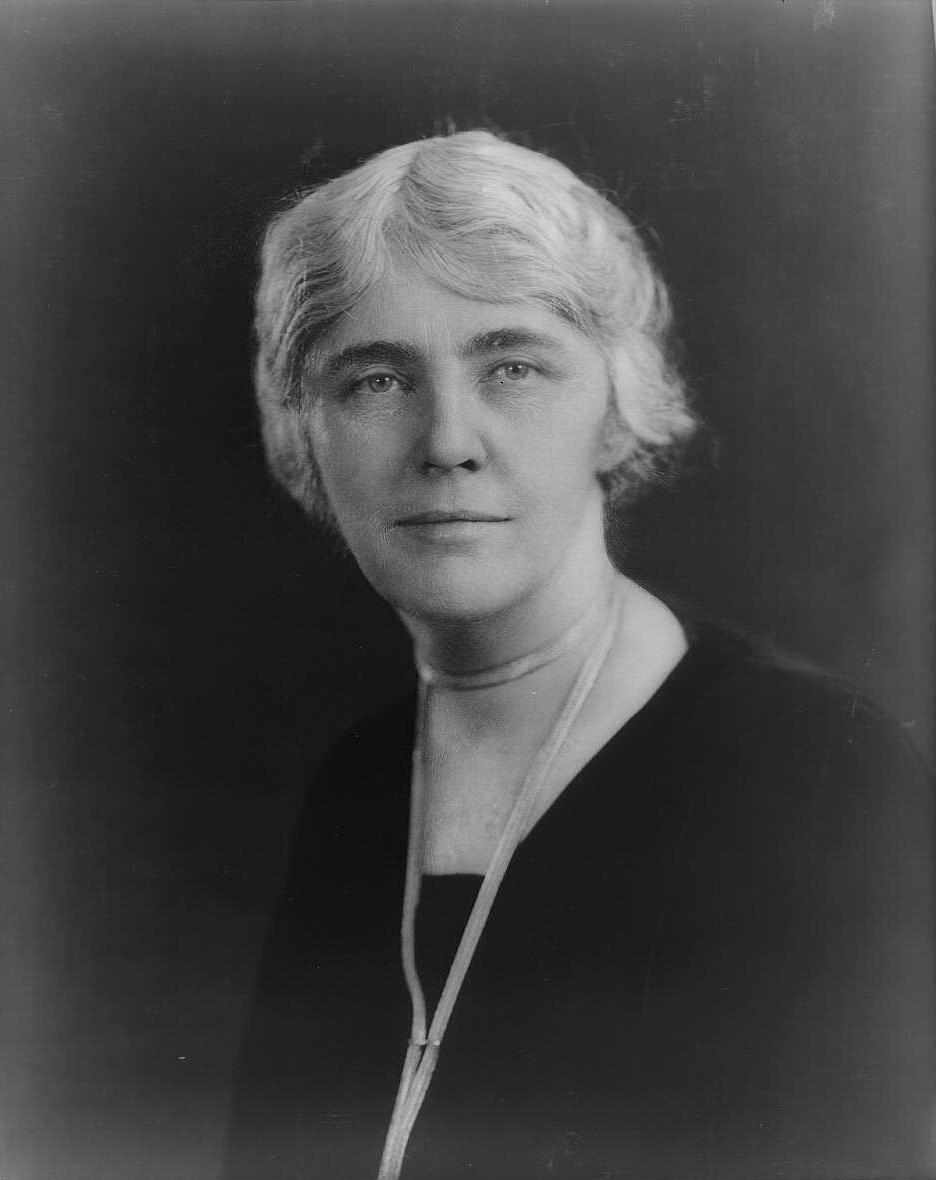
- future American president Herbert Hoover, then a leading mining engineer, and his wife, Lou Henry Hoover, stayed at the Astor House on their honeymoon for 4 days from 8 March 1899, and again in August 1900 just after the Boxer Uprising, registered under the pseudonym of Mr. Clark to allow the registering of a mining lease without detection;
- British mining expert Herbert William Lewis Way stayed at the Astor House Hotel from 4 October 1899;
1900-1915
- English magician Charles Bertram (1853–1907), who was a favourite of the future King Edward VII, performing for him more than twenty times,, performed at the Astor House in March 1900, and stayed there;
- American journalist Wilbur J. Chamberlin, who stayed at the Hotel in September 1900 and again in March 1901, to cover the aftermath of the Boxer Uprising, whose reporting for the New York Sun fueled the Twain-Ament Indemnities Controversy by criticising missionary William Scott Ament;
- Scottish author C.D. Mackellar stayed overnight in January 1901;
- Future First Lady of the United States Helen Herron Taft was staying at the Astor House Hotel in October 1901, when she received news that her husband, William Howard Taft, then Governor-General of the Philippines, was severely ill in Manila;
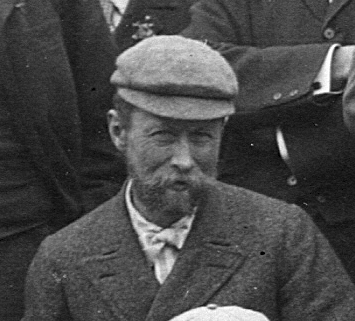
- American mariner Captain Ransford D. Bucknam (born 1869; died 27 May 1915), later pasha of the Ottoman Empire and rear admiral of the navy of Turkey stayed at the Astor House prior to 1902;
- American geological engineer Bailey Willis, who was employed by the United States Geological Survey (USGS), and later a leading global expert in earthquakes, stayed at the Astor House during his geological expedition in China in 1903;
- Controversial American medical practitioner and radio pioneer John R. Brinkley, who paid $65 a day for his suite at the Astor House in 1903;
- Jagatjit Singh Bahadur (1872–1949), the ruling Maharaja of the princely state of Kapurthala in the British Empire of India from 1877, stayed at the Astor House in 1903;
- English feminist and travel writer Gertrude Margaret Lowthian Bell, later associated with T.E. Lawrence, stayed at the Astor House Hotel in April 1903;
- American humorist Marshall Pinckney Wilder (born 19 September 1859 in Geneva, New York; died 10 January 1915),, born with congenital kyphosis, who was editor of the 10 volume The Wit and Humor of America, made 16 command performances for the future King Edward VII, was a guest in 1905;
- American poet and essayist Joaquin Miller, "the Poet of the Sierras", was a guest in 1905;
- After the beating of the British Vice Consul George D. Pitzipios and the torching of his car, American Consul General to Shanghai, James Linn Rodgers (born 10 September 1861; died 2 September 1930), and his family stayed in the Astor House Hotel from 18 December 1905 during Anti-American riots during the boycott of American goods by Chinese in response to the Chinese Exclusion Act of 1882, because of the isolation of their official residence on Bubbling Well Road;
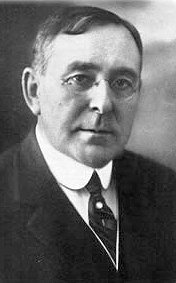
- American herpetologist Thomas Barbour (1884–1946), later director of the Museum of Comparative Zoology, stayed at the Astor House Hotel during his honeymoon trip in May 1907;
- Danish explorer Frits Holm, leader of an expedition to copy and purchase the Nestorian Stele in Xian, stayed there in February 1908;
- American Presbyterian evangelist John Wilbur Chapman stayed at the Astor House from 7 September 1909, during the first Chapman-Alexander worldwide campaign, which was held in Shanghai from 8–16 September;
- American gospel singer Charles McCallon Alexander and his wife, Helen Cadbury, stayed at the Astor House from 7 September 1909, during the first Chapman-Alexander worldwide campaign, which was held in Shanghai;
- Malayan-born Chinese medical practitioner Dr. Wu Lien-teh (伍连德) (1879–1960), the first person of Chinese ancestry to study medicine at the University of Cambridge, and later first president of the China Medical Association (1916–1920), stayed at the Astor House Hotel about 1910;
- Commander of the US Marine detachment at the American Legation in Peking Major John H. Russell, Jr., and later the Commandant of the Marine Corps, stayed at the Astor House in 1911, with his family, including the seven-year old Brooke Astor, future socialite and philanthropist;
- British Antarctic explorer Apsley Cherry-Garrard (2 January 1886 – 18 May 1959), a survivor of Robert Falcon Scott's Terra Nova expedition stayed at the Astor House from 30 March 1914, while in China on an expedition to study Asiatic schistosomiasis and bilharziasis;
1915-1929
- Canadian railway engineer Donald Mann, who dueled with a Russian count with an axe;
- James Anthony Walsh (born 24 February 1867; died 14 April 1936) the co-founder of the Maryknoll Fathers and Brothers, attended a banquet in his honour at the Astor House in December 1917;
- Randolph Ortman, owner of Blue Ridge Farm in Greenwood, Virginia, and his wife, Blanche Sellers Ortman, stayed in late December 1919;
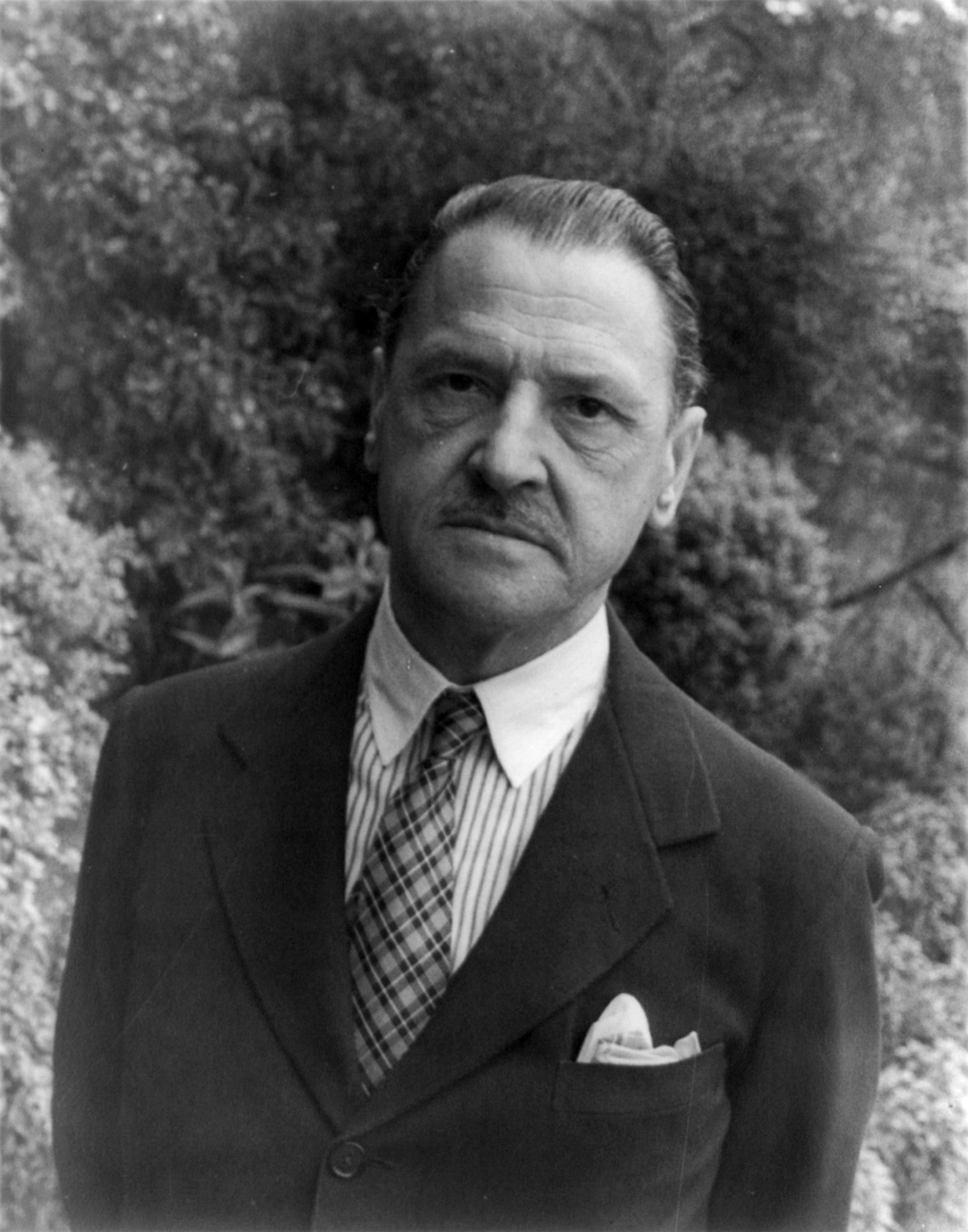
- English novelist and playwright W. Somerset Maugham, stayed at the Astor House Hotel from 3 January 1920, and this visit to China influenced his On a Chinese Screen (1922);
- British newspaper magnate Alfred Harmsworth, 1st Viscount Northcliffe stayed for one night on 20 November 1921;
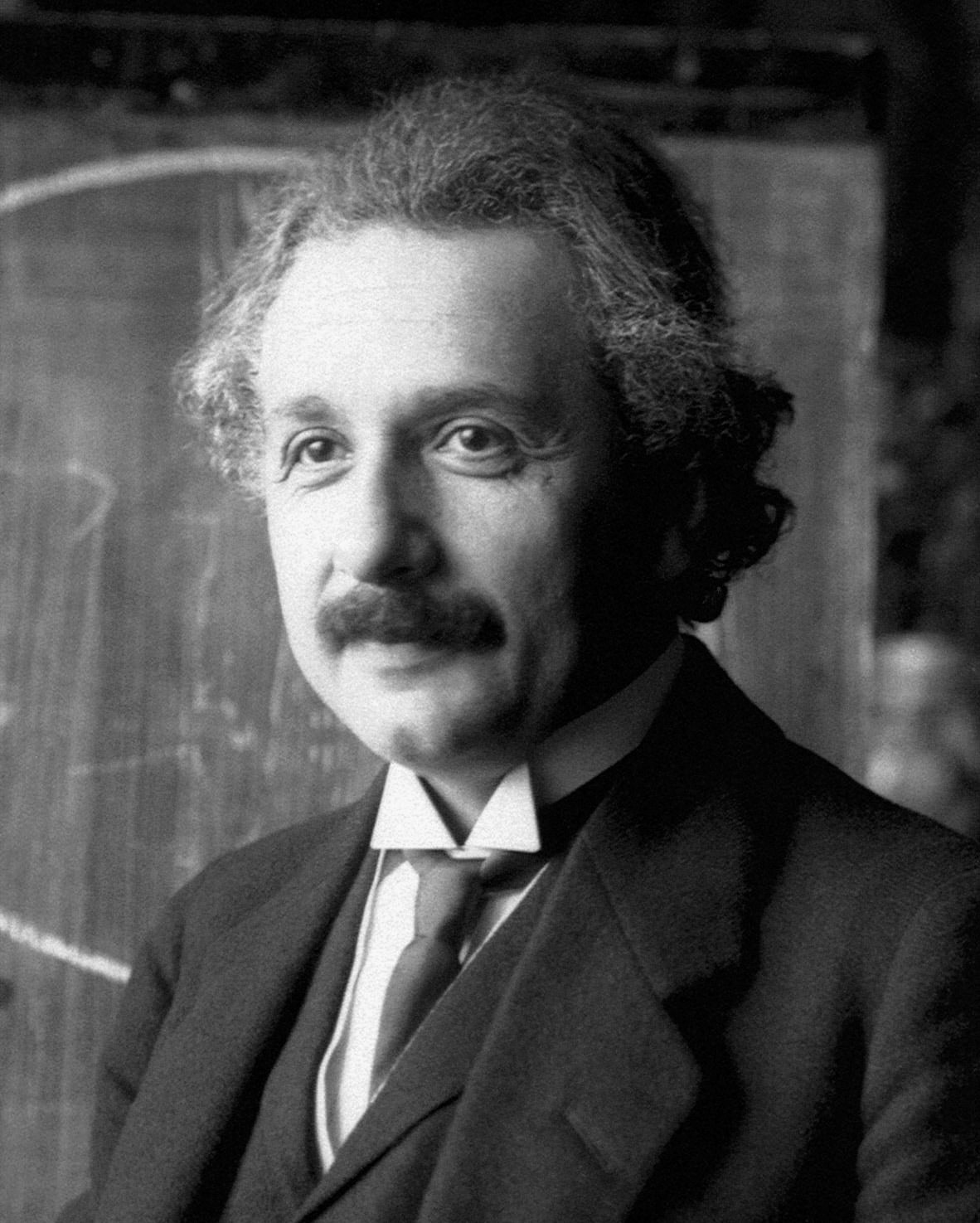
- German physicist Albert Einstein, arrived in Shanghai on 13 November 1922 en route to Japan on the Kitanu Maru, four days after the announcement that he had won the Nobel Prize for physics, and stayed for one night. Einstein returned to Shanghai on 31 December 1922 after a visit to Japan, and departed on 2 January 1923. It is claimed that Einstein stayed in Room 304 in the Astor House Hotel;
- American artist Bertha Boynton Lum (1869–1954), influenced by Japonism and the stories of Lafcadio Hearn, stayed at the Astor House during her frequent visits to China from 1922 onwards;
- American Quaker Nora Waln (1895–1964), a best-selling author, who lived in China for 13 years from 1920, stayed at the Astor House in March 1924;
- From 17 May 1924 two women who claimed to be Mrs Millicent McKiney (or Montgomery), daughter of an English millionaire, Mr Montgomery; and her daughter, Miss Marie Montgomery (or McKiney), stayed at the Astor House. During their stay they successfully defrauded many foreign residents of Shanghai by borrowing expensive furs, money, attracting marriage proposals and engagement rings, before escaping to Manila on 21 June 1924;
- The aviators from the American Army Air Service, including Lt. Lowell Smith, who were in the process of making the First aerial circumnavigation of the world by air stayed at the Astor House for three nights from 4 June 1924;
- Mrs Wallis Simpson, the future wife of the Duke of Windsor, and her friend Mary Sadler stayed at the Astor House for ten days in 1925, while Shanghai was in the grip of civil war;
- Stephen P. Duggan, the American co-founder and first president of The Institute of International Education, and later professor of diplomatic history at the College of the City of New York, stayed at the Astor House in the late spring of 1925;
- American journalist Junius B. Wood, foreign correspondent for the Chicago Daily News stayed at the Astor from 25 September 1925;
- The Denishawn School of Dancing and Related Arts troupe, including creators Ruth St. Denis and Ted Shawn, stayed at the Astor House Hotel from 16 November 1925 and again about 4 October 1926 during their eighteen-month tour of the Far East;
- Manchurian Major General Zhang Xueliang (Chang Hsüeh-liang), later Warlord of Manchuria, stayed at the Astor House Hotel in late November 1925, "disguised as an American man's servant", to avoid detection;
- American naturalist and explorer W. Douglas Burden (1898–1978), stayed in May 1926 en route to capture komodo dragons for the American Museum of Natural History. His account of his expedition to Komodo Island inspired the movie King Kong;
- American playwright and Nobel laureate in literature Eugene O'Neill, stayed for a month from mid-November until 12 December 1928, sometimes with his future third wife, Carlotta Monterrey, excepting for a period he was in hospital after a binge and when Carlotta moved into a separate hotel after an argument. While in Shanghai, he was called a faker posing as Eugene O'Neill, and was treated for alcoholism in his room at the Astor House.
1930-1939
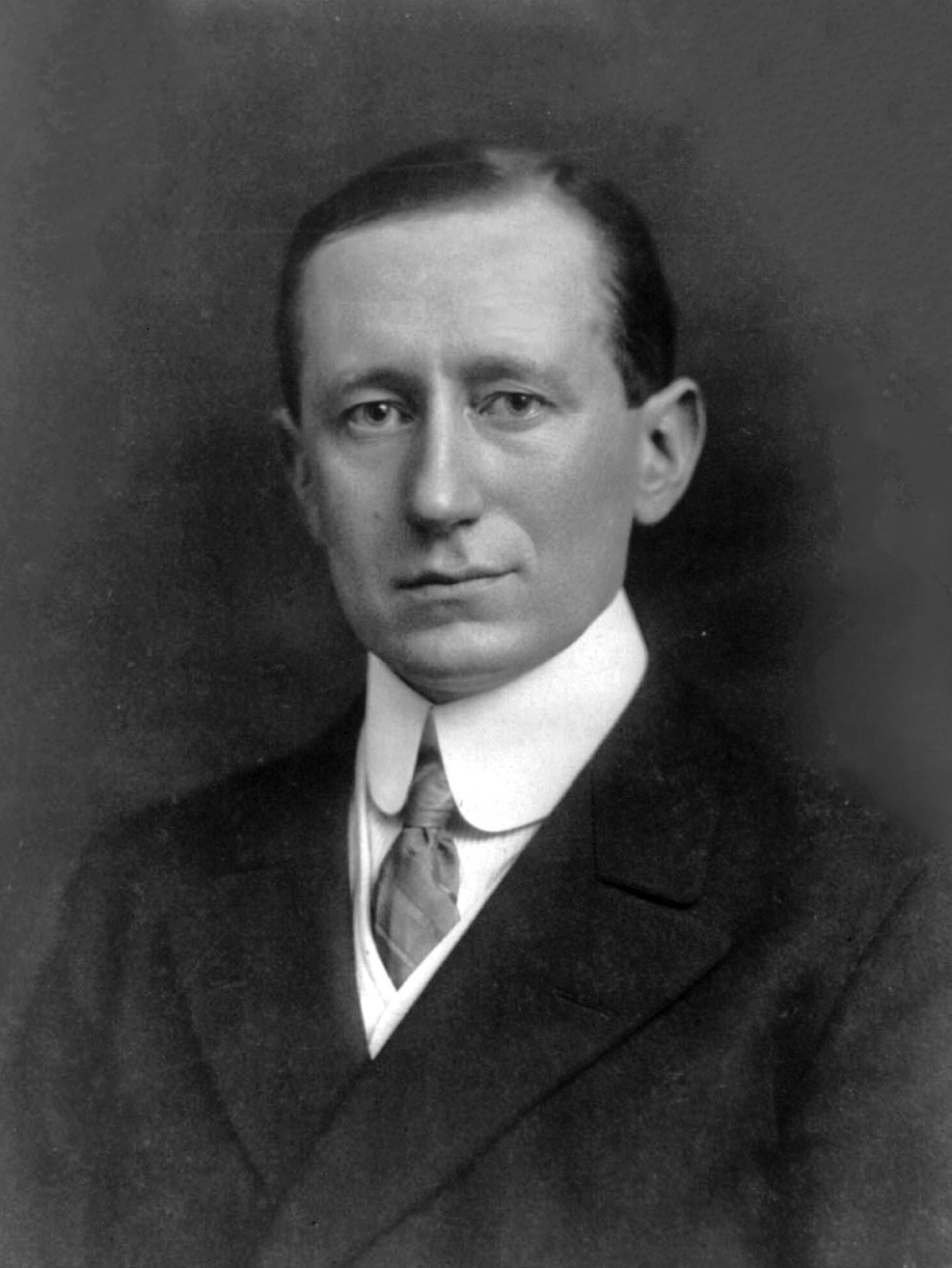
- French author and anti-imperialist politician André Malraux, stayed at the Astor House in 1931, while researching material for his Prix Goncourt award winning 1933 novel, Man's Fate (French: La Condition humaine), about the Shanghai massacre of 1927;
- American journalist and author Helen Foster,who married Edgar Snow in 1932, stayed in Room 303 at the Astor House upon her arrival in Shanghai in 1931;
- American humorist and actor Will Rogers spent his only Christmas away from his family at the Astor House Hotel in 1931;
- Otto Braun, a German Comintern secret agent, stayed in the Astor House for several weeks in the autumn of 1932;
- Italian scientist Guglielmo Marchese Marconi, the inventor of the wireless, stayed in Room 8103 at the Astor House Hotel in 1933;
- George Bernard Shaw (1856–1959), Irish-born British playwright, politician and winner of the Nobel Prize in Literature in 1925, visited the Astor House Hotel with Soong Ching-ling, the widow of Sun Yat-sen, on 17 February 1933;
- Noted Harvard University historian Arthur M. Schlesinger, Sr., his wife, and two sons, including future Pulitzer Prize winning historian Arthur M. Schlesinger, Jr. stayed at the Astor House Hotel in October 1933.
- On 25 March 1934 Courtney Chauncey "C.C." Julian, former president of the failed Julian Petroleum Company of Los Angeles, who had skipped bail of US$25,000 for mail fraud charges and fled to China, "staged a banquet for friends at the Shanghai Astor House, during which he excused himself, went to his room, and committed [...]" "by taking poison, 'during a glittering dinner party with a woman'","3 Million Oil Fugitive Kills Self by Poison: Ends Own Life", Chicago Daily Tribune (25 March 1934):1; "Julian then moved his twenty-one-year-old secretary and girlfriend Leonora Levy to the Weida Hotel and checked into room 300 at the Astor House". (See Daniel S. Levy, Two-Gun Cohen
(St. Martin's Press, 2002):181.)
and was subsequently buried in a pauper's grave;
- On 20 July 1936, Marshall Smith Hairston (c.1896-1936), American factory manager of the Pudong branch of the Yee Tsoong branch of the British American Tobacco was found dead in room 302 of the Astor House;
- Dr. Robert K. Reischauer, professor of international relations at the Woodrow Wilson School at Princeton University on a study tour of China, had stayed at the Astor House Hotel for a few days in August 1937, before deciding on 14 August to evacuate to the Palace Hotel "believing the latter, farther from the Japanese center of operations, would be safer," only to be killed in the lobby of the Cathay Hotel later that day by a bomb dropped from a Chinese plane during the Battle of Shanghai, making him one of the "first U.S. WWII casualties";
- On 17 March 1939 Japanese gangster Yoshio Kodama, later prominent Yakuza figure, began his stay at the Astor House. "At ¥12 a day, meals not included, he found the hotel expensive, yet comfortable."
Unconfirmed guests
Historian Peter Hibbard indicates that "In the early years of the 20th century the anarchic and flamboyant Astor House played host to a potpourri or regal guests." The following are people that some have claimed have stayed at the Astor House Hotel in Shanghai, but for whom there is no supporting evidence. In fact, as Mark O'Neill wrote in 2006 in relation to the claims of the Astor House Hotel: "historians suspect some of them stayed elsewhere in the city". 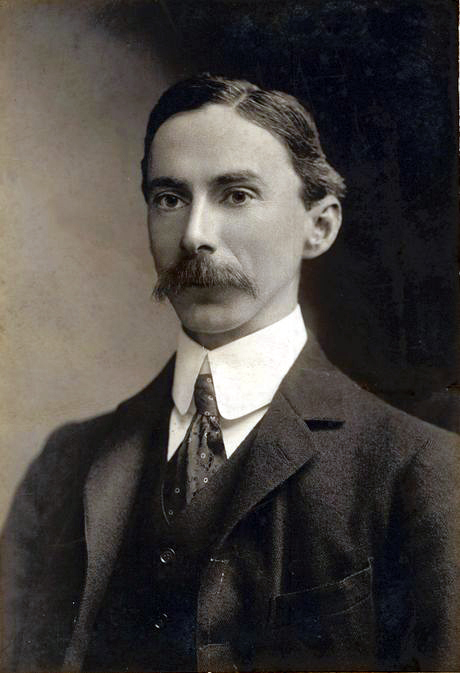
- Various members of the Japanese Imperial family;
- Czar Nicholas II, the last czar of Russia;
- Prince Heinrich of Prussia;
- the Aga Khan;
- Prince of Phitsanulok of Siam (3 March 1883-13 June 1920);
- Some (including the Hotel itself) claim that former United States president Ulysses S. Grant stayed in Room 410 in May 1879, but there is no compelling contemporaneous evidence to substantiate this oft-repeated assertion. Historian Peter Hibbard disputes the claim: "[A]lthough the current management would have us believe that ex-president Ulysses S. Grant stayed there, two years into his family's round the world tour in 1879, he actually didn't";
- The Astor House Hotel claims that Welsh philosopher, mathematician and logician Bertrand Russell stayed in Room 310 in 1920. However, another source indicates that Russell was in Shanghai from 12 October to 20 October 1920, and stayed at room 103 in the Yipinxiang Hotel (the present junction of Middle Xizang Road and Hankou Road). Russell's time in China influenced his 1922 book, The Problem of China;
- Zhou Enlai, the first Premier of the People's Republic of China, has a room named after him at the Astor House Hotel, where according to an urban legend "he hid in the Astor House when he was a Communist agitator in the 1920s";
- African American composer and pianist Scott Joplin (b. 24 November 1868; d. 1 April 1917) is alleged to have stayed at the Astor House both in 1931 and 1936 in Room 404, and has one of the four celebrity rooms named in his honour but his death in 1917 invalidates this assertion.
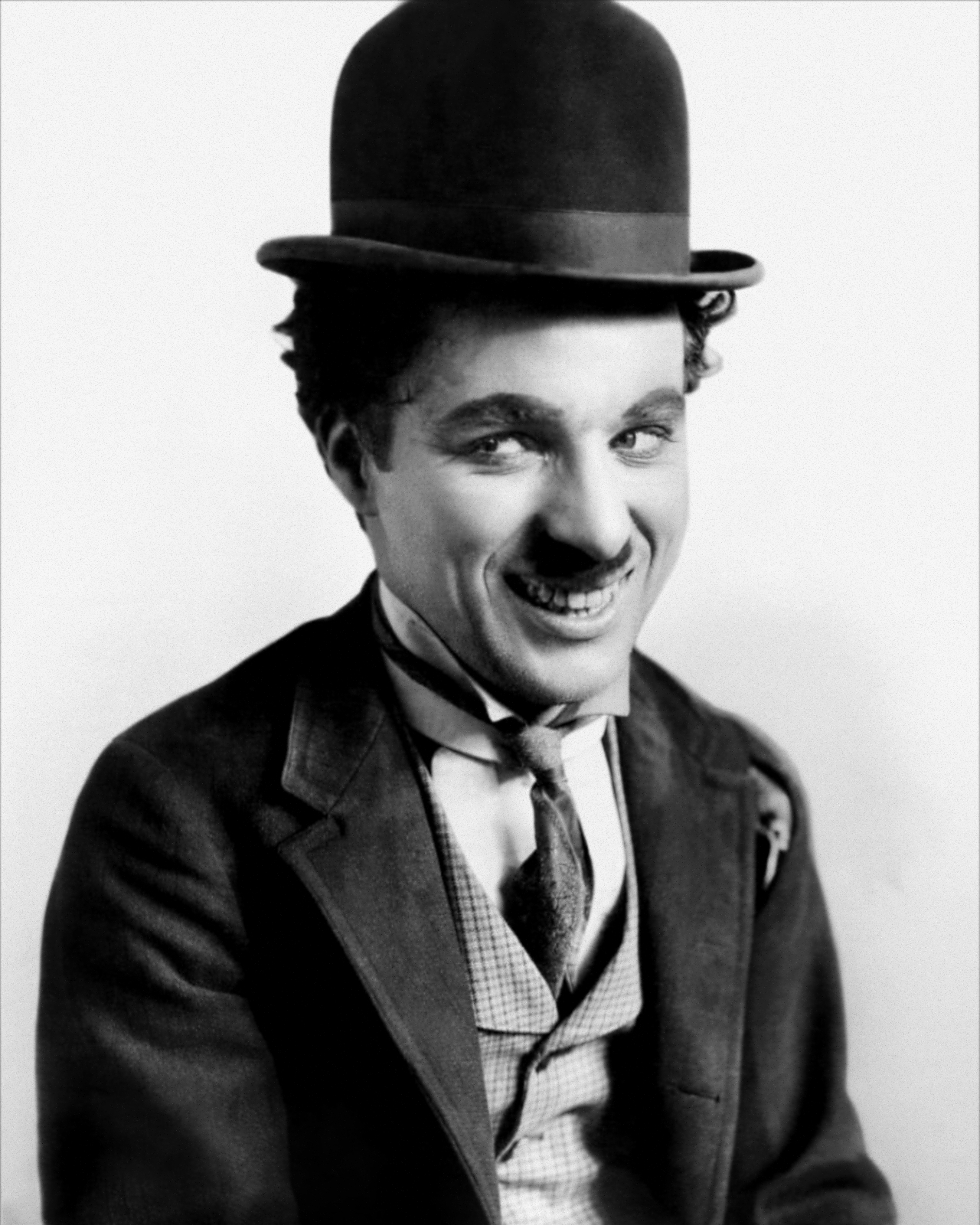
- The management of the Astor House claims British comedian Charlie Chaplin, came to Shanghai with Paulette Goddard, where they stayed in Room 404 from 5 February 1936, however the Cathay Hotel also claims Chaplin and Goddard stayed there during that visit. Hibbard indicates: "As Chaplin was a friend of Sir Philip Sassoon,... Sir Victor's cousin, there would be little doubt where he stayed in Shanghai."
Notable residents
Among those who resided at the hotel for a significant period are:
- Australian journalist Edwin Pickwoad, who took over the ownership of the North China Herald after his arrival in Shanghai in August 1860, and also founded the daily North China Daily News in 1864, and served for some time as secretary of the Shanghai Municipal Council, resided at the Astor House Hotel;
- Johannes von Gumpach (died at Shanghai, 31 July 1875), a German-born, British-naturalized professor of mathematics and astronomy, fired from the Imperial Tung Wen College (or Interpreters College), and litigant against Robert Hart, which was appealed to the Privy Council in Britain, was residing at the Astor in 1871 while he wrote the controversial The Burlinghame Mission: a Political Disclosure;
- Lithuanian Jewish convert to Christianity Samuel Isaac Joseph Schereschewsky, former Anglican Bishop of Shanghai, and founder of Saint John's University, Shanghai, who completed a translation of the Hebrew Bible into Mandarin Chinese in 1875, resided at the Astor House Hotel from 1895;
- British chemist Henry Glendinning (born 9 October 1863 at Hartlepool; died 4 June 1938 at St. Albans, Herts.) of Brunner Mond, resided at the Astor House for two years from 1899;
- American conman Frederick W. Sutterlee, who defrauded customers of Kern Sutterlee & Co in Philadelphia in 1896, and fled to China, smuggled guns to the Philippine insurgents in the Philippine-American War, and used the name W.F. Sylvester, and became a correspondent for London's The Daily Mail, resided at the Astor House Hotel by 1900.
- Australian journalist William Henry Donald (1875–1946), editor of the Far Eastern Review (1911–1920), adviser to Sun Yat-sen and Chiang Kai-shek, resided at the Astor House for the two years he lived in Shanghai from 1911;
- American journalist Thomas Franklin Fairfax Millard lived at the hotel from 1911 during his years in Shanghai as founder and editor of The China News and later The China Weekly Review.
- American journalist John B. Powell, took up residence in 1917;
- Chen Chin-tao, the Vice Minister of Finance for the Qing government, and later Finance Minister under Yuan Shikai, first elected president of the Republic of China.
- Polish-born Jewish Cockney adventurer Morris Cohen, known as "Two-Gun Cohen", bodyguard and aide-de-camp to Sun Yat-sen, resided in Room 305 at the Astor House Hotel in Shanghai after 1922;
- Italian Maestro Mario Paci (born 4 June 1878 in Florence, Italy), pianist and conductor for the Shanghai Symphony Orchestra from 1919 to 1942, and his family resided at the Astor House from at least 1925;
- In 1927, an eight-year-old girl named Margaret "Peggy" Hookham came to live at the Astor House with her family. Hookham's father was the chief engineer for British American Tobacco, which was located just over the Garden bridge on then Museum Road. While at the Astor House Hotel, Peggy continued her ballet lessons, studying with the Russian teachers George Goncharev, and eventually took as her stage name, Margot Fonteyn, "perhaps the world's greatest ballerina."
- American journalist Edgar Snow, author of Red Star Over China, from 1928;
- Future American journalist and spy for Soviet Russia Mark Gayn and his parents, Russian Jews, lived at the Astor House in the late 1920s until his "Father deduced that the hotels were being constantly watched by foreign and Chinese police;