
Largest population centres in the European Union
Different countries deal differently with large cities. Athens, for example, has AbOUT four million inhabitants, but it has been divided into many municipalities making the city proper of Athens one of the smaller European capitals, with about 800,000 inhabitants. Densely populated regions that have no single core but have emerged from the connection of several cites and are now encompassing large metropolitan areas are Rhine-Ruhr having approximately 10.5 million inhabitants (Cologne, Dortmund, Düsseldorf et al.), Randstad approx. 7 million (Amsterdam, Rotterdam, The Hague, Utrecht et al.), Flemish Diamond approx 5.5 million (Brussels, Antwerp, Ghent et al.), Frankfurt Rhine Main Area approx. 4 million (Frankfurt, Wiesbaden et al.) and the Upper Silesian Industry Area approx. 3.5 million. (Katowice, Sosnowiec et al.).
City proper |
|
Urban area |
|
LUZ |
|
|
|
|
|---|---|---|---|---|---|---|---|---|
London |
7.5 |
Paris |
10.1 |
London |
11.6 |
|||
Berlin |
3.4 |
London |
8.5 |
Paris |
11.0 |
|||
Madrid |
3.1 |
Madrid |
5.5 |
Madrid |
5.6 |
|||
Rome |
2.7 |
Ruhr |
5.3 |
Ruhr |
5.4 |
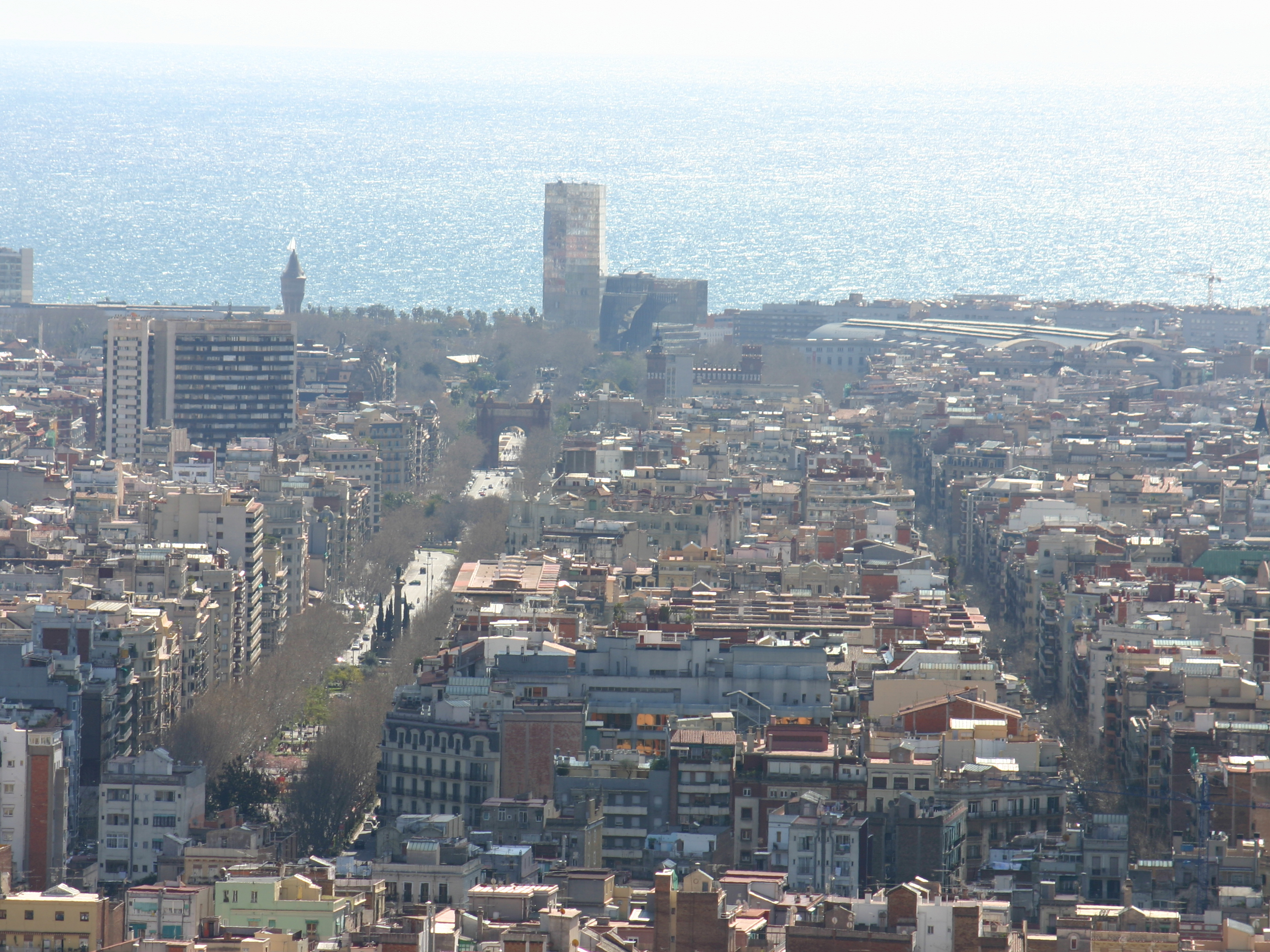
Barcelona |
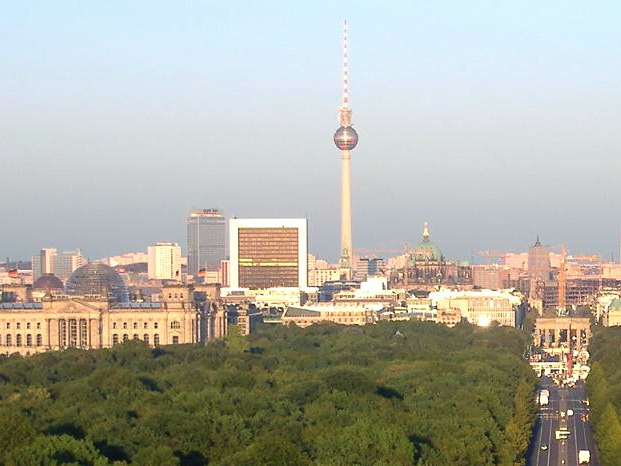
Berlin |
London |
Paris |
2.2 |
Barcelona |
4.5 |
Berlin |
4.9 |
|
|
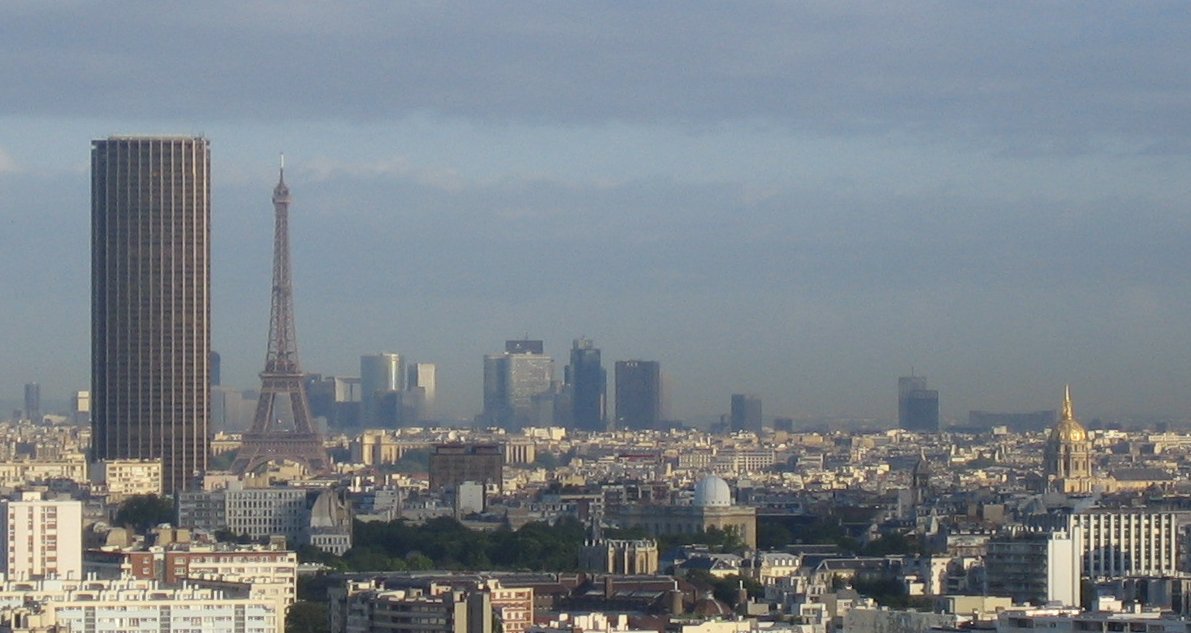
|
Bucharest |
1.9 |
Milan |
3.8 |
Barcelona |
4.8 |
|||
Hamburg |
1.8 |
Berlin |
3.7 |
Milan |
3.9 |
|||
Warsaw |
1.7 |
Rotterdam |
3.3 |
Athens |
3.9 |
|||
Budapest |
1.7 |
Athens |
3.2 |
Rome |
3.7 |
|||
Vienna |
1.7 |
Naples |
2.9 |
Hamburg |
3.1 |
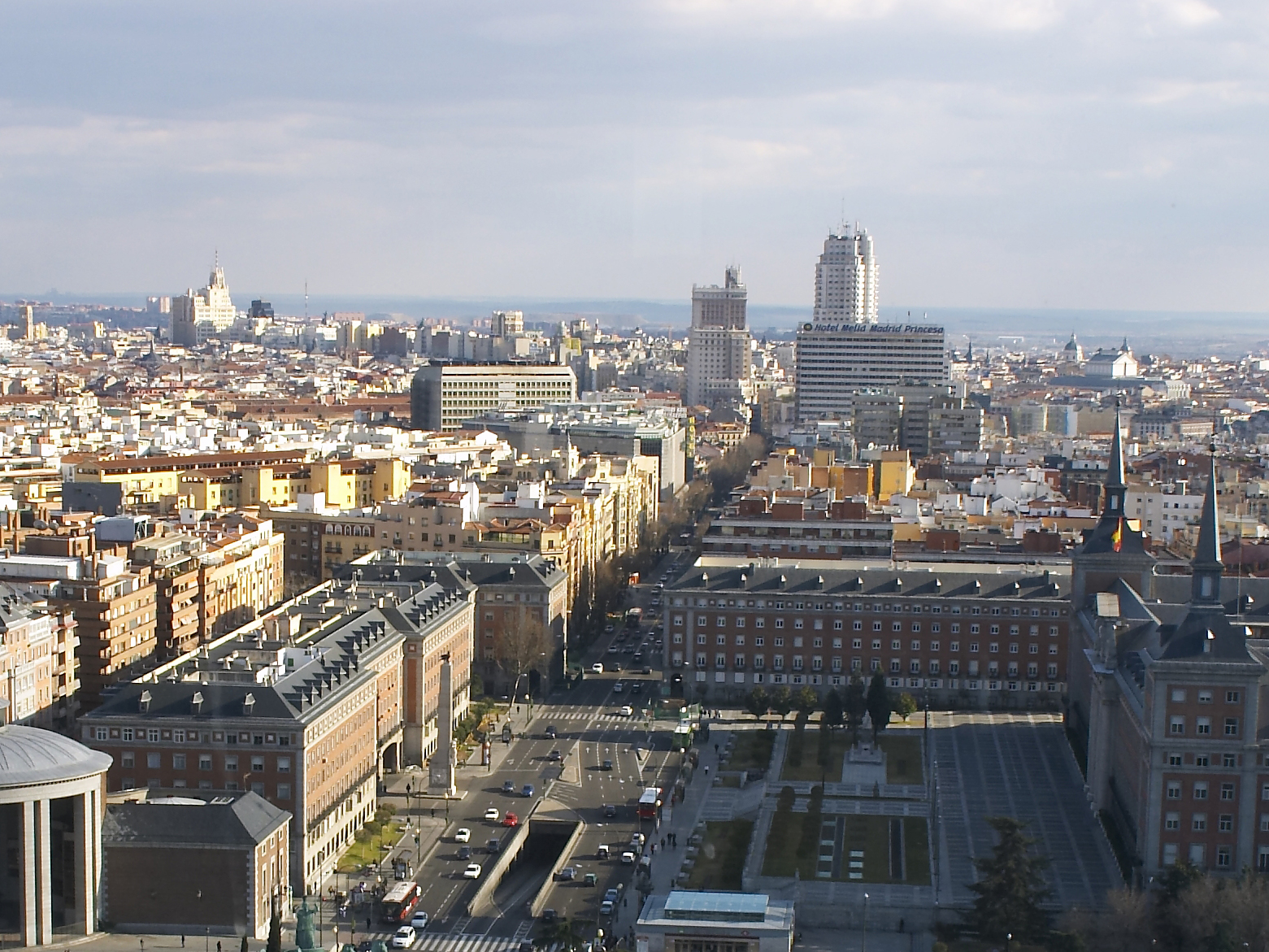
Madrid |
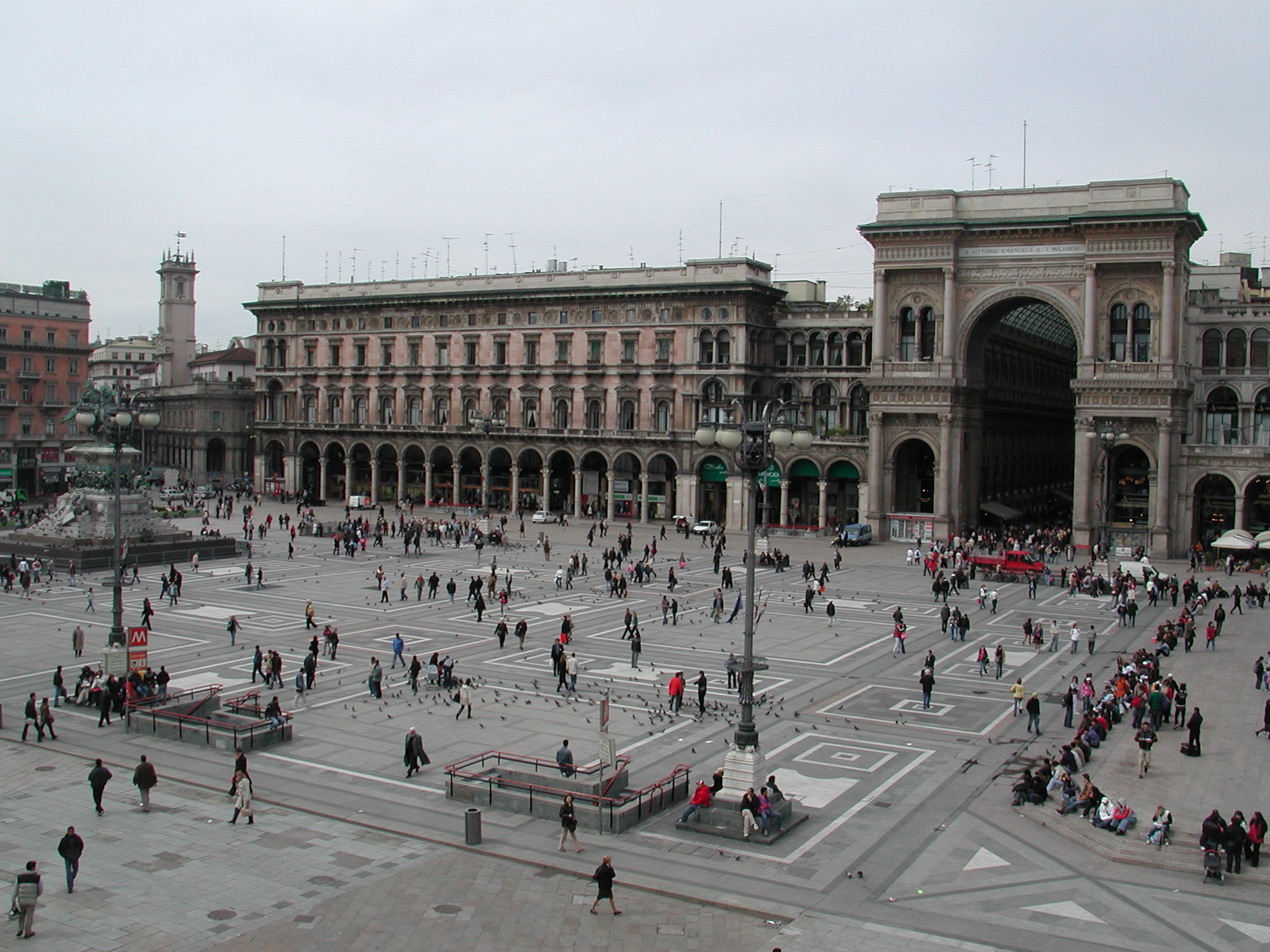
Milan |
Paris |
Full lists
- Largest cities of the European Union by population within city limits
- Largest urban areas of the European Union
- Largest European metropolitan areas