
House of Erbach
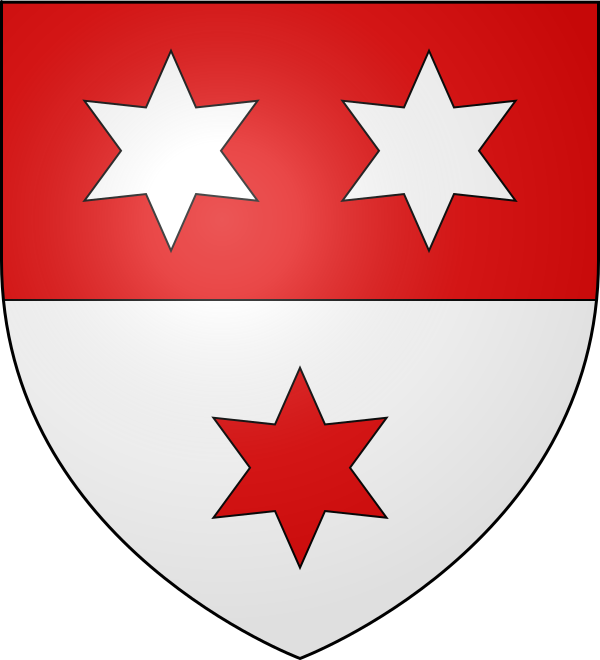
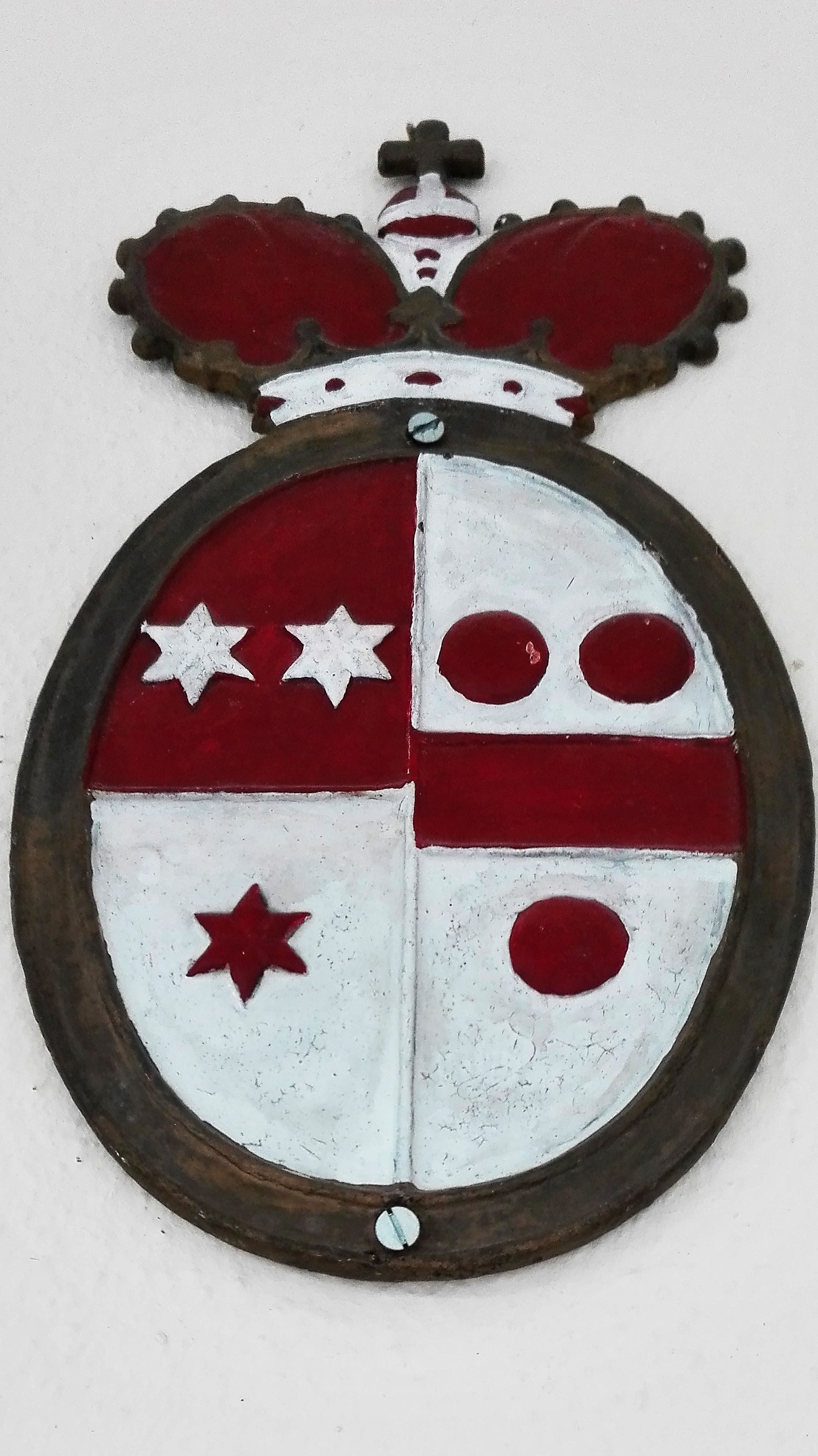 The House of Erbach is an ancient German noble family of historically sovereign rank, originating in the Odenwald region of Hesse, Germany, with roots traceable to the 12th century. It became a notable comital (countly) dynasty in the Holy Roman Empire, holding imperial immediacy and ruling various territories in the surrounding region.
History
The earliest documented ancestor of the family is Eberhard I of Erbach, who is first mentioned in records dating to 1172. He held estates in the Odenwald region and is considered the progenitor of the later counts of Erbach, from whom the family line descends.
Erbach’s ancestral seat is Erbach Palace (Schloss Erbach), originally a medieval fortress later transformed into a Renaissance and Baroque residence. The palace became the cultural and political center of the family’s domains and today preserves extensive collections reflecting the counts’ historical interests.
In 1532, the Erbach territories were elevated to a direct Imperial County (Reichsgrafschaft) within the Holy Roman Empire, granting the family sovereignty over their lands and placing them among the empire’s immediate nobility. Over the following centuries, the county’s rulers often divided and recombined their lands through inheritance, creating several cadet branches.
Prominent members of the family played active roles in regional political and military affairs. For example, George III, Count of Erbach-Breuberg reunited the family’s possessions in the late 16th century and oversaw expansions of Fürstenau Castle, while his sons shared rule of various districts upon his death in 1605.
Counts like Frederick Magnus of Erbach-Fürstenau held territories such as Fürstenau and Reichenberg, though died without male heirs, leading to further redistribution of lands within the dynasty. John Casimir, Count of Erbach-Breuberg, ruled Breuberg and Wildenstein but also left no surviving issue, prompting consolidation of his holdings by other brothers. Louis I, Count of Erbach-Erbach ruled multiple districts through successive inheritances and was known by the epithet Der Ritter (“The Knight”).
In the cultural sphere, Franz I, Count of Erbach-Erbach became a notable art collector and patron. He assembled an encyclopedic collection of antiquities, arms, paintings, and natural history specimens that form the core of the Gräfliche Sammlungen preserved at Erbach Palace today.
Additionally, the family’s engagement with the arts extended into craftsmanship: Count Franz I helped establish a tradition of ivory carving in the region, a legacy now showcased in the palace’s German Ivory Museum.
The mediatization of 1806, part of the dissolution of the Holy Roman Empire under Napoleonic restructuring, resulted in the loss of the House of Erbach’s territorial sovereignty as their counties were integrated into larger states like the Grand Duchy of Hesse. Members of the family retained their noble titles and some landed properties thereafter.
The House of Erbach continues as part of Germany’s historic mediatized nobility. The Erbach-Schönberg line received princely recognition (Fürst) in the early 20th century, and several branches remain connected to heritage sites and cultural institutions linked to the family’s past.
Branches
The early branches Erbach‑Erbach and Erbach‑Michelstadt became extinct in the 16th century. The surviving branches of the House of Erbach largely descend from Erbach‑Fürstenau, from which the re‑established lines later emerged. By the 17th century the House of Erbach had formally divided into distinct lines including Erbach-Erbach, Erbach-Fürstenau, and Erbach-Schönberg, each administering specific territories such as Erbach, Freienstein, Michelstadt, and Breuberg.
Notable members
- Frederick Magnus, Count of Erbach-Fürstenau (1575-1618), ruling Count of Erbach-Fürstenau
- John Casimir, Count of Erbach-Breuberg (1584-1627), ruling Count of Erbach-Breuberg
- Louis I, Count of Erbach-Erbach (1579-1643), ruling Count of Erbach-Erbach
- George Albert I, Count of Erbach-Schönberg (1597-1647), ruling Count of Erbach-Schönberg
- George Louis I, Count of Erbach-Erbach (1643-1693), ruling Count of Erbach-Erbach
- Franz I, Count of Erbach-Erbach (1754-1823), art collector and patron
- Marie, Princess of Erbach-Schönberg (1852-1923), a writer and translator, by birth member of the House of Battenberg
- Alexander, Prince of Erbach-Schönberg (1872-1944), 2nd Prince of Erbach-Schönberg
- Elisabeth, Princess of Erbach-Schönberg (1873-1961), younger sister of Queen Emma of the Netherlands