
History of US Employer Sanctions (1986-2025)
A brief history of employment policies that took place following the enactment of the Immigration Reform and Control Act of 1986 that required U.S. employers to verify the legality of their workers. Since the enforcement of these changes, there have been incremental changes to employment sanction enforcement in the United States, such as the implementation of the I-9 Employment Eligibility Verification Form, E-Verify Program, and the increased presence of the U.S. Department Of Homeland Security. Modern presidencies and social rhetoric have continued to impact the way policies have been shaped today.
Introduction
The 1986 Immigration Reform and Control Act ushered in a new period of employment sanctions in the United States. With increased immigration to the United States, a need to fill gaps in the workforce, and waves of legal officers looking to deport migrants, legislators decided it was time to enforce sanctions. Under the Reagan administration, the Immigration Reform and Control Act was introduced to the American public. Under its provisions, immigrants who had entered the United States before 1982 were granted citizenship, employers were held responsible for hiring undocumented immigrants, and the presence of immigration control was increased along the Mexican-American border. While new employment reforms have been underway over the past few decades, there are still debates by the wider public whether or not there are policies that have been enacted that control influxes of migrant laborers.
Overview of Employment Sanctions
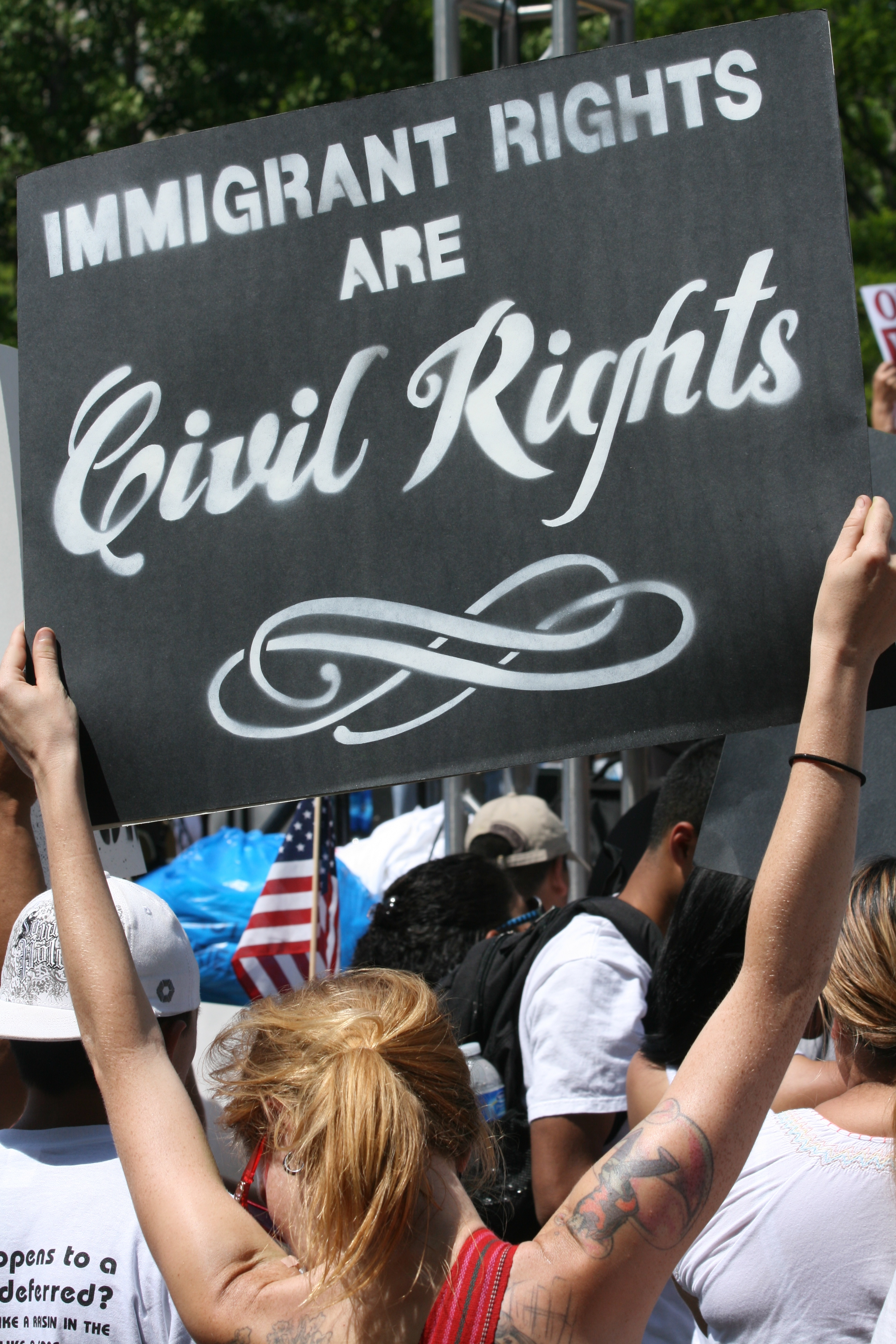 Throughout the history of the United States, there have commonly been influxes of immigrants entering the country seeking employment. Before 1986, there were little to no legal restrictions imposed on employers for hiring undocumented workers. Informal programs, like the Bracero Program, encouraged an increased presence of laborers to support less favorable American jobs. These programs, while economically successful, were politically controversial and led to more serious conversation AbOUT the future of employment sanctions. However, by the 1960s the lack of policy was not so much the result of limited awareness by executive powers, but an inability to form a consensus on policy that would satisfy a majority of top officials. This is further explored in the section below.
Background
The serious consideration of employer sanctions traces back to the 1952 debates of the McCarran–Walter Act which consolidated all the U.S immigration laws at that time into one statute. The debates for this Act occurred during the Truman administration and at a time when the United States received a huge wave of illegal immigration, particularly from Mexico. Some law makers during the debates of the McCarran-Walter Act suggested that simply tracking and deporting illegal aliens was not enough to address the issue of illegal immigration, but that employers who knowingly hire and harbor these aliens should face penalties as well. These proposals faced heavy opposition in Congress and ultimately did not become part of the Act.
In 1953, during the Eisenhower administration, the rise of illegal immigration to the country continued, especially on the West Coast. News articles at the time highlighted the negative impacts of illegal immigration on American citizens, particularly citing the growing public health risk, criminal activity, and welfare dependence of illegal immigrants. In response to these concerns, President Dwight D. Eisenhower dispatched Attorney General Herbert Brownwell to Southern California to investigate the situation. Brownwell affirmed that illegal aliens in the United States did indeed hurt the economic and public wellbeing of Americans and proposed to the President that the McCarran-Walter Act should be amended with employer sanctions legislation however, due to strong opposition from congressional supporters and Southwesters growers, these proposals again failed. 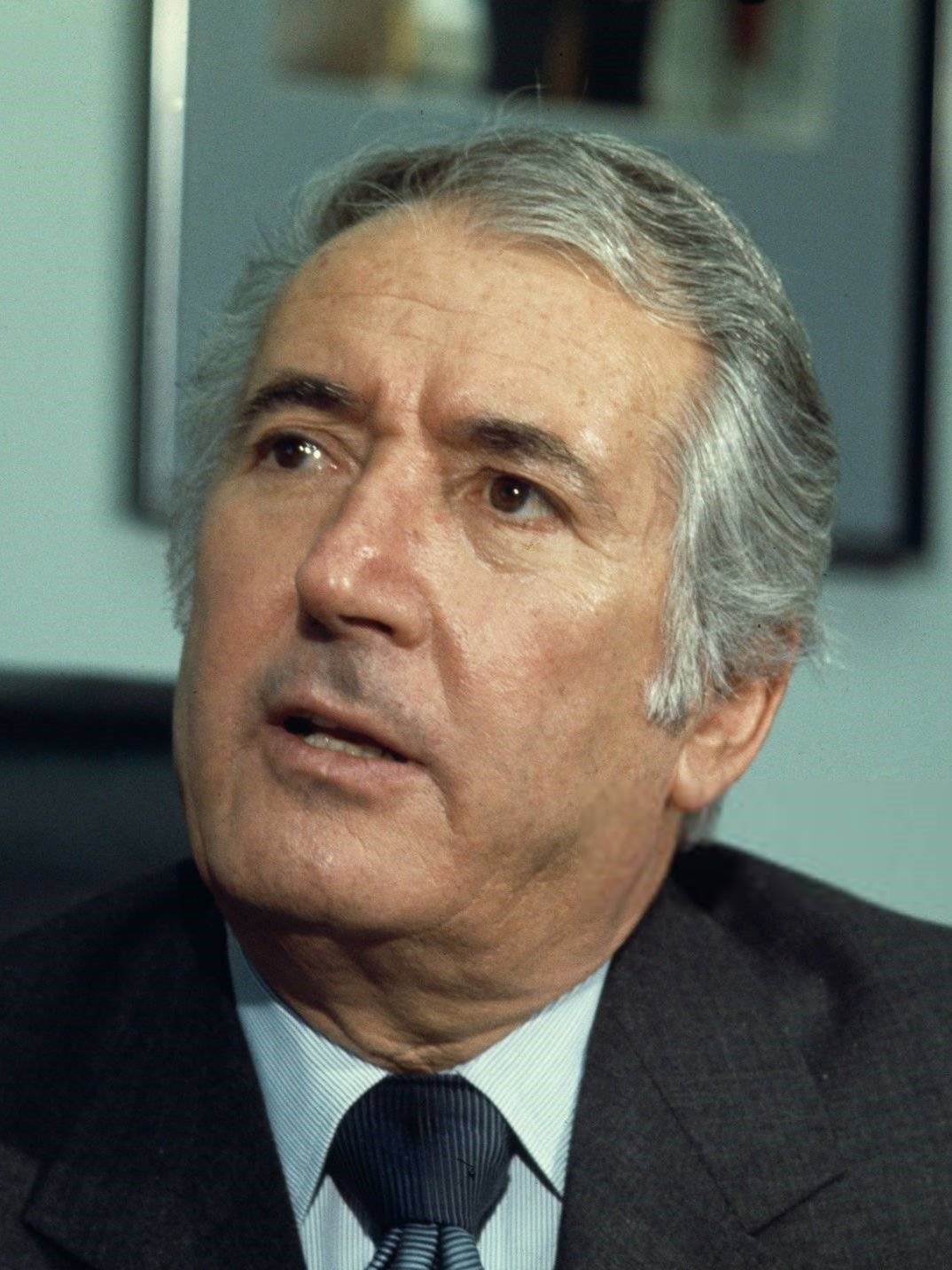 During the early 1970s, debates regarding employer sanctions again arose. This time, the AFL-CIO Legislative Department (often now referred to as the Advocacy/Government Affairs Department) was at the forefront of lobbying support for these sanctions. Employer sanctions particularly appealed to Democrats as they would rather see employers face consequences for hiring illegal immigrants than to enforce mass deportations of these undocumented individuals. Peter Rodino, who served as Chair of the House Judiciary Committee’s Subcommittee on Immigration, was particularly influential in championing the idea of employer sanctions. In 1971, Rodino’s committee held multiple hearings on illegal immigration across the country and found success in many states, particularly California, Colorado and Texas.
After over a year of Peter Rodino and his team working tirelessly to lobby support for employer sanctions, the Rodino Bill was formally introduced in the House of Representatives. This 1972 Bill sought to enact specific consequences for employers who knowingly hire illegal immigrants, actions including a warning citation written by the Attorney General to the employer, a civil penalty fine of $500 for each unauthorized employee knowingly employed, and the possibility of up to one year of imprisonment for guilty employers. The Rodino Bill passed the House of Representatives but it failed to gain support in the Senate, suffering the same fate as the debates of the aforementioned McCarran–Walter Act.
Background: Immigration Reform Policy
The introduction of legal immigration reform policy did not simply come about in the modern era. It was influenced by the creation of the Select Commission on Immigration and Refugee Policy and public sentiment. Only a few years after the recommendation of this commission, IRCA was born and laid the groundwork for employment practices, the development of deportation enforcement, and lawful residency programs. With the implementation of IRCA, immigrants reportedly enjoyed a better quality of life. However, several proponents against the act feel that it was unable to address the real underlying issue surrounding immigrant labor.
Overview of 20th Century Employer Sanction Policies
Despite the limited amount of formal employment policies prior to 1986, there have been several programs sponsored by the American government that have encouraged employment for foreigners in the United States. Some of these sponsorships have included: the Special Agricultural Workers program, the Bracero Program, and DACA. The programs have historically been started because of the need to outsource cheap labor, provide refugee relief, or entice foreigners to cultivate underdeveloped territories. Over time, the concerns of Americans have led to heated debate regarding the future of immigrant laborers. The McCarran-Walter Act is only one of many different times in modern history when its future has been debated openly. The following reading explores how the United States came to enact penalties and sanctions of foreign labor and how it affected society.
The Select Commission on Immigration and Refugee Policy
In 1978, the U.S. Senate and House of Representatives voted to amend the Immigration and Nationality Act as a result of increased migration of people from Central America. During this session under the 95th Congress, participants also voted to create the Select Commission on Immigration and Refugee Policy, a twelve person commission specifically selected by President Jimmy Carter that would be responsible for suggesting policies that could aid the development of immigration policy. A few of their responsibilities included assessing the economic, social, and political implications of immigration in the United States and whether or not the Immigration and Nationality Act should apply to American territories and islands in the Pacific.
This commission met until 1981, at which point they suggested four key changes to current enforcement. First, they suggested the creation of a law that would hold employers responsible for hiring undocumented workers. Second, they proposed creating an amnesty law that would satisfy the "liberals" and resolve the legality of immigrants already living in the United States. The third and fourth solutions were advisements to increase border patrol presence and deportation numbers. Critics of the commission claim that the suggestions put forth were "short-sighted" because they did not do enough to credit the economic contributions of immigrants. Additionally, minority members of the House of Representatives felt that commission members, "failed to recognize the global and historic nature of unlawful migration." Despite these objections, these solutions aided in the creation of the Immigration Reform and Control Act only a few years later.
Significance of IRCA (1986)
The Immigration Reform and Control Act was introduced at the peak of an expansive, complex economy that was in need of copious cheap labor, a need to stabilize illegal migration, and satisfy the security concerns of American citizens. The final report and recommendations of the Select Commission on Immigration and Refugee Policy inspired the Reagan administration to enact a policy that would please Americans and capitalists alike. Because of this, IRCA's objectives were created to meet the needs of interested parties. A few of these objectives were:
- A budget increase consisting of several million dollars for Immigration and Naturalization Services.
- Financial compensation distributed to government programs and higher education institutions for verifying the immigration status of its participants.
- Granted assured systems of residency for seasonal migrant laborers and possible paths of citizenship for immigrant arrivals prior to 1982.
- The creation of new immigrant classifications for temporary workers (H-2A).
- The enforcement of designated work hours and wages paid to unauthorized aliens in order to deter the number of employers who hire them for "economic incentive."
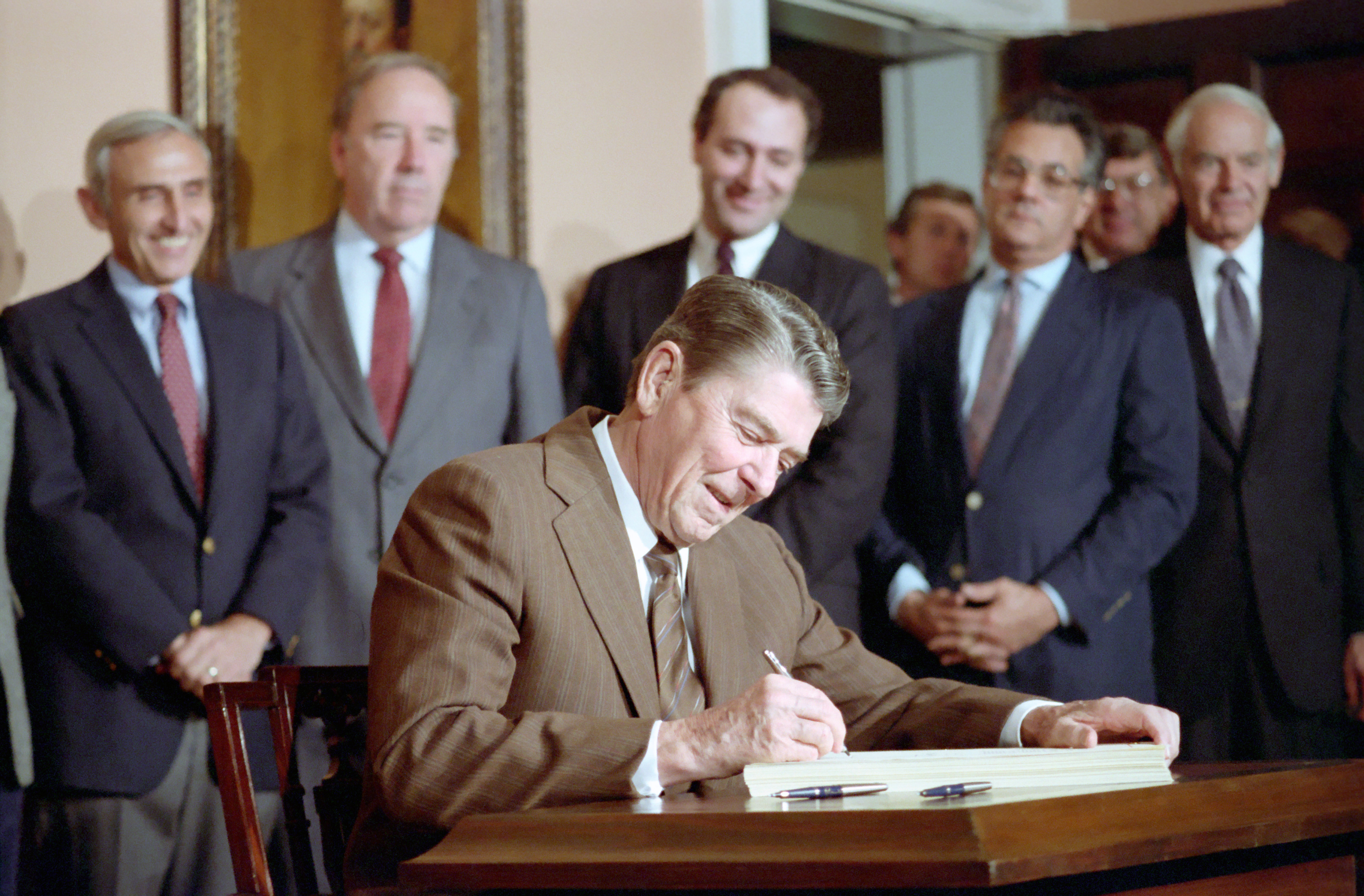
For a time, IRCA helped stabilize the inflow of undocumented migrants. Researchers reportedly saw a positive change for previously undocumented immigrants who found employment in the states. The findings conducted by the Center for Immigration Studies also found that immigrants who were employed in the U.S. during this period and found gainful employment were significantly better off a few years later, compared to other foreigners. Despite these findings, historians and researchers remain the greatest critics of the act today. According to Jimmy Gomez and Walter A. Ewing, researchers of immigration policy, argue that despite significant funding from the government, much of the allotted budget was distributed towards deporting illegal aliens. They felt that this goal was contradictory to the purpose of the new act, which was to limit the amount of resources that are given to deportation systems and harness them to control the "illegal" problem. Another argument against the efficiency of IRCA came from LULAC (League of United Latin American Citizens). They claimed that proponents of the act were only put into effect to make satisfy the desires of political parties; they failed to really address the underlying problems involving the employment of migrant workers. Ultimately, these critiques would not be addressed by government officials.
Post-IRCA Developments: 1980s - 1990s
Following the passage of the Immigration Reform and Control Act, the American government spent the rest of the 1980s and the 1990s perfecting and enforcing the new employment policies it had created. There were two main goals that IRCA presented: First, limiting the number of undocumented workers that were hired. Second, limiting resources given to deportation services and redirecting them to processes that would make immigrants legal. Over the next two decades, the government faced immense challenges as it sought to enforce changing policies and build lasting systems.
Employer Sanctions
One of the main points of IRCA's passing was that it made it illegal for employers to knowingly hire illegal aliens. Throughout the 1980s the government attempted to find ways that they could monitor the effectiveness of the law while simultaneously keeping employers liable. Not only were employers unable to be trusted, but the document's immigrants used to enter the country also came under scrutiny. During this period, the government decided the best measure of success they could implement would be auditing employer activities by doing workplace inspections. This resulted in the creation of the 1-9 Employment Eligibility Verification Form.
Form 1-9 Employment Eligibility Verification Form
The 1-9 form specifically addresses section 274A(b) of IRCA which required employers to verify the immigration status of it employees. The U.S. government has specifically declared that employers must use this form to verify their status. American citizens and foreigner alike use this process when they complete documentation for new employment.
When processing new workers, employers are required to:
- Submit a form within 3 business days as requested by the Notice of Inspection.
- Supporting paperwork must also be delivered such as an updated copy of payroll, a list of past and present employees, and any relevant licenses.
- Following a submission of the request documents Homeland Security Investigations (HSI) verify its legitimacy.
- If there are any mistakes submitted, HSI allows a grace period of ten business days to correct the errors.
- There are substantial penalties for continuous mistakes and faulty paperwork.
More information on the process of filling out the Form 1-9 as an employee can be found online.
Penalties
Before the HSI begins collecting penalty checks, there are a series of warnings given to employers. These are a few kinds of warnings that occur:
- Notice of Inspection Results: A letter that typically informs employers whether or not their 1-9 forms have been processed and approved. These letters do not always signify approval.
- Notice of Suspect Documents: This letter informs the employer of discrepancies regarding the documentation submitted of its employees. This could be an error regarding the form submitted or finding fault with the documents submitted to support the form. The possibility of a fine and penalties are mentioned in the form. Employers are allowed to appeal.
- Notice of Discrepancies: This warning specifically warns employers that HSI was unable to verify the status of the employee it was attempting to hire. Requires employers to submit an additional form and documentation to prove the prospective employees status.
- Notice of Technical or Procedural Failures: There may be technical or procedural issues with the paperwork submitted. Employers are required to correct and resubmit a new form addressing the mistakes. An inability to do so results in being charged with violations.
- Warning Notice: This is an official warning distributed to employers that have not been previously notified of potentially being charged with violations. This letter can only be distributed as a first time warning. Employers who are suspected as having committed fraud, intentionally tampering with paperwork, or who have previously received an informal warning, can not receive this letter.
- Notice of Intent to Fine: Final letter given that states HSI's intent to enforce fines and penalties to employers who have ignored warnings, deliberately have not corrected paperwork, or complied with instructions.
Maximum and minimum penalty amounts fluctuate every year to match inflation. For 2024, the Federal Registrar's office declared that the maximum penalty amount would be $27,894 for every known violation concerning the employment of a known unauthorized employee. Lesser penalties, like an unwillingness to resubmit a correction in an 1-9 form, culminate in a fine as little as $281.
Amnesty
 IRCA granted amnesty to immigrant arrivals prior to 1982. IRCA's amnesty oftentimes provided easier paths to apply for American residency and set migrants up to gain their citizenship through simpler methods. Similar to this program, the Special Agricultural Worker (SAW) program was another form of amnesty that laborers benefited from. From 1985 to 1986, agricultural workers that could legally prove they had worked in American farms could apply to receive their residency. Applications for residency were accepted until the end of 1988. With an economic surge that took place in the 1990s, there was another wave of immigration that was supported with the addition of the Immigration Act of 1990 (IMMACT). Employers were eager to satisfy consumer needs and needed the extra labor to meet them. The number of immigration visas that were made available that year doubled as a result of employers requests. By the end of the century, the presence of immigrants in the United States was a prevalent and mounting social, political, and economic issue.
Post 9/11 Attacks
The tragic events of 9/11 dramatically transformed U.S. immigration policies. From the U.S.A Patriot Act (2001), to the creation of the Department of Homeland Security to the enactment of the REAL ID Act (2005) and numerous other provisions, the message to the entire world was clear that the United States was taking its national security measures more seriously than ever. A major aspect of these policy changes and measures were targeted towards illegal immigrants who were unauthorized to work in the United States. Additionally, these policy changes aimed to tighten the loose employer sanctions that the United States had at the time of the 9/11 attacks.
Department of Homeland Security
The Department of Homeland Security (DHS) was established in November 2002 when President George W. Bush signed the Homeland Security Act of 2002 into law. This federal department was established primarily in response to the events of 9/11 and has since become the foremost enforcer of immigration policies and many other laws in order to safeguard the American people, homeland and values.
Operating under the DHS is the U.S. Immigration and Customs Enforcement (ICE) whose primary responsibility is to “protect America through criminal investigations and enforcing immigration laws to preserve national security and public safety.” Since Donald Trump’s second term as President of the United States in 2025, ICE has increased their efforts to crack down on illegal immigration in the country. Conversely, ICE has not given the same focus on targeting employers who knowingly hire illegal immigrants. One notable example occurred on September 04 when federal officials raided the HL-GA Battery Company project located 30 miles northwest of Savannah and detained almost 500 workers, the majority of whom were from South Korea and who were not legally authorized to work in the United States. Notably, the company who knowingly hired these unauthorized employees faced no penalties whatsoever.
Social Security "No-Match" Letters
Social Security "No-Match" letters (formally called Employer Correction Request Notices or EDCOR) are written notices that employers receive from the Social Security Administration (SSA) to notify the employer that the name and SSN provided by the employee on their Form W-2 is incorrect.
Although there are many reasons why the name and SSN on an employee’s Form W-2 may be incorrect including typographical errors, unreported name changes, and inaccurate or incomplete employer records, Social Security “No-Match” letters can indicate that identity fraud has occurred. In many instances, this crime has been committed by undocumented immigrants who are of course, not authorized to legally work in the United States. In this sense, “No Match” letters are used as yet another method by the United States government to target undocumented immigrants. In some instances, employers have fired employees who have received a “No Match” letter, taking this as an indication that the employee was unauthorized to work in the country.
E-Verify Program
 E-Verify, an online platform that was launched in November 1997, helps employers verify if a job applicant is legally authorized to work in the United States. E-Verify uses the employee’s I-9 form data and compares it with the records from the Department of Homeland Security and the Social Security Administration (SSA) to verify work authorization.
Limitations to the E-Verify Program
Although the E-Verify program is supposed to help employers determine whether a job applicant is authorized to work in the United States, it is up to the states whether they require employers to use E-Verify. As of 2025, only 23 states mandate the use of E-Verify. Additionally, not all employers are mandated to use E-Verify as part of their verification process, which can cause inconsistencies with hiring from one employer to another.
Another issue with E-Verify is that it is not completely accurate. This online platform relies on information from other government databases which may not always be up-to-date which can pose challenges for the verification process.
Immigration Enforcement Today: 2010s - 2020s
Immigration Enforcement and Expenditure
In the 2012 budget year, the Obama administration reportedly spent over $18 billion on immigration enforcement, exceeding the combined expenditure of all other federal agencies that year. Most of the $18 billion was spent on Immigration enforcement programs run by Immigration and Customs Enforcement, the US-Visit program, and Customs and Border Protection, which includes the Border Patrol.
The amount spent by the Obama administration in one year (2012) truly is a staggering number especially when compared with the $16.2 billion that Biden's administration spent during his 4 years in office (2021 - 2025). A huge portion of the expenditure under the Biden administration went on providing Medicaid-funded emergency services to illegal aliens.
In Trump’s first term, his administration spent $23.1 billion dollars in just the 2019 financial year. That number is expected to reach astronomical heights in Trump's second term, especially due to the passing of the Big Beautiful Bill which has granted the Trump administration and ICE unprecedented funds to heighten its illegal immigration deportation initiatives from 2025 to 2029.
State-level legislation
Although federal laws such as those establishing employer sanctions and other policies to limit unauthorized workers have existed for decades, the states themselves have certain laws to assist with this initiative.
These state laws mainly come in the form of fines and penalties as well as affidavit requirements. For instance, the State of Arizona has the Legal Arizona Workers Act (LAWA) which prohibits business from knowingly employing unauthorized workers. As stated in this Act, there are multiple consequences for employers who break this law: First violation: (1) Employer must terminate all unauthorized employees, (2) the business location enters a three-year probation, with quarterly reports on new hires, (3) the employer must file an affidavit confirming compliance and (4), licenses at the business location may be temporarily suspended if affidavit is not filed. Second violation included the permanent revocation of licenses at the affected business location.
Deferred Action for Childhood Arrivals
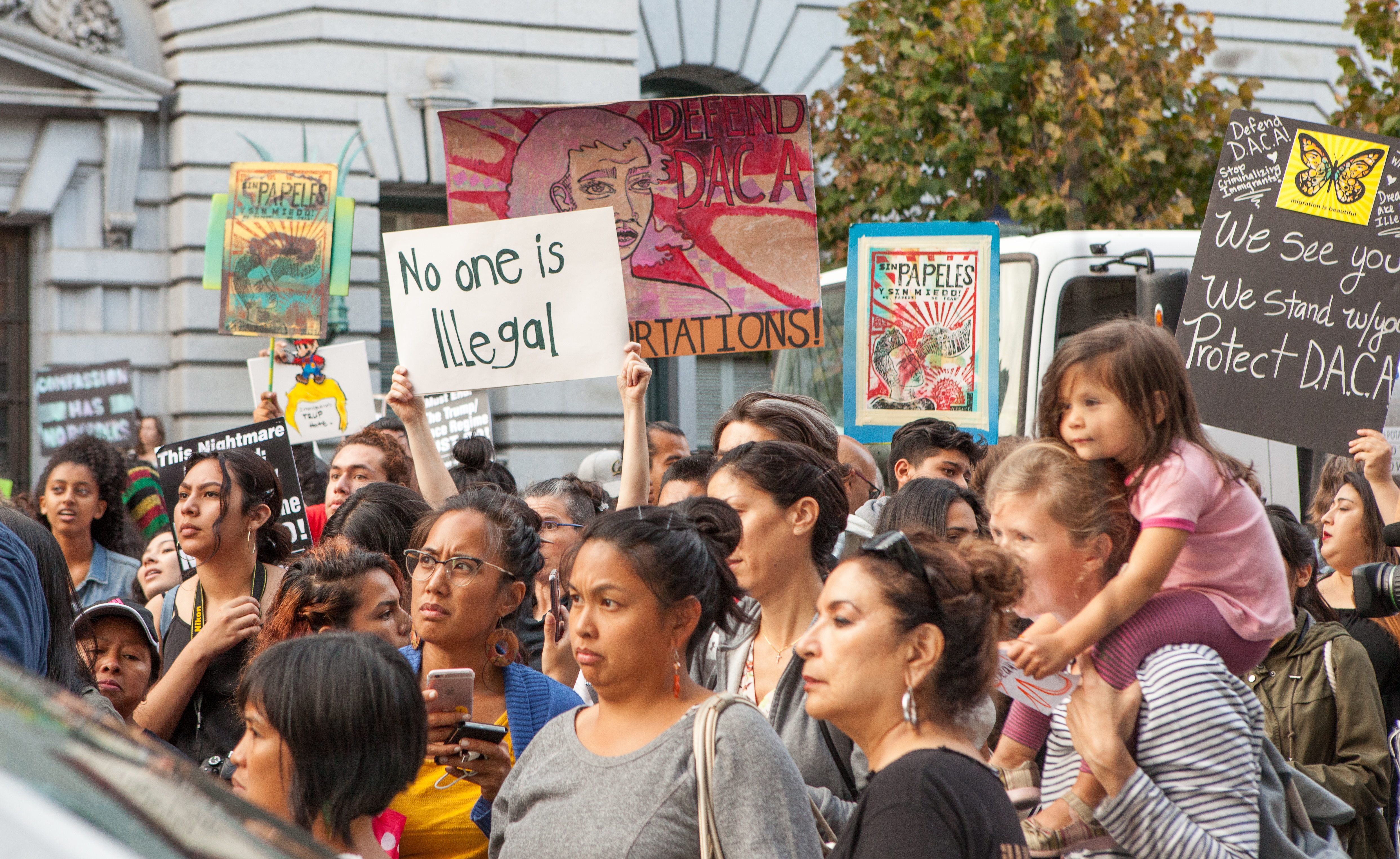 Deferred Action for Childhood Arrivals (DACA) is a United States immigration policy that was established in 2012 via executive action under the Obama administration. The aim of DACA is to provide protection to immigration children who arrived in the U.S before the age of 16 and had lived continuously in the country since June 15, 2007. Eligible applicants to the DACA program receives a two year renewable permit that grants them employment and education rights in the U.S, although DACA does not provide a pathway to citizenship. In recent years, the legality of DACA has been challenged in Federal courts and in the Supreme Court. Currently, individuals who are already enrolled in DACA can renew their permits however, due to ongoing legal challenges relating to DACA, no new applicants are being accepted although this may change in the near future depending on the outcome of the current cases before the Federal Courts. The federal government might soon resume taking new DACA applications.
Presidential Administrations: Immigration Policies
President Obama
Former President Barak Obama's immigration policies varied in priority, policy, and potential. His presidency was known for setting record number amounts of deportations by using strict enforcement and only allowing leniency selectively. President Obama was responsible for more than three million deportations during his two terms as president. This was because of his "priority list" that he adhered to during his tenure. Obama believed in increasing the number of deportations that took place because he wanted to limit the number of incoming immigrants that were arriving in the U.S. This led to his infamous nickname as "deporter-in-chief." A stark contradiction from his immigration efforts, Obama's presidency is also remembered as establishing the Deferred Action for Childhood Arrivals (DACA) program. As previously mentioned, DACA granted employment rights to undocumented persons who had arrived to the United States as children. President Obama tried to expand upon DACA by creating relief for adults too but ultimately found no success.
President Trump
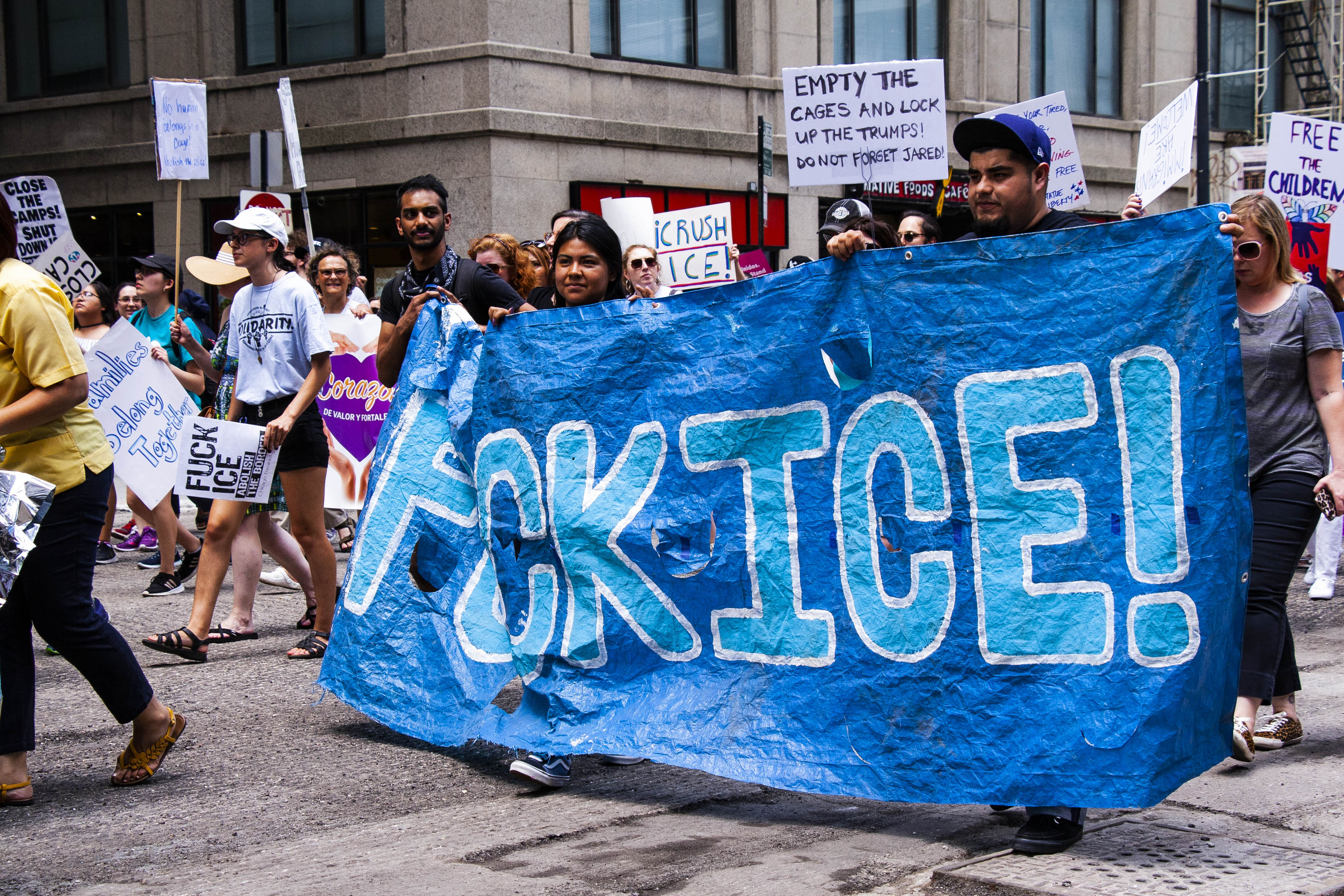 President Donald Trump's immigration policies differed from that of his predecessor. He more openly advocated for the removal of unauthorized immigrants and enforced greater restrictions. One of his aims was to dismantle several programs enacted during the Obama administration, such as DACA. Trump's "zero tolerance" policy ultimately led to historic travel bans and increases in funding towards the Department of Homeland Security. Additionally, several programs that he introduced, such as the "Remain in Mexico" program, greatly reduced the number of asylum seekers that were permitted to enter into the United States. His presidency is remembered as one of the most stringent administrations on immigration enforcement and restriction.
While President Trump's second term has just begun, there have also been notable changes in immigration policy. In his first one hundred days as president, Trump began removing programs that aided asylum seekers in formally petitioning their arrival to the U.S. His presidential administration has also begun limiting the number of labor visas that are distributed each year.
President Biden
President Joe Biden's administration reflected several key points of that of Obama. As he came to office, he decided that he wanted to continue the policies and sanctions delivered by his colleagues administration. One of his first enactments was the end of the Muslim Travel Ban and "Remain in Mexico" program. He shaped his administration to protect and enforce limited aggressive confrontations with undocumented workers, and instead focus on proven threats. While these policies worked for a time, the eventual demands of migrants led to the creation of stricter border patrol policies and requirements for asylum seekers.