
GreenFire Energy
GreenFire Energy is an American geothermal energy startup company, founded in 2014 in Oklahoma City, Oklahoma. They are known for combining advanced geothermal system development with their economic and technological modeling to retrofit underperforming geothermal wells. They mainly focus on developing innovative geothermal technologies including their ECO2G/ GreenLoop Project. ECO2G's design involves a closed-loop geothermal system (CLGS) that utilizes supercritical carbon dioxide (sCO2) as a working fluid instead of the conventional hydrothermal geothermal system. For the GreenLoop project, GreenFire has received investments from the U.S. Department Of Energy, the California Direct Air Capture Hub, Shell, Baker Hughes, and the California Energy Commission (CEC). GreenFire also has research collaborations with the Lawrence Livermore National Laboratory, AtlaRock, the California Direct Air Capture Hub. To demonstrate that their ECO2G technology was fully functional, GreenFire collaborated the California Energy Commission to launch a demonstration Project at Coso Geothermal Plant.
ECO2G/ GreenLoop Technology
ECO2G utilizes CLGS and CO2 - plume Geothermal Technology to make EGS more efficient while addressing the challenges that come with Using Water as a working fluid. Water is a popular choice for EGS, but it can cause strong dissolution and precipitation in fractures resulting in the alteration of rock fractures. Along with this, water is a scarce and valuable resource that may not be locally available for geothermal sites to use, which will sometimes make it an uneconomical option for EGS. Along with this, ECO2G is intended to retrofit underperforming geothermal wells while tapping into geothermal sites that aren't permeable enough for conventional geothermal. 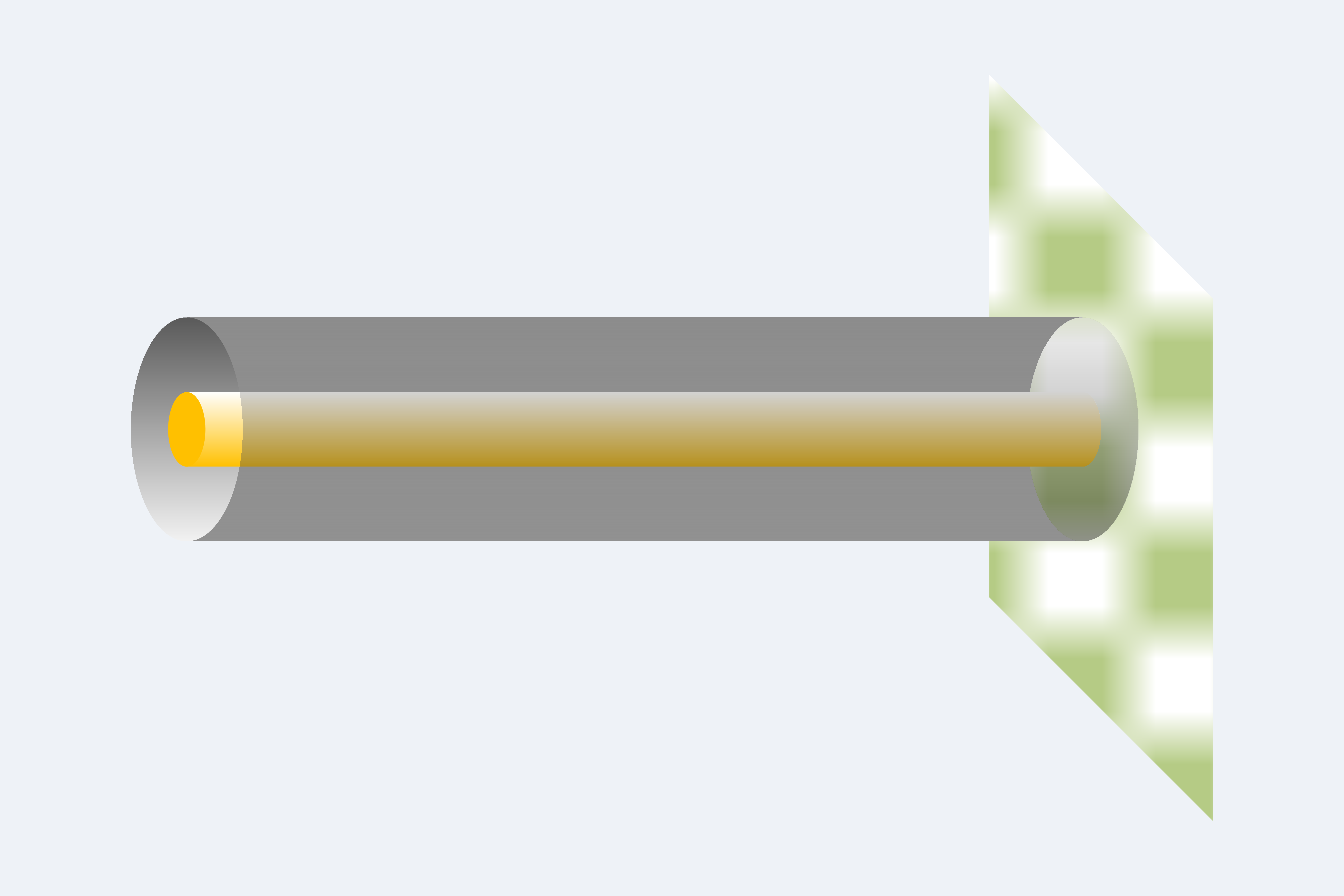
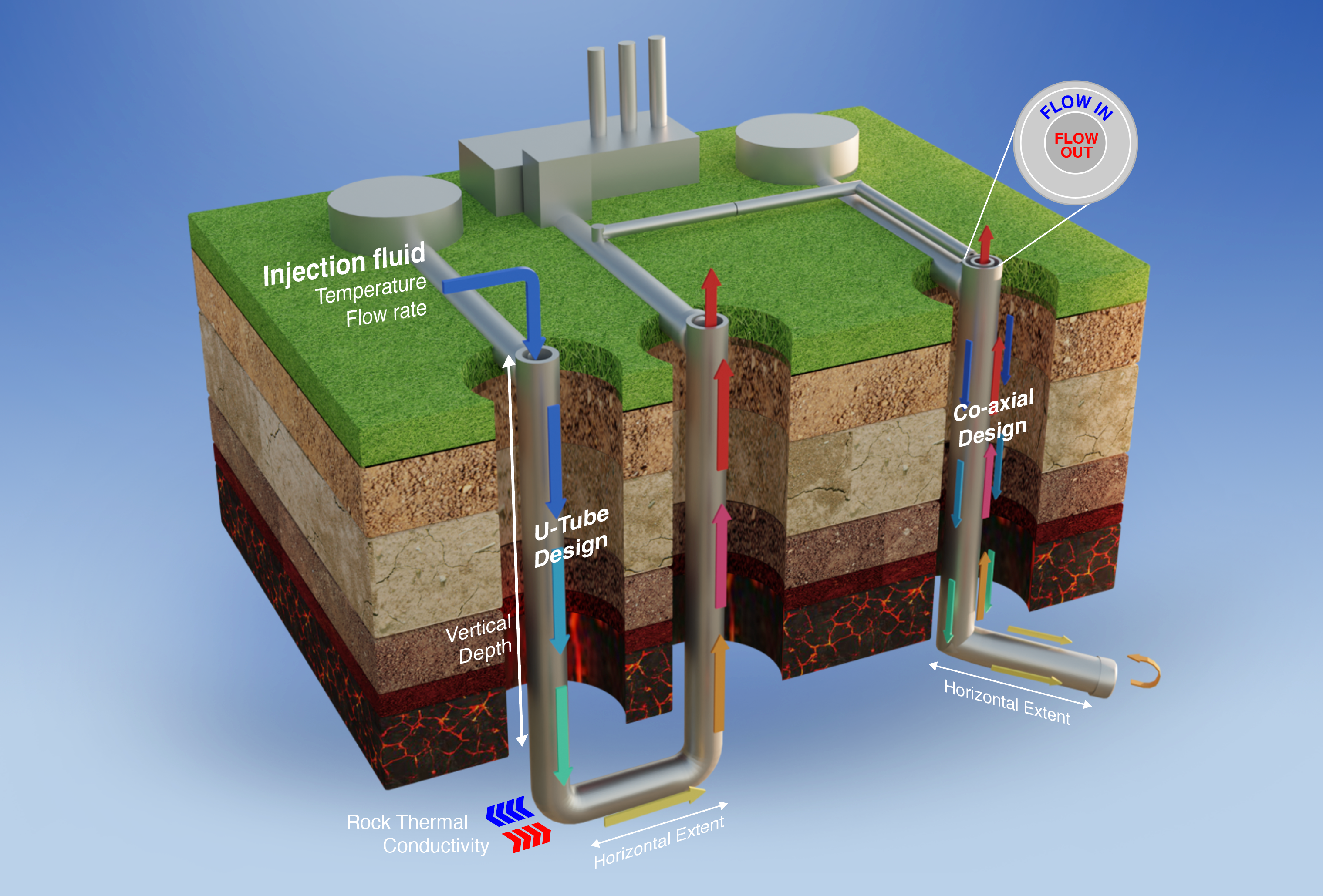 GreenFire designed their CLGS with a down borehole heat exchanger known as DBHX that's meant to extract enthalpy from deep wells in hot, dry rock. The DBHX has a liner inserted into the geothermal well that has a vacuum insulated tube where the [[supercritical carbon dioxide (sCO2 flows downward into the well. The cold sCO2 flows downward into the EGS RESERVOIR where it is heated and rises back up to the surface where a sCO2 turbine is used to generate electricty. CLGS isn't a new technique, but pairing it with sCO2 taps into sCO2's favorable attributes such as its larger expansivity, high buoyancy force and higher heat extraction rate than water.
Coso Demonstration Project
The state of California is uniquely and geographically situated for leading the U.S in the geothermal industry. California's proximity to the "Ring of Fire" in the Pacific Ocean and tectonic plate BOUNDARIES enables the state to house the largest geothermal electric generation capacity in the United States. California is hoping to transition to 100% renewable and emission-free power by 2045 with the California Public Utilities Commission pushing for geothermal to supply 2,900 MW of net power into the grid by 2030. To accomplish this goal, the California Energy Commission partnered with GreenFire Energy to investigate the efficacy of their ECO2G technology at the Coso Geothermal Plant. The goals of their demonstration included (1) demonstarting that their CLGS can retrofit an underperforming well (2) design, build and operate a CLGS demonstration plant, (3) collect data to confirm their geothermal models for future CLGS projects ranging from 20 - 1000 MW, and (4) compare the efficacy of sCO2 to water as a working fluid. For the demonstration project, GreenFire inserted a 1,083 feet of vacuum-insulated tubing inside a liner that was plugged at the bottom to form their DBHX. The project involved circulating the sCO2 and water in the DBHX at different flow rates and working fluid conditions to measure the output temperature and pressures.
GreenFire found that their technology with sCO2 demonstrated promise for large-scale geothermal projects in hot, dry geothermal resources. They were also able to validate their prediction models when compared to the measured values from the experiment.