
Gramin Vikas Vigyan Samiti
Gramin Vikas Vigyan Samiti (GRAVIS) (Hindi:ग्रामीण विकास विज्ञान समिति) or the Center of People's Science for Rural Development is a non-governmental organization which employs Gandhian principles to serve the poor inhabitants of the Thar Desert in Rajasthan, India.
Mission
A product of the Sarvodaya movement of M.K. Gandhi, the Bhoodhan mission of Vinoba Bhave, and the practical implementation strategies of community development espoused by JP Narayan, GRAVIS attempts to uplift all members of society regardless of race, gender, age, caste, or socioeconomic status.
Origins
The organization was created in 1983 by a group of social activists lead by Laxmi C. Tyagi and Shashi Tyagi at Jelu-Gagadi, a remote village in the Thar Desert, with the goal to empower the resilient inhabitants against a rapidly changing world.
Methods
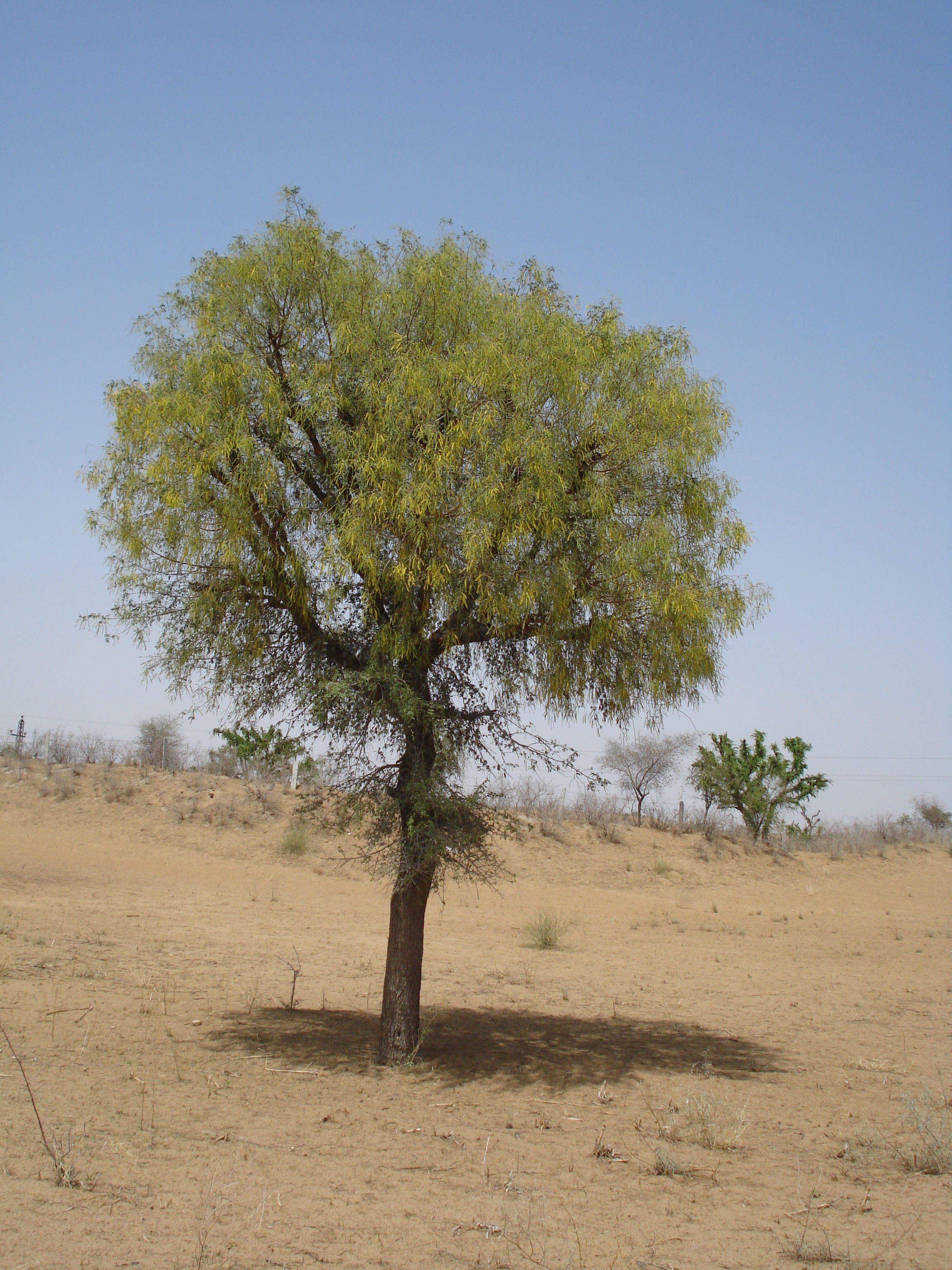 Addressing social imbalance through the application of Gram Swaraj (village self-rule), The organization has grown from a single outpost at Gagadi to six districts in Jodhpur, Jaiselmer, Barmer, Bikaner, Nagaur, and Jaipur.
GRAVIS believes that a practical approach, bolstered by community support is the most efficient method for integrated development. They work with the rural communities to rehabilitate them by enabling ownership over environment, institutions, and communication. They operate to empower the rural populace to become self reliant against growing challenges in survival and engages in projects which promote independence.
Current projects
- Agriculture
- Self-reliance through conservation, development and proper management of natural resources.
GRAVIS works for revival of traditional and sustainable techniques for achieving the food security in the Thar Desert and is actively involved in research and development of innovations in sustainable dry-land agriculture. GRAVIS is closely associated with research and extension institutions like Central Arid Zone Research Institute (CAZRI) and Krishi Vigyan Kendra (KVK) in order to disseminate the most useful and sustainable farming techniques to the local farmers.
- Advocacy
- Promoting adequate representation of all, especially marginalized groups.
- Interaction and coordination of village institutions, local authorities and non-governmental agencies to execute programs
In GRAVIS’ long span of working with rural communities, the priorities have stood unchanged. Participation of people and their ownership have laid the foundation for its work strategy. Accordingly, People’s organizations have played the foremost role in every community intervention, initiated by GRAVIS. Peoples’ organizations also fulfill the vision of Gram Swarajya- or Village Self Rule which has been one of the guiding principles for GRAVIS.
Besides being people’s representative, these organizations have also offered platforms of collective decision making and equal participation for the rural women. It is obligatory to have 50% representation of women in these community based organizations, who against the traditions and customs, voice their thoughts and make decisions with their male counterparts jointly.
People’s organizations promoted by GRAVIS include Village Development Committees (VDCs), Village Education Committees (VECs), Village Eye Care Committees (VECC), Village Older People Association (VOPA) and Self Help Groups (SHGs)
- Health
- Quality assured and cultural appropriate health facilities and promotion of hygienic practices.
- Improving access and quality of care.
Community health is more than distribution of medicines to patients. It also comprises active involvement of community in decision making through which they become able to get benefits in future. Due to poverty and low socio-economic development, the health status of Thar has suffered a great deal over the years. The health facilities in remote areas are scarce and the awareness level on health is very low
- Education
- Access to and sustained enrollment of students (especially girls) in formal and non-formal educational facilities.
To run the education programme effectively, Village Education Committees (VECs) have been formed. In VECs, nearly half of the representatives are women. The VECs closely monitor the day to day activities of the schools, manage the community's education fund, support the schools teachers, oversee the distribution of teacher's salaries, and secure food and other materials needed for the schools. Decisions relating to the future plans of the school such as links to government funds and programs, as well as educational topics and approaches, are all made by the VECs
- Economic Development
- Increased economic activity, and a general increase of wealth among marginalized groups through micro-credit initiatives.
- Development of communal village funds and increased financial literacy.
- Water Management
- Timely, equitable and proper construction and maintenance of water-harvesting structures.
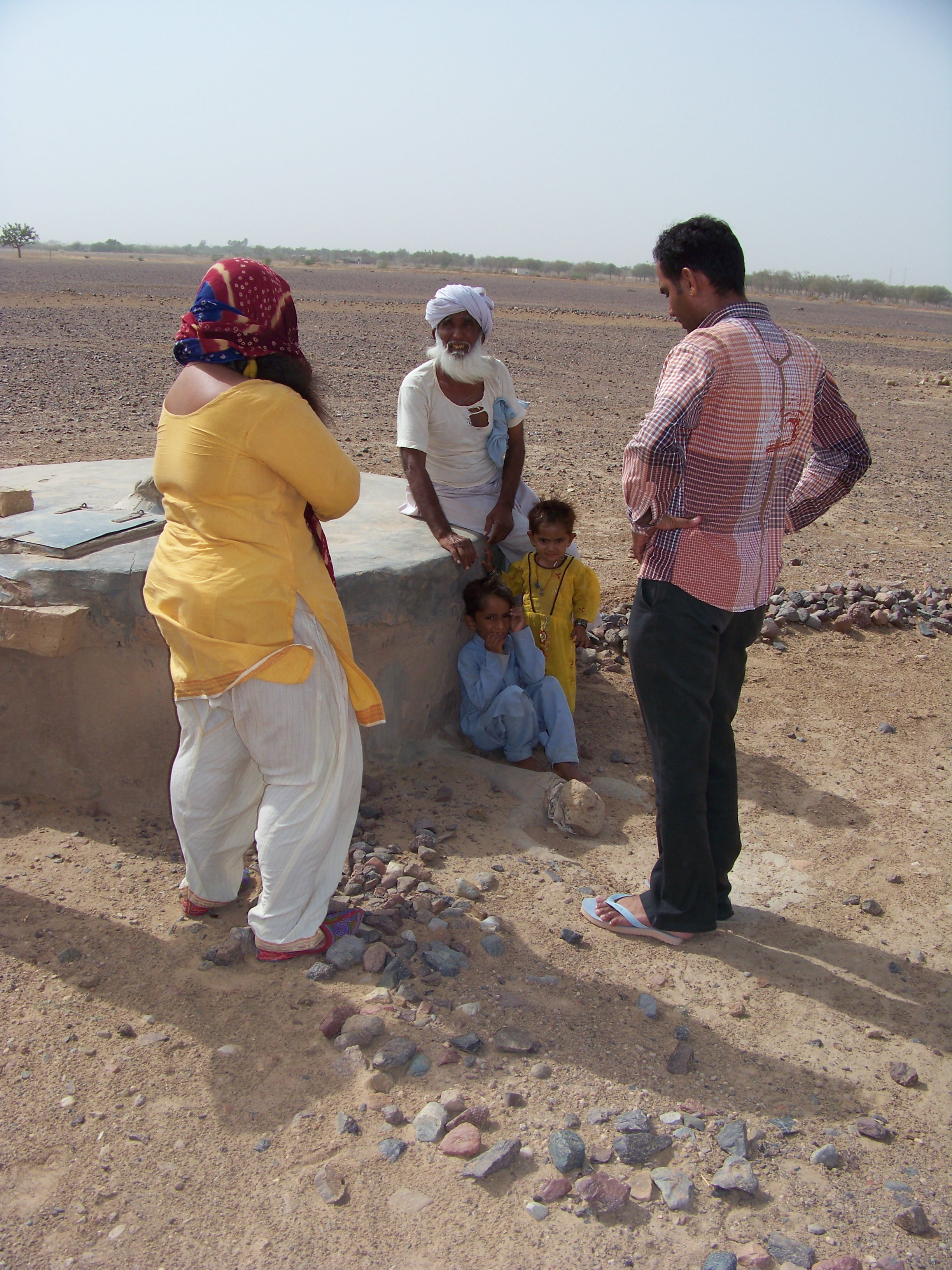
GRAVIS has a strong focus on organizing community-based interventions leading to water security. The primary focus of intervention has been mobilization and empowerment of rural communities for natural resource management specifically in preparing traditional water harvesting structures such as naadies, beries and taankas. GRAVIS performs capacity building of rural communities so that they themselves come forward to restore traditional water harvesting structures for community use. The short-term benefits of the water resources development include addressing the immediate water crisis faced by both humans and livestock – ensuring availability of clean drinking water. The long term impact includes greater drought preparedness of the village community. With availability of clean drinking there will be an improvement in health and hygiene.
References
- GRAVIS Annual Report 2007-2008
- GRAVIS Annual Report 2006-2007
- The Story of GRAVIS by Hayden Kantor, July 2006
External links