
George Huebner
George John Huebner (September 8, 1910 – September 4, 1996), also George John Huebner, Jr. and George J. Huebner, was an executive engineer who worked for the Chrysler Corporation. He designed the turbine engines used in Chrysler experimental automobiles. He developed the first practical gas turbine engine for a passenger automobile.
Early life
Huebner was born in Detroit, Michigan, on September 8, 1910. He was the son of George John Huebner (Sr) and Ruth Reigel Huebner. His father was a stockbroker and published Tooling and Production magazine. His grandfather was an automobile parts dealer and many times sold parts and material to Henry Ford. Huebner was a high achiever in school and skipped a few grades. He enrolled at the University of Michigan when sixteen years old. His first classes were in economics, taken with an intention to follow in his father's footsteps as a stockbroker. He later became interested in mechanical engineering and changed his major. He graduated with a bachelor's degree in engineering in 1932.
Mid life and career
Huebner joined Chrysler Corporation part-time in 1931 before graduating from the university a year later. He was at first a research engineer and in 1936 became assistant chief engineer at the age of 26. He held that position until 1939 when he went to the Central Engineering Division to work with Carl Breer, one of the core engineers of 15 years before. One of his first jobs there was working on aircraft turbine engines. In the 1940s, with a group of engineers, he designed a liquid-cooled V-16 fighter aircraft engine. In 1949 the U.S. Navy gave Chrysler a contract for the design of a 1,000-horsepower turboprop aircraft engine of which he was the chief engineer. 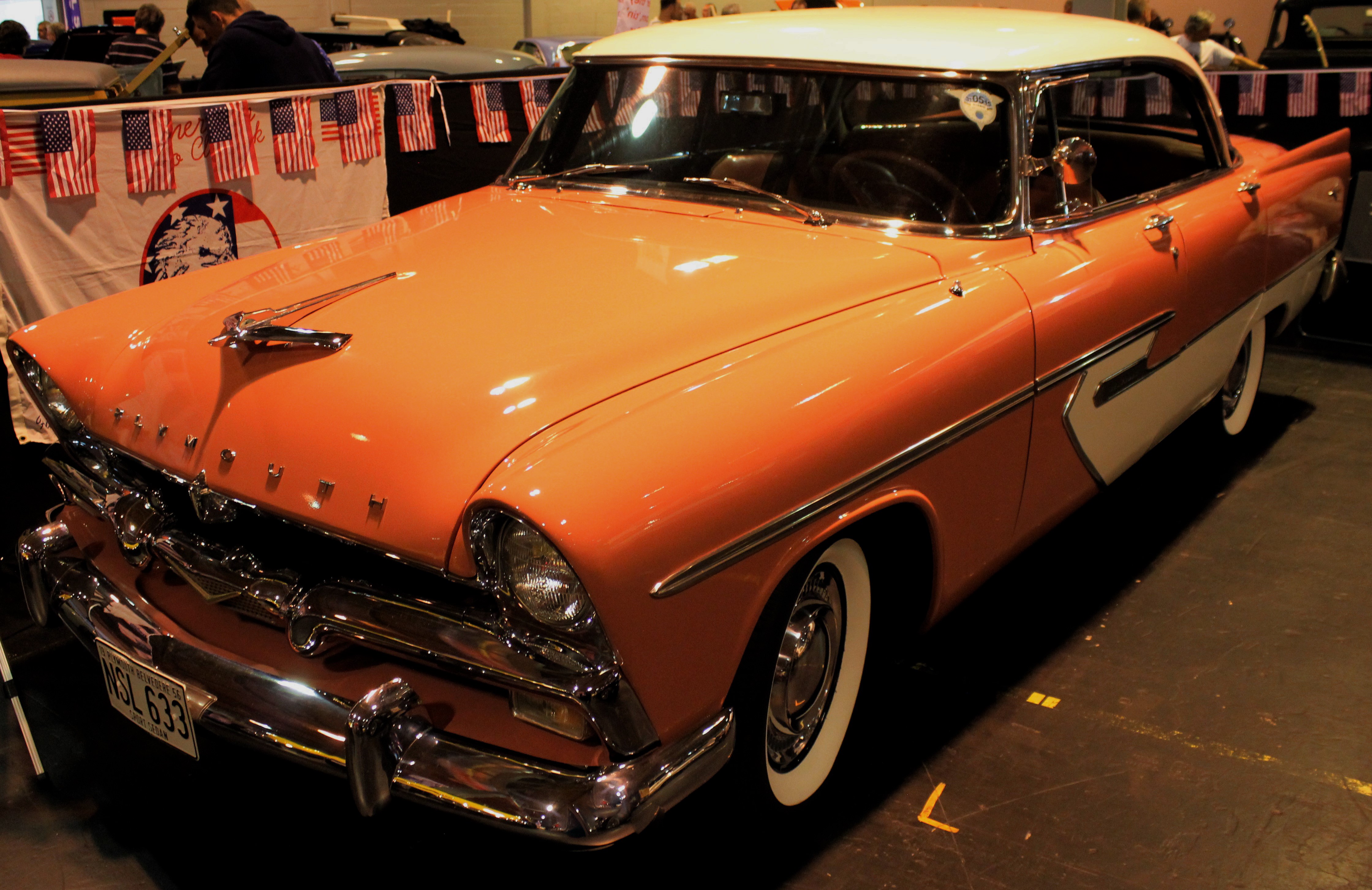
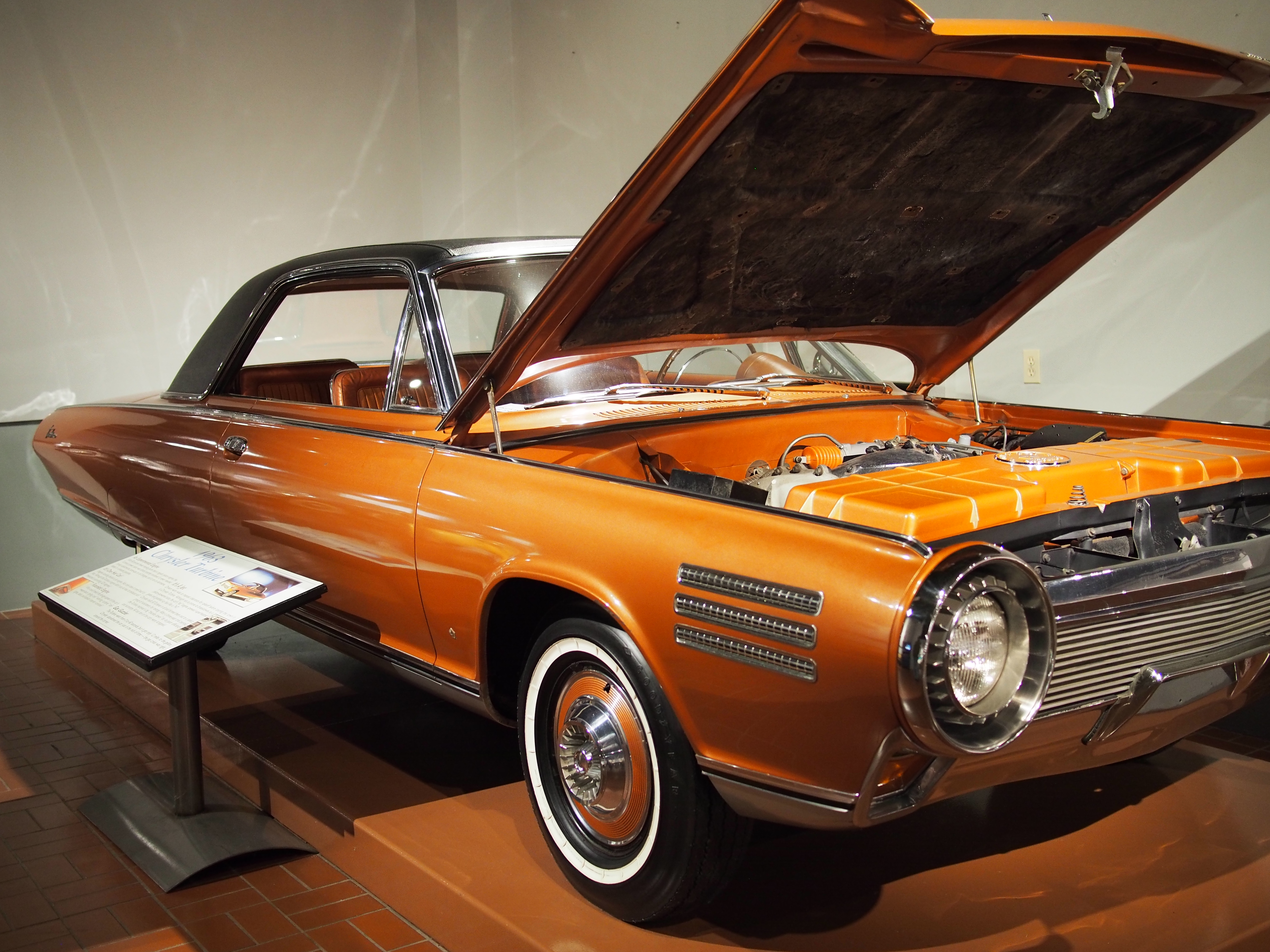 Huebner became chief engineer of Chrysler's Research Division developing experimental automobiles. There he was in charge of gas turbine engine design and became Director of Research in 1955. He was responsible for the design of the first automotive V-8 engine with a hemispherical combustion chamber. Huebner, as research engineer at the Chrysler Corporation in 1956, directed the project of the first transcontinental trip in a gas-turbine automobile. The automobile used was fitted with a gas turbine engine of his design. It was given the name "Chrysler Turbine Special".
Huebner drove across the United States in the turbine engine automobile, a converted 1956 Plymouth Belvedere. He left New York City with his driving crew on Monday March 26, 1956 and traveled on the nation's highways with a support caravan of station wagons of equipment. Huebner, as the driver of the Plymouth automobile, arrived four days later in Los Angeles on Friday evening March 30. He designed and developed the engine that was used in the car for the trip. The first transcontinental trip of a gas turbine car ran on white gasoline, fuel oil, and diesel oil. Sometimes normal leaded gasoline, as used in piston automobiles, was burned as a fuel. It was driven at and averaged .
Huebner believed he had put in motion the idea that a gas turbine car was going to be the trend and the conventional 70 million piston-driven automobiles then on the road would be replaced by this technology. He continued to develop the automobile turbine engine for the next ten years. During Huebner's career a gas turbine automobile was never mass-produced for the public. They were too expensive for the average car owner. Chrysler had a version of Huebner's turbine engine installed into the Abrams military tank that is the main battle tank for the United States and other countries.
Chrysler, with Huebner as their director of research, made 50 experimental turbine powered automobiles in 1963. The two-year test had inconclusive results and several problems noted. The major stumbling block to mass production was its poor fuel economy of . There were six generations of experimental turbine automobiles where Huebner was the director. Huebner held forty patents on various inventions related to turbine engines. He wrote 17 engineering papers. He became president of the Chrysler Institute of Engineering in 1960. In 1962 he was honored by the American Society of Mechanical Engineers for his leadership in developing the technology for potential mass-produced turbine passenger automobiles. 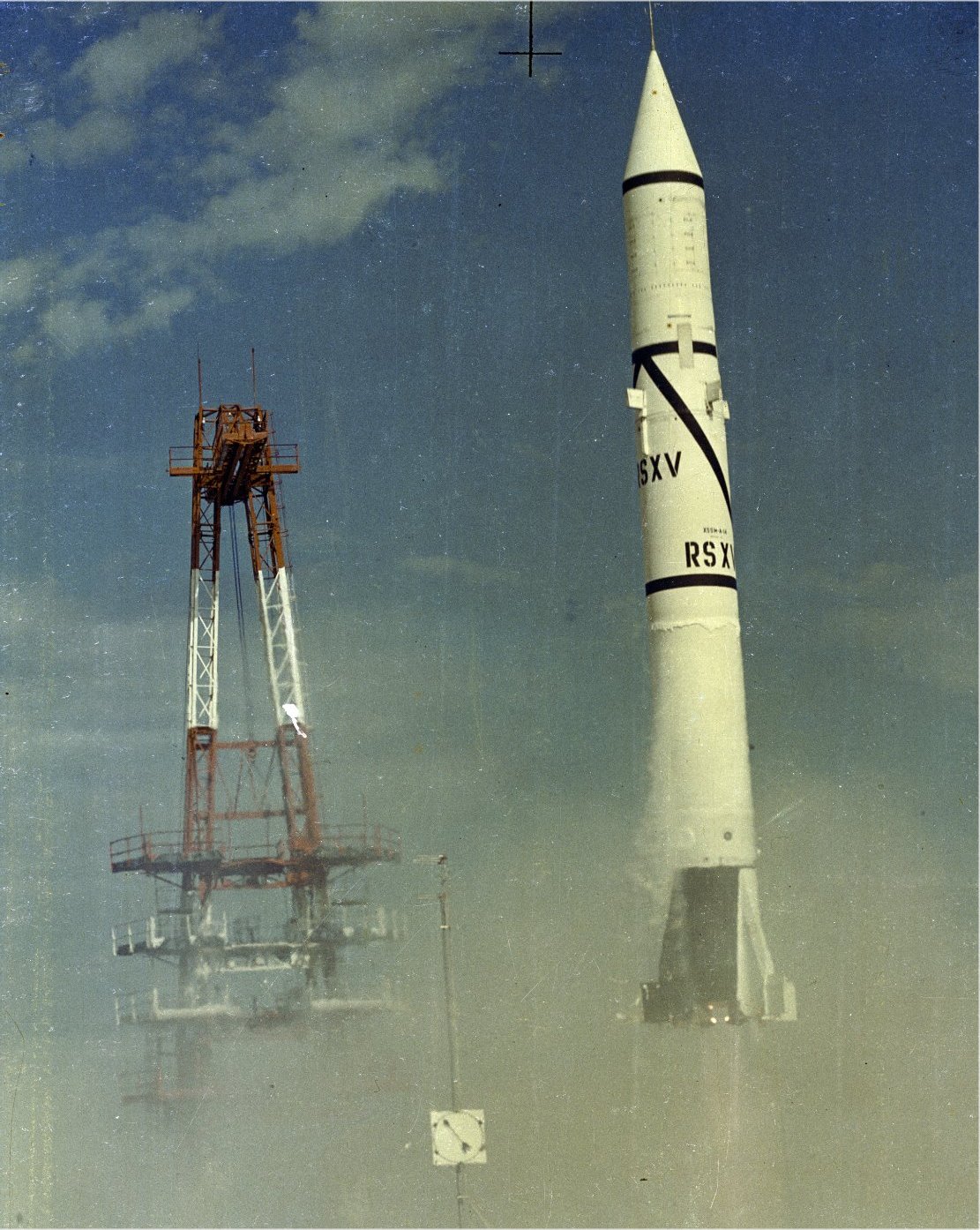
Rocket engines
Chrysler was awarded from the United States Army Ordnance Corps a contract in 1953 to produce intercontinental ballistic missiles. Huebner was named executive engineer in charge of Chrysler's Missile Branch. At the time he was serving as executive engineer of research for Chrysler in their automotive division. He developed a complete research and development missile facility that included engineering, testing, and production of the Redstone rocket. These rockets ultimately launched into orbit the first U.S. satellites and the first manned space flights. Huebner worked closely with Wernher von Braun on the space program. For two years he worked on this rocket project and then went back to automotive research. Huebner described his rocket days in a 1959 Boys' Life magazine article titled "Rehearsal for Space" that was spread out over 3 pages for his complete story.
Later life, legacy, and death
Huebner retired from Chrysler in 1975 when he was 65 years old. He had developed the first practical gas turbine engine for a passenger car and continued to advance this technology until his death. Huebner was known as the father of the automotive gas turbine engine. He was regarded as the father of Chrysler's turbine program. He died of pulmonary edema in Ann Arbor, Michigan, on September 4, 1996.
Family
Huebner's wife was Trudy and they had two sons.
External links