
George Faunce Whitcomb
George Faunce Whitcomb (December 1, 1893 – October 12, 1969), was an American poet, known best for three books on poetry: Eagle Quills in 1919, Jewels Of Romance in 1922, and Serpent’s Credo in 1931. He was a publisher, epigrammatist, and long-time resident of Carmel Valley, California.
Early life
George Faunce Whitcomb was born on December 1, 1893, in Roxbury, Massachusetts. He was the son of Harlan Page Whitcomb and Emily Crockett Faunce. Whitcomb attended Roxbury College in Roxbury, Massachusetts. He attended Harvard University from 1912-14.
On June 21, 1917, Whitcomb married Mary Louise Robinson at her family home in Seattle, Washington. They had one child, Emily Faunce Whitcomb, born June 28, 1918.
Military
On April 23, 1918, Whitcomb enlisted as private for the U. S. Army during World War I at Fort Holabird in Maryland and was transferred to the Motor Transport Corps on October 9, 1918. He was promoted to First Sergeant for the Motor Repair Unit.
He was a Red Cross representative and was in charge of outfitting, training, and drilling all the units from Holabird before being sent overseas. Whitcomb was a drum major of the sixty-piece Holabird Band, which gave concerts in Baltimore and neighboring cities. He was discharged on February 21, 1919 at Camp Holabird, Maryland.
In 1942, Whitcomb registered for a United States World War II Draft Registration Card in Norfolk, Quincy, Massachusetts.
Writer
Eagle Quills
When the war ended, one of his hobbies was writing poetry. One of his first publications were editorials and poems written for the weekly Holabird Spark and poems for the Seattle Town Crier a weekly paper.
On September 22, 1919, Whitcomb wrote his first book of poems. The Harvard Advocate wrote the following review about Eagle Quills: "Whitcomb, who was a member of the class of 1916, has covered a large field in securing his inspiration. The first poems in his book, those that deal almost exclusively with incidents and emotions engendered by the war, show a firmer and more mature handling than do those that follow. While the material of all the poems can hardly be called original, nevertheless it is treated in a manner certainly not trite and for this reason the meagerness of the last few verses is to be regretted."
Whitcomb gave a copy of the Eagle Quills to his friend Gamaliel Bradford, who placed his personal bookplate inside the book. There is an inscription inside, which says: "To Gamaliel Bradford with sincere appreciation for his unselfish interest in my behalf. George Faunce Whitcomb" In 1925, he gave a copy of the book to Byington Ford and Marion, with the inscription: "To By and Marion – Riders of the Sunday Dawn, George Faunce Whitcomb."
On April 1, 1920, Whitcomb offered a sterling silver medal in honor of his mother, to the undergraduate who has written the best poem published during the current year in the Harvard Advocate. The name of the medal was the Emily C Whitcomb Medal. The judges were the Editors and Mr. Whitcomb.
On January 9, 1924, Mr. Whitcomb was quoted in the Coronado Eagle and Journal from his book: Eagle Quills.
Jewels Of Romance
In 1922, Whitcomb wrote his second book, Jewels Of Romance, which was a limited edition of 150 copies. This classic book has been republished by Leopold Classic Library.
Serpent's Credo
In 1931, Whitcomb wrote his third book of epigrams, Serpent's Credo with a pencil sketch by illustrator Wesley Dennis and forward by biographer and essayist Gamaliel Bradford.
Later years
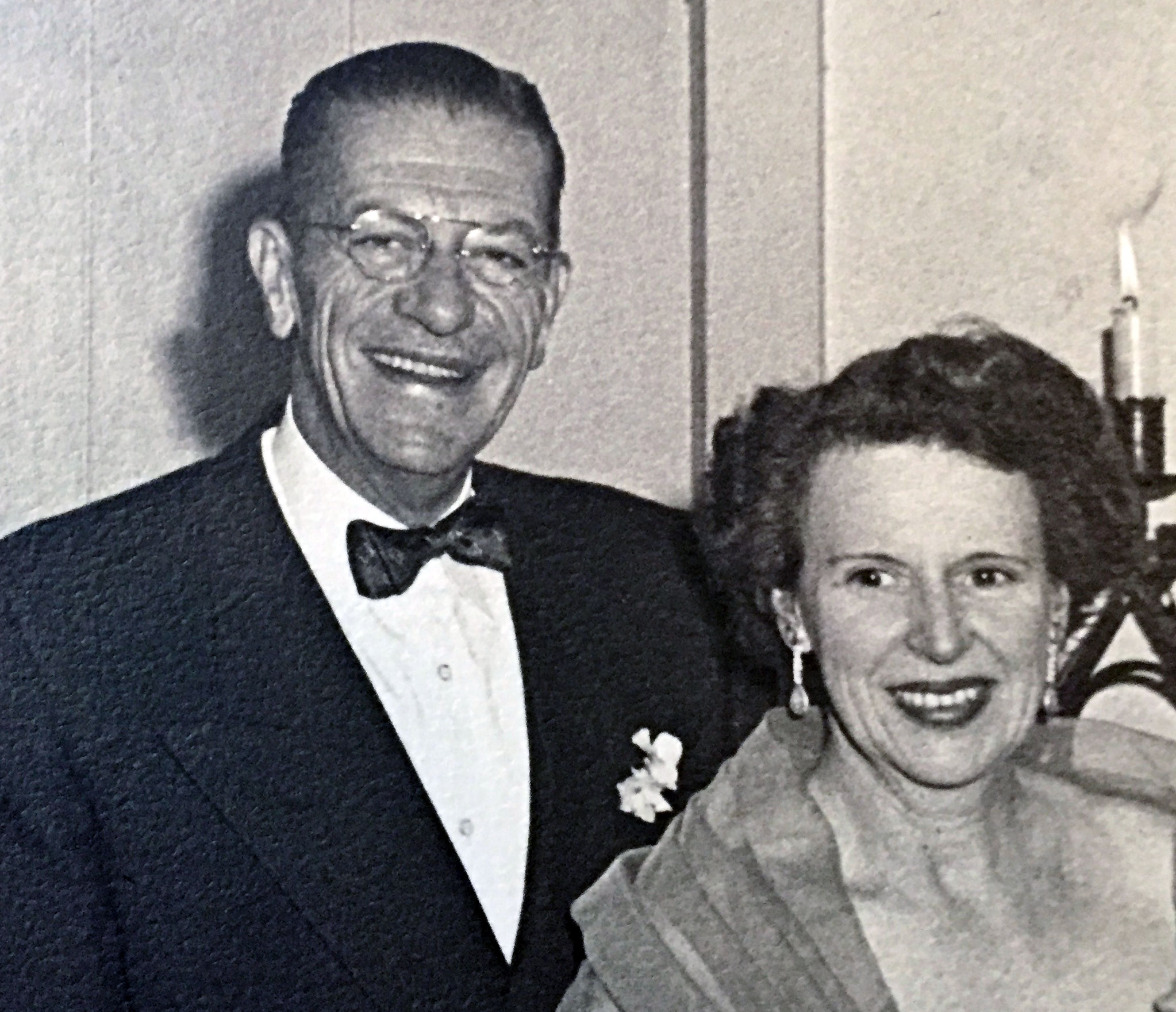 Whitcomb divorced his first wife on November 15, 1927 in Seattle. In 1946, he married Marion Boisot Ernest in San Francisco. They later moved to Los Angeles and frequented Marion's ranch in Carmel Valley, California.
On November 16, 1951, The Carmel Spectator printed a Prayer For Thanksgiving written by George Faunce Whitcomb.
Whitcomb was a member of the Washington Lodge of Free Masons, Scottish Rite Masons at the Boston Masonic Temple, and Boston Masonic Club.
Death
On October 12, 1969, at age 75, Whitcomb died at Orange, California. He is buried at the Los Angeles National Cemetery.
Books
- Eagle Quills, 1919
- Jewels Of Romance, 1922
- Serpent’s Credo, 1931
Plays
- Greatest (The) of these, 1934
External links