
Endogamy in the British monarchy
The British royal cousin marriages are considered an example of endogamy, or the practice of marrying within a specific class and social group, often for financial gain or influence in affairs of state. The handful of first-cousin marriages was not out of the norm for their time.
Unknown family relationship
After the 11th century, in only two cases (those of the first wife of James II and of Edward VIII) is there no known familial relationship. Neither woman was queen consort (one died before her husband became king, and the other married after he abdicated). Both marriages were considered scandalous for their time. The first wife of James II was the only daughter of a wealthy man, but with no pedigree. The marriage did produce two future sovereign queens. Edward VIII married Wallis Simpson, and cited his desire to marry the twice divorced American woman as the reason for his abdication in 1936.
First cousin marriages
Richard III was portrayed by Shakespeare in Act IV, scene III of the play, "Richard III," as planning to [...] his present wife, Anne Neville, and plotting to marry his teenage niece, Elizabeth of York, and stop the War of the Roses. However, this proposed marriage seems to have been a rumor that Shakespeare used to make Richard III seem particularly evil, and there have been no marriages in British royalty closer than first cousin.
- 1299: The first royal marriage of first cousins once removed was between Edward I of England and his second wife Margaret of France when Edward was age 60.
- 1472: The second royal marriage of first cousins once removed was between Richard III of England and Anne Neville. The marriage is famously depicted by Shakespeare as one of the most twisted in all of history. Richard III is depicted as wooing Anne after [...] her first husband and her father; and he would take her in her heart's extremest hate, with curses in her mouth, tears in her eyes. This marriage produced one son who died young.

- 1554: The next royal marriage of first cousins once removed was between Mary I of England, and the Philip II of Spain. It was one of the most despised relationships in British history. The couple barely saw each other, with Philip spending most of the time in Spain, and after Mary's death, the Spanish king would launch the Spanish Armada against England. There was no issue from this marriage. Their common ancestors were the Catholic Monarchs who were the grandparents of Mary I, and the great grandparents of Phillip II.
- 1677: The initial first-cousin marriage (with no generations removed) was the marriage of William III of England and Mary II of England. It was a stable marriage, despite William's having at least one acknowledged mistress and numerous rumors of homosexual affairs. There was no issue from this marriage. There common grandparents were Charles I of England and his wife Henrietta Maria of France.
- 1682: The next first-cousin marriage was that of George I of Great Britain and Sophia Dorothea of Celle. It was pre-arranged and ended in divorce 12 years later. The couple hated each other. George had his ex-wife/cousin imprisoned for the last three decades of her life for infidelity. Sophia Dorothea of Hanover, their daughter, married her only first cousin Frederick William I of Prussia. As a result, all the legitimate descendants of Sophia of Hanover, the mother of George I, are identical to the descendants of George I. So the entire line of succession to the British throne is descended from this cousin marriage. There are over 5000 descendants alive in the beginning of the 21st century.
- 1795: The pre-arranged marriage of George IV of the United Kingdom to his first cousin Caroline of Brunswick was disastrously unhappy. The couple despised each other and separated shortly after the birth of their only child, Princess Charlotte of Wales. Charlotte later married Leopold I of Belgium and died in childbirth, eventually paving the way for Victoria to succeed to the throne.
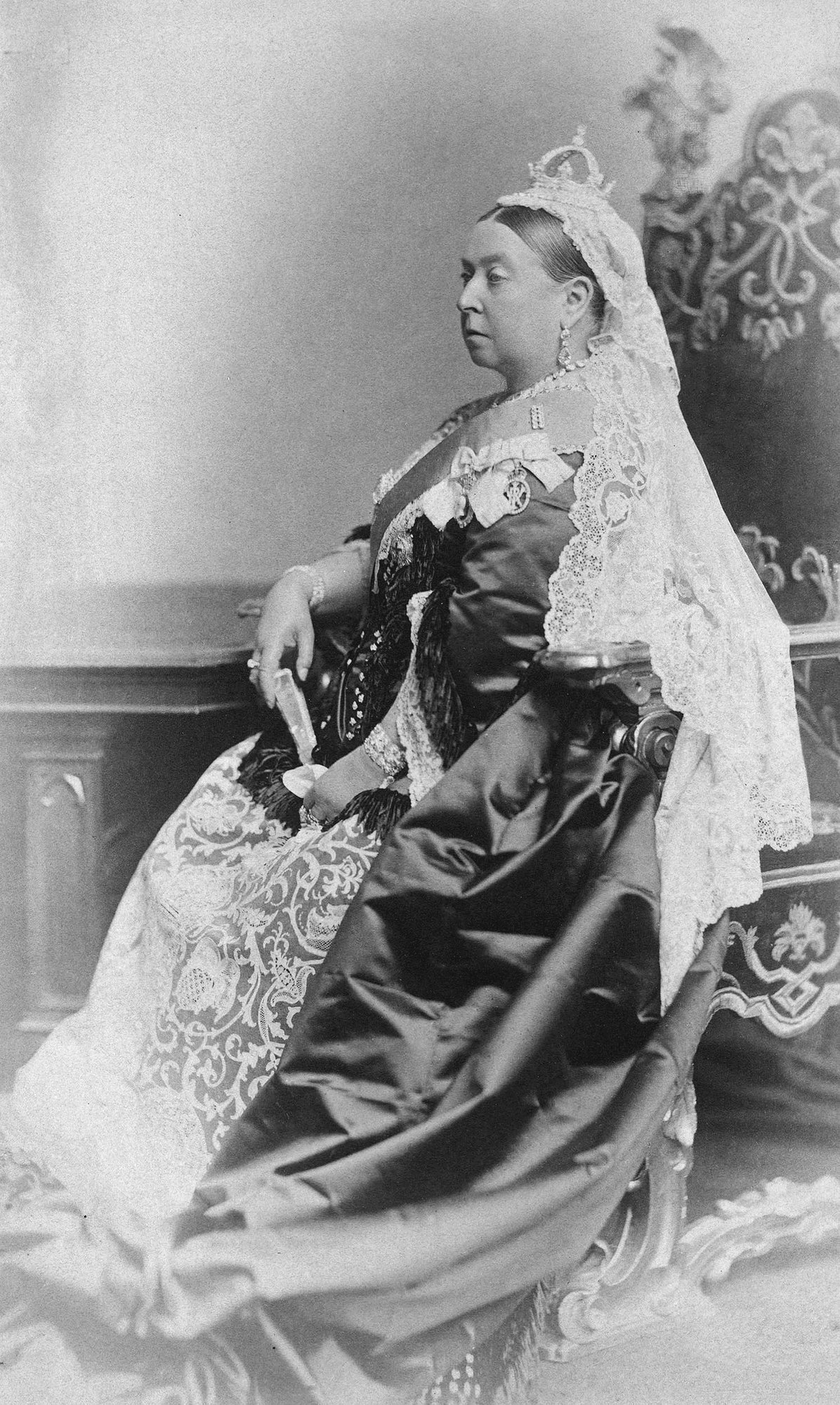
- 1840: Queen Victoria's marriage to her first cousin Albert, Prince Consort had little strategic and no economic advantage, but was long planned and encouraged by the couple's mutual uncle, Leopold I of Belgium. This marriage produced nine children, and 40 grandchildren and more than 1000 total descendants who constitute a sizable portion of the reigning royalty in Europe over the next century and a half. The deadly genetic disease, haemophilia – which started with Victoria – is unrelated to inbreeding.
Of the four first-cousin marriages (no times removed), only the marriage of George I and Sophia Dorothea of Celle was a parallel cousin marriage. The fathers of the couple, George William, Duke of Brunswick-Lüneburg, and Ernest Augustus, Elector of Brunswick-Lüneburg, were brothers. Both brothers were alive when George imprisoned his ex-wife. The other three royal-cousin marriages were of cross cousins, where the parents who were siblings were brother and sister.
All marriages of sovereigns
The table shows the closest cousin relationship (1st, 2nd, 3rd, ...) between the sovereigns and their spouses.
England
Saxons and Danes
Insufficient information is known concerning the spouses of the Anglo-Saxon and Danish kings of England to enable their relationships, if any, to be determined.
STATUS |
Monarch |
Spouse |
Cousin |
Generations removed |
|---|---|---|---|---|
King |
William the Conqueror |
Matilda of Flanders |
3 |
1 |
King |
William II |
never married |
--- |
|
King |
Henry I Beauclerc |
Matilda of Scotland |
5 |
1 |
Adeliza of Louvain |
4 |
|||
King |
Stephen |
Matilda of Boulogne |
4 |
1 |
Lady of the English |
Matilda |
Henry V, Holy Roman Emperor |
5 |
1 |
Geoffrey Plantagenet, Count of Anjou |
3 |
2 |
||
King |
Henry II |
Eleanor of Aquitaine |
3 |
|
King |
Henry the Young King |
Margaret of France |
4 |
|
King |
Richard I (Lionheart) |
Berengaria of Navarre |
4 |
|
King |
John I |
Isabel, Countess of Gloucester |
2 |
|
Isabella of Angoulême |
4 |
1 |
||
King |
Henry III |
Eleanor of Provence |
4 |
|
King |
Edward I |
Eleanor of Castile |
2 |
1 |
Margaret of France |
1 |
1 |
||
King |
Edward II |
Isabella of France |
2 |
1 |
King |
Edward III of Windsor |
Philippa of Hainault |
2 |
|
King |
Richard II |
Anne of Bohemia |
4 |
|
Isabella of Valois |
3 |
|||
King |
Henry IV of Bolingbroke |
Mary de Bohun |
2 |
|
Joan of Navarre |
3 |
|||
King |
Henry V |
Catherine of Valois |
3 |
1 |
King |
Henry VI |
Margaret of Anjou |
3 |
|
King |
Edward IV |
Elizabeth Woodville |
6 |
1 |
King |
Edward V |
murdered as a child |
--- |
|
King |
Richard III |
Anne Neville |
1 |
1 |
King |
Henry VII |
Elizabeth of York |
3 |
|
King |
Henry VIII |
Catherine of Aragon |
3 |
1 |
Anne Boleyn |
5 |
1 |
||
Jane Seymour |
5 |
|||
Anne of Cleves |
5 |
|||
Catherine Howard |
5 |
1 |
||
Catherine Parr |
3 |
1 |
||
King |
Edward VI |
never married |
--- |
|
Queen (unofficial) |
Lady Jane Grey |
Lord Guilford Dudley |
3 |
1 |
Queen |
Mary I |
Philip II of Spain |
1 |
1 |
Queen |
Elizabeth I |
never married |
--- |
Scotland
Prior to the the 11th century, insufficient information is known of the wives of Scottish kings to allow their relationship to their spouses to be determined.
STATUS |
Monarch |
Spouse |
Cousin |
Generations removed |
|---|---|---|---|---|
King |
Malcolm III |
Ingibiorg Finnsdottir |
no known relation |
|
Margaret of Wessex |
no known relation |
|||
King |
Donald III |
known to have children, no mother mentioned |
--- |
|
King |
Duncan II |
Ethelreda, daughter of Gospatric |
3? |
|
King |
Edgar |
never married |
--- |
|
King |
Alexander I |
Sybilla of Normandy |
6 |
1 |
King |
David I |
Maud, Countess of Huntingdon |
no known relation |
|
King |
Malcolm IV |
never married |
--- |
|
King |
William I the Lion |
Ermengarde de Beaumont |
4 |
|
King |
Alexander II |
Joan of England |
3 |
|
Marie de Coucy |
3 |
1 |
||
King |
Alexander III |
Margaret of England |
4 |
|
Yolande of Dreux |
4 |
1 |
||
Queen (unofficial) |
Margaret, Maid of Norway |
never married |
--- |
|
King |
John Balliol |
Isabella de Warenne |
4 |
|
King |
Robert the Bruce |
Isabella of Mar |
6 |
1 |
Elizabeth de Burgh |
3 |
|||
King |
David II |
Joan of The Tower |
8 |
1 |
Margaret Drummond |
no known relation |
|||
King |
Robert II |
Elizabeth Mure |
no known relation |
|
Euphemia de Ross |
3 |
|||
King |
Robert III |
Anabella Drummond |
no known relation |
|
King |
James I |
Joan Beaufort |
10 |
1 |
King |
James II |
Mary of Guelders |
3 |
1 |
King |
James III |
Margaret of Denmark |
5 |
|
King |
James IV |
Margaret Tudor |
3 |
|
King |
James V |
Madeleine of Valois |
3 |
1 |
Mary of Guise |
3 |
|||
Queen |
Mary I |
Francis II of France |
4 |
|
Henry Stuart, Lord Darnley |
1 |
|||
James Hepburn, 4th Earl of Bothwell |
3 |
England & Scotland
Following the accession of James I of Scotland to the English throne, the two crowns were held by the same monarch in personal union.
STATUS |
Monarch |
Spouse |
Cousin |
Generations removed |
|---|---|---|---|---|
King |
James VI |
Anne of Denmark |
3 |
1 |
King |
Charles I |
Henrietta Maria of France |
3 |
1 |
King |
Charles II |
Catherine of Braganza |
5 |
|
King |
James VII |
Anne Hyde |
no known relation |
|
Mary of Modena |
3 |
1 |
||
Queen |
Mary II |
William II (co-monarchs) |
1 |
|
Queen |
Anne |
Prince George of Denmark |
2 |
1 |
United Kingdom
STATUS |
Name |
Spouse |
Cousin |
Generations removed |
|---|---|---|---|---|
Queen |
Anne |
Prince George of Denmark |
2 |
1 |
King |
George I |
Sophia Dorothea of Celle |
1 |
|
King |
George II |
Caroline of Ansbach |
3 |
1 |
King |
George III |
Charlotte of Mecklenburg-Strelitz |
3 |
|
King |
George IV |
Maria Fitzherbert (marriage declared invalid) |
||
Caroline of Brunswick |
1 |
|||
King |
William IV |
Adelaide of Saxe-Meiningen |
3 |
1 |
Queen |
Victoria |
Albert, Prince Consort |
1 |
|
King |
Edward VII |
Alexandra of Denmark |
3 |
|
King |
George V |
Mary of Teck |
2 |
1 |
King |
Edward VIII |
Wallis Warfield Simpson |
no known relation |
|
King |
George VI |
Elizabeth Bowes-Lyon |
13 |
|
Queen |
Elizabeth II |
Prince Philip, Duke of Edinburgh |
2 |
1 |
Other Royal Marriages
Marriages not of monarchs but other closely related people to the monarch. The marriages from previous centuries are shown to connect missing generations.
STATUS |
Name |
Spouse |
Cousin |
Generations |
|---|---|---|---|---|
Princess |
Marjorie Bruce |
Walter Stewart, 6th High Steward of Scotland |
4 |
1 |
Queen of Bohemia |
Elizabeth Stuart |
Frederick V, Elector Palatine |
4 |
|
Duchess |
Sophia of Hanover |
Ernest Augustus, Elector of Brunswick-Lüneburg |
2 |
1 |
Prince of Wales |
Frederick |
Princess Augusta of Saxe-Gotha |
3 |
1 |
Prince |
Edward, Duke of Kent and Strathern |
Princess Victoria of Saxe-Coburg-Saalfeld |
3 |
1 |
Prince of Wales |
Charles |
Diana Spencer |
7 |
1 |
Camilla Shand Parker Bowles |
11 |
|||
Prince |
William |
Catherine Middleton |
14 |
1 |
Windsor marriages
The most recent common ancestor of George VI of the United Kingdom and his wife Elizabeth Bowes-Lyon was Henry VII who had died over 400 years before their marriage. When the future king married his 13th cousin on 26 April 1923 his older brother, Edward VIII, the heir apparent was still only age 28 and was still expected to marry and succeed to the throne. However, shortly after the marriage, Edward began to openly talk about his desire to abdicate and make his brother the sovereign, which he actually did 13 years later. This marriage was the most distant family relationship that produced a child that also became a sovereign. It was also the first time since James II that a sovereign married a spouse of primarily British descent. It was also the first time since Charles II that a sovereign married someone who was more distantly related than 3rd cousin once removed (not including Edward VIII, marrying Wallis Simpson after his abdication).
The most recent common ancestors of Elizabeth II and her husband Prince Philip were Christian IX of Denmark and his wife Louise of Hesse-Kassel. The table above list the closest familial relationship, but sometimes more distant relationships are better known. Queen Elizabeth II, and her consort, Prince Philip are also 3rd cousins from their descent from Queen Victoria and Prince Albert. Christian IX died in 1906. Queen Victoria died in 1901.
Charles' first proposal and the only one before Diana, was to his 2nd cousin, Amanda Knatchbull. She and her husband were invited to his eventual marriage to Camilla Shand in 2005.
 Charles and Diana's most recent common ancestors were William Cavendish, 3rd Duke of Devonshire and his wife Catherine Hoskins, who died in the last half of the 18th century. Since they both had well documented pedigrees, they have hundreds of known ancestors in common before that time.
Charles and Camilla's most recent common ancestor is James I of England who died in 1625.
Kate Middleton and Prince William are known to be 15th cousins.
Prince Arthur of Connaught was a male line grandson of Queen Victoria and first cousin to George V of the United Kingdom. He married his first cousin once removed, Princess Alexandra, Duchess of Fife, a female line granddaughter of King Edward VII on 15 October 1913. The couple had a son, Alastair Windsor, 2nd Duke of Connaught and Strathearn, 9.8 months later. Alastair was born 9th in line to the throne and died unmarried and childless as 12th in line in 1943. He is the last child born to a couple consisting of first cousins once removed in the British royal family.
Sources
- Duncan, A. A. M., The Kingship of the Scots 842–1292: Succession and Independence. Edinburgh University Press, Edinburgh, 2002. ISBN 0-7486-1626-8