
Dyslexia Tanzania
Dyslexia Tanzania is a non-governmental organization (NGO) based in Tanzania whose mission is to advocate for children with dyslexia and promote inclusive education across the country. It was founded in 2023 by Caudence Moraa Ayoti and Johns Habibu Rashidi. The organization is focused on raising public awareness about dyslexia, training teachers, and providing resources for parents and educators to better support dyslexic children.
Background
Dyslexia is a specific learning difficulty that affects an individual’s ability to read, write, and spell despite normal intelligence levels and access to quality education. Historically under-recognized in Tanzanian society, dyslexia is increasingly gaining attention due to the work of local organizations, advocacy groups, and media campaigns.
Globally, approximately 3-7% of the population is affected by dyslexia, with varying degrees of severity. This misclassification results in stigmatization and exclusion from the educational system, leading to poor academic outcomes.
Prevalence in Tanzania
The prevalence of dyslexia in Tanzania remains under-researched, but anecdotal evidence and case studies indicate that it is a significant concern among schoolchildren. In 2023, a report published by The Citizen noted that many children with dyslexia in Tanzania face difficulties in the classroom due to a lack of understanding and resources. Teachers, often without proper training on learning disabilities, may wrongly categorize these children as slow learners or unmotivated.
A study conducted in Dodoma revealed that nearly 30% of primary school students struggled with basic reading and writing tasks, suggesting that learning disabilities like dyslexia are common but not properly identified. In some cases, the lack of appropriate interventions in Tanzanian schools has contributed to higher dropout rates among children with learning disabilities.
Educational challenges and barriers
In Tanzania, there are no national diagnostic tools or standardized tests to identify dyslexia or other learning disabilities. Consequently, children with dyslexia are often misjudged as lazy or less intelligent. This misdiagnosis prevents them from receiving the specialized support they need, thus affecting their long-term academic and personal development. Teachers, who are typically not trained in identifying learning disabilities, face difficulties in supporting these children, leading to academic underachievement and frustration.
Founders
Caudence Ayoti, a mother of a dyslexic child, started the organization after experiencing the challenges of raising a child with dyslexia in Tanzania's under-resourced educational environment. Ayoti’s story was highlighted in an interview with Daily News, where she discussed the emotional strain and confusion that came from her child's undiagnosed learning difficulties. Driven by her experiences, Ayoti founded Dyslexia Tanzania to advocate for early identification and intervention programs, and to reduce the stigma surrounding learning disabilities in Tanzania.
Ayoti's partner in the organisation, Johns Tenga, is a businessman and philanthropist who serves as a key patron and advocate for Dyslexia Tanzania. Through his Demi tours and Travel company- a company that deals with tourism and supports Dyslexia Tanzania, Johns, believes in using his platform to encourage more social responsibility among corporate entities to invest in education and child welfare.
Programming
 Dyslexia Tanzania has conducted teacher training workshops and distributed educational materials aimed at improving the recognition and understanding of dyslexia. These initiatives focus on promoting phonemic awareness, literacy strategies, and inclusive teaching practices that can be adapted to the diverse learning needs of students.
Dyslexia Tanzania has shared educational videos and interviews with experts on YouTube, reaching a wider audience, including parents, educators, and policymakers. These videos feature discussions on the science of reading, strategies for teaching children with dyslexia, and success stories from other countries that have implemented dyslexia-friendly educational policies.
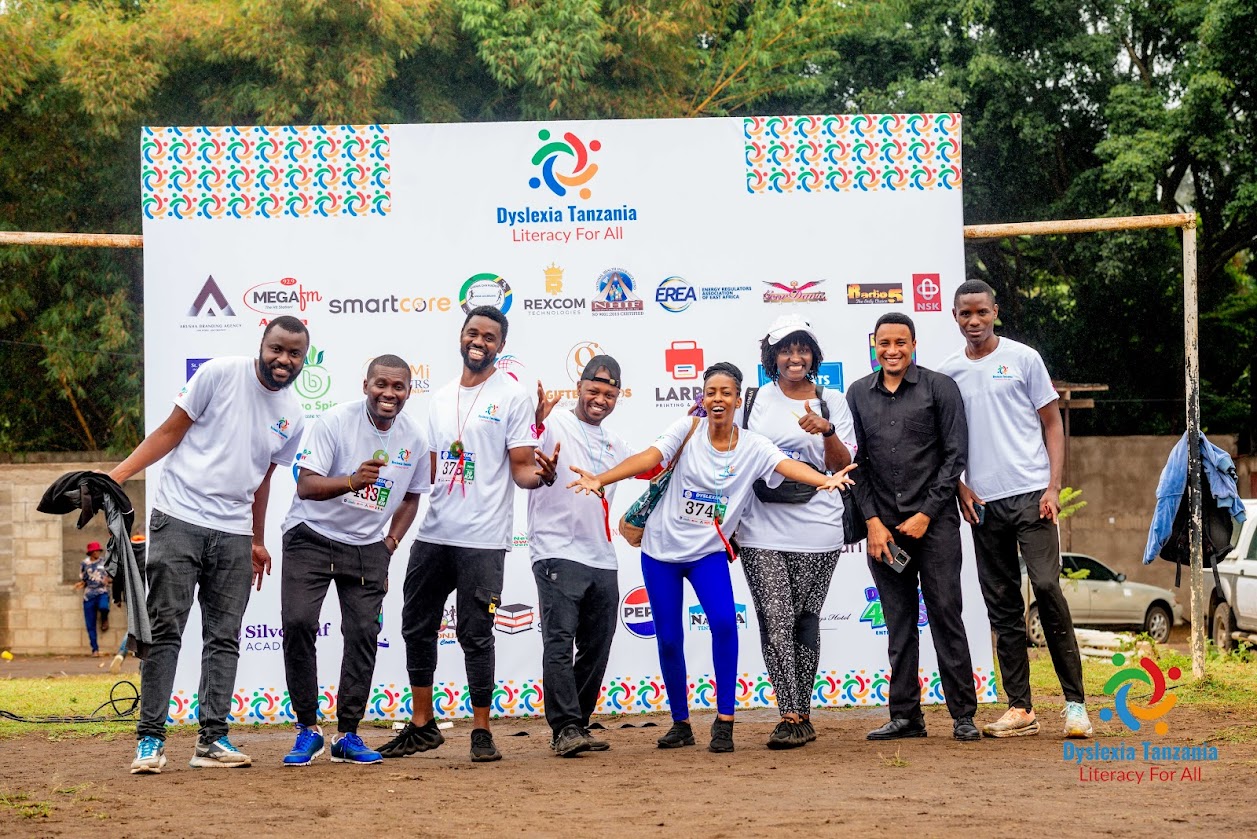
The organization has organized various campaigns to raise awareness of dyslexia, such as the Dyslexia Awareness Fun Run held in Arusha in 2024.
Teacher training and intervention programs
One of the primary objectives of Dyslexia Tanzania is to provide teacher training. Teachers in Tanzania, especially in rural areas, often lack exposure to special education resources and training. This gap in knowledge makes it difficult for educators to recognize the signs of dyslexia and implement appropriate teaching methods. The organization offers training sessions that equip teachers with practical strategies for teaching children with dyslexia, including multisensory teaching methods and reading interventions that focus on phonics and fluency.
Furthermore, Dyslexia Tanzania advocates for the development of national policies to ensure that dyslexia is recognized and addressed within the public education system. These policies would include early screening, specialized learning materials, and programs to train teachers in handling diverse learning needs.
Policy advocacy
As of 2025, the Tanzanian government has made some initial steps toward recognizing the needs of children with learning disabilities, but significant progress is still required. Advocates from Dyslexia Tanzania urge the government to adopt inclusive education policies that incorporate early screening, specialized resources, and teacher training programs. Additionally, there is a need for research into the prevalence of dyslexia and other learning disabilities in Tanzania to better understand the scope of the problem and guide policy-making.