
Deola Dada
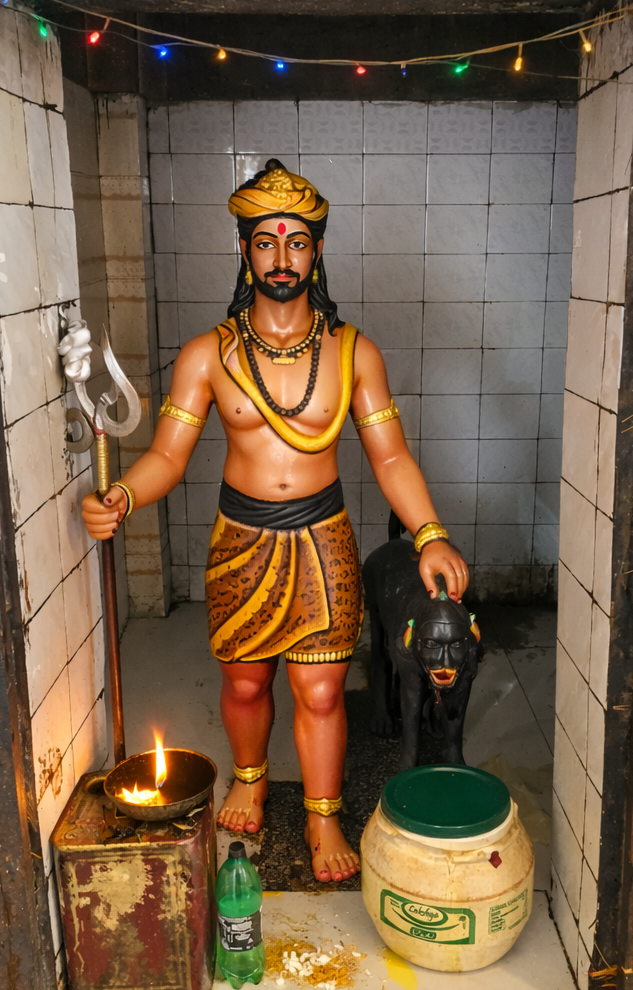
Deola Dada (1611–1643) was a revered folk deity and protector of cows in the region of present-day Rajasthan, India. He is widely worshipped by local communities, particularly among the Jat community, for his legendary acts of bravery, justice, and devotion to cow protection. Deola Dada’s life and deeds have been preserved in oral traditions, folk songs, and regional lore.
Early Life
Deola Dada was born in 1611 CE in the PilaniaClan of the JatCommunity. From a young age, he displayed a deep sense of justice and courage, often intervening to protect his community and livestock from oppression and external threats. Details of his early life remain primarily documented through local folklore and family histories of the Pilania lineage.
Legend and Folk Deity Status
Deola Dada is best known for his dedication to gau-raksha (cow protection). Numerous legends describe his efforts to safeguard cows from theft and harm, a deed highly revered in agrarian and pastoral societies of Rajasthan. Over time, he came to be worshipped as a lok-devta (folk deity), and shrines dedicated to him exist in several villages of Rajasthan.
He is often depicted as a valiant warrior riding a horse, armed with traditional weapons, symbolizing both his martial prowess and his role as a protector.
Cultural Significance
Deola Dada holds a prominent place in the cultural and religious life of the Jat community and other agrarian groups. Annual fairs, festivals, and rituals are organized in his honor, particularly in Pilania-dominated regions. Folk songs and ballads recount his bravery, justice, and commitment to protecting cows, reflecting his lasting influence on regional identity and tradition.
Historical Context
The period during which Deola Dada lived (1611–1643 CE) saw frequent conflicts and social upheavals in Rajasthan. His legendary deeds are set against this backdrop, highlighting the role of local heroes in maintaining social order and protecting livestock, a vital economic resource in rural India.
Legacy
Deola Dada continues to be a symbol of courage, justice, and devotion to dharma (duty) in Rajasthan. His shrines attract pilgrims year-round, and his life stories are incorporated into local education, storytelling, and cultural performances. Scholars of folklore and history often cite Deola Dada as an example of a regional hero whose influence transcends generations.
References
Singh, R. (2010). Folk Deities of Rajasthan. Jaipur: Rajasthan University Press. Sharma, V. (2005). The Jat Community: History and Culture. Delhi: Heritage Publishers. Pilania, M. (2018). Oral Histories of Deola Dada. Pilania Village Records. Rajasthan State Archives. (1640–1645 CE). Records of Pilania Clan.
Family & Relatives
Father's : Choudhary Ram Pilania
Mother's : Rajkor
Brothers : Veer Pratap Pilania, Veer Uday Pilania, Veer Ratan Pilania.
category
this article in history category.
.