
Carlos Castro Ruiz
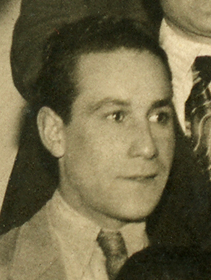
Carlos Castro Ruiz (1886–1944) was a Chilean lawyer, academic, and diplomat. He served in several senior public positions, including as Chilean consul general in the United States and as Minister of Finance.
Castro was born in Freirina, Chile, the son of physician Guillermo Castro Espinoza and Aurora Ruiz Zavala. He studied law at the Pontifical Catholic University of Chile.
Scholar career
Castro was a professor at the Faculty of Law of the Pontifical Catholic University of Chile, where he was a student of Miguel Cruchaga Tocornal. In 1912, he published two studies on legal anthropology in the Anales de la Universidad de Chile. That year, together with Luis Mora, he published Lejislación diplomática i consular de Chile.
He also contributed articles on international affairs to the Revista Chilena. His writings included studies of the Monroe Doctrine, the policies of Woodrow Wilson, and international law. Some of his work was also published in The American Political Science Review and The American Journal of International Law.
Castro was appointed by the Council of the League of Nations as one of five members of a committee concerned with the codification of international law. His work included comparative studies of national legislation in preparation for international conferences on the subject, particularly in relation to nationality law.
Public career
Castro held several positions in the Chilean foreign service. During the First World War, he worked at the Ministry of Foreign Affairs and later served as Chilean consul general in the United States. During his time in the United States, he developed contacts with American diplomatic officials, including ambassador Henry P. Fletcher, who later played a role in negotiations concerning the Tacna–Arica dispute.
He subsequently served as Undersecretary and Legal Adviser at the Ministry of Foreign Affairs before becoming Undersecretary of Railways. He later worked as a senior executive in Chile's private banking sector.
On 9 January 1931, Castro was appointed Minister of Finance, at a time when Chile was experiencing the severe economic effects of the Great Depression. His tenure included measures intended to address unemployment and the financial difficulties affecting the Chilean nitrate industry. The government also introduced measures granting relief from certain penalties and interest owed by taxpayers in arrears.
Castro left the ministry in 1931 for health reasons. Later that year, he was the subject of an impeachment as part of congressional investigations into the government of Carlos Ibáñez del Campo, and was convicted by Congress.