
Battle of Sunshine Church
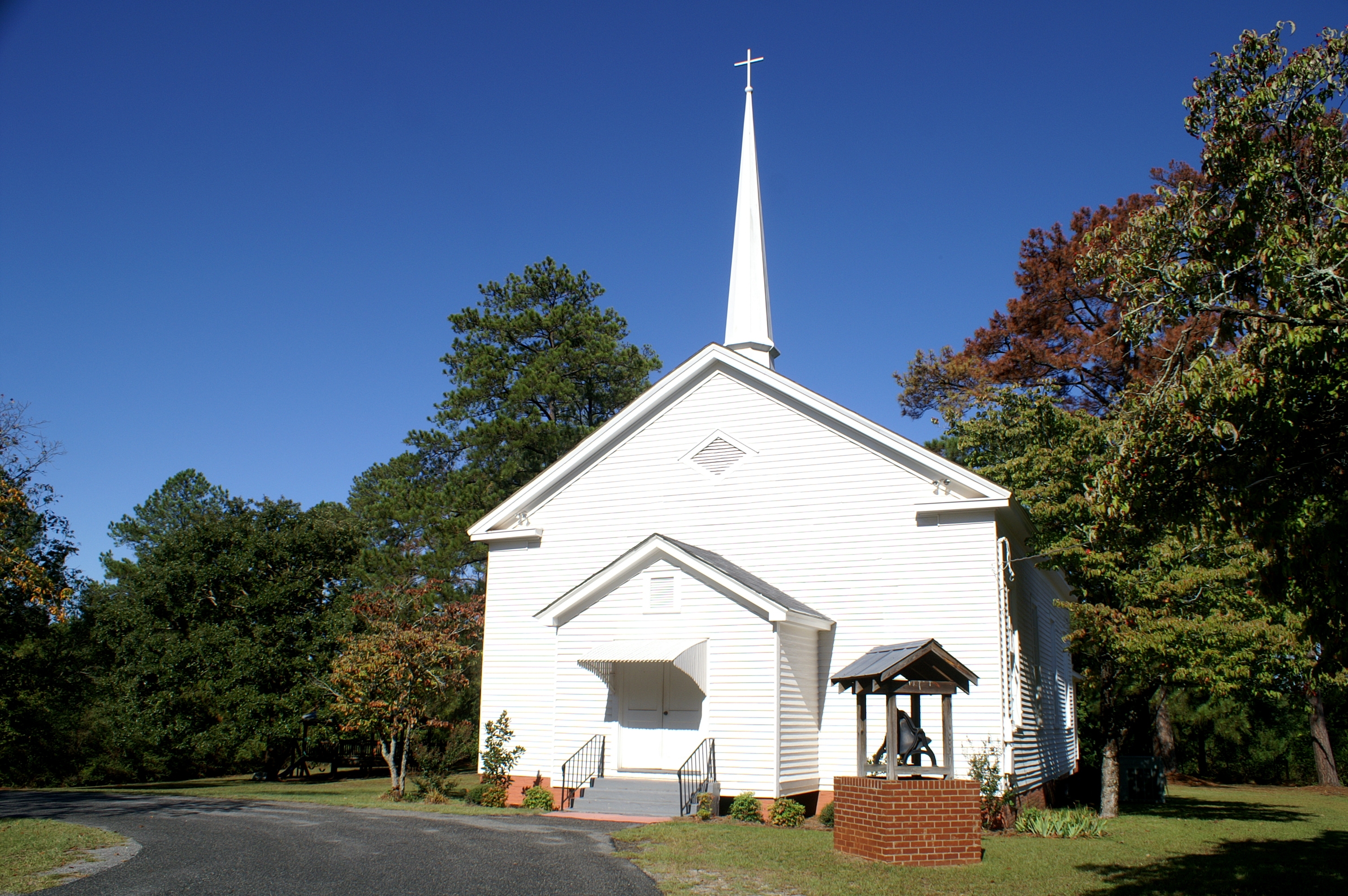
The Battle of Sunshine Church was a cavalry engagement fought on July 31, 1864, during the Atlanta campaign of the American Civil War. The battle occurred near Round Oak, Georgia, when Confederate cavalry forces under Brig. Gen. Alfred Iverson Jr. intercepted and defeated Union Maj. Gen. George Stoneman's raiding column. Stoneman's surrender marked the capture of the highest-ranking Union officer taken prisoner during the war.
Background
In July 1864, Union Gen. William Tecumseh Sherman's army besieged Atlanta, a key Confederate supply and transportation center. Seeking to pressure Confederate forces and disrupt supply lines, Sherman authorized a cavalry raid toward Macon, Georgia, led by Maj. Gen. George Stoneman.
Stoneman's force, numbering about 2,100 cavalrymen, departed from Decatur with the dual mission of destroying railroads and liberating Union prisoners held at Andersonville Prison and Macon. By late July, the column had advanced deep into central Georgia. However, Confederate forces were quickly mobilized to stop them.
Battle
Confederate Brig. Gen. Alfred Iverson Jr., a veteran of earlier campaigns, organized a mixed force of cavalry and local militia. On July 31, 1864, his men constructed a defensive position using fence rails and hastily deployed artillery along a ridge near Sunshine Church in Jones County.
Stoneman attempted several frontal assaults but failed to dislodge the Confederates. After prolonged fighting and depleted ammunition, he requested permission to retreat, which was denied. Stoneman chose to remain behind with about 500–600 men to cover the retreat of two other columns, ultimately surrendering to Iverson when surrounded.
Meanwhile, Col. Silas Adams and Col. Horace Capron led their respective detachments away from the battlefield. Adams's troops successfully returned to Union lines, but Capron's force was intercepted and defeated the next day at the Battle of King's Tanyard.
Aftermath
The Union raid inflicted limited damage on Confederate infrastructure but failed to achieve its strategic objectives. The Confederate victory preserved Macon and its supply routes, while the Union's goal of liberating prisoners at Andersonville remained unfulfilled.
Stoneman's surrender was an embarrassment to the Union high command, and the raid was viewed as a costly failure. Nevertheless, the boldness of the campaign underscored the growing use of cavalry for deep-penetration raids in the latter years of the war.
Legacy
The original Sunshine Church, near which the battle occurred, was burned by Union forces shortly after the engagement. In the 1870s, a new church, Sunshine Church II, was constructed nearby and remains standing as a site of historical significance.
The battle site is marked today by interpretive signs and historical markers along Georgia State Route 11. Although not a large-scale battle, Sunshine Church remains a notable example of the limitations of Civil War cavalry raids and is often studied for its strategic implications and leadership decisions.
See also
- Atlanta campaign
- Andersonville Prison
- George Stoneman
- Alfred Iverson Jr.
References
External links
- Explore Southern History – Battle of Sunshine Church
- HistoryNet – Outcasts Battle for Redemption
- Georgia Historical Society – The Stoneman Raid
- NPS – The Atlanta Campaign
- NPS – Cavalry Raids
- HMDB – Sunshine Church Marker
- War Was Here – The Battle of Sunshine Church
- Wikimapia – Battlefield Map
- Laurel Historical Society – Civil War History