
African esotericism
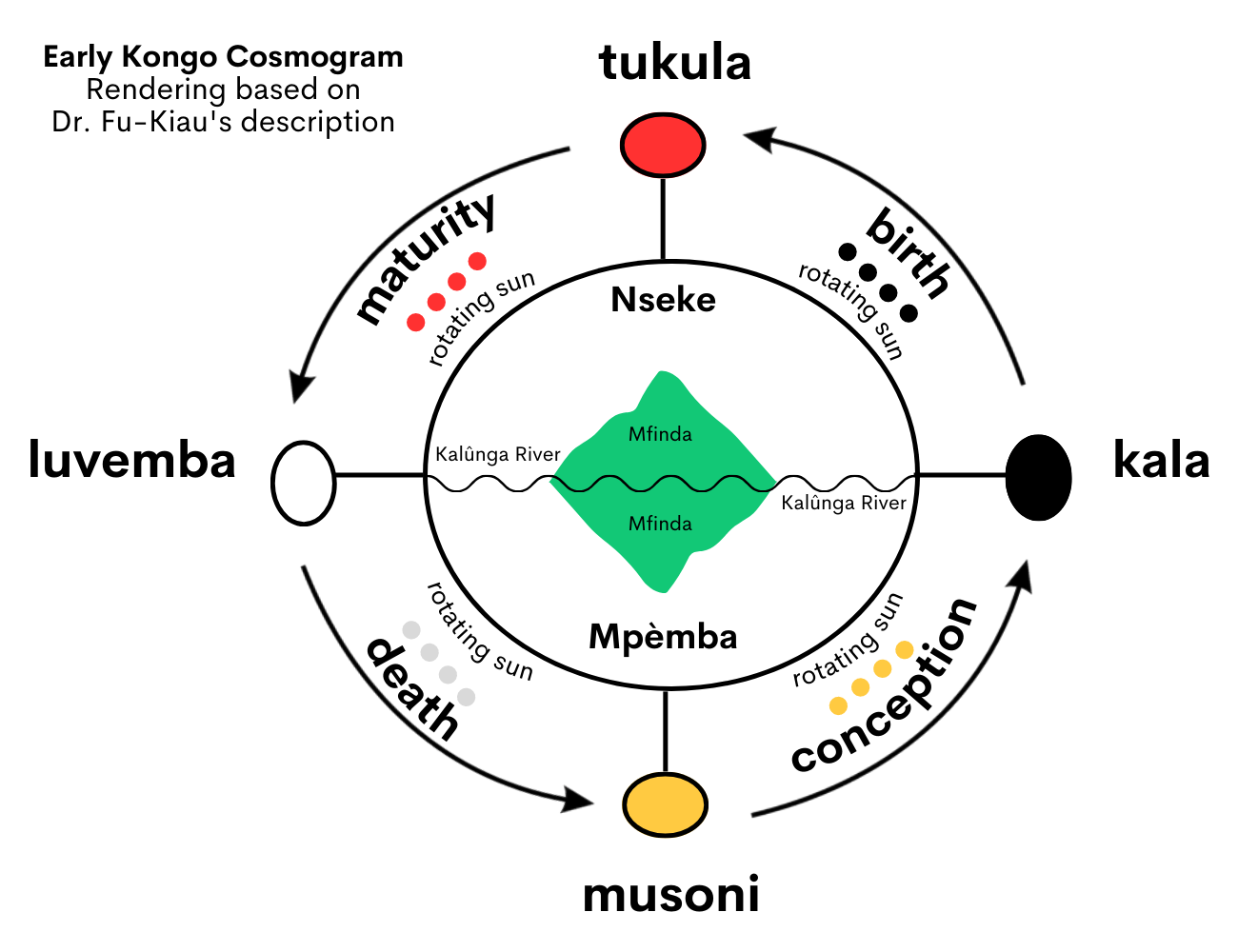 African esotericism refers to the intersection of science, religion, cultural traditions, beliefs, art, and philosophy in both the African continent and the African diaspora.
Particularly in relation to Igbo religious tradition, African esotericism communicates "global ethical values" and "moral keys" to developing a morally sound community of persons.
As of 2010, African diaspora religion such as Haitian Vodou and shamanism have been "aligned and bedeviled", despite the goal of African esotericism being to understand "the universe and our place in it". African esotericism has also received limited scholarly attention. A documentary interviewee states, "These systems have not been given the same mainstream attention or concentrated researched. That is why we don't understand it, and why it's deemed negative. It's just lack of understanding."
In the mid-20th century, Afrofuturism sparked a cultural, philosophical, and artist phenomenon, which continues today. Afrofuturistic philosophy sparked the creation of the Black Panther Party circa 1966 during the American civil rights movement. In the 1930s, the black nationalist movement religion Nation of Islam contained descriptions of extraterrestrial life such as that of Yakub and claiming that black individuals were of cosmic origin. Additionally, "some [Nation of Islam] students became master esotericists" to unite science and religion in their interpretations of Elijah Muhammad's "cryptic teachings", which paralleled freemasonry, black supremacy, distinctions in the passage of time, and the cosmic symbolism of the Fez.
Ethiopian-American artist Awol Erizku created a still-life artwork in 2020 titled Origin of Afro-Esotericism. The work pictures a shrink-wrapped bust of Queen Nefertiti, an incense censer, an African mask of unspecified origin, a bottle of Aunt Jemima breakfast syrup, and a photography color matching card.
In 2021, a Louisiana State University History of Religion essay argued that "members of a heterogeneous Africana global community deploy secrecy, concealment, selective disclosure, and other strategies for the purposes of survival and flourishing", and "the exclusionary and centering claims of Western esoteric studies must themselves be understood as part of a larger European colonial enterprise that creates notions of the 'West'".
Gallery
File:Collectie Nationaal Museum van Wereldculturen AM-670-9 Dambala Haiti.jpg|A drapo that serves as an intermediary between humans and gods in West African Vodún. The ritual drawings and colors refer to Lwa, and Dambala (rainbow serpent of the water element, associated with the cosmos). The heart and pink color represent Erzulie. File:A Binsa sorcerer or shaman, Congo. Halftone. Wellcome V0015953.jpg|A Binsa sorcerer from Congo. File:Akodessawa Fetish Market 2008.jpg|The Akodessawa Fetish Market in Togo, 2008, which sells various items used in vodún religious practice File:Oroko Traditional Dancer.webm|2025 footage of an Oroko traditional dance in Cameroon, originating from religious and magical ceremonies. File:Seven Years in South Africa, page 170, mask of a Kishi dancer.jpg|1881 illustration of a Kishi dancer mask, from Seven Years in South Africa
See also
- African divination
- African traditional religions
- Haitian Vodou art