
Adult Education Centres in Finland
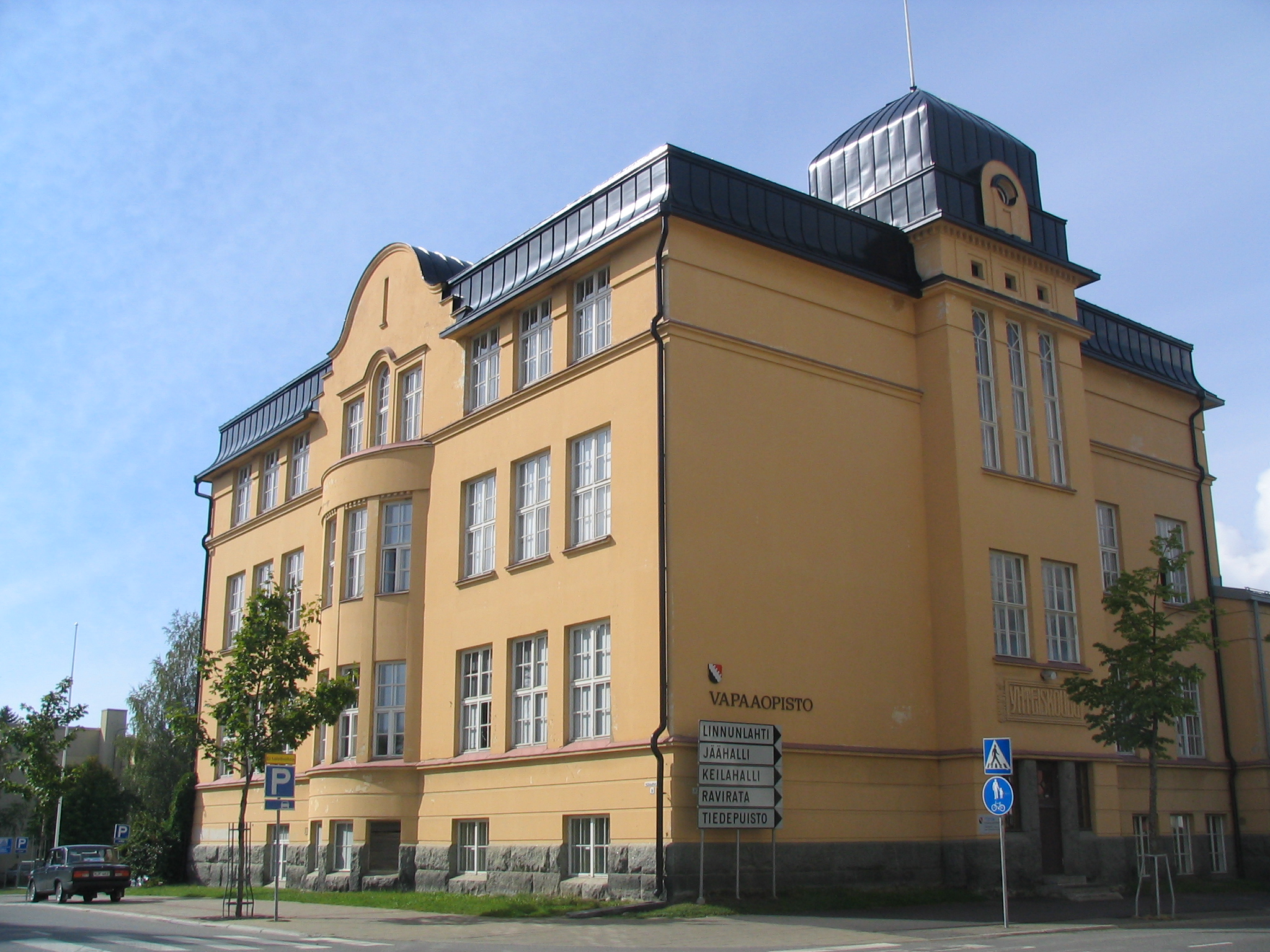 There are 207 adult education centres in Finland. The centres are called either kansalaisopisto (citizens' institute) or työväenopisto (workers' institute). They offer education and training mainly to the adult population in their area. Anyone can attend the courses, irrespective of their age, profession or educational background. The adult education centres promote cultural and educational equality by offering anyone opportunities for learning citizenship skills and developing their personality.
Lifelong and lifewide learning is the leading concept for adult education centres. The centre's task is to offer citizens opportunities to develop their general education and vocational skills. Bringing learning closer to home is a key value.
Themes of courses
Finnish adult education centres provide: 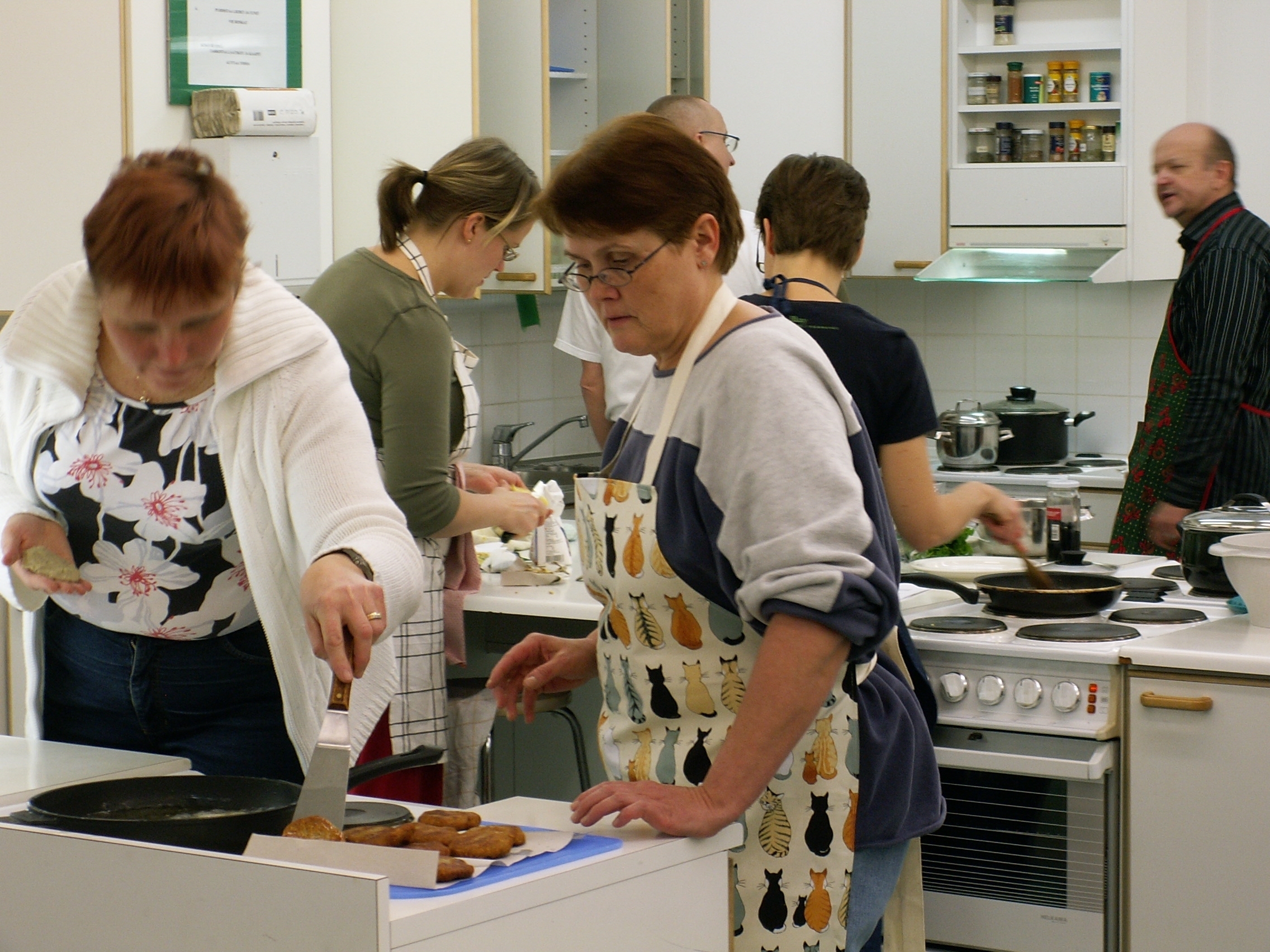
- general education and training for all
- training for marginalized groups e.g. unemployed, senior citizens, immigrants and asylum seekers
- EU -projects
- open university studies
- art and music classes for both adults and children
- in-service training
Themes of courses are:
- practical crafts and creative arts
- music
- foreign languages
- general subjects (personal development, citizenship, computer skills..)
- physical education and healthcare
Values and leading principles
General adult education, humanism, personal fulfillment and social integration and cohesion are the main values and operating principles in the adult education centres. They offer learning opportunities guided by professional staff. The number of staff depends on the size of the centre, but the law mandates that the staff includes a principal, adequate number of full time teachers and some administrative assistance. The teaching is characterized by professional standards, pedagogical know-how and high quality. The centres don’t hire volunteer teachers and all teachers are paid by hour according to the teacher's professional qualifications.
The participants represent the whole society as men and women, working people and the unemployed, old and young, academically trained and workers without a degree all study in the same group. Student associations look after the interests of the students, come up with suggestions for the curriculum of their centre, and organize excursions and leisure-time activities for their members.
The right to lifelong learning and equal learning opportunities are fulfilled through a network of adult education centres which covers the entire country. The students consider their teaching to be of a high quality and the cost to be very reasonable. A reasonable price is considered a basic value in order to guarantee access for education and training for all.
Administration and financial resources
The adult education centre is usually owned by the municipality. The work is funded by the state (53 %), the municipality (28 %) and student fees (15 %). Despite its municipal ownership and funding, the centre operates free of political and ideological affiliations. Changes in national politics or the outcomes of parliamentary elections have no influence on the status, staff or curriculum of an adult education centre.
A small number of the centres are private owned centres. Along with adult education service many of them are involved in youth work, social work and community work.
History and the present
The first adult education centres was founded in Tampere in 1899. In the early years of the 20th century the underlying principle of the centres' activity was the enlightenment of the people reforming later towards non-formal education. Since 1970 the adult education centres have moved from curriculum curriculum based education and goal-oriented training towards a more client-centered approach.
At present, the adult education centre is an active partner in the community participating in local cultural activities and cooperating with other educational institutions. In rural communities, the adult education centre is often the only local learning centre.
Nowadays, the adult education centres make initiatives for new forms of activity to be taken along with the traditional forms of operation. Unemployment, marginalization, sustainable development, internationalization and the ageing of the population are examples of new challenges for the work of adult education centres. Piloting new teaching and learning methods and participating in development projects are features of everyday work in each centre.
The Finnish Association of Adult Education Centres (KoL)
Kansalaisopistojen liitto KoL - Medborgarinstituternas förbund MiF r.y. acts as an umbrella organization for the adult education centres in Finland. KoL is a non-governmental organization (NGO) and it was founded in 1919.
The association makes proposals on adult education policy and negotiates with decision-makers in order to improve adult education and learning in Finland. The major interest is focused on non-formal education.
KoL carries out further training programs and developing projects for the staff of adult education centres.
KoL is represented in many committees, working groups and networks in adult education. One of the objectives of the association is to promote international relations and to be a partner in international cooperation.
See also
Education in Finland
Adult education
Lifelong learning
External links
The Finnish Association of Adult Education Centres (KoL)
Finnish Adult Education Association (VSY)
European Association for the Education of Adults (EAEA)
Ministry of Education (Finland)