
Acidic mouth
Acidic mouth is the term describing the presence of chronic excess acid in the oral cavity resulting from frequent consumption of sugary foods or drinks high in acid content, conditions such as xerostomia (dry mouth), or other factors such as GERD (gastro-esophageal reflux). Acidic mouth, by definition, can result in an elevated cavity rate. Acid produced by bacteria in the mouth is the cause of cavities, says Kimberly A. Harms, DDS, an American Dental Association consumer advisor and former president of the Minnesota Dental Association.
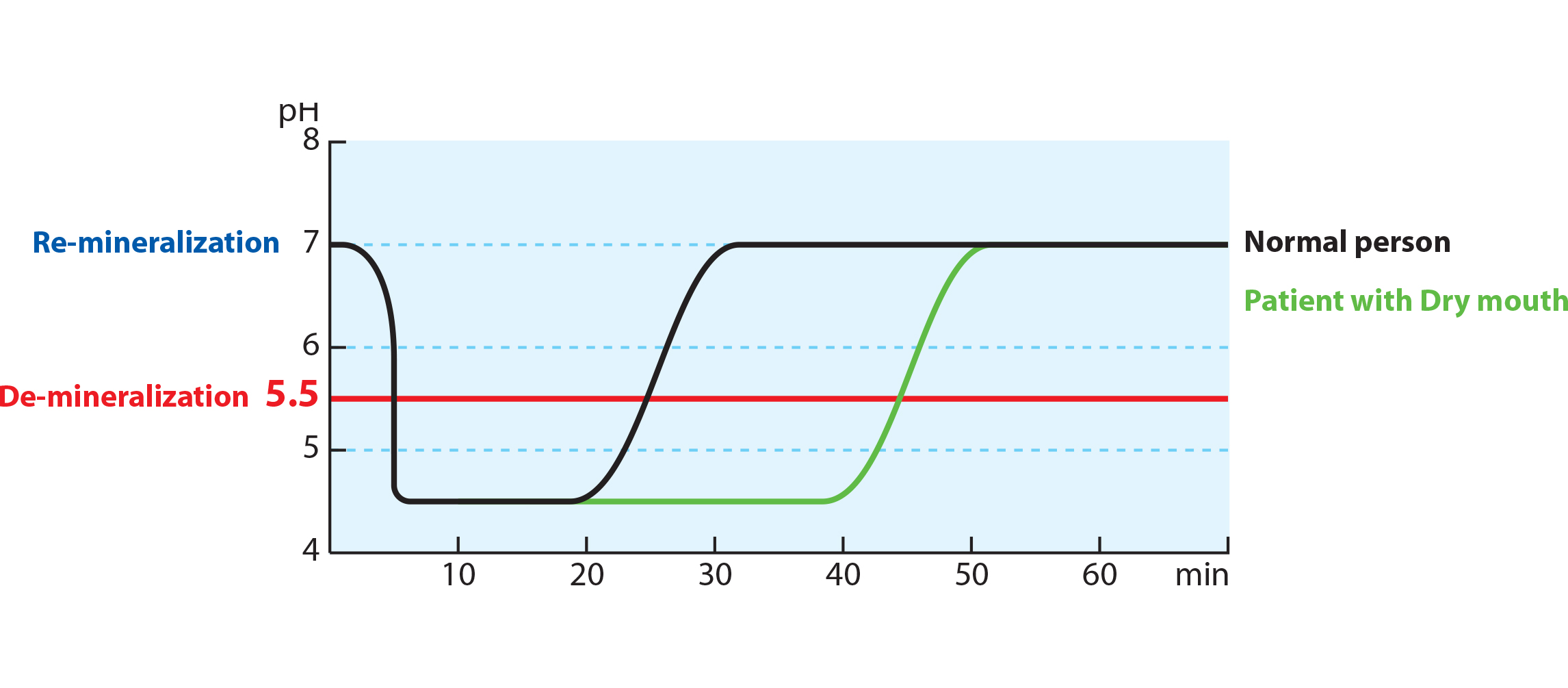
All caries occur from acid demineralization that exceeds saliva and fluoride remineralization. Minerals are being pulled from the teeth during the day when the oral pH is below 5.5. It takes a normal person roughly 20 minutes to begin neutralizing acid in their mouth. A person with dry mouth can take twice as long to neutralize the same amount of acid in their mouth.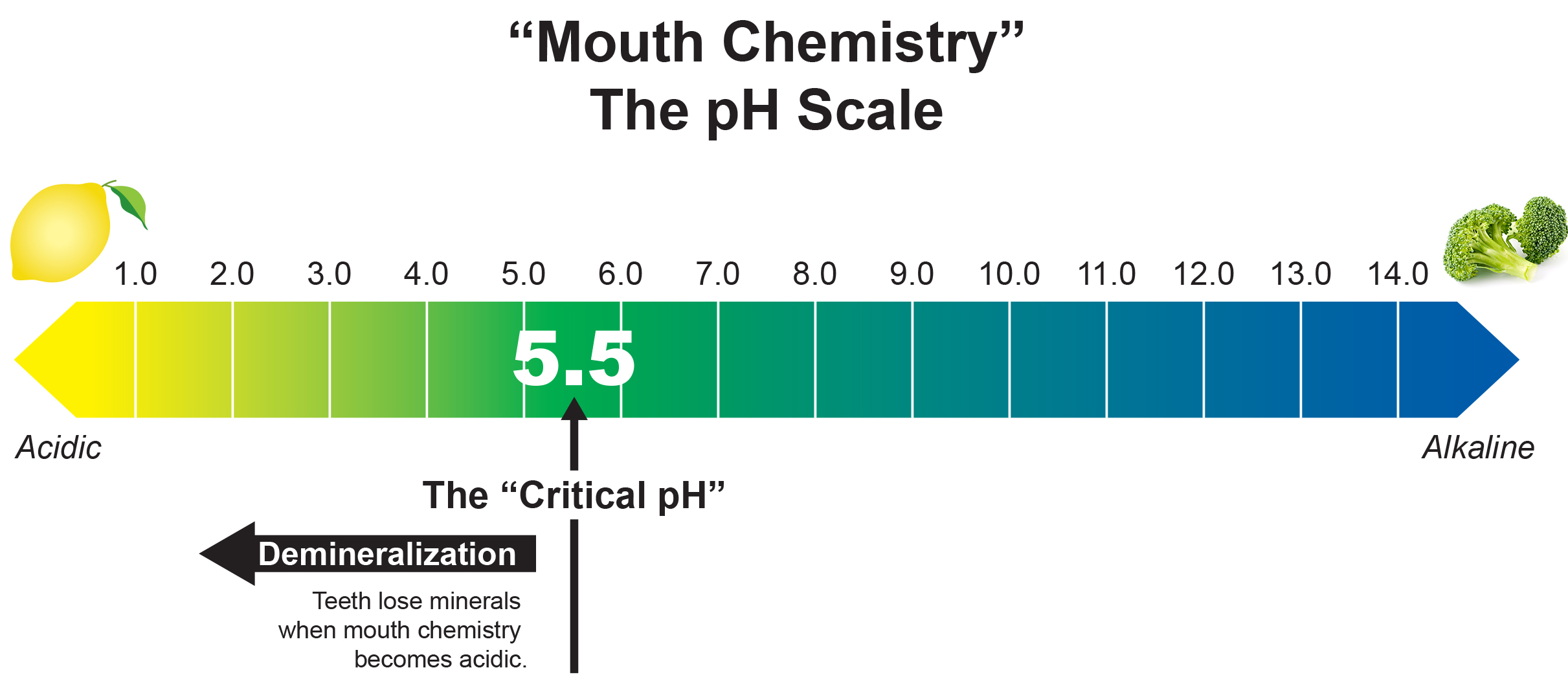
Causes
The most common causes of acidic mouth are xerostomia (dry mouth) and chronic consumption of acidic beverages. Xerostomia can be defined as the subjective sensation of oral dryness that may or may not be associated with a reduction in salivary output. It can have profound negative effects on the quality of life.
Symptoms
Xerostomia is a very common symptom. Xerostomia affects 20% of the population and is becoming one of the fastest-growing oral health problems in North America. Due to the amount of medications taken daily, reports of dry mouth in the elderly are up to 50%. If left untreated, xerostomia decreases the oral pH and significantly increases the development of plaque and dental caries. Salivary secretion rate affects both the glucose clearance in saliva and the pH changes in dental plaque in man.
Xerostomia and acidic mouth can be caused by excessive clearance (such as by excessive breathing through the mouth), or it May Be caused by insufficient production of saliva (called hyposalivation). Reduced saliva is associated with increased caries and Acidic mouth syndrome since the buffering capability of saliva is at a diminished capacity to counterbalance the acidic environment created by certain foods. As a result, any medical conditions that reduces the amount of saliva produced by salivary glands, in particular the submandibular gland and parotid gland, are likely to lead to widespread tooth decay and acidic mouth syndrome. Examples include Sjögren's syndrome, diabetes mellitus, diabetes insipidus, and sarcoidosis. Medications, such as antihistamines and antidepressants, can also impair salivary flow. Stimulants, most notoriously methylamphetamine, also occlude the flow of saliva to an extreme degree. Tetrahydrocannabinol, the active chemical substance in [...], also causes a nearly complete occlusion of salivation, known in colloquial terms as "cotton mouth". Moreover, sixty-three percent of the most commonly prescribed medications in the United States list dry mouth as a known side-effect. Radiation therapy of the head and neck may also damage the cells in salivary glands, increasing the likelihood of caries formation. Acidic Mouth Syndrome is common among elderly people, from a variety of causes. The most common cause is the use of medications. Over 400 medications can produce the side effect of Xerostomia.
- Medications that increase the risk of acidic mouth syndrome
- Antacid
- Antianxiety
- Anticholinergic
- Anticonvulsant *Antidepressant
- Antiemetic
- Antihistamine
- Antihypertensive
- Antiparkinsonian
- Antipsychotic
- Bronchodilator
- Cholesterol reducing
- Decongestant
- Diet pills
- Diuretic
- Hormonal replacement therapy
- Muscle relaxant
- Narcotic analgesic
- Sedative
Other causes
Other causes of insufficient saliva production and acidic mouth syndrome include anxiety, drinking alcoholic beverages, physical trauma to the salivary glands or their ducts or nerves, dehydration caused by lack of sufficient fluids (extended exercise on a hot day can cause the salivary glands to become dry as bodily fluids are concentrated elsewhere), chemotherapy, and radiation therapy.
Treatment involves finding any correctable causes and removing them if possible. In many cases it is not possible to correct the xerostomia itself, and treatment focuses on relieving the symptoms and preventing cavities. Patients with acidic mouth syndrome and xerostomia should avoid the use of decongestants and antihistamines, and pay careful attention to oral hygiene. Sipping non-carbonated sugarless fluids frequently, chewing xylitol-containing gum, and using a carboxymethyl cellulose saliva substitute may help.
Pilocarpine may be prescribed to treat xerostomia. Cevimeline (Evoxac) has been released for treatment of dry mouth associated with Sjogren's syndrome. Like pilocarpine, it is a cholinergic agonist.
 {{-}}
{{-}}