
The "Simplified Italian of Ethiopia" or "SIE" (also called "Pidgin Italian of Ethiopia") was a pidgin language used by some Ethiopians in the 20th century to speak in a form of Italian. It was used mainly in the north of Ethiopia (Tigrinya and Amhara regions) and in the capital, Addis Ababa, when Ethiopia was part of the Italian empire from 1936 up to World War II It remained in use among some old Ethiopians and Eritreans until the 2020s.
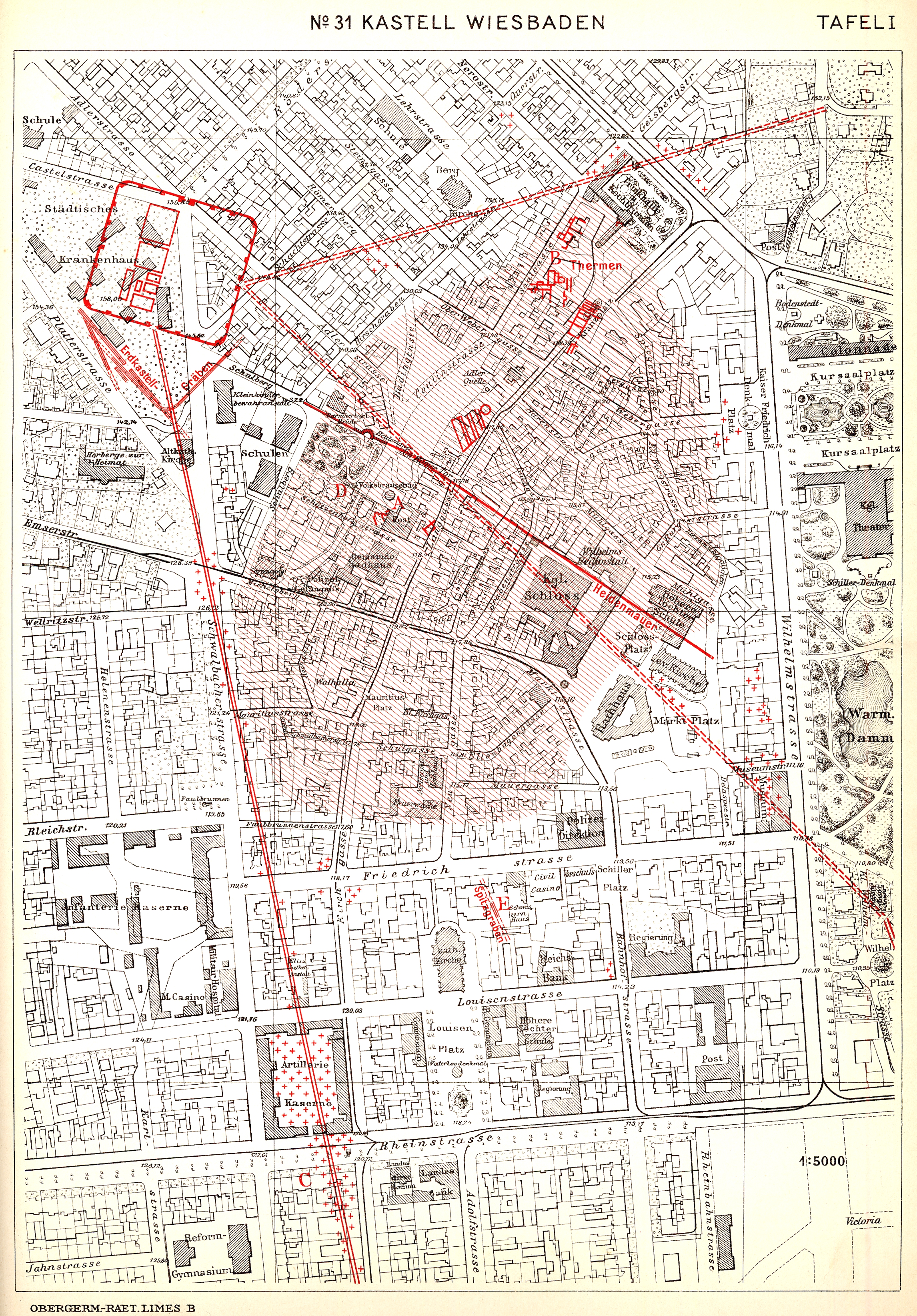 The Civitas Matthiacis (called often "Civitas or Aquae Mattiacorum", actual "Wiesbaden") was an administrative unit (civitas) in the right-bank part of the Roman province of Germania Superior (Upper Germany), whose governor resided in Mogontiacum, present-day Mainz.
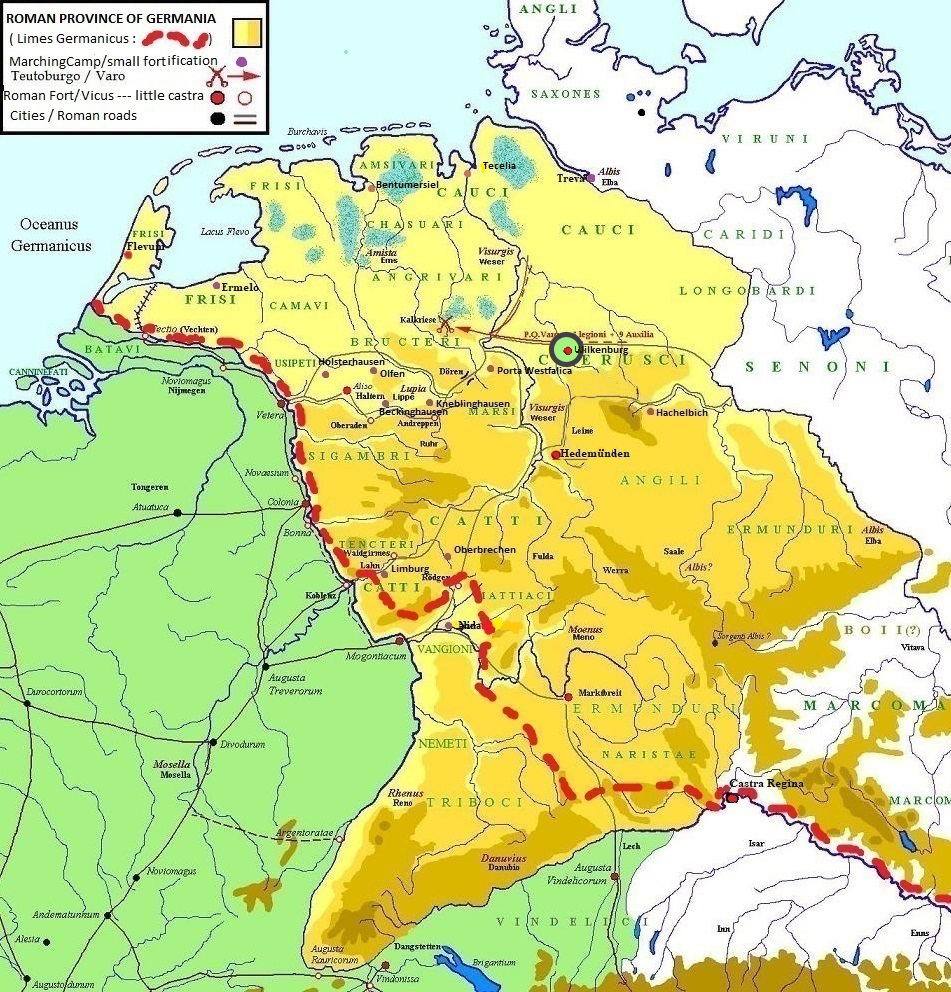
The Roman Camp, Wilkenburg is one of the easternmost roman castrum inside Germany. Wilkenburg is a former ancient village (Ortsteil) in the actual city of Hemmingen, in the German state of Lower Saxony, in Germany.
The Minister for Water Supply, Irrigation and Energy is a provincial government position in Koshi Province, Nepal. The minister heads the Ministry of Water Supply, Irrigation and Energy, which is responsible for policies, planning, and implementation related to drinking water, irrigation, electricity, and disaster management within the province.
The Incumbent, minister is Tilchan Pathak, who took office on 6 January 2026.